
Best Coffee Grinder for 2026: Burr, Manual and Budget Picks
Disclosure: We may earn a commission when you buy through links on this page, at no extra cost to you. As an Amazon Associate I earn from qualifying purchases. Learn more

Our picks for the best coffee grinder, from the Baratza Encore to the Breville Smart Grinder Pro and a manual TIMEMORE.
The best coffee grinder for most homes is a conical burr grinder with enough settings to cover drip, pour over and French press, and a motor and burr set that stay consistent for years. Grinding beans right before brewing is the single biggest upgrade most people can make, often more noticeable than buying a new coffee maker.
Below we compare five grinders for different needs, from an entry level favorite of specialty coffee shops to an espresso capable model, a manual grinder for travel and a budget blade option. After the picks you will find a buying guide, care tips and answers to common questions.


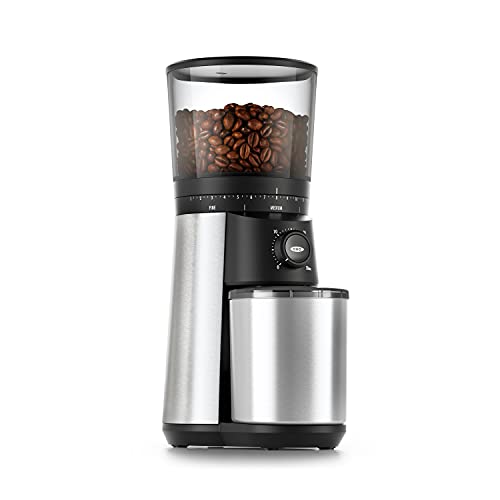

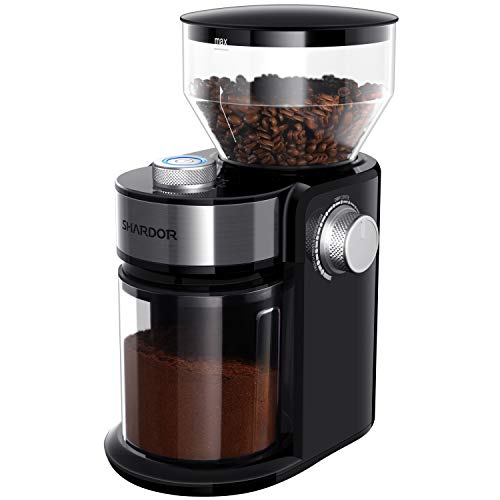
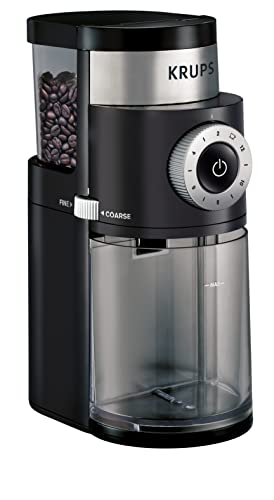

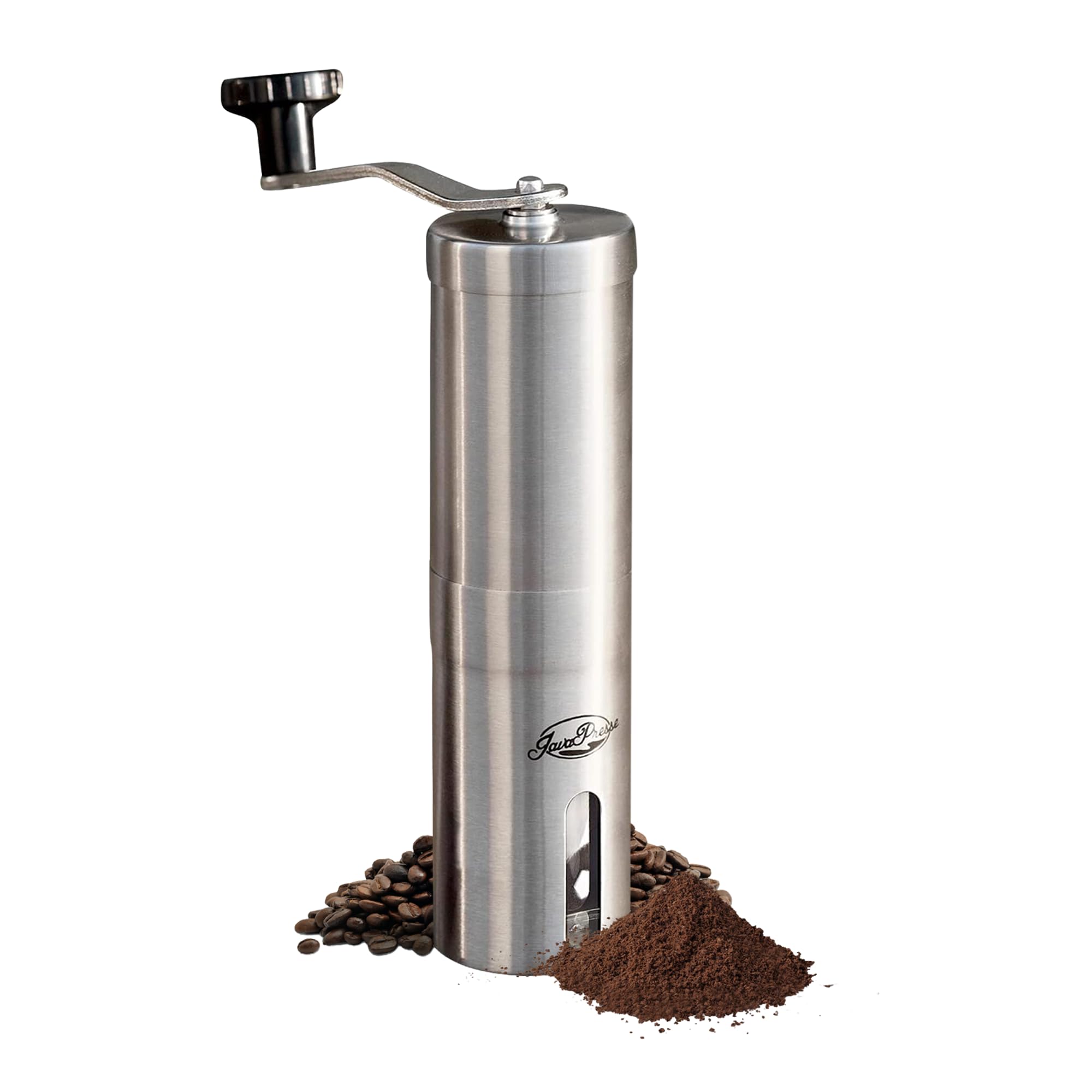
Best Coffee Grinder: Our Top Picks
We focused on grind consistency (burr type and size), the range of settings, ease of use, cleaning and long-term support. Each grinder below sells new on Amazon. The product table on this page lists more models across prices.
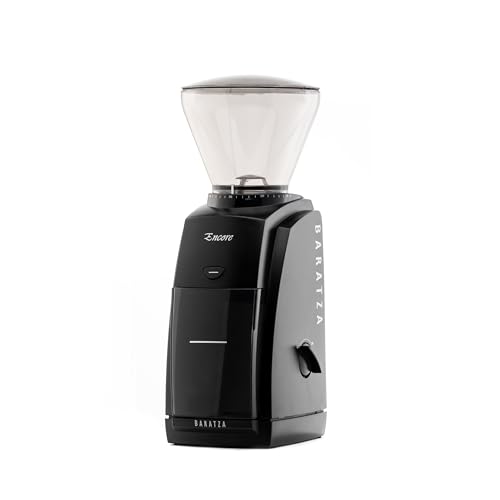
Baratza Encore: Best Overall Coffee Grinder
The Baratza Encore is the grinder many specialty coffee shops recommend to customers who are just starting with whole beans, and it remains Baratza's best-selling model. It uses 40 millimeter conical burrs made from hardened alloy steel in Liechtenstein, driven by a DC motor, and offers 40 grind settings.
That range covers automatic drip brewers, Chemex, Hario V60, AeroPress and French press. The listing also mentions espresso, although the Encore is best at medium to coarse grinds; dedicated espresso users usually step up to an espresso focused grinder. Controls are simple: an on and off switch for batches and a front pulse button for grinding straight into a filter or portafilter.
Baratza is also known for support and replacement parts, which matters for a machine meant to last many years. The compact footprint fits under most cabinets.
- 40 millimeter conical burrs with 40 grind settings
- Simple on and off switch plus front pulse button
- Good parts availability and support
The limitation is fine grinding: at espresso fineness the steps between settings are large, so precise espresso dialing is harder than on a dedicated espresso grinder. Skip it if espresso is your main drink. Expect to pay around $150.

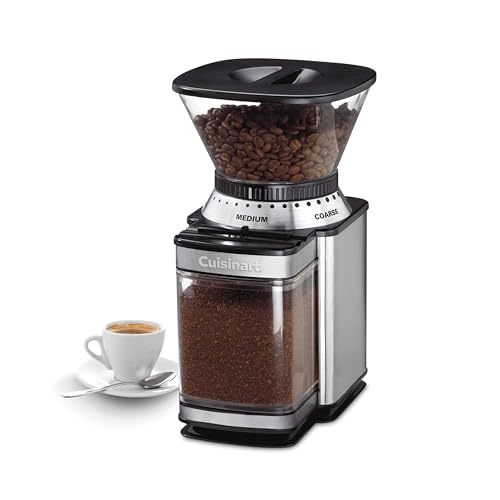
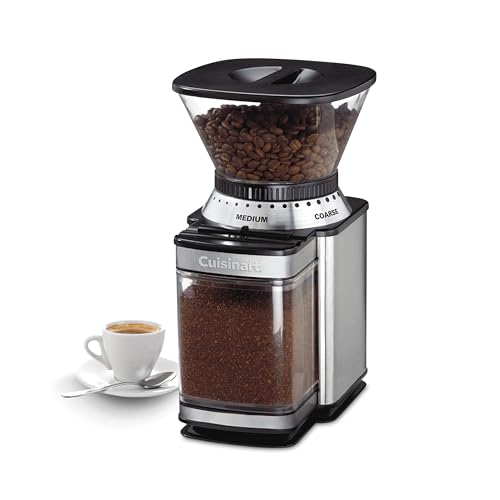
Cuisinart DBM-8 Burr Grinder: Best Value
The Cuisinart DBM-8 is one of the most widely bought burr grinders on Amazon, and it is an easy entry point for anyone moving up from pre-ground coffee or a blade grinder. It uses flat burrs with an 18 position slide dial, which the listing describes as running from ultra-fine to extra-coarse.
The removable grind chamber holds enough coffee for 4 to 18 cups (Cuisinart counts a cup as about 5 ounces), and an electric timer shuts the grinder off automatically after the selected amount. The 8 ounce bean hopper and the chamber both come off for cleaning, and a scoop with a cleaning brush is included along with built-in cord storage.
- Flat burrs with 18 grind positions
- Grinds for 4 to 18 cups with an automatic timer
- Removable hopper and grounds chamber
The limitation is consistency at the extremes: fine settings are not precise enough for real espresso, and very coarse grinds include some fines. Skip it if you want a grinder you can dial in shot by shot. Expect to pay around $73.
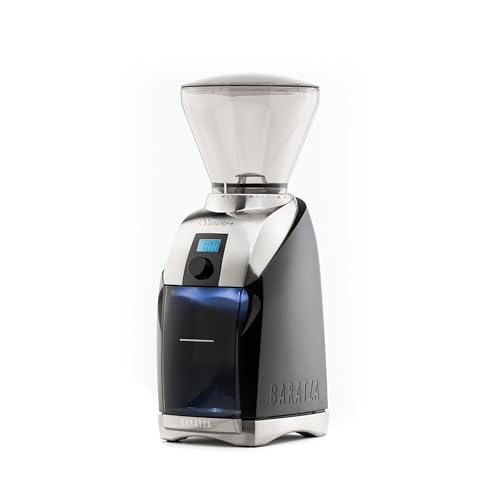
Breville Smart Grinder Pro: Best for Espresso and Drip
If you make both espresso and filter coffee, the Breville Smart Grinder Pro covers the whole range. It has 60 grind settings and Dosing IQ, which lets you program grind time in 0.2 second steps for a repeatable dose. An LCD screen shows the setting, grind time and number of shots or cups selected.
It can grind directly into a portafilter, an airtight container, a gold tone filter basket or a paper filter. The box includes cradles for small (50 to 54 millimeter) and large (58 millimeter) portafilters, a grounds container with a sealing cap and a cleaning brush, so it pairs well with most home espresso machines.
- 60 grind settings from espresso to French press
- Programmable grind time in 0.2 second steps
- Portafilter cradles for 50 to 58 millimeter baskets
The limitation is retention and noise compared with premium espresso grinders, so very picky espresso hobbyists may eventually upgrade. Skip it if you only brew drip coffee and do not need timed dosing. Expect to pay around $160.

TIMEMORE Chestnut C2: Best Manual Coffee Grinder
A good hand grinder gives burr quality at a lower price and works anywhere, from a quiet early morning kitchen to a campsite. The TIMEMORE Chestnut C2 uses CNC machined stainless steel burrs (420 steel) with a dual bearing shaft for stable grinding, and its metal body weighs about 430 grams.
The grind is adjusted with an internal knob, clockwise for finer and counterclockwise for coarser. It holds about 25 grams of beans, enough for one or two cups. A brush and cloth bag are included, and the grinder comes apart for cleaning without tools.
- Stainless steel burrs with dual bearing alignment
- About 25 gram capacity for one or two cups
- Portable metal body with a carry bag
The limitation is effort and capacity: grinding enough beans for a full pot takes time. Skip it if you brew large batches daily. Expect to pay around $80.

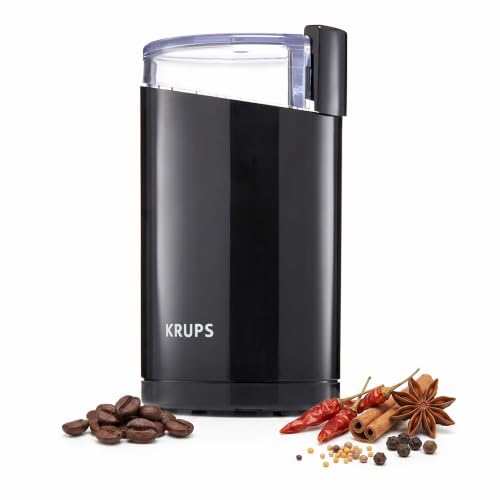
KRUPS Precision Blade Grinder: Best Budget Grinder
For a small budget, a blade grinder is still a step up from pre-ground coffee because you grind fresh. The KRUPS Precision uses a 200 watt motor and stainless steel blades with a 3 ounce bowl, enough for up to 12 cups. You press and hold the button; a longer press gives a finer grind.
A lid activated safety switch means the blades only spin with the lid in place. It also grinds spices, herbs and nuts, which makes it a flexible kitchen tool.
- 200 watt motor with stainless steel blades
- 3 ounce capacity for up to 12 cups
- Lid safety switch and one-touch control
The limitation is consistency: blade grinders chop rather than mill, producing a mix of sizes that can taste uneven. Skip it if you brew espresso or pour over and want precise control. Expect to pay around $25.

Burr vs Blade: Why It Matters
Burr grinders crush beans between two abrasive surfaces set a fixed distance apart, so the grounds come out at a similar size. Blade grinders spin a propeller that chops beans randomly, leaving fine dust and large chunks together. Even particle size matters because water extracts small particles faster than large ones; a mix of sizes tends to taste both bitter and sour at once.
Conical burrs, used by the Baratza and Breville picks, are common in home grinders because they are quiet, compact and keep heat low. Flat burrs, used by the Cuisinart, also appear in many higher priced models. For most people, a quality conical burr grinder is the right choice, and a blade grinder makes sense only for a tight budget or occasional use.
How to Choose a Coffee Grinder
Match the Grinder to Your Brew Method
Drip, pour over and French press need medium to coarse grinds that most burr grinders handle well. Espresso needs very fine, finely adjustable grinding, so choose a grinder with many steps at the fine end or a dedicated espresso grinder. If you brew several methods, look for a wide range of settings.
Look at Settings and Adjustment Steps
More settings are not automatically better; what matters is how small the steps are where you brew. Stepless or micro adjustments help espresso. For drip and French press, 15 to 40 settings is plenty.
Consider Capacity and Batch Size
Large hoppers suit households grinding for a full pot each morning. Single dose users who weigh beans per cup may prefer a smaller hopper to keep beans fresh in a sealed container.
Think About Noise, Mess and Static
Burr grinders are louder than you might expect, and fine grounds can cling to containers. Grinders with lower speed motors and anti-static designs reduce mess. A manual grinder is the quietest option for early mornings.
Plan for Cleaning and Parts
Burrs need occasional brushing and a deeper clean every few months. Brands that sell replacement burrs and parts help a grinder last much longer. Our coffee grinders section collects more models and guides.
Grind Size Basics
A simple rule of thumb: the longer the coffee and water are in contact, the coarser the grind. French press and cold brew use coarse grounds similar to sea salt. Drip and pour over use medium grounds similar to sand. Espresso uses fine grounds close to powdered sugar, and Turkish coffee uses an extra fine powder.
Start in the middle of the recommended range for your brewer, taste, and adjust one step at a time. If the coffee tastes sour or thin, grind finer. If it tastes bitter or harsh, grind coarser. Keep the dose and water the same while you adjust so you can tell what changed.
Grinder Care Tips
Keep the hopper free of oily residue by wiping it with a dry cloth every week or two. Brush the burrs and chute regularly to remove old grounds that can make coffee taste stale. Avoid washing burrs with water unless the manual says it is safe, since moisture can cause rust. Some owners use grinder cleaning tablets made for this purpose; follow the manufacturer's directions.
Very oily dark roasts can clog burrs faster, so clean more often if you use them. Never grind rice or other foods in a burr grinder unless the manual approves it. If you also want a machine that grinds and brews in one step, see our guide to the best coffee maker with burr grinder.
How We Chose
This guide is based on research rather than in-person trials. We compared burr type and size, number of settings, hopper capacity, included accessories and support, and we considered how widely each grinder is bought and how owners describe it over time. We chose one pick for each common need: an all-rounder, a value grinder, an espresso capable model, a manual grinder and a budget option.
FAQs About Coffee Grinders
Is a burr grinder worth it?
Yes, for most coffee drinkers. A burr grinder produces more even grounds than a blade grinder, which leads to more balanced flavor and makes it easier to adjust brewing.
Can the Baratza Encore grind for espresso?
It can grind fine enough for some pressurized baskets, but adjustments are coarse at the fine end. For regular espresso, a grinder such as the Breville Smart Grinder Pro or a dedicated espresso grinder is easier to dial in.
How often should I clean my coffee grinder?
Brush out loose grounds weekly and do a deeper clean of the burrs every one to three months, depending on how much you grind and how oily your beans are.
Are manual grinders better than electric grinders?
Manual grinders can match the quality of more expensive electric grinders at a lower price, but they take effort and suit small batches. Electric grinders are better for daily pots and busy mornings.
How long does a coffee grinder last?
A quality burr grinder can last many years, especially if you keep it clean and replace burrs when they wear. Blade grinders are cheaper and are usually replaced rather than repaired.
Final Verdict
The best coffee grinder for most people is the Baratza Encore, a simple, durable conical burr grinder that covers drip, pour over and French press with ease. The Cuisinart DBM-8 offers strong value for drip coffee, the Breville Smart Grinder Pro is the pick for households making espresso and filter coffee, the TIMEMORE Chestnut C2 is a high quality manual option, and the KRUPS blade grinder is a low cost starting point. Choose based on your brew method, and grinding fresh beans will improve every cup.