
Coffee & Pods
The best coffee maker still depends on the coffee you put in it. This section helps you choose whole beans, ground coffee and pods or capsules that work well with your equipment, so your drip machine, espresso maker or single-serve brewer can do its job properly.
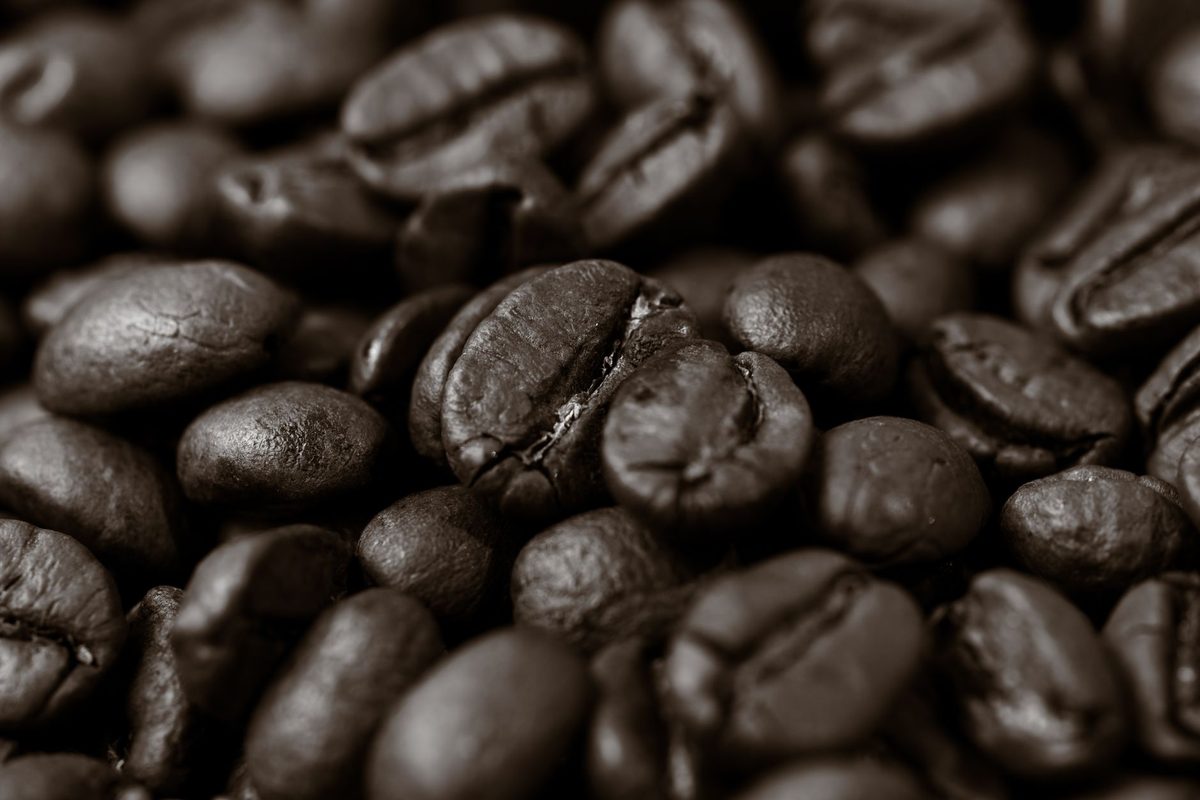
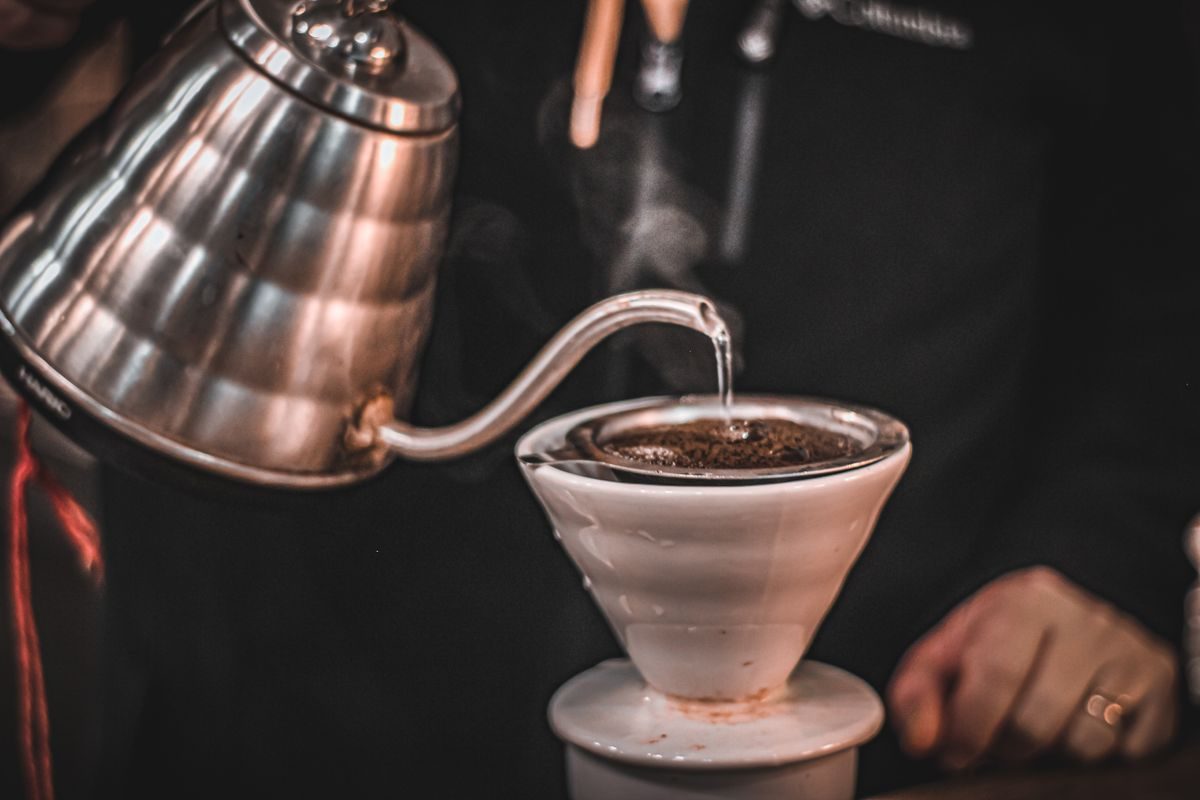
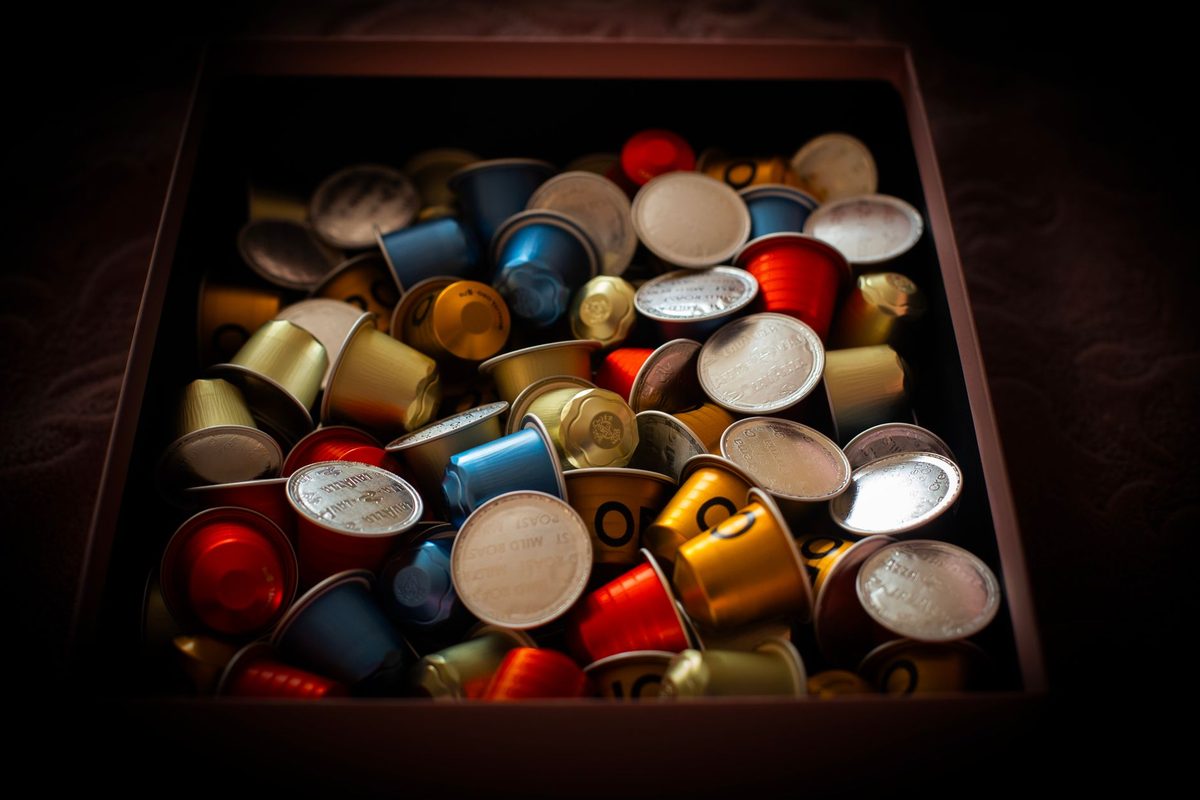
Each format has a place. Whole beans stay fresh longest and let you grind for any brewer, which suits owners of grinders and super-automatic espresso machines. Ground coffee is convenient and works well when it matches your brewer, such as medium grind for drip or coarse grind for French press and cold brew. Pods and capsules offer the most convenience, but each brewer system takes specific formats, so compatibility comes first.
When buying any coffee, look at the roast date rather than only a best-by date, the roast level (light, medium or dark), origin or blend information, and packaging with a one-way valve that keeps air out. Store coffee in an airtight container away from heat and light, and buy amounts you will use within a few weeks. Browse Coffee Beans, Ground Coffee and Coffee Pods & Capsules below for format-specific guidance, and see Coffee Grinders if you are ready to grind at home.
No articles found in this category yet.
How to Choose a Coffee Format That Fits Your Equipment
A good rule is to let your brewer make the first decision. The equipment on your counter determines which formats will even work, and only then do roast and origin come into play. A quick check of your setup saves wasted bags and boxes.
- Burr grinder or bean-to-cup machine: buy whole beans and grind fresh. See our coffee beans guide for roast levels and freshness.
- Drip, pour-over or French press without a grinder: choose pre-ground coffee labeled for your method in ground coffee.
- Pod or capsule brewer: confirm the exact system first, then shop coffee pods and capsules.
Reading a Coffee Label
Coffee bags carry a lot of terms, and a few are genuinely useful. Roast level tells you the general flavor direction: lighter roasts lean bright and fruity, darker roasts lean bold and smoky. Origin tells you where the beans grew, and single-origin coffees tend to show more distinctive flavor than blends. Processing method, such as washed or natural, also shapes taste. Washed coffees often taste cleaner, while natural coffees can be fruitier.
Terms like "gourmet" or "premium" have no standard meaning, so give them little weight. A printed roast date is far more informative. Certifications such as organic or Fair Trade describe how coffee was grown or sourced, which may matter to you, but they do not by themselves guarantee flavor.
Getting More Value From Every Bag
Coffee prices vary widely, from budget supermarket cans to specialty bags often costing around $15 to $25 for 12 ounces. Spending more helps most when you can taste the difference, which usually means brewing with fresh coffee and decent equipment. A few habits stretch your budget:
- Buy smaller bags more often instead of one large bag that goes stale.
- Weigh coffee and water so you do not overuse grounds.
- Try reusable pods if your single-serve brewer supports them.
- Freeze extra whole beans in sealed portions only if you cannot use them within a few weeks, and thaw each portion once.
Common Mistakes
Storing coffee in the fridge is a frequent error. It absorbs odors and moisture, so a cool, dark cupboard in an airtight canister is better. Another mistake is buying the wrong grind for the brewer, such as fine espresso grounds for a French press, which leads to muddy, over-extracted coffee. Finally, avoid judging a new coffee by one cup. Small changes in ratio or grind can make a big difference.
Coffee & Pods FAQ
Is whole bean coffee better than ground coffee?
Whole beans stay fresh longer because less surface area is exposed to air. If you have a grinder, they usually produce more flavorful coffee. Ground coffee is more convenient and still tastes good when used within a week or two of opening.
How long does coffee stay fresh after opening?
Whole beans generally taste best within a few weeks of roasting, and ground coffee within about one to two weeks of opening. Keep both in an airtight container away from heat, light and moisture.
Should I store coffee in the freezer?
Only for longer storage. Freeze whole beans in small, airtight portions and avoid repeatedly thawing and refreezing, which causes condensation. For coffee you will use within a few weeks, a cupboard is better.
What does roast date mean on a coffee bag?
It is the day the beans were roasted. Coffee flavor peaks within days to weeks after roasting and slowly fades afterward, so a recent roast date is a better freshness guide than a best-by date.
Are pods more expensive than ground coffee?
Usually, yes. Pods and capsules cost more per cup than ground coffee or whole beans because of the individual packaging. Reusable pods can bring the cost closer to regular coffee.