
Best Espresso Machine: Buying Guide
Disclosure: We may earn a commission when you buy through links on this page, at no extra cost to you. As an Amazon Associate I earn from qualifying purchases. Learn more

The best espresso machine depends on grinder, milk and effort: five picks from a manual Gaggia to a one-touch Philips.
The best espresso machine for your kitchen depends on three things: how much manual work you want, whether you mostly drink straight shots or milk drinks, and whether you already own a good grinder. This guide covers home espresso machines sold new on Amazon US, from a compact manual machine to a fully automatic bean-to-cup model and a hybrid that also brews drip coffee.
The quick picks below give a one-line answer for each type of buyer. If you are new to espresso, the buying section explains why grinder choice and milk workflow matter more than the pump pressure printed on the box.



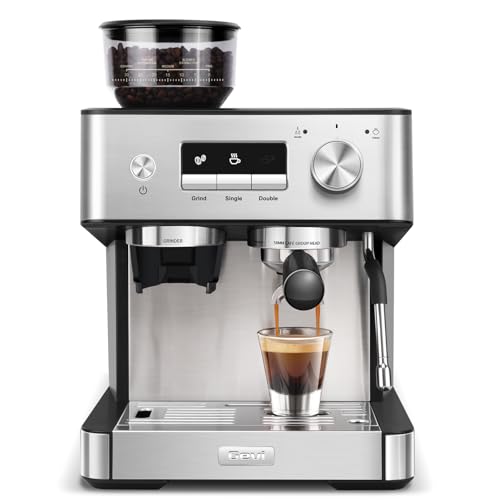
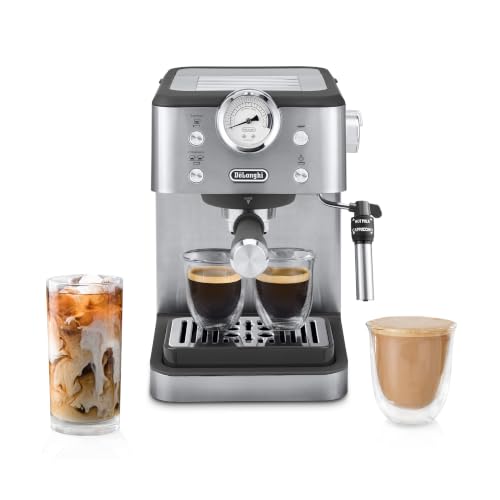

Quick Picks for Espresso Machine
Each pick answers a different routine, so choose the line that sounds like your mornings. Every machine here makes true espresso under pressure; drip brewers with a "strong" button and concentrate makers are not included.
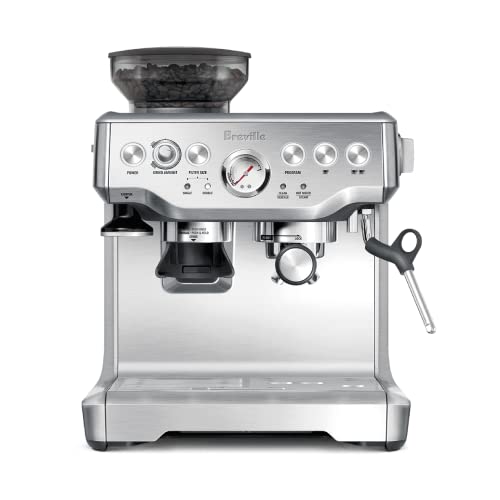
- Breville Barista Express BES870XL: the best fit for most people who want fresh-ground espresso and steamed milk from one machine with a built-in grinder.
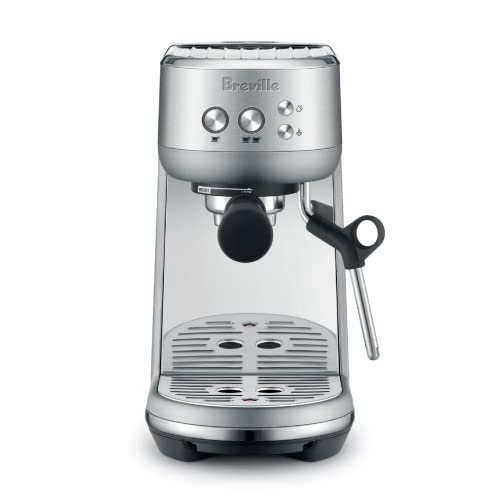
- Breville Bambino BES450: the value pick if you want fast heat-up and automatic milk texturing, and you can add a grinder or buy fresh espresso grounds.
- Philips 3200 Series LatteGo (EP3241/74): the simplest workflow, with one-touch drinks from beans and a two-part milk system.
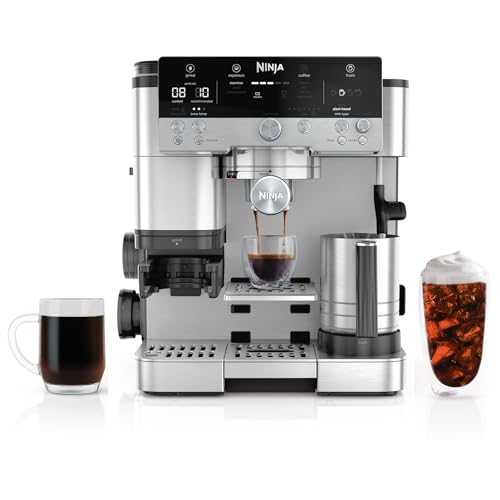
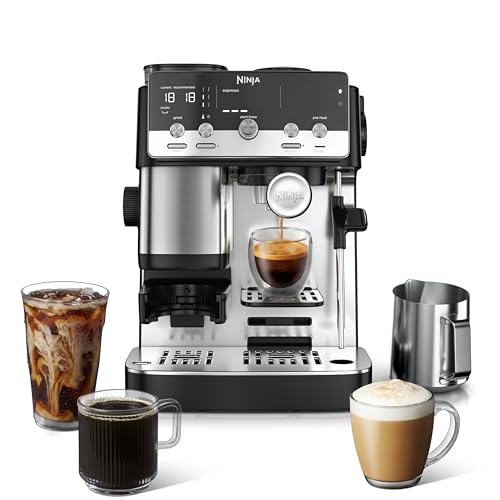
- Ninja Luxe Café Premier: the alternative routine pick for households that want espresso, drip coffee and cold brew from one machine.
- Gaggia Classic Evo Pro: the pick for added control, with a commercial-size 58mm portafilter and steam wand.
The principal trade-off is control against convenience. The more the machine automates grinding, dosing and milk, the less you can adjust each step. Full details are in the recommended options below.
Compare the Qualifying Options
Prices are rounded and change often, so check the live price in the product table above. "Grinder needed" means you must supply espresso-fine coffee or an espresso-capable grinder; columns marked "see listing" are details the current listing does not state clearly.
| Model | Role | Coffee format | Milk system | Defining feature | Main limitation | Footprint | Price |
|---|---|---|---|---|---|---|---|
| Breville Barista Express BES870XL | Main pick | Whole beans (built-in grinder) | Manual steam wand | Grinds straight into the portafilter | Learning curve for dosing and steaming | See listing | Around $500 |
| Breville Bambino BES450 | Value | Ground coffee, grinder needed | Automatic steam wand | Heats up in about 3 seconds | No grinder included | Compact | Around $250 |
| Philips 3200 LatteGo EP3241/74 | Simpler workflow | Whole beans (built-in grinder) | LatteGo, two parts, no tubes | One-touch drinks, iced coffee | Less shot-by-shot control | See listing | Around $320 |
| Ninja Luxe Café Premier | Alternative routine | Whole beans (built-in grinder) | Dual Froth System, hands-free | Espresso, drip and cold brew in one | Large and feature-heavy | See listing | Around $500 |
| Gaggia Classic Evo Pro | Added control | Ground coffee, grinder needed | Commercial steam wand | 58mm commercial portafilter | Manual skill and a separate grinder required | Small | Around $530 |
Included accessories vary: the Ninja ships with a milk jug, tamper and cleaning supplies according to its listing, while manual machines may need a milk pitcher or scale bought separately.
How We Selected the Shortlist
We started with machines that make pressure-brewed espresso and are sold new by Amazon US sellers today. Refurbished listings, import models and machines that only make concentrated coffee were left out before any ranking began.
From there, we compared manufacturer specifications, current listing details and package contents, and read buyer feedback in aggregate for recurring praise and complaints. Three questions shaped every pick: how the machine handles extraction and milk, which coffee format and serving routine it suits, and how much daily work it adds. This is a research-based shortlist; the judgments come from published specs and owner feedback rather than brewing trials of our own, so we do not quote invented taste scores or timings.
Recommended Options
Breville Barista Express BES870XL: Best fit for the main use case
For most people who want café-style espresso and lattes at home, the Barista Express covers the whole process in one machine. An integrated conical burr grinder doses straight into the portafilter, and a grind size dial lets you adjust for different beans. Digital temperature control (PID) and low-pressure pre-infusion help extraction stay even from shot to shot.
On the milk side, a manual steam wand lets you texture microfoam for lattes and cappuccinos, which rewards practice with better results than most automatic systems. Having the grinder built in also removes the most common hidden cost of a first espresso setup.
The limitation is the learning curve. You control dose, tamp and steaming, so the first weeks involve some trial and error and a few sink shots. Skip it if you want push-button drinks with no adjustment, or if you share the kitchen with people who will not learn the routine. Fresh beans and a milk pitcher are the only extras most buyers need.
Breville Bambino BES450: Best value within the stated scope
The Bambino is the value pick for someone who wants proper espresso and good milk drinks without paying for a built-in grinder. Its ThermoJet heating system reaches extraction temperature in about three seconds, so a morning latte does not start with a long wait. PID temperature control and low-pressure pre-infusion are features usually found on pricier machines.
It uses a 54mm portafilter with a 19 gram dose, and the automatic steam wand lets you set milk temperature and texture, then steams hands-free. That suits a household that drinks one or two milk drinks a day and has limited counter space, since the machine is designed for compact kitchens.
The concrete limitation is the missing grinder. Espresso needs fine, fresh grounds, so budget for an espresso-capable grinder or buy freshly ground espresso coffee in small bags. Skip it if you want a single-box setup. With a grinder added, the total still often lands below larger all-in-one machines.
Philips 3200 Series LatteGo: Best for a simpler workflow
The Philips 3200 (EP3241/74) is a fully automatic machine for people who want espresso-based drinks at the touch of a button. It grinds beans, brews and tops drinks with milk froth from the LatteGo system, and it offers up to five black and milk coffee varieties plus iced coffee. The My Coffee Choice menu adjusts strength and quantity with three settings each.
Cleanup is where it stands out for busy households. The LatteGo milk system has no tubes, and the listing describes it as quick to rinse. The AquaClean filter means you do not need to descale for up to 5,000 cups, as long as you change the filter when the machine prompts you.
The limitation is control: you choose from presets rather than adjusting dose, grind and tamp for each shot, so espresso enthusiasts may find it restrictive. Skip it if you enjoy dialing in beans. It needs only whole beans, milk and replacement AquaClean filters over time. For more fully automatic options, see our guide to the best super automatic espresso machine.
Ninja Luxe Café Premier: Best for an alternative serving routine
The Ninja Luxe Café Premier suits households where one person wants a latte and another wants a mug of drip coffee or a glass of cold brew. It offers double or quad espresso shots, three drip styles (classic, rich or over ice) and two cold styles, with drip and cold brew in sizes from 6 to 18 oz.
It also guides beginners. A built-in conical burr grinder has 25 settings, and Barista Assist Technology handles grind recommendations, weight-based dosing and assisted tamping while adjusting temperature and pressure. The Dual Froth System combines a whisk and steamer with four presets, including cold foam, or lets you froth manually.
The limitation is size and complexity. It does a lot, so it takes more counter space and has more settings than a single-purpose espresso machine. Skip it if you only ever drink espresso. The listing says it ships with a portafilter, milk jug, baskets, tamper and cleaning supplies, so few extras are needed.
Gaggia Classic Evo Pro: Best for added control or convenience
The Gaggia Classic Evo Pro is for buyers who want to learn espresso properly and value hardware over automation. It uses a stainless steel 58mm commercial portafilter, a commercial three-way solenoid valve and a commercial steam wand, inside a solid steel housing made in Italy. The listing specifies 9 bar extractions.
The 58mm portafilter matters because it is a common size, which makes baskets, tampers and other accessories easy to find. The commercial steam wand gives strong steaming for milk drinks once you have the technique.
The limitation is that everything is manual and there is no grinder. You need an espresso-capable grinder, a tamper that fits well and patience to learn dosing and steaming. Skip it if you want guidance or automatic milk. For someone willing to practice, it rewards attention with a high level of control for its price.
What to Look for Before Buying
Espresso Extraction and Milk Workflow
Good espresso depends on fine, consistent grounds, stable water temperature and a controlled start to the shot. Features such as PID temperature control and low-pressure pre-infusion support those, while the grinder decides whether you can adjust the grind finely enough. A machine without a grinder is only as good as the grinder you pair with it.
Do not rank machines by advertised pump pressure. Many budget machines list 15 or 20 bar, while the Gaggia lists 9 bar extractions, and higher numbers on the box do not mean better shots. Espresso is also different from concentrated brewed coffee: drip machines with a specialty or concentrate setting make a strong coffee base, not espresso under pressure.
For milk, decide how much effort you want. Manual wands give the most control, automatic wands handle temperature and texture for you, and fully automatic systems like LatteGo add milk at the push of a button.
Coffee Format and Serving Needs
Start with the format you will actually buy. Machines with built-in grinders take whole beans, manual machines without grinders need espresso-fine grounds, and capsule machines take only their own capsules. If you buy pre-ground espresso, small bags used within a week or two keep shots from going flat.
Next, match the household. One or two milk drinks a day suit any machine here, while several back-to-back lattes favor fast heat-up or one-touch milk. Espresso is measured in small shots, roughly 1 to 2 oz, so do not compare it with a 10 oz mug from a drip brewer as if the output were the same. If you mostly drink large black coffees, a drip machine or a hybrid like the Ninja may suit you better, and our list of the best coffee makers covers that route.
Daily Workflow and Cleanup
Count the steps you will repeat every day. A manual machine means grinding, dosing, tamping, brewing, steaming, knocking out the puck and wiping the wand. A fully automatic machine reduces that to filling beans and water, pressing a button and emptying the grounds container.
Separate daily cleaning from maintenance. Daily cleaning covers rinsing the portafilter or milk parts and emptying the drip tray, while maintenance means backflushing, descaling or replacing water filters on the schedule in the manual. Also check how controls and water tanks are reached in your space, since a rear tank under a low cabinet becomes a daily nuisance.
Which Option Fits Your Routine?
Your Must-Have Function
If fresh grinding in one box is nonnegotiable, choose the Barista Express, Philips 3200 or Ninja. If you already own a good grinder, the Bambino or Gaggia gives better value per dollar.
Your Preparation and Cleanup Tolerance
Enjoy the craft? Pick the Gaggia or Barista Express. Want a drink with minimal steps and quick milk cleanup? The Philips 3200 with its tubeless LatteGo suits you better.
Your Complete Budget
Add a grinder for the Bambino or Gaggia, plus beans, milk, filters and descaler over time. An all-in-one may cost more upfront yet less in total.
Frequently Asked Questions
Which features matter most for this use case?
Grinder quality and temperature stability matter most for espresso, followed by the milk system if you drink lattes. PID temperature control and pre-infusion help consistency, and a built-in or separate espresso-capable grinder decides how well you can adjust shots. Pump pressure ratings matter far less than marketing suggests.
How do I choose the correct serving capacity?
Think in drinks per morning rather than cups. One or two milk drinks suit any machine here, while several drinks in a row favor fast heat-up or one-touch machines. Check the water tank and bean hopper size on the listing if you make drinks for a whole family.
What extra equipment will I need?
Machines without grinders need an espresso-capable grinder or fresh espresso grounds. Many buyers also add a milk pitcher, a scale and a knock box. Fully automatic machines need fewer extras, mainly beans, milk and approved cleaning or filter supplies.
How much daily cleaning should I expect?
Expect a few minutes a day. Manual machines need the puck knocked out, the portafilter rinsed and the steam wand wiped and purged. Fully automatic machines need the grounds container and drip tray emptied and milk parts rinsed. Follow the manual for descaling and backflushing schedules.
Final Verdict
For most homes, the best espresso machine is the Breville Barista Express BES870XL, because it combines a built-in grinder, stable temperature control and a capable steam wand in one box. If you prefer a push-button routine, the Philips 3200 LatteGo is the alternative that trades fine control for speed and easy milk cleanup. The deciding factor is how much of the process you want to do yourself. If you are buying for someone else, our best espresso machine gift guide adds gift-specific checks.
