
Automatic Coffee Machine vs Coffee Maker: Which Should You Choose?
Disclosure: We may earn a commission when you buy through links on this page, at no extra cost to you. As an Amazon Associate I earn from qualifying purchases. Learn more

Automatic coffee machine vs coffee maker: one-touch espresso drinks from beans, or a low-cost pot of drip coffee for the whole house.
The automatic coffee machine vs coffee maker decision usually means choosing between a bean-to-cup espresso machine that grinds, tamps and brews each drink at the touch of a button, and a drip coffee maker that brews a pot of coffee from grounds. Both are "automatic" in the sense that they brew without you pouring water by hand, but they make different drinks, cost very different amounts and ask different things of you every day.
This comparison clears up the terms first, then looks at drinks, control, cleaning and cost, using a current Philips fully automatic espresso machine and a current Cuisinart drip coffee maker as representative examples.


Quick Verdict
Choose Automatic Coffee Machine If…
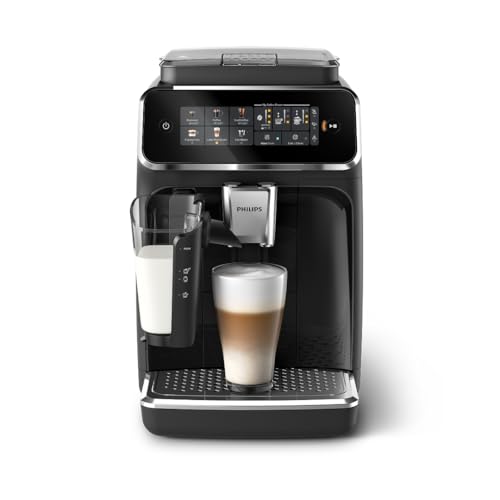
Choose an automatic coffee machine if you drink espresso, cappuccinos and lattes most days and want them from fresh beans at the touch of a button. A fully automatic machine like the Philips 3300 grinds, tamps and brews each drink and froths milk for you. Expect a much higher upfront price and a bit more daily cleaning, especially for the milk system.
Choose Coffee Maker If…
Choose a drip coffee maker if you drink regular mugs of coffee, often brew for several people, and want the lowest cost per cup. A drip machine like the Cuisinart DCC-3200 brews up to 14 cups at once from ground coffee, with a small batch setting and strength control. It does not make espresso or froth milk.
Scope and Side-by-Side Table
We compare the two categories through representative machines sold new on Amazon US. Prices are rounded and change often, and features listed belong to these models, not to every machine in each category.
| Feature | Automatic coffee machine (Philips 3300 LatteGo) | Coffee maker (Cuisinart DCC-3200) |
|---|---|---|
| What it brews | Espresso, coffee, iced coffee, cappuccino, latte macchiato, hot water | Drip coffee |
| Coffee input | Whole beans, ground automatically | Ground coffee |
| Serving style | One drink at a time | Up to 14 cups per pot |
| Milk | LatteGo automatic milk system | None |
| Adjustments | Strength, volume, milk level | Regular or bold, 1 to 4 cup setting |
| Filter | AquaClean water filter | Gold-tone permanent coffee filter |
| Machine price | Around $551 | Around $76 |
How We Compared These Options
We compared the categories on equal terms: current Amazon US listings for a mainstream model on each side, the accessories and supplies each needs, and the full routine from setup to cleaning. Buyer feedback was read in aggregate for recurring strengths and complaints about each type of machine.
We did not brew with these machines, so this page makes no taste claims of its own. Feature statements cite the listing for each product, and judgments about who suits which category are our assessment. Where the listing makes a marketing claim, such as how fast a machine pays for itself, we leave it out.
Automatic Coffee Machine vs Coffee Maker: Terminology and Brewing Method
What Each Option Supports
"Automatic coffee machine" most often means a fully automatic, also called super automatic or bean-to-cup, espresso machine. The Philips 3300 is a good example: its listing says it automatically grinds, tamps and brews at the push of a button. "Coffee maker" usually means a drip brewer, which drips hot water through ground coffee in a filter and into a carafe. Some drip machines are also called "automatic" because they brew on a timer, which adds to the confusion.
The brewing methods are fundamentally different. An espresso machine forces water through finely ground coffee under pressure to make a short, concentrated shot, then adds water or milk for longer drinks. A drip coffee maker brews a larger volume of lighter coffee by gravity.
Two neighboring categories are worth separating out. Semi-automatic espresso machines also make espresso, but you grind, dose and tamp yourself. Single serve pod machines brew one cup automatically but use capsules rather than fresh beans. This comparison focuses on bean-to-cup machines against drip brewers.
What Changes in Everyday Use
With an automatic coffee machine, you choose a drink on the display and the machine does the rest, one cup at a time. With a drip coffee maker, you add water and grounds, press start or set a timer, and pour from a carafe. The first suits people who want café drinks; the second suits people who want a pot of coffee.
Who Benefits from the Difference
Espresso and milk-drink lovers benefit from an automatic coffee machine, since a drip coffee maker cannot make espresso. Households that drink several cups of regular coffee, or that host often, benefit from a drip coffee maker's capacity and low cost. Many homes end up owning one of each for different needs, such as a drip pot for weekday mornings and an espresso machine for weekend lattes.
Coffee Output and Control
What Each Option Supports
The Philips 3300 offers six presets: espresso, coffee, iced coffee, cappuccino, latte macchiato and hot water. You can adjust strength, volume and milk level from its full color display. The Cuisinart DCC-3200 brews up to 14 cups of drip coffee, with a brew strength control for regular or bold and a 1 to 4 cup setting for small batches.
What Changes in Everyday Use
The automatic machine gives you variety: a latte for one person and an espresso for another, each made fresh. The drip coffee maker gives you volume: one brew for the whole household. Control also differs, since the Philips adjusts each drink on the display, while the Cuisinart's main levers are the amount of coffee you add and the bold setting.
The "coffee" preset on an automatic espresso machine is usually a longer espresso-based drink, which tastes different from drip coffee. If you love classic drip coffee, an automatic espresso machine may not replace it.
Volume is the other practical difference. Cuisinart counts a cup as about 5 fl oz, so a full 14-cup pot fills roughly seven 10 oz mugs in one brew. An automatic machine makes those drinks one at a time, which is fine for two people and slow for a crowd.
Who Benefits from the Difference
Mixed households with different drink preferences benefit from the automatic machine's presets. People who drink the same mug of coffee every morning benefit from a drip coffee maker's simplicity and volume. Iced coffee drinkers will find an iced coffee preset on the Philips, while a basic drip machine needs a stronger brew poured over ice.
Preparation and Maintenance
What Each Option Supports
The Philips 3300 uses the LatteGo milk system, which its listing describes as three parts with no internal tubes or hidden compartments, dishwasher safe or rinsed clean in about 10 seconds. It also uses an AquaClean water filter; the listing says that by changing the filter when prompted, you will not need to descale for up to 5,000 cups. The Cuisinart DCC-3200 includes a gold-tone commercial-style permanent filter, so paper filters are optional.
What Changes in Everyday Use
Daily cleaning on an automatic machine means rinsing the milk system after milk drinks, emptying the grounds container and drip tray, and filling beans and water. On a drip coffee maker, you discard the grounds, rinse the filter and carafe, and occasionally descale. The automatic machine has more parts, but its LatteGo design is built to be quick to rinse.
Long-term maintenance differs too. The Philips relies on AquaClean filter changes, while the Cuisinart needs periodic descaling with a product its manual approves. Both are simple if you follow the manual and its prompts.
Picture a typical morning on each. With the Philips, you check the bean hopper and water tank, choose a latte, and rinse the LatteGo parts afterward. With the Cuisinart, you add water and grounds the night before, set the timer, and rinse the filter and carafe after breakfast. Both take only a few minutes, but the work happens at different times.
Who Benefits from the Difference
People who want the least daily effort and only drink black coffee will find a drip machine easier. People who want milk drinks every day will accept an automatic machine's extra steps for the convenience of one-touch lattes. If you dislike cleaning milk parts, either skip milk drinks or choose a machine with a simple milk system like LatteGo.
Setup and Recurring Cost
What Each Option Supports
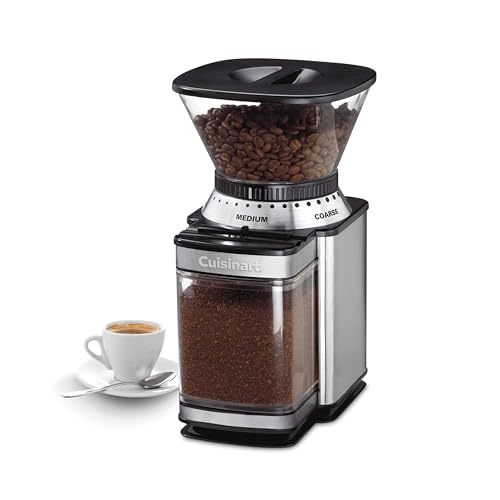
The upfront gap is large: around $551 for the Philips 3300 against around $76 for the Cuisinart DCC-3200. The Philips uses whole beans, so no separate grinder is needed. The Cuisinart uses ground coffee, so you either buy preground or add a burr grinder such as the Cuisinart DBM-8 at around $73.
What Changes in Everyday Use
Both machines brew from bagged coffee, so the cost per cup of coffee itself is low compared with pods. The automatic machine adds milk for lattes and AquaClean filters at around $33 each, while the drip machine adds paper filters only if you prefer them to the permanent filter. Neither needs capsules.
The real cost difference is the machine price. If you would otherwise buy café lattes every day, an automatic machine can make sense over time. If you drink regular coffee, a drip machine delivers it for a fraction of the cost.
Who Benefits from the Difference
Budget-conscious coffee drinkers benefit from a drip coffee maker, even after adding a grinder. Daily latte drinkers who would otherwise buy drinks out may justify an automatic machine. Count how many milk drinks you make each week before deciding.
Do not forget counter space and time. An automatic machine needs room in front for the drip tray and access to the bean hopper and water tank, while a drip coffee maker needs room above to open the lid. Neither needs plumbing, and both plug into a standard outlet.
Representative Products and Pairing Limits
A Verified Pair at a Relevant Price Level
The Philips 3300 Series LatteGo (around $551) automatically grinds, tamps and brews, offers six presets including iced coffee and latte macchiato, and lets you adjust strength, volume and milk level on a color display. Its LatteGo milk system has three parts, and its AquaClean filter reduces descaling when changed as prompted. It suits a household that wants café drinks from fresh beans.
The Cuisinart DCC-3200 PerfecTemp (around $76) brews up to 14 cups with a gold-tone permanent filter, regular or bold strength, a 1 to 4 cup setting and a pause function. It suits a household that brews pots of regular coffee every day.
Check Price on Amazon (Philips 3300 LatteGo)
Check Price on Amazon (Cuisinart DCC-3200)
What the Pair Does Not Prove
Two machines cannot represent every model in each category. Some automatic coffee machines cost far more and add features like dual milk systems, while others skip milk entirely. Some drip coffee makers add thermal carafes, built-in grinders or single-cup options. Features named here belong to these two models.
The pair also does not settle taste. Espresso-based drinks and drip coffee are different styles, and preference is personal. Use this comparison to choose a category, then compare models within it.
Price bands matter as well. Entry-level automatic machines start well below the Philips 3300, and premium drip brewers can cost several hundred dollars. The gap between categories is real, but it narrows at the edges, so compare the specific models you are considering.
Which Should You Choose?
For Convenience-First Buyers
If convenience means one-touch lattes and espressos, an automatic coffee machine delivers. If convenience means a full pot ready when you wake up, a programmable drip coffee maker delivers for much less. Decide which kind of convenience fits your mornings.
For Buyers Seeking Control or Different Drinks
For the widest range of drinks, an automatic coffee machine wins, with presets for espresso, milk drinks and iced coffee. For control over brew strength and volume in a pot, a drip coffee maker with a bold setting and small batch mode covers most needs. Pairing a drip machine with a burr grinder adds control over freshness.
There is also a middle path. Grind and brew coffee makers grind whole beans and brew a pot of drip coffee, which suits people who want freshness without espresso. They cost more than basic drip machines but far less than most automatic espresso machines.
For Budget and Space Constraints
On a tight budget, a drip coffee maker and a burr grinder cost a fraction of an automatic machine. In a small kitchen, measure carefully, since automatic machines tend to be deeper and need room for bean and water access. Our best coffee makers guide covers compact drip options.
Frequently Asked Questions
Are these options the same type of machine?
No. An automatic coffee machine usually means a bean-to-cup espresso machine that grinds and brews each drink under pressure, often with a milk system. A coffee maker usually means a drip brewer that makes a pot of coffee from grounds. Both brew automatically, but the drinks differ.
Which is easier to use and maintain?
A drip coffee maker is simpler, with fewer parts to clean and no milk system. An automatic coffee machine is easy to use at the button but adds milk-system rinsing, grounds emptying and filter changes. Both need descaling or filter maintenance as their manuals describe.
What accessories or coffee formats do they require?
Automatic coffee machines use whole beans and often a water filter, such as Philips AquaClean. Drip coffee makers use ground coffee and either paper or permanent filters; a burr grinder is optional if you buy whole beans. Neither requires capsules.
Which offers better value for my routine?
For regular coffee, a drip coffee maker offers better value by a wide margin. For daily espresso and milk drinks, an automatic coffee machine can offer better value than buying café drinks. Match the machine to what you actually drink.
Final Verdict
The automatic coffee machine vs coffee maker choice comes down to your drink and budget. Choose an automatic coffee machine, such as the Philips 3300 LatteGo, if you want espresso and milk drinks from fresh beans at one touch. Choose a drip coffee maker, such as the Cuisinart DCC-3200, if you want pots of regular coffee at a low price. For more options, see our best coffee maker for home guide.