
Best Coffee Maker For Home: Buying Guide
Disclosure: We may earn a commission when you buy through links on this page, at no extra cost to you. As an Amazon Associate I earn from qualifying purchases. Learn more

Match the best coffee maker for home to your routine: programmable drip, pods, multi-style brewing or a premium carafe brewer.
The best coffee maker for home is the one that matches how your household actually drinks coffee: a full pot before work, one mug at a time, or a mix of hot and iced drinks through the day. This guide covers drip brewers, a pod machine and a multi-style brewer sold new on Amazon US, with clear notes on capacity, cleanup and running costs.
Start with the quick picks if you already know your routine. If you are still deciding between a carafe and single cups, the buying section further down walks through the trade-offs in plain terms.






Quick Picks for Coffee Maker For Home
Each pick below fills a different role, so read them as answers to "what do I brew most days?" rather than as a single ranking.
- Cuisinart DCC-3200 PerfecTemp: the best fit for households that brew a pot most mornings and want programmable start, a small batch setting and adjustable warming.
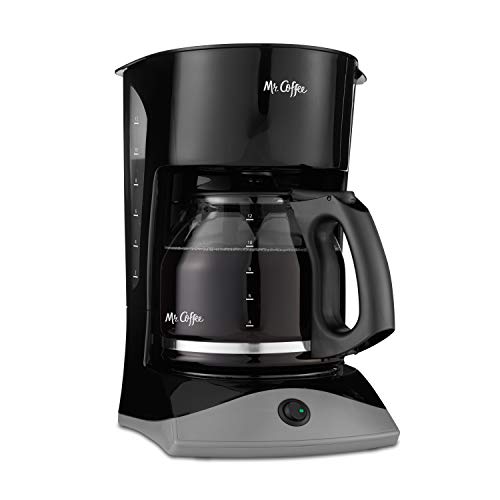
- Mr. Coffee 12-Cup Coffee Maker: the value choice when you only need hot coffee in a carafe and would rather spend the savings on good beans.
- Keurig K-Elite: the simplest workflow for one cup at a time, with five cup sizes and a large reservoir, at the cost of buying pods.
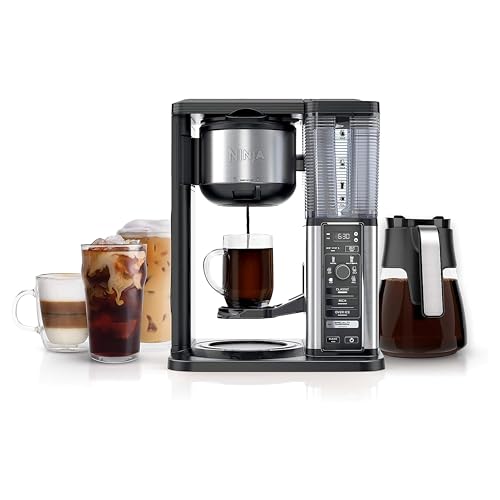
- Ninja CM401 Specialty Coffee Maker: the alternate routine pick for single mugs, travel mugs, iced coffee and concentrate for milk drinks from regular grounds.
- Moccamaster KBGV Select: the pick for more control over batch size and a simple, durable brewing design, if the price works for you.
The main trade-off runs between convenience and cost per cup. Pods are quick, while drip brewers are cheaper to feed every day.
Compare the Qualifying Options
Prices are rounded and change often, so treat them as a guide and confirm the live price in the product table above.
| Model | Role | Coffee format | Capacity | Defining feature | Main limitation | Price |
|---|---|---|---|---|---|---|
| Cuisinart DCC-3200 | Main pick | Ground coffee | 14 cups (about 5 oz each) | Low, medium or high warming plate | Glass carafe sits on a hot plate | Around $100 |
| Mr. Coffee 12-Cup | Value | Ground coffee | 12 cups | Grab-A-Cup auto pause | No timer or strength control | Around $35 |
| Keurig K-Elite | Simple workflow | K-Cup pods | 4 to 12 oz per cup, 75 oz reservoir | Strong and iced settings, hot water button | Ongoing pod cost | Around $140 |
| Ninja CM401 | Alternate routine | Ground coffee | Cup to 10-cup carafe, 40 oz reservoir | Four brew styles plus fold-away frother | More buttons to learn | Around $140 |
| Moccamaster KBGV Select | Added control | Ground coffee | 40 oz (10 cups) | Half or full batch switch, 5 year warranty | Highest price, no timer | Around $330 |
How We Selected the Shortlist
We started with machines that are sold new by Amazon US sellers right now and that a typical household can run with grounds or widely available pods. Anything that needed an import plug, a commercial water line or a refurbished listing to hit the price was left out.
From there, we compared manufacturer specifications, current listing details and package contents, then read buyer feedback in aggregate for recurring praise and complaints. For the best coffee maker for home use, the three questions behind every pick were how well it suits a normal household routine, which coffee format and serving size it handles, and how much daily work it adds. This is a research based shortlist: the judgments come from published specs and owner feedback, not from brewing trials of our own.
Recommended Options
Cuisinart DCC-3200 PerfecTemp: Best fit for the main use case
For most homes that brew a pot every morning, the Cuisinart DCC-3200 covers the basics without fuss. The 24 hour programmable start means coffee can be ready when you walk into the kitchen, and the 1 to 4 cup setting adjusts the brew for small batches so a half pot does not taste thin.
Two features help in daily use. The warming plate has low, medium and high settings, so you can keep the second cup hot without scorching it, and Brew Pause lets you pour a cup before the cycle finishes. A regular or bold strength control adds some flexibility for different beans.
The limitation is the glass carafe on a hot plate: coffee left warming for an hour or more will taste flatter than coffee from a thermal carafe. Skip it if you brew once and sip slowly through the morning. Keep in mind that the 14 cup rating uses roughly 5 oz cups, so a full pot fills about seven 10 oz mugs.
Mr. Coffee 12-Cup Coffee Maker: Best value within the stated scope
The Mr. Coffee 12-Cup is for people who want hot coffee from ground beans and nothing else. It has an on and off switch with an indicator light, a removable filter basket that lifts out for filling and rinsing, and Grab-A-Cup Auto Pause so you can pour mid brew.
Its value comes from simplicity. There is little to break or program, the footprint is modest, and paper filters plus a bag of grounds are all you need. Cord storage keeps the counter tidy, which matters in small kitchens.
The concrete limitation is control: there is no timer, no strength setting and no adjustable warming plate. Skip it if you want coffee ready at wake up or if you often brew only two cups, since small batches from basic drip machines can come out weaker. For a first coffee maker, a dorm or a spare machine, it is hard to argue with the price of around $35.
Keurig K-Elite: Best for a simpler workflow
The Keurig K-Elite suits homes where everyone drinks coffee at different times. You drop in a K-Cup pod, choose 4, 6, 8, 10 or 12 oz, and press brew, so there is no measuring, no filter and no carafe to wash.
Two features make it practical day to day. The 75 oz removable reservoir handles several cups before a refill, and the iced setting brews hot coffee designed to pour over ice. A strong button gives a bolder cup, and the hot water button is handy for tea, oatmeal or instant soup.
The trade-off is cost per cup, since pods cost more than ground coffee over a year, and pod waste adds up. Skip it if you drink several mugs a day or prefer to choose your own beans and grind. A reusable K-Cup filter can cut costs, though it brings back some of the cleanup you were trying to avoid.
Ninja CM401 Specialty Coffee Maker: Best for an alternative serving routine
The Ninja CM401 is for homes that switch between a single mug, a travel mug and a full carafe without wanting pods. It brews regular grounds in six sizes, from a cup up to the 10 cup carafe, and offers four styles: Classic, Rich, Over Ice and Specialty.
The Specialty setting makes a concentrated brew meant for lattes and cappuccinos, and the built-in fold-away frother turns hot or cold milk into foam. Over Ice brews to suit pouring onto ice, so iced coffee is less watered down. The 40 oz reservoir lifts off for filling at the sink.
The limitation is complexity. With sizes, styles and a frother, there is more to learn and more parts to rinse than on a basic drip machine. Skip it if you only ever brew a full pot. Also note that the Specialty brew is a concentrate, not espresso, so anyone who wants real espresso shots needs an espresso machine instead.
Moccamaster KBGV Select: Best for added control or convenience
The Moccamaster KBGV Select is for coffee drinkers who brew a carafe daily and want a well built machine with fewer gimmicks. It heats water to brewing temperature without a pump and brews a full 40 oz pot in about four to six minutes, according to the maker.
Control comes from the brew volume selector, which switches between half and full carafe brewing, so small batches get appropriate treatment. It runs quietly, shuts itself off after 100 minutes, and carries a 5 year warranty, which is long for this category.
The limitations are price and missing features. At around $330 it costs several times more than a programmable Cuisinart, and it has no timer, so you cannot set it the night before. Skip it if programmability matters more than build quality. The glass carafe version also uses a hot plate; Moccamaster sells thermal carafe models if you prefer that.
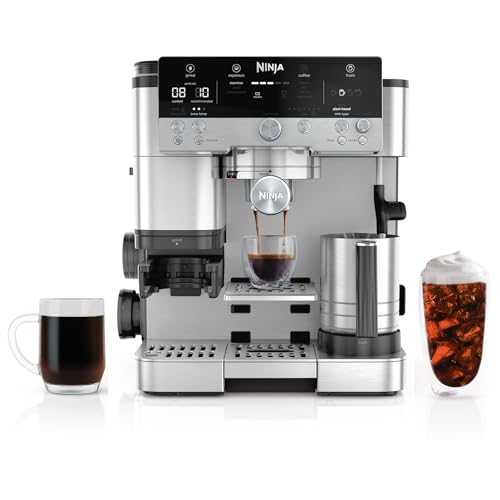
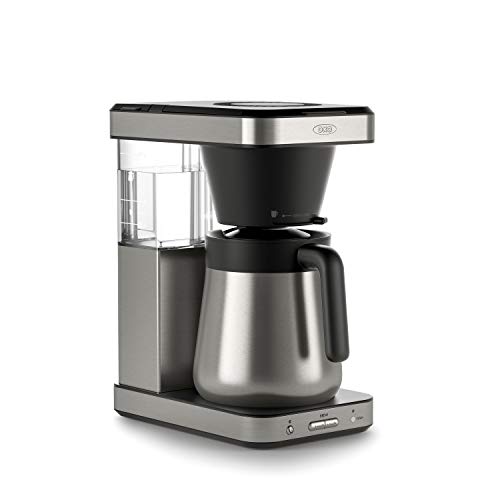
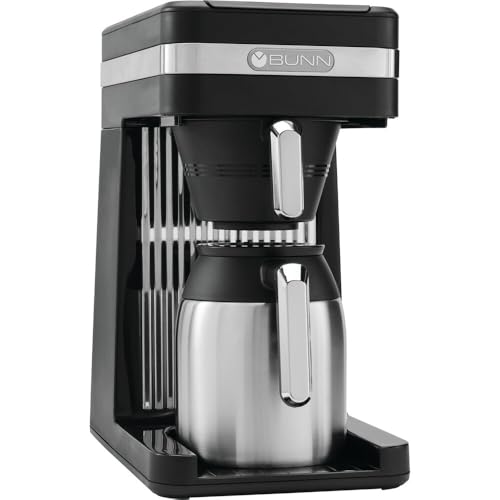
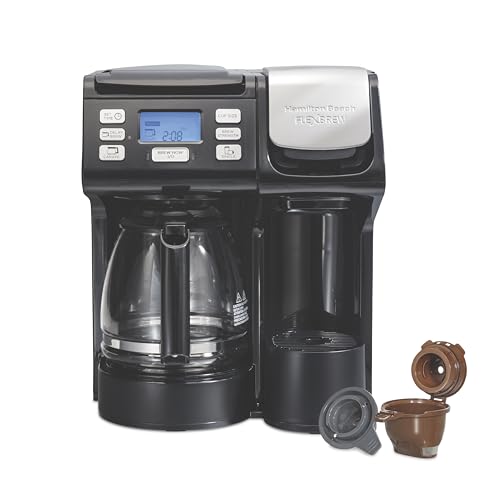
The product table also lists other credible options, including the BUNN CSB3T Speed Brew with a thermal carafe, the OXO Brew 8-Cup, the Hamilton Beach FlexBrew Trio for pods plus a carafe, and the Ninja Luxe Café Premier for homes that want espresso and drip in one machine. For a wider roundup across every brewer type, see our guide to the best coffee makers.
What to Look for Before Buying
Fit for Your Household Routine
Begin with a typical weekday. If two people drink two mugs each before 8 a.m., a carafe brewer with a timer will save more time than any pod machine. If one person drinks one cup and another drinks tea, a single serve brewer avoids pouring out half a pot.
Weekends matter too. Some households want a quick cup on weekdays and a bigger, slower brew on Saturday. Multi-size brewers such as the Ninja CM401 or a dual brewer like the Hamilton Beach FlexBrew Trio handle both, while a dedicated drip machine is simpler if your habits rarely change.
Think about who will run the machine. Programmable timers, strength buttons and auto off are useful, but only if everyone in the house can operate them without reading the manual each morning. Fewer controls often mean fewer mistakes.
Coffee Format and Serving Needs
Decide on the coffee format first, because it sets your running costs. Ground coffee in a drip brewer is the cheapest per cup. Pods trade cost for speed and tidiness. Whole bean machines with built-in grinders offer the freshest flavor but need more cleaning.
Next, translate cup ratings into real servings. Manufacturers often count a cup as 5 oz, so a 12 cup machine makes about 60 oz, which is roughly five generous 12 oz mugs. Check the reservoir size on single serve machines too: a 75 oz tank goes much further than a small one before refilling.
Finally, avoid comparing espresso with drip coffee as if they were the same drink. Espresso is concentrated and small; drip coffee is larger and milder. If lattes are the main goal, look at an espresso machine or a brewer with a concentrate setting and a frother.
Daily Workflow and Cleanup
Count the steps you will repeat every day: fill the reservoir, add a filter and grounds or load a pod, brew, then empty the basket and rinse the carafe. Drip machines with removable baskets and lift-off reservoirs make each step easier.
Separate daily tasks from periodic maintenance. Daily cleanup is rinsing and emptying. Descaling removes mineral buildup and is needed every month or few months depending on your water and the maker's instructions. Our guide on how to clean a coffee maker explains the difference.
Measure your counter space with the lid open. Top loading reservoirs need clearance under cabinets, while side or rear reservoirs that lift off are easier in tight spots.
Which Option Fits Your Routine?
Your Must-Have Function
If a timer is non-negotiable, choose the Cuisinart DCC-3200. If speed for single cups matters most, choose the Keurig K-Elite. If iced coffee and milk drinks are part of the week, the Ninja CM401 fits better.
Your Preparation and Cleanup Tolerance
Want almost no prep? Pods win. Happy to measure grounds but hate fiddly parts? The Mr. Coffee or Moccamaster keep things simple. Pick only features you will use every week.
Your Complete Budget
Add the yearly cost of coffee, filters and descaler to the machine price. A cheap brewer fed with pods can cost more over two years than a pricier drip machine fed with grounds.
Frequently Asked Questions
Which features matter most for this use case?
A timer, a small batch setting and an easy to fill reservoir matter most for a home coffee maker. These features save time on busy mornings and keep small pots from tasting weak. Adjustable warming or a thermal carafe helps if your coffee sits for a while after brewing, so check how long you usually keep a pot going.
How do I choose the correct serving capacity?
Multiply the mugs your household drinks each morning by about 10 to 12 oz, then compare that total with the machine's real capacity in ounces. Manufacturer cups are often 5 oz, so a 12 cup brewer holds about 60 oz. For one or two mugs, a single serve machine or a brewer with a small batch setting avoids waste.
What extra equipment will I need?
Most drip coffee makers need paper filters or a permanent filter, plus a descaling solution for periodic maintenance. Pod machines need compatible pods or a reusable pod filter. If you buy whole beans for a drip brewer, a burr grinder improves consistency. A frother is only needed if your machine lacks one and you want milk drinks.
How much daily cleaning should I expect?
Expect a minute or two each day: empty the grounds or pod, rinse the filter basket and wash the carafe. Wipe the warming plate when it is cool. Descaling is a separate, periodic task, and the right interval depends on your water hardness and the manufacturer's instructions for your model.
Final Verdict
For most households, the Cuisinart DCC-3200 is the best coffee maker for home use thanks to its timer, small batch setting and adjustable warming plate at a fair price. If your home drinks one cup at a time, the Keurig K-Elite is the easier alternative, as long as you accept the pod cost. The deciding question is simple: do you brew a pot or a cup? Answer that, check the current price in the table, and buy the model that fits the routine you already have.


