
Best Coffee Maker For Beginners: Buying Guide
Disclosure: We may earn a commission when you buy through links on this page, at no extra cost to you. As an Amazon Associate I earn from qualifying purchases. Learn more

The best coffee maker for beginners keeps the routine short: front-fill drip, a budget timer brewer, a simple Keurig and two flexible options.
The best coffee maker for beginners is one you can run correctly on the first morning without the manual open: few buttons, clear water markings, and no step that ruins the pot if you get it slightly wrong. For most new owners that means a programmable drip brewer or a simple pod machine, not an espresso machine with a learning curve.
This guide recommends five easy to use coffee makers sold new on Amazon US, each matched to a different routine, from a full pot before work to one cup at a time. Start with the quick picks, then use the buying section to see how many steps each format really asks of you.


Quick Picks for Coffee Maker For Beginners
Each pick solves a different beginner problem, so choose by routine rather than by rank.
- Hamilton Beach FrontFill 12 Cup Programmable: the best fit for most new owners, with water and grounds loaded from the front, a 24 hour timer and a cleaning reminder.
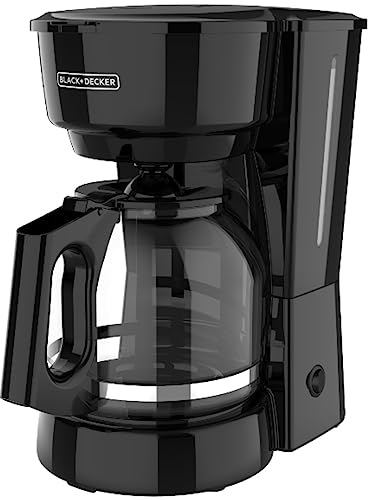
- BLACK+DECKER 12-Cup Drip Coffee Maker: the value pick, with large rubberized buttons, a water window, a timer and auto shutoff at around $35.
- Keurig K-Compact: the simplest workflow, with three cup sizes and one-step brewing from K-Cup pods, so there is nothing to measure.
- Hamilton Beach 2-Way Programmable: the alternative routine for homes that need both a single mug and a full pot, without buying pods.
- Ninja CM371 Hot and Iced XL: the pick for added convenience, with a reservoir that senses the water amount, eight brew sizes and iced and cold brew options.
The principal trade-off is cost per cup against effort: pods remove measuring but cost more to run, while drip brewers ask for a scoop and a filter but are cheap to feed. Full details are in the recommended options below.
Compare the Qualifying Options
Manufacturer "cups" on drip brewers are about 5 oz each, so a 12 cup carafe fills roughly five 12 oz mugs. Prices are rounded; see the product table above for current prices and the listing for exact dimensions.
| Model | Role | Coffee format | Serving capacity | Defining feature | Main limitation | Price |
|---|---|---|---|---|---|---|
| Hamilton Beach FrontFill | Main pick | Ground coffee | 12 cups, 1 to 4 cup setting | Front-fill reservoir, swing-open basket, CLEAN reminder | Glass carafe on a warming plate | Around $50 |
| BLACK+DECKER 12-Cup | Value | Ground coffee, paper filters required | 12 cups (about 5 oz each) | Rubberized buttons, 24 hour auto brew | No strength or small batch setting | Around $35 |
| Keurig K-Compact | Simplest workflow | K-Cup pods | 6, 8, 10 oz; 36 oz reservoir | Heats and brews in one step | Pod cost; no 12 oz size | Around $70 |
| Hamilton Beach 2-Way | Alternate routine | Ground coffee (no K-Cups) | Up to 14 oz single side; 12-cup carafe | Two sides with separate reservoirs | Wider footprint, two sides to clean | Around $90 |
| Ninja CM371 | Added convenience | Ground coffee | 8 sizes, cup to full carafe | Auto-metering removable reservoir | More settings to learn | Around $140 |
How We Selected the Shortlist
A beginner machine had to be sold new on Amazon US, run on a normal kitchen outlet, and make drinkable coffee with a short, forgiving routine. That ruled out espresso machines that need dialing in, grinders, pour-over kits that depend on technique, and refurbished listings. We kept one variant per model.
We then compared listing specs and box contents with an eye on the first week of ownership: how many steps a new owner must learn, whether water and coffee amounts are clearly marked, and whether controls are readable. Buyer feedback was read in aggregate for recurring confusion or praise around setup and cleanup. Three questions shaped every pick: how steep the learning curve is, which coffee format and serving size it suits, and how much daily work it adds. The shortlist reflects research on published specs and owner feedback; we did not brew with these machines ourselves.
Recommended Options
Hamilton Beach FrontFill 12 Cup Programmable: Best fit for the main use case
The FrontFill earns the top spot because it removes the most common beginner fumbles. Water goes into a reservoir at the front, with a window and clear measurement marks, and the brew basket swings open toward you, so you never slide the machine out from under a cabinet to lift a lid.
Two features help a new owner build good habits. The 24 hour programming lets you load it at night and wake up to coffee, and when "CLEAN" appears on the display, it is time to run the self-cleaning cycle, so descaling is not something you have to remember. The Select-a-Brew control offers regular, bold and a 1 to 4 cup option, which keeps small batches from coming out weak, and Auto Pause and Pour lets you grab a cup mid brew.
The limitation is the glass carafe on a warming plate: coffee left sitting for an hour or more turns flat. Skip it if you brew once and sip slowly all morning, since a thermal carafe suits that better. You will need filters and a scoop, and at around $50 it is easy to justify as a first machine.
BLACK+DECKER 12-Cup Drip Coffee Maker: Best value within the stated scope
For a beginner on a tight budget, this BLACK+DECKER brewer covers the essentials for around $35. It brews ground coffee into a 12 cup glass carafe with measurement markings, and the listing is upfront that a "cup" equals about 5 oz, which helps you plan real servings.
The controls are the part that suits new owners. Large rubberized buttons and an easy-read screen show the clock and programming, and QuickTouch programming sets the 24 hour auto brew. A front window shows exactly how much water will turn into coffee, and Sneak-A-Cup pauses the flow so you can pour early without a mess. A 2 hour auto shutoff adds peace of mind for forgetful mornings.
The concrete limitation is control: there is no strength setting and no small batch mode, so two-cup batches can taste thin. The brew basket needs a standard paper filter. Skip it if you usually brew just one or two cups, or if you want bolder coffee without buying darker beans.
Keurig K-Compact: Best for a simpler workflow
If measuring grounds and folding filters sounds like a chore, the K-Compact removes those steps entirely. You add water to the 36 oz removable reservoir, insert a K-Cup pod, press one of three sizes (6, 8 or 10 oz) and the machine does the rest.
Smart Start is the beginner-friendly detail: the machine heats and brews in one process, so you do not wait for a ready light before choosing a size. The 6 oz setting gives the strongest cup, the drip tray removes for travel mugs up to 7 inches tall and holds a full accidental brew, and auto off turns the machine off 2 hours after the last cup.
The trade-off is cost per cup. Pods cost more than ground coffee every single day, and the largest size is 10 oz, so big-mug drinkers may brew twice. Skip it if you drink several cups each morning or want to choose your own beans. Budget for pods and descaler, and the K-Compact is the shortest route from box to coffee, at around $70.
Hamilton Beach 2-Way Programmable: Best for an alternative serving routine
Some beginners live with people who drink coffee at different times. The Hamilton Beach 2-Way handles that with two brewers in one body: a single-serve side that brews up to 14 oz into a cup or travel mug, and a carafe side that brews up to 12 cups.
It keeps the learning curve short in two ways. The single side uses an included mesh scoop, so you scoop grounds, place the scoop and brew, with no paper filter. Each side has its own reservoir with a water window, so you always see how much water you are adding. The carafe side can be programmed 24 hours ahead, has a bold or regular strength option, and offers AutoPause and Pour.
The limitation is that it does not take K-Cup pods, so it is not a pod machine replacement, and the two-sided design takes more counter width. Skip it if only one person drinks coffee. At around $90, it saves buying two machines and avoids pod costs.
Ninja CM371 Hot and Iced XL: Best for added control or convenience
The Ninja CM371 suits beginners who want more than hot coffee but still want the machine to handle the fiddly parts. Its removable reservoir uses auto-metering to sense how much water is in it, so you are not measuring water for each size, and the controls offer eight brew sizes from a small cup to a full carafe.
Two capabilities add flexibility without extra gear. Four brew styles (Classic, Rich, Over Ice and Cold Brew) cover hot, iced and cold coffee, and Ninja says cold brew is ready in as little as 10 minutes. A 24 hour delay brew handles mornings, like the simpler drip picks.
The limitation is the number of choices. Sizes and styles mean more buttons to learn in the first week, which is the opposite of what some beginners want. Skip it if you only ever brew a hot pot. At around $140, it costs more than the drip picks, so buy it only if you will actually use iced and cold brew (filters and grounds are the only regular supplies).
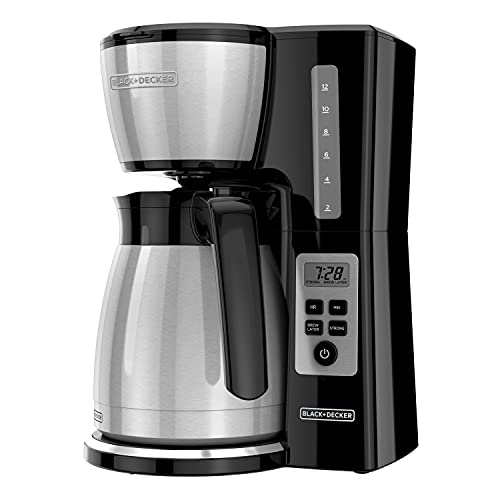
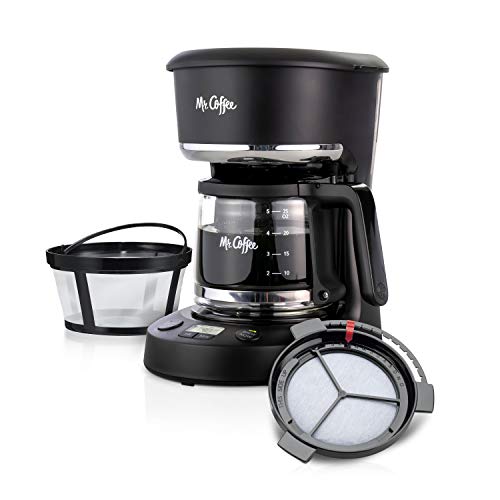
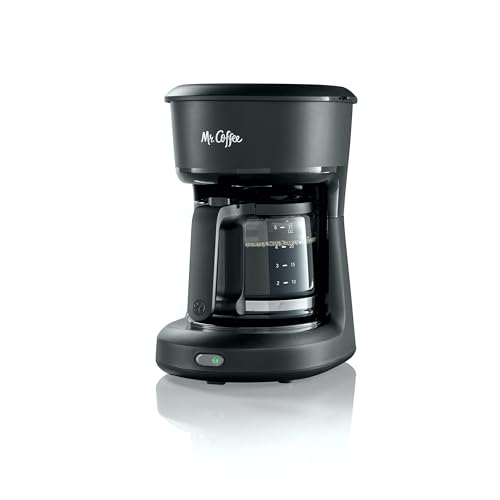
The product table also includes the Braun BrewSense with a 24 hour timer, the Hamilton Beach FlexBrew Trio for pods plus a pot, the Cuisinart DCC-1200P1 Brew Central, the BLACK+DECKER 12 Cup Thermal, and two compact Mr. Coffee 5-cup brewers for single drinkers. For a broader roundup, see our guide to the best coffee makers.
What to Look for Before Buying
Learning Curve and Error Prevention
Count the steps you must get right every morning. A basic drip brewer asks you to add water to a line, place a filter, scoop grounds and press a button. A pod machine asks you to check the water, insert a pod and choose a size. Espresso and pour-over add grind size, dose and technique, which is why they are not on this list.
Look for features that prevent mistakes rather than add options. Clear water windows with marked levels stop over or underfilling. An auto pause stops drips when you pull the carafe early, and auto shutoff covers the morning you forget to switch it off. A 1 to 4 cup setting rescues small batches from tasting weak.
Think about the first week too. Read the quick start guide, run a cycle with plain water before the first pot as most manuals suggest, and learn where the cleaning or descale indicator appears. Machines with a CLEAN reminder, like the FrontFill, turn maintenance into a prompt instead of a calendar entry.
Coffee Format and Serving Needs
Choose the format first. Ground coffee in a drip brewer is the cheapest and the most forgiving. K-Cup pods are the fastest and tidiest but cost more per cup. Reusable mesh scoops, like the one on the Hamilton Beach 2-Way, sit in between: no pods to buy, but a scoop to rinse.
Translate the box numbers into real mugs. A 12 cup carafe holds about 60 oz, which is roughly five 12 oz mugs. A single serve brewer's largest setting tells you whether one brew fills your favorite mug: 10 oz on the K-Compact, 14 oz on the 2-Way single side.
Keep expectations clear. Drip and pod coffee are not espresso, and none of these machines makes espresso shots. If you mainly want lattes, look at our guide to the best coffee maker for home for multi-style brewers, or plan on an espresso machine later once the basics feel easy.
Daily Workflow and Cleanup
Daily cleanup on these machines takes a minute or two: toss the filter or pod, rinse the basket or scoop, and wash the carafe. Pod machines also need the drip tray emptied now and then. Warming plates should be wiped once cool.
Maintenance is separate. Mineral scale builds up inside every coffee maker, and descaling at the interval in your manual keeps it brewing hot and fast. Our guide on how to clean a coffee maker covers the routine step by step.
Check counter space and controls before you buy. Front-fill and side-fill designs are easier under cabinets than top-fill ones, and large, labeled buttons are easier to use half awake than small icons.
Which Option Fits Your Routine?
Your Must-Have Function
If ease of use is the whole point, pick the FrontFill for pots or the K-Compact for single cups. If two people drink coffee differently, the 2-Way covers both without pods.
Your Preparation and Cleanup Tolerance
If you never want to measure anything, a pod machine is the answer. If a scoop and a filter are fine, a drip brewer saves money. Skip iced and cold brew settings you will not use.
Your Complete Budget
Add filters, coffee or pods, and descaler to the machine price. A drip brewer that costs around $35 and runs on grounds is far cheaper to run each year than a pod machine.
Frequently Asked Questions
Which features matter most for this use case?
Clear water markings, simple labeled buttons and an auto pause matter most for a beginner. They prevent the common mistakes: wrong water level, confusing menus and spills when you pour early. A timer and auto shutoff are the next most useful features, while strength settings and iced modes are nice extras rather than essentials.
How do I choose the correct serving capacity?
Count the mugs your household drinks each morning and multiply by about 10 to 12 oz. If that is one or two mugs, a single serve machine or a drip brewer with a 1 to 4 cup setting avoids waste. For three or more, a 12 cup carafe, which holds about 60 oz, is the practical choice.
What extra equipment will I need?
Drip brewers need paper filters (unless one comes with a permanent filter), a coffee scoop and ground coffee. Pod machines need K-Cup pods. Every machine needs descaling solution approved for it. A burr grinder is optional and only worth adding once you start buying whole beans and want fresher flavor.
How much daily cleaning should I expect?
Expect a minute or two a day: empty the filter or pod, rinse the basket and wash the carafe or drip tray. Descaling is a separate, periodic task. Its interval depends on your water hardness and the manufacturer's instructions, and some models remind you with an indicator.
Final Verdict
For most new owners, the Hamilton Beach FrontFill is the best coffee maker for beginners because it loads from the front, schedules the morning pot and tells you when to clean it, all for around $50. If you would rather not measure anything, the Keurig K-Compact is the easy alternative, with the trade-off of paying for pods. Decide whether you brew a pot or a cup, check the current price on the exact listing, and the best coffee maker for beginners in your home will be the one you can run half asleep.


