
Best Automatic Coffee Maker: Buying Guide
Disclosure: We may earn a commission when you buy through links on this page, at no extra cost to you. As an Amazon Associate I earn from qualifying purchases. Learn more

Pick the best automatic coffee maker for your mornings: timed drip brewers, a grind and brew machine and a one-touch Philips LatteGo espresso machine.
The best automatic coffee maker is the one that automates the part of your morning you actually want to skip. For some people that means a drip brewer that starts itself on a timer; for others it means a machine that grinds whole beans first, or a fully automatic espresso machine that grinds, brews and froths milk at one touch. "Automatic" covers all three, and they differ a lot in price and cleanup.
This guide separates those meanings, then recommends five machines sold new on Amazon US for different routines. Start with the quick picks, or read the "What Is Automated?" section first if you are not sure which kind of automation you need.





Quick Picks for Automatic Coffee Maker
Each pick automates something different, so choose by what you want the machine to do while you are busy.
- Cuisinart DCC-1200P1 Brew Central: the best fit for most homes, a 12-cup drip brewer with a 24 hour timer, small batch setting, adjustable warming plate and auto-off.
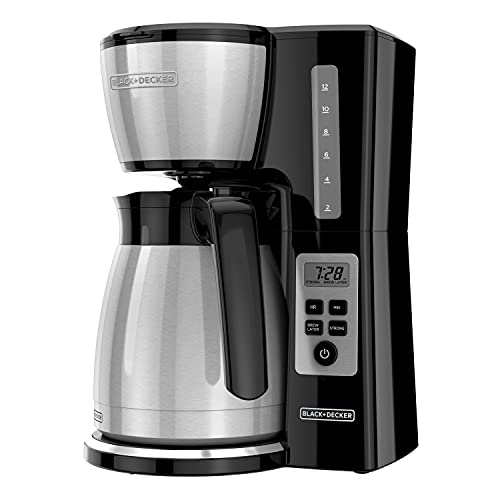
- BLACK+DECKER 12 Cup Thermal CM2046: the value pick, with a 24 hour timer, strength button and a thermal carafe instead of a hot plate.
- Cuisinart Automatic Grind and Brew DGB-400: the simpler workflow for whole bean buyers, grinding and brewing in one programmed cycle.
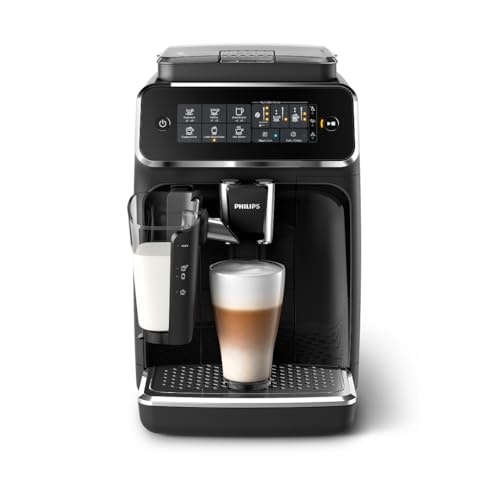
- Philips 3200 Series LatteGo EP3241/54: the alternative routine, a fully automatic espresso machine for espresso, americano, cappuccino and latte macchiato at one touch.
- Braun BrewSense 12-Cup: the pick for added control, with a 24 hour timer, two brew styles and descaling alerts set to your water hardness.
The principal trade-off is automation against cleanup: the more a machine does for you, the more parts it has to rinse. Full details follow in the recommended options below.
Compare the Qualifying Options
Drip brewer "cups" are about 5 oz, so a 12 cup carafe fills roughly five 12 oz mugs. Prices are rounded; see the product table above for current prices and the listings for exact dimensions.
| Model | Role | What is automated | Serving capacity | Defining feature | Main limitation | Price |
|---|---|---|---|---|---|---|
| Cuisinart DCC-1200P1 | Main pick | Timed drip brewing, auto-off | 12-cup glass carafe; 1 to 4 cup setting | Low, medium, high warming plate | Hot plate carafe | Around $100 |
| BLACK+DECKER CM2046 | Value | Timed drip brewing, heater shutoff | 12-cup thermal carafe | Thermal carafe, strength button | Carafe keeps heat about 2 hours | Around $60 |
| Cuisinart DGB-400 | Simpler workflow | Grinding plus timed brewing | 12-cup glass carafe; 1 to 4 cup setting | Built-in grinder with grind-off option | Blade grinder, more to clean | Around $120 |
| Philips 3200 LatteGo | Alternate routine | Grinding, espresso brewing, milk frothing | One or two drinks at a time | 5 drinks, two-part LatteGo milk system | Higher price, espresso format | Around $500 |
| Braun BrewSense | Added control | Timed drip brewing, descaling alerts | 12 cups | Descaling set to water hardness, 2 brew styles | Hot plate carafe | Around $130 |
How We Selected the Shortlist
Each machine had to automate at least one real step (timed brewing, grinding, or full bean-to-cup preparation), be sold new on Amazon US and run on a standard outlet. We skipped refurbished listings, commercial brewers and machines whose automation was limited to an on and off switch. We kept one variant per model.
We then compared what each machine handles on its own, what the owner still has to do, and what the listing includes, such as permanent filters or water filters. Buyer feedback was read in aggregate for recurring notes on reliability and cleanup. Three questions shaped every pick: what is automated, which coffee format and serving size it suits, and how much daily work remains. This is research based: the shortlist rests on published specs, listing details and owner feedback, and we did not brew with these machines ourselves.
Recommended Options
Cuisinart DCC-1200P1 Brew Central: Best fit for the main use case
For most people searching for an automatic coffee maker, the goal is coffee that is ready when they walk into the kitchen. The Brew Central does that with 24 hour programmability, then handles the end of the cycle too, with auto-off that you can set anywhere from 0 to 4 hours.
Two features make the automation useful rather than a gimmick. The 1 to 4 cup setting adjusts brewing for small batches, so a half pot does not come out weak, and the warming plate has low, medium and high settings, so coffee stays hot without scorching. A permanent gold-tone filter and a built-in charcoal water filter come in the box, along with a measuring scoop.
The limitation is the glass carafe on a hot plate: even with adjustable warming, coffee held for a long time loses flavor. Skip it if you brew once and drink over several hours, where a thermal carafe is better. At around $100, it is a solid daily driver for households that drink most of the pot within an hour.
BLACK+DECKER 12 Cup Thermal CM2046: Best value within the stated scope
The CM2046 brings timed brewing and a thermal carafe to around $60. You program the 24 hour auto brew at night, and when brewing ends, heating stops automatically because there is no warming plate to keep on. The display stays lit to show the time and how fresh the pot is.
Two features suit a set-and-forget morning. The double-walled, 4-layer vacuum sealed carafe keeps coffee hot for up to two hours, and BLACK+DECKER suggests preheating it with hot water for best results. A Strong button slows the brew for a richer cup, and the Vortex showerhead is designed to wet the grounds evenly. The no-drip pour spout helps when you are half awake.
The concrete limitation is heat retention: up to two hours is shorter than premium thermal carafes, so a pot brewed at 6 a.m. will be lukewarm by mid morning. Skip it if you sip slowly until noon. You will need paper filters and fresh grounds.
Cuisinart Automatic Grind and Brew DGB-400: Best for a simpler workflow
If you buy whole beans, the DGB-400 removes the separate grinding step. Its built-in blade grinder grinds beans right before brewing, then the machine brews into a 12-cup glass carafe, so you can load beans and water at night and program the cycle for the morning.
It is flexible about coffee. A grind-off option lets you use pre-ground coffee when you have it, and a 1 to 4 cup setting handles small batches. Brew Pause lets you pour a cup before the cycle finishes, and the box includes a permanent gold-tone filter and a charcoal water filter, so there are fewer supplies to buy.
The limitation is the grinder type. A blade grinder chops rather than mills, so grind size is less even than with a burr grinder, and the grinder area needs regular cleaning to clear oils and fines. Skip it if you are particular about grind consistency. At around $120, it suits whole bean buyers who value one appliance over perfect control.
Philips 3200 Series LatteGo EP3241/54: Best for an alternative serving routine
For many shoppers, an automatic coffee machine means bean-to-cup espresso, and the Philips 3200 LatteGo is a clear example. It grinds with a ceramic grinder, brews and froths milk on its own, and offers five drinks from the touch display: espresso, coffee, americano, cappuccino and latte macchiato.
Two features keep the automation low maintenance. The LatteGo milk system has two parts and no tubes, and Philips says it rinses clean in as little as 15 seconds under the tap or in the dishwasher. The AquaClean filter, changed when the machine prompts you, means you do not need to descale for up to 5,000 cups, according to the maker.
The limitation is format and price: at around $500 it costs several times more than a drip brewer, makes one or two drinks at a time, and its coffee option is an espresso machine's take on a long coffee rather than a carafe of drip. Skip it if you mostly pour big mugs for a crowd. For more machines of this type, see our roundup of the best coffee makers.
Braun BrewSense 12-Cup: Best for added control or convenience
The Braun BrewSense automates the timer like the other drip picks, then adds more control over maintenance. Its smart cleaning features can be customized to your local water hardness, so descaling alerts arrive when your water actually calls for them rather than on a fixed schedule.
Daily use is tidy. The listing names two brew styles and a 24 hour timer, a smaller footprint with a lower profile, an easy-access front control panel and integrated cord storage. A gold-tone filter lets coffee oils through, a charcoal filter treats the brewing water, and pause-and-pour lets you grab a cup mid brew with little dripping.
The limitation is the carafe: like most glass carafe brewers it sits on a warming plate, so long holding times dull the flavor. Skip it if you want a thermal carafe or the lowest price. At around $130, it suits people who want the timer plus fewer surprises about maintenance.
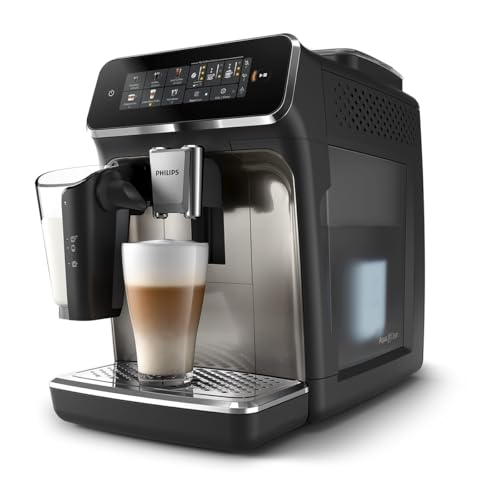
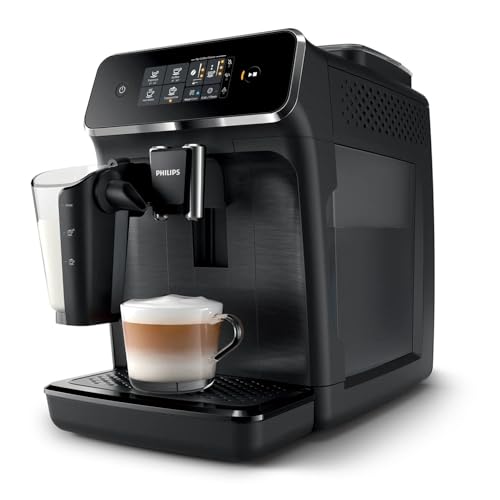
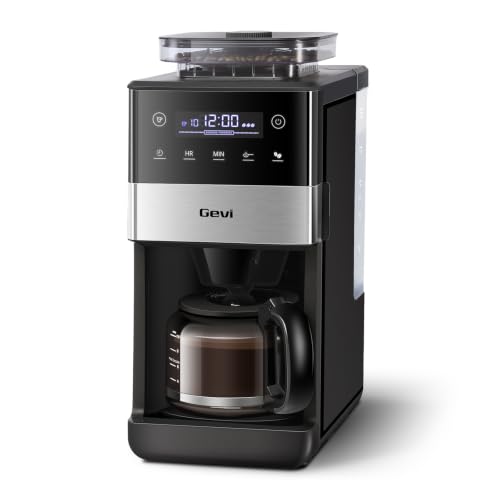
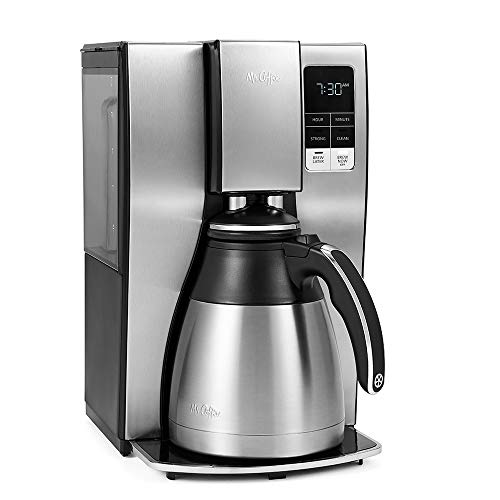
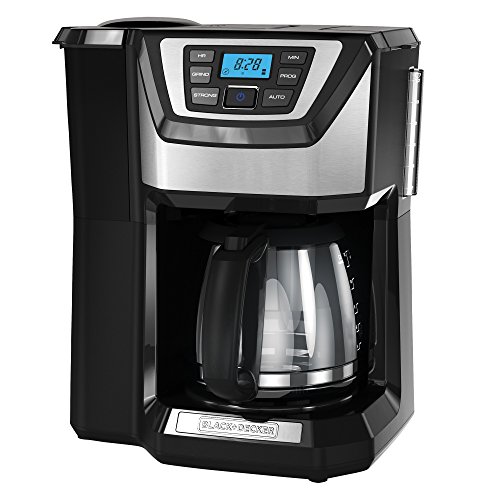
The product table also includes the Philips 3300 and 2200 LatteGo machines, the De'Longhi Magnifica Evo with LatteCrema, a Gevi grind and brew with a burr grinder, the Ninja CM371 with delay brew and cold brew, a Mr. Coffee 10-cup thermal brewer and a BLACK+DECKER grind and brew. For a home-focused shortlist, see the best coffee maker for home.
What to Look for Before Buying
What Is Automated?
Whether you call it the best automatic coffee machine or coffee maker, separate three kinds of automation. Drip scheduling starts the brew at a set time and switches off afterward; you still add water, a filter and grounds the night before. Grind and brew machines add the grinding step, so you load beans instead of grounds. Fully automatic espresso machines grind, tamp, brew and often froth milk at one touch, but they make one or two drinks at a time.
Decide the coffee format before you rank machines. If you want a carafe of drip coffee, a fully automatic espresso machine is the wrong tool however clever it is. If you want lattes, a timed drip brewer will never get you there.
Then count what is left for you. Every machine here still needs water and coffee loaded, and every one needs periodic descaling or filter changes. Grind and brew machines add grinder cleaning, and espresso machines add emptying the grounds container and rinsing milk parts. Automation moves effort around; it does not remove it.
Coffee Format and Serving Needs
Drip brewers take ground coffee (or beans, on grind and brew models) and make a carafe. Fully automatic espresso machines take whole beans and make individual drinks. Pods are a third route, covered in our single serve guides, and are less automatic than they look since you load each pod by hand.
Match capacity to your mornings. A 12 cup carafe holds about 60 oz, enough for roughly five 12 oz mugs, and a 1 to 4 cup setting helps when only one or two people drink coffee. A fully automatic espresso machine suits one or two people making different drinks, but becomes a queue for a family.
Avoid comparing espresso and drip coffee as if they were identical. A cappuccino from the Philips and a mug from the Cuisinart are different drinks with different strengths and volumes, and neither machine replaces the other.
Daily Workflow and Cleanup
For timed drip brewers, the evening routine is fill water, add a filter and grounds, and check the timer; the morning routine is pour, then rinse the carafe and basket later. Grind and brew models add emptying and wiping the grinder area.
Fully automatic espresso machines have a different rhythm: refill beans and water, empty the drip tray and grounds container every day or two, and rinse the milk system after milk drinks. Maintenance (descaling, filter changes, brew group rinsing on models that allow it) follows the schedule in the manual.
Check controls and space. Front control panels, as on the Braun, are easier to read than buttons on top. Grind and brew machines and espresso machines are taller because of the bean hopper, so measure the space under your cabinets.
Which Option Fits Your Routine?
Your Must-Have Function
If coffee ready at wake up is the whole point, any of the timed drip picks works. If fresh grinding matters, the DGB-400 handles it. If lattes are the goal, the Philips 3200 is the automatic answer.
Your Preparation and Cleanup Tolerance
Fewer parts mean less cleaning: a timed drip brewer is the lightest load. Accept grinder or milk cleaning only if you will use those features every week.
Your Complete Budget
Add filters, coffee, descaler and, for espresso machines, water filters to the machine price. A drip brewer around $60 costs far less to own than a bean-to-cup machine.
Frequently Asked Questions
Which features matter most for this use case?
A reliable 24 hour timer, auto-off and a small batch setting matter most for an automatic drip coffee maker. For grind and brew models, the grinder type matters too, since burr grinders give more even grounds than blade grinders. For fully automatic espresso machines, look at the milk system and how easy it is to clean.
How do I choose the correct serving capacity?
Multiply the mugs your household drinks each morning by about 10 to 12 oz and compare with the carafe size in ounces. A 12 cup drip brewer holds about 60 oz. If only one or two people drink coffee, a 1 to 4 cup setting or a fully automatic machine making individual drinks avoids waste.
What extra equipment will I need?
Drip brewers need paper filters unless they include a permanent filter, plus descaler. Grind and brew machines need whole beans and a small brush for the grinder. Fully automatic espresso machines need beans, the maker's water filters and descaler or cleaning products named in the manual.
How much daily cleaning should I expect?
Expect a minute or two a day for drip brewers: discard grounds, rinse the basket and wash the carafe. Grind and brew models need the grinder area wiped regularly. Espresso machines need the grounds container and drip tray emptied and milk parts rinsed. Descaling is periodic and follows your manual and water hardness.
Final Verdict
For most homes, the Cuisinart DCC-1200P1 Brew Central is the best automatic coffee maker because it schedules the pot, handles small batches, keeps coffee warm at the level you choose and turns itself off. If you want espresso drinks rather than drip, the Philips 3200 LatteGo is the alternative, with the trade-off of a higher price and individual drinks. Decide which step you want automated, check the exact model and current price on the listing, and you will find the best automatic coffee maker for your mornings.


