
Best Super Automatic Espresso Machine: Buying Guide
Disclosure: We may earn a commission when you buy through links on this page, at no extra cost to you. As an Amazon Associate I earn from qualifying purchases. Learn more

The best super automatic espresso machine for most homes, plus value, low-effort, cold brew and app-controlled picks that grind and brew on their own.
The best super automatic espresso machine grinds whole beans, doses them, brews the shot and dumps the spent puck on its own, so a latte or an Americano is one button away instead of a ten minute ritual. This guide covers bean-to-cup machines sold new on Amazon US, from a value model with a manual steam wand to app-connected flagships, and compares them on how much work they still leave you each day.
If you already know whether you want automatic milk, start with the quick picks. If you are still weighing a fully automatic coffee machine against a semi-automatic espresso setup, the buying section explains what "one touch" really includes and where cleaning time hides.


Quick Picks for Super Automatic Espresso Machine
Each pick answers a different routine, so read the list as a set of conditional recommendations rather than a single ranking.
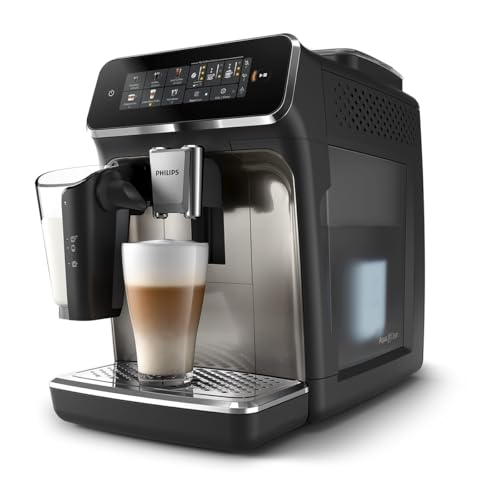
- Philips 3300 Series EP3347 LatteGo: the best fit for most homes that want one-touch espresso, coffee and milk drinks with a milk system that rinses clean in two parts.
- De'Longhi Magnifica S ECAM23120SB: the value pick if you are happy to steam milk yourself with a manual wand in exchange for a lower price.
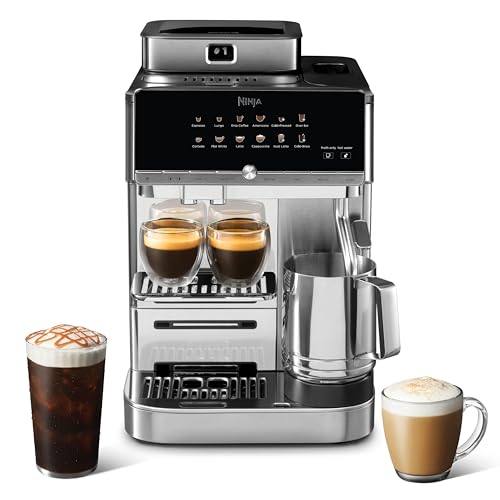
- Ninja AutoBarista Pro AE1051: the simpler workflow choice, with automatic grind calibration, auto-rinse and a self-drying interior fan.
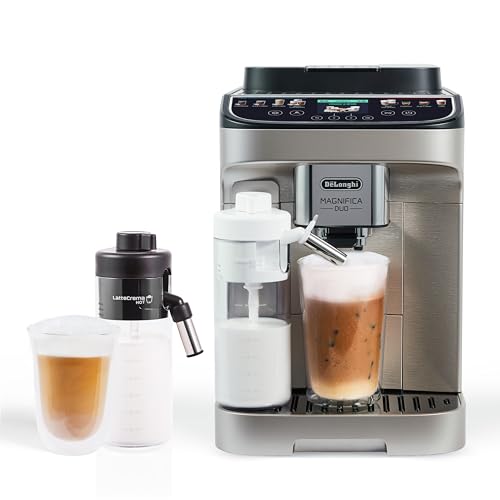
- De'Longhi Magnifica Duo: the alternative routine pick for households that switch between espresso drinks, drip-style coffee and quick cold brew.
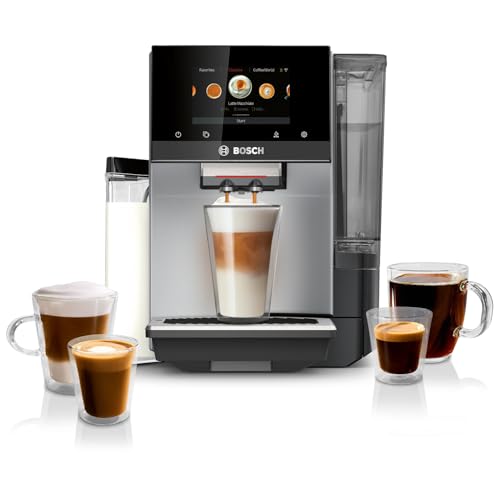
- Bosch 800 Series TQU60307: the pick for added control and convenience, with deep drink personalization and remote brewing through the Home Connect app.
The main trade-off is milk handling versus price. Automatic milk systems save time every morning but add parts to rinse, while a manual wand keeps the machine cheaper and simpler inside. Jump to the recommended options below for the details behind each pick.
Compare the Qualifying Options
Every machine here grinds, doses, brews and ejects grounds internally. Prices are rounded and change often, so confirm the live price in the product table above.
| Model | Role | Milk handling | Drink range | Defining feature | Main limitation | Price |
|---|---|---|---|---|---|---|
| Philips 3300 EP3347 | Main pick | Automatic (LatteGo, included) | 6 drinks incl. iced coffee | Two-part milk system, AquaClean filter | Fewer recipes than pricier models | Around $550 |
| De'Longhi Magnifica S ECAM23120SB | Value | Manual steam wand | Espresso, long coffee, hot water | 60 oz removable tank, burr grinder | You froth milk by hand | Around $440 |
| Ninja AutoBarista Pro AE1051 | Simpler workflow | Automatic hot or iced froth | 13 drinks incl. cold brew | Grind iQ with 50 grind settings | Newer listing, less owner history | Around $1,000 |
| De'Longhi Magnifica Duo | Alternative routine | Automatic hot and cold foam | 20 hot and iced recipes | Espresso, drip coffee and cold brew modes | Two milk systems to wash | Around $800 |
| Bosch 800 Series TQU60307 | Added control | Automatic, integrated milk container | 35+ drinks via app | Home Connect remote brewing | Highest price on the shortlist | Around $1,500 |
Water tank and footprint figures vary by listing and are not published for every model, so check the manufacturer's sheet if your counter space under cabinets is tight.
How We Selected the Shortlist
We started with one non-negotiable rule: the machine must handle grinding, dosing, brewing and spent-grounds management on its own. That ruled out semi-automatic machines with a portafilter, even the ones with built-in grinders, because they still ask you to tamp and lock in a basket by hand. Pod machines were left out for the same reason, since they skip the grinding step entirely.
From there we compared current Amazon US listings, manufacturer specifications and package contents, then read buyer feedback in aggregate for recurring praise and complaints about reliability, noise and cleaning. To find the best super automatic espresso machine for different homes, each pick was judged on three points: how complete its one-touch preparation is, which drinks and cup sizes it supports, and how much daily and weekly maintenance it adds. This is a research based shortlist built from published specs and owner feedback; no brewing trials of our own were done, and we have not invented taste scores or brew times.
Recommended Options
Philips 3300 Series EP3347 LatteGo: Best fit for the main use case
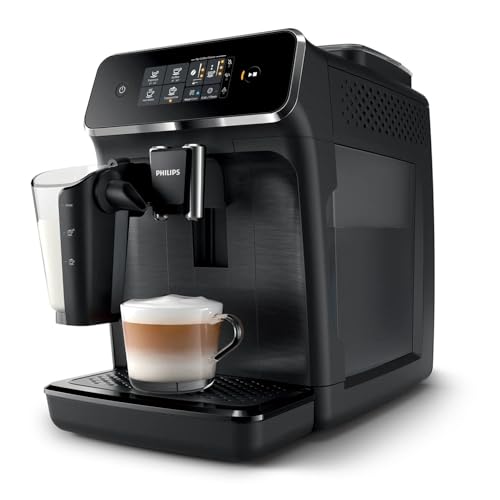
The Philips 3300 Series is the machine we would point most households toward first because it covers the core job without asking much in return. You choose from six drinks on a color touch display: espresso, coffee, iced coffee, cappuccino, latte macchiato and hot water. The 100% ceramic grinder handles the beans, and the machine doses and brews before dropping the puck into its internal container.
Two features matter most in daily use. LatteGo is a milk system with two parts and no tubes, so after a cappuccino you pull it apart and rinse it in the sink instead of running a long cleaning cycle. The AquaClean filter, changed when the machine prompts you, means you will not need to descale for up to 5,000 cups according to Philips, which cuts one of the more tedious chores.
The limitation is range. Six drinks is enough for most people, but there are no cold foam settings, no user profiles and no app. My Coffee Choice lets you adjust strength, length and froth level, which covers the basics.
Skip it if you want a long menu of specialty drinks or separate saved settings for several people. Everything you need to start is in the box apart from beans and filtered water, and the price sits at around $550.
De'Longhi Magnifica S ECAM23120SB: Best value within the stated scope
The Magnifica S is a long running super automatic that still meets the full bean-to-cup definition at a lower price than most machines with automatic milk. It uses a 15 bar pump and an integrated burr grinder, doses the coffee itself and ejects the grounds into an internal drawer. A long coffee function produces a larger, drip-style cup, and a hot water spout handles tea or hot chocolate.
Its value comes from keeping the milk side manual. The steam wand has a hot milk and cappuccino selector, so you can switch between steamed milk and froth, but you hold the pitcher and do the texturing yourself. In exchange you get a machine with fewer internal milk parts to clean. The removable 60 oz water tank with a level indicator means fewer refills on busy mornings.
The concrete limitation is speed for milk drinks. Making two lattes means steaming milk twice and wiping the wand each time, which is slower than a one-touch system. Skip it if most of your drinks contain milk and you want them hands free. If you mostly drink espresso or Americanos, it is one of the most sensible ways into the category at around $440.
Ninja AutoBarista Pro AE1051: Best for a simpler workflow
The Ninja AutoBarista Pro is aimed at people who want the machine to make the setup decisions for them. Its Grind iQ system selects from 50 grind settings automatically, so you are not left guessing which notch suits a new bag of beans. Whole beans are ground to order for every drink, and the menu covers 13 options, from espresso to cold brew and cappuccino.
The simpler workflow shows up after the drink as well. Auto-rinse runs through the brew path, the parts that need washing are removable, and a self-drying interior fan helps keep the inside fresh between uses. The milk side froths dairy or plant-based milk, hot or iced, which suits households where one person wants a hot latte and another wants an iced drink.
The limitation is history. This is a newer machine, so there is less long term owner feedback than for established Philips or De'Longhi models, and the price is high at around $1,000. Skip it if you prefer a proven design with years of buyer reports, or if you enjoy dialing in grind settings yourself. It works best for someone who values consistent drinks with minimal fiddling.
De'Longhi Magnifica Duo: Best for an alternative serving routine
The Magnifica Duo suits homes where coffee is not just espresso. It offers 20 preset hot and iced recipes built on three brewing technologies: espresso, drip coffee and cold brew. That means a mug of regular coffee for one person and an iced latte for another without a second appliance on the counter.
Two capabilities stand out. The Cold Extraction Technology makes cold brew in under three minutes, according to De'Longhi, which is far quicker than an overnight steep. LatteCrema Hot and Cool froth dairy or plant-based milk into hot milk foam or cold foam, and the milk system is removable and dishwasher safe, which helps on cleanup days. The integrated conical burr grinder keeps every drink bean-to-cup.
The limitation is upkeep across more systems. Two foam modes and three brewing styles mean more parts and more settings to learn than a six-drink machine. Skip it if you only ever drink hot espresso and cappuccino; the Philips covers that for less. At around $800 it is a good middle ground for a household with varied tastes.
Bosch 800 Series TQU60307: Best for added control or convenience
The Bosch 800 Series is for people who want to fine tune drinks and are willing to pay for it. A large touchscreen handles drink selection, and you can adjust strength, size, milk ratio and aroma. Through the Home Connect app you can start a drink from the couch and browse more than 35 beverages, far beyond what fits on the machine's own menu.
Maintenance is also more guided than on most rivals. A combined cleaning and descaling program, called Calc'n Clean, runs both jobs together, and the machine walks you through the steps. The box includes a Mavea water filter, an integrated milk container, a milk adapter and a water hardness test strip, so setup covers more than just plugging in.
The limitation is cost. At around $1,500 it is the most expensive machine here, and the app features only pay off if you actually use them. Skip it if you just want a reliable latte each morning; the Philips 3300 does that for roughly a third of the price. For a household that likes saving several personal drinks, though, the extra control is real.
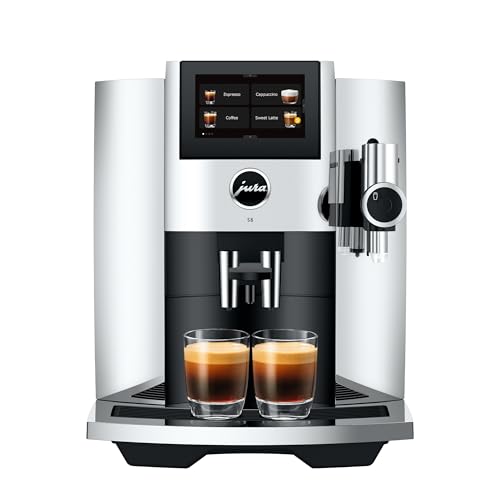
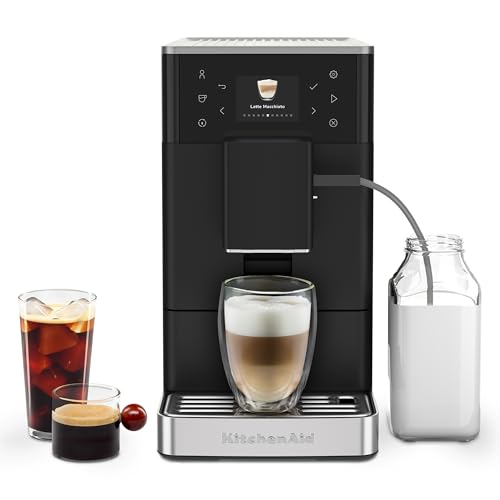
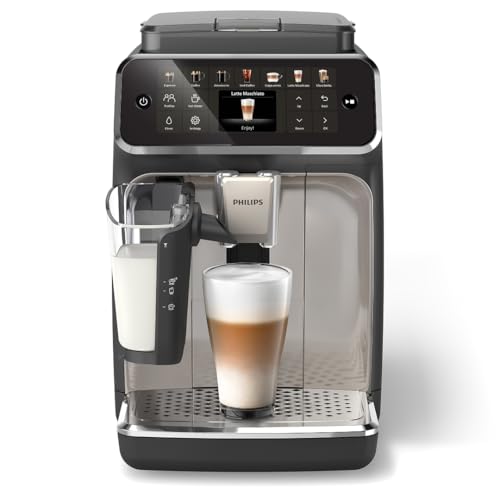
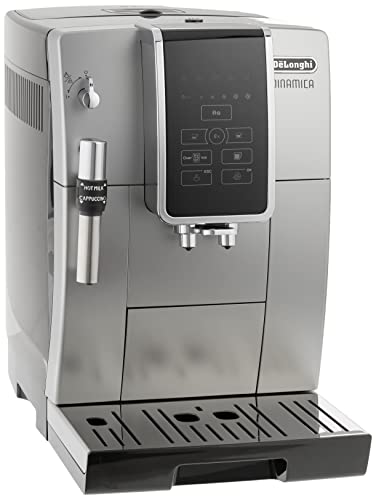
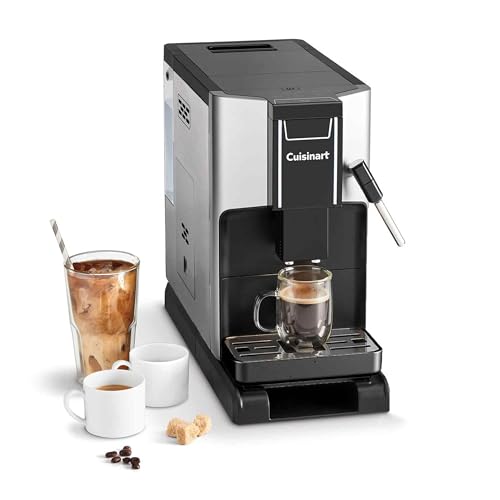
The product table also lists other credible options, including the JURA S8 for a premium build, the De'Longhi Rivelia with two milk systems, the compact KitchenAid KF3, the Philips 4400 with 12 drinks, the De'Longhi Dinamica, the Cuisinart EM-550 and the Philips 2200 as an entry point. If you are open to a semi-automatic or manual machine instead, our guide to the best espresso machine covers every type.
What to Look for Before Buying
Internal One-Touch Espresso Preparation
A true super automatic, sometimes sold as a fully automatic espresso machine or a one touch espresso machine, does four jobs inside the housing: it grinds beans, doses the grounds, brews under pressure and moves the spent puck into a waste container. If you have to lock a portafilter, tamp coffee or knock out a basket, the machine is semi-automatic, however many buttons it has. Check product photos and manuals for a bean hopper on top and a grounds drawer behind the drip tray.
Milk handling is a separate question, so label it on its own. Manual steam wands, like the one on the Magnifica S, need you to hold and move a pitcher. Automatic systems draw milk from a jug or container and froth it into the cup. Some machines, such as the KitchenAid KF3, use your own milk container or one sold separately, so read the box contents before assuming everything is included.
Also think about how many drinks you want saved. Entry machines offer a handful of buttons, while flagships add user profiles, app recipes and per-drink adjustments. More options only help if someone in the house will use them, so match the menu to how you really drink coffee rather than to the longest feature list.
Coffee Format and Serving Needs
Super automatics are built around whole beans. Many accept pre-ground coffee through a bypass chute for decaf, but the main benefit is grinding fresh for each drink. Avoid very oily dark roasts unless the manual approves them, since oily beans can clog some grinders over time.
Match cup size to your habits. A double espresso is about 2 fl oz, a cappuccino around 6 fl oz, and a mug of long coffee 8 to 12 fl oz. Machines with a drip coffee mode, like the Magnifica Duo, handle large mugs better than espresso-only machines, which create big cups by pulling a longer shot or adding hot water. Check spout height too: a tall travel mug may not fit under every machine without removing the drip tray.
Finally, do not compare espresso and drip coffee as if they were the same drink. Espresso is concentrated and brewed under pressure, while drip coffee is larger and milder. If most of your household drinks big mugs of black coffee and only one person wants lattes, a good drip brewer plus a smaller espresso machine may serve you better than one super automatic.
Daily Workflow and Cleanup
Count the steps you will repeat. Daily tasks usually include filling the water tank, topping up beans, emptying the drip tray and grounds container, and rinsing the milk system after use. Machines that rinse themselves on startup and shutdown cut some of that work, and two-part milk systems like LatteGo are quicker to wash than tube-based frothers.
Separate daily cleanup from scheduled maintenance. Most machines need periodic descaling, a brew unit rinse and, on some models, cleaning tablets for the coffee circuit. Water filters such as AquaClean or Mavea can stretch descaling intervals, but they need replacing on schedule, which is an ongoing cost. Follow the manufacturer's instructions for your exact model rather than generic routines.
Look at access, too. A removable brew unit, as on the De'Longhi Dinamica, lets you rinse it under the tap. A front-loading water tank is easier under cabinets than one that lifts out from the top. Measure the space with the bean hopper lid open, and leave room to pull the drip tray forward without moving the machine.
Which Option Fits Your Routine?
Your Must-Have Function
If one-touch milk drinks are essential, start with the Philips 3300. If you mostly drink espresso and Americanos, the Magnifica S saves money. Need cold brew and drip coffee too? Choose the Magnifica Duo.
Your Preparation and Cleanup Tolerance
If you want the machine to handle setup decisions, the Ninja AutoBarista Pro calibrates grind on its own. If you are fine rinsing a two-part milk system, Philips LatteGo machines are hard to beat for upkeep.
Your Complete Budget
Add beans, water filters, descaler and cleaning tablets to the machine price. A cheaper machine with costly filters can catch up with a pricier one over a few years.
Frequently Asked Questions
Which features matter most for this use case?
Internal grinding, automatic dosing and spent-grounds handling matter most, because they define a super automatic. After that, decide between manual and automatic milk, then look at cleaning aids such as self-rinsing and water filters. A machine with fewer drinks but easy upkeep usually serves a household better than a long menu that nobody uses.
How do I choose the correct serving capacity?
Count the drinks your household makes each morning and compare that with the water tank size and the grounds container capacity. A large tank, such as the 60 oz tank on the Magnifica S, means fewer refills. If several people drink big mugs of coffee, a machine with a drip coffee mode handles volume better than one that only stretches espresso shots.
What extra equipment will I need?
Most super automatics only need fresh beans and clean water, but check the box. Some models leave out the milk container, and many expect replacement water filters, descaling solution and cleaning tablets over time. A milk pitcher is useful for machines with a manual wand, and filtered water helps reduce scale where your tap water is hard.
How much daily cleaning should I expect?
Expect a few minutes a day: empty the drip tray and grounds drawer, rinse the milk system after milk drinks, and wipe the spouts. Weekly or monthly jobs, such as rinsing the brew unit and descaling, depend on your water hardness and the manufacturer's instructions for that model, so follow the machine's own prompts.
Final Verdict
For most households, the Philips 3300 Series EP3347 is the best super automatic espresso machine because it delivers true one-touch espresso and milk drinks with a milk system that takes seconds to rinse. If you mostly drink espresso and do not mind steaming milk by hand, the De'Longhi Magnifica S is the better value. The deciding trade-off is automatic milk versus price, so settle that first, then check the current price in the table and buy the model that fits your morning.