
Best Coffee Maker For Apartment: Buying Guide
Disclosure: We may earn a commission when you buy through links on this page, at no extra cost to you. As an Amazon Associate I earn from qualifying purchases. Learn more

The best coffee maker for apartment kitchens fits a small counter and brews just the coffee one or two people drink.
The best coffee maker for apartment kitchens takes up little counter space, brews the amount one or two people actually drink, and does not leave you washing a big carafe in a small sink every morning. This guide covers compact drip brewers, a slim pod machine, a pods-and-grounds single-serve brewer and a small espresso machine, all sold new on Amazon US.
If you already know whether you want a small pot or one cup at a time, the quick picks will get you to an answer fast. If you share the kitchen with roommates or have a tight corner under cabinets, the buying section covers space, format and cleanup in plain terms.




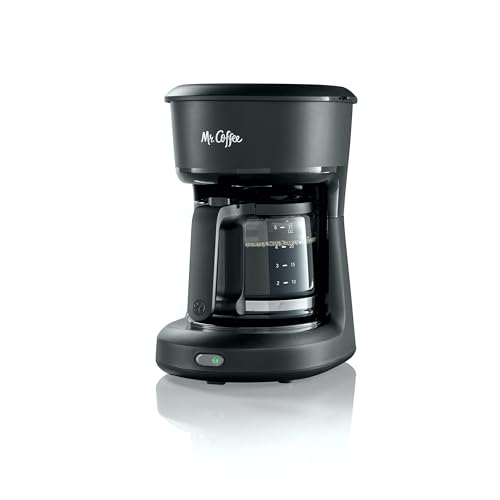
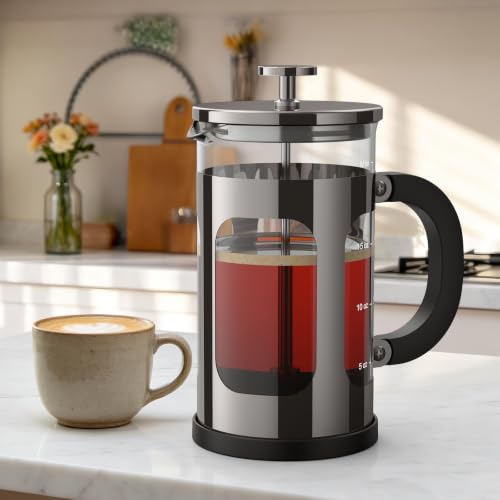

Quick Picks for Coffee Maker For Apartment
Every pick fits a small kitchen and suits a household of one to three people. Full 12-cup and 14-cup brewers are left out on purpose, since they waste coffee and counter space for most apartment routines.
- Cuisinart 5-Cup Coffee Maker (DCC-5570): the best fit for a couple who drinks a small pot each morning and wants a removable reservoir.
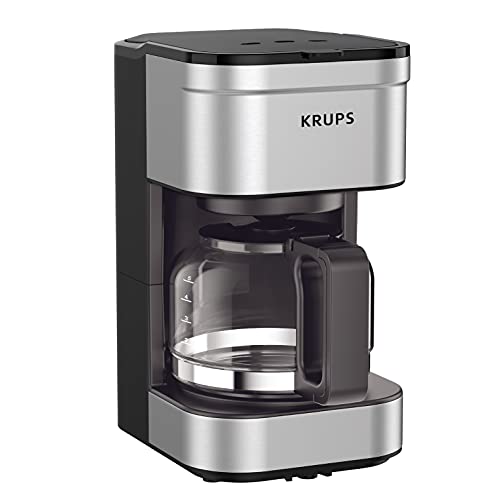
- KRUPS Simply Brew 5-Cup: the value pick, with Pause and Brew, a 30-minute keep warm and a reusable filter for around $35.
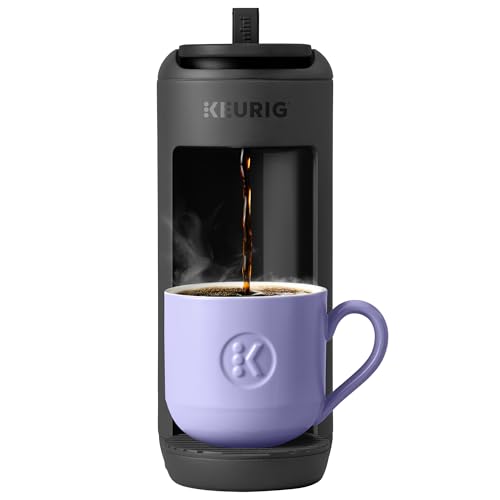
- Keurig K-Mini Mate: the simplest workflow, just 4 inches wide, for one cup of up to 12 oz at a time.
- Ninja Pods and Grounds (PB041ST): the alternative routine pick for single cups, travel mugs and iced coffee from either pods or grounds.
- CASABREWS CM5418: the choice for added control, a compact espresso machine with a steam wand for lattes at home.
The core trade-off is cost per cup versus convenience. Small drip brewers are the cheapest to run, pod machines are the quickest, and an espresso machine gives you café drinks but adds more steps.
Compare the Qualifying Options
Manufacturer "cups" are often 5 oz, so a 5-cup brewer makes about 25 oz, roughly two 12 oz mugs. Prices are rounded; the product table above shows the current price.
| Model | Role | Coffee format | Capacity | Defining feature | Main limitation | Price |
|---|---|---|---|---|---|---|
| Cuisinart DCC-5570 | Main pick | Ground coffee | 5 cups (about 25 oz) | Removable reservoir, charcoal water filter, stainless carafe | No timer | Around $65 |
| KRUPS Simply Brew 5-Cup | Value | Ground coffee | 5 cups | Pause and Brew, reusable filter included | Glass carafe, top-fill tank only | Around $35 |
| Keurig K-Mini Mate | Simple workflow | K-Cup pods | One cup, up to 12 oz | 4 inches wide, fits a 7.25 inch travel mug | Refill water for every cup | Around $80 |
| Ninja PB041ST | Alternate routine | K-Cup pods or grounds | Pods 6 to 12 oz, grounds 6 to 24 oz; 56 oz reservoir | Classic, Rich and Over Ice styles | Larger footprint than a mini pod brewer | Around $130 |
| CASABREWS CM5418 | Added control | Ground espresso | Single or double shot; 34 oz tank | Steam wand, pressure gauge | Learning curve; needs cool-down after steaming | Around $140 |
A permanent filter comes with the KRUPS and the Cuisinart, and the Ninja includes a storage drawer for its brew basket or filter. The K-Mini Mate and the Ninja need pods unless you use grounds in the Ninja; the CASABREWS works best with a grinder that can do espresso.
How We Selected the Shortlist
We started by defining what an apartment kitchen asks of a coffee maker: a small footprint, a capacity of roughly one to five mugs, low noise and daily cleanup that fits a small sink. Machines that brew big 12 to 14 cup pots, need a plumbed water line or come only as refurbished listings were set aside.
For the remaining machines, we checked current US listings, model codes and what comes in the box, then compared manufacturer specifications such as width, reservoir size and brew sizes. Buyer feedback was read in aggregate for recurring comments about size, reliability and mess. No brewing trials were run for this guide, so the judgments rest on published specifications and owner feedback. Each role answers three questions: how well the machine fits apartment space and shared living, which coffee format and serving size it handles, and how much daily work and cleanup it adds.
Recommended Options
Cuisinart 5-Cup Coffee Maker: Best fit for the main use case
The Cuisinart DCC-5570 suits the most common apartment routine: one or two people who want a small pot of drip coffee each morning without a big machine. Its compact design takes up less counter space than a full-size brewer, and the 5-cup capacity (about 25 oz, since Cuisinart counts a cup as roughly 5 oz) fills two mugs with a little left over.
Two features make it practical in a small kitchen. The water reservoir is removable, so you can fill it at the bathroom sink if the kitchen faucet is crowded with dishes, and the included charcoal water filter helps with tap water taste. Brew Pause lets you pour a cup before brewing finishes, and the 30-minute keep warm feature keeps refills hot.
The limitation is that there is no programmable timer, so you will press start each morning. Skip it if you want coffee ready when your alarm goes off; the Mr. Coffee 5-Cup Programmable in the table adds that feature. The permanent-style nylon filter means you can skip paper filters, though some people still prefer paper for cleanup.
KRUPS Simply Brew 5-Cup: Best value within the stated scope
The KRUPS Simply Brew Compact is the budget answer for a first apartment or a studio. It brews up to 5 cups, which KRUPS describes as the right amount for one or two people, and costs around $35.
Two features earn it a place. Pause and Brew stops the flow when you lift the carafe, so you can pour your first cup while the rest brews. The keep warm function holds coffee warm for up to 30 minutes after brewing. A permanent reusable filter is included, so there is no need to buy paper filters, and both the glass carafe and the filter are dishwasher safe.
The concrete limitation is simplicity: a single on and off button, no timer and no strength control. The water tank fills from the top, so check the clearance under your cabinets. Skip it if you want programmable brewing or a stainless carafe that will survive a crowded drying rack. For a dependable small pot at the lowest cost, though, it covers the basics.
Keurig K-Mini Mate: Best for a simpler workflow
The Keurig K-Mini Mate is for people who drink one cup at a time and want nothing on the counter beyond a slim machine. At 4 inches wide, it fits beside a toaster or on a narrow shelf, and Keurig markets it for small kitchens, dorms and offices.
The workflow is as short as it gets. You add water for one cup, up to 12 oz, drop in a K-Cup pod and brew. It fits travel mugs up to 7.25 inches tall, so you can brew straight into a to-go cup on the way out the door, and there is no carafe or filter basket to wash.
The limitation is the one-cup reservoir: you refill it for every cup, which is fine for one person and tedious for two or three. Pods also cost more per cup than ground coffee. Skip it if your household drinks several cups each morning, or if you would rather choose your own grind. A reusable K-Cup filter can cut pod costs, at the price of a little more cleanup.
Ninja Pods and Grounds PB041ST: Best for an alternative serving routine
The Ninja PB041ST suits roommates or couples with different habits: one wants a quick pod coffee, the other prefers ground coffee in a travel mug. It brews a single serving from either K-Cup compatible pods or grounds in one small footprint.
Two features make it flexible. Pod brews come in 6, 8, 10 or 12 oz, while grounds brews go from 6 up to 24 oz, enough for a large travel tumbler. Three brew styles, Classic, Rich and Over Ice, let you make iced coffee that is not watered down. The removable 56 oz reservoir holds several cups between refills.
The limitation is size compared with a mini pod brewer: it is still compact, but it takes more room than the K-Mini Mate. It also has more settings to learn. Skip it if you only ever use pods or only ever brew a pot. The built-in storage drawer keeps the brew basket or permanent filter tidy when not in use, which helps in a small kitchen.
CASABREWS CM5418: Best for added control or convenience
The CASABREWS CM5418 is for apartment dwellers who would rather make lattes at home than buy them, and who have room for a compact espresso machine. It pulls single or double shots with a 20 bar pump and a 1350 W boiler, according to the listing, and a built-in pressure gauge shows what is happening during extraction.
The steam wand is the reason to choose it over a pod brewer: you can texture milk for lattes and cappuccinos yourself. The 34 oz water tank detaches for refilling, and the small body suits a narrow counter. That combination gives far more control over the drink than any drip or pod machine here.
The limitation is the learning curve and the extra steps. You need finely ground coffee, ideally from a grinder suited to espresso, and CASABREWS notes the machine must cool down after frothing before you brew again, or it enters overheating protection. Skip it if you want coffee with one button and no cleanup. Expect to wipe the steam wand and knock out the puck after each drink.
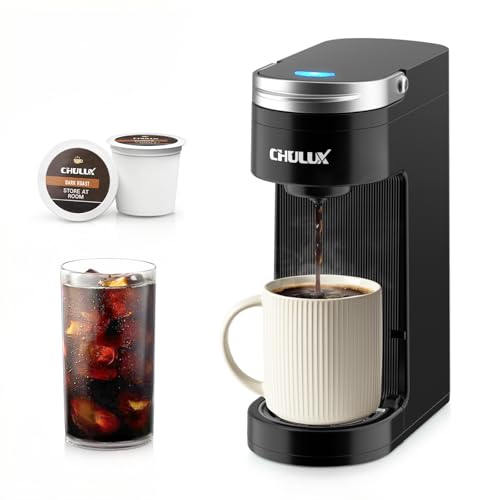
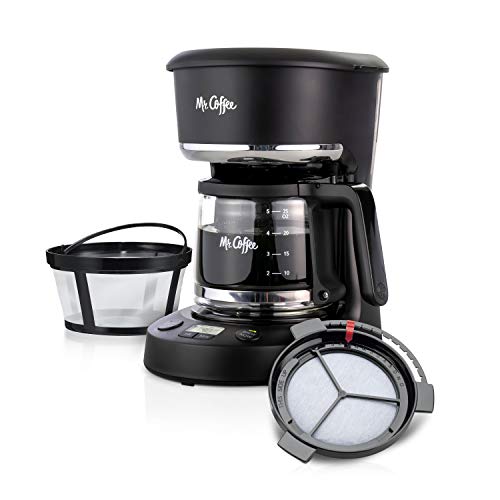
The product table adds more small machines: the CHULUX Slim pod brewer, the Mr. Coffee 5-Cup Programmable with a brew-later timer, the Holstein Housewares 5-Cup, the Mr. Coffee 5-Cup Mini Brew Switch, a Veken French press and the Elite Gourmet single-serve. For larger kitchens, see our broader list of the best coffee makers.
What to Look for Before Buying
Apartment Space and Shared Living
The best coffee maker for apartment use is the one that fits the space you actually have, so start by measuring the spot where the machine will live, including the height under your upper cabinets. Many small brewers fill from the top, so you need a few inches of clearance to open the lid or lift out the reservoir. A removable tank is a real advantage when the faucet is hard to reach.
Width matters more than people expect. A 4 inch wide pod brewer can sit at the edge of a counter, while a drip brewer with a carafe usually needs noticeably more room. Check the listing dimensions against your space, and remember the cord: an outlet shared with a kettle and toaster can become crowded.
Shared living adds another layer. If roommates drink coffee at different times, a single-serve brewer avoids a half-full pot sitting on a warming plate. If one person wakes early, a quieter drip brewer or a pod machine is kinder than an espresso machine with a grinder and steam wand. Agree on who buys pods, filters and descaler before the first cup.
Coffee Format and Serving Needs
Choose the coffee format first, because it decides your running cost. Ground coffee in a small drip brewer is the cheapest per cup. Pods trade cost for speed and tidiness. Espresso gives you café drinks but needs a grinder or pre-ground espresso and more cleanup.
Next, translate cup ratings into mugs. A 5-cup drip maker using 5 oz cups brews about 25 oz, which is two generous mugs. Single-serve machines list brew sizes in ounces, so check that the largest size fills your favorite mug or travel tumbler.
Avoid comparing espresso with drip output as if they were the same drink. A double espresso is about 2 oz of concentrated coffee, while a drip mug is 10 to 12 oz of milder coffee. If lattes are your daily drink, the CASABREWS fits; if you want a mug of coffee, a drip or pod brewer is simpler.
Daily Workflow and Cleanup
In a small kitchen, cleanup is often the deciding factor. Drip brewers need the filter emptied and the carafe rinsed; pod brewers need only the pod tossed; espresso machines need the puck knocked out, the portafilter rinsed and the steam wand wiped.
Dishwasher-safe parts help if you have a dishwasher; if not, a small carafe and a single basket are easier to wash by hand than a large pot. Permanent filters save money on paper but need rinsing every time.
Then plan for periodic care. Every machine here needs descaling on the schedule in its manual, more often with hard water. A water filter, like the charcoal filter on the Cuisinart, can help with taste but does not replace descaling.
Which Option Fits Your Routine?
Your Must-Have Function
For a small pot every morning, choose the Cuisinart DCC-5570 or the KRUPS. For one cup at a time in the smallest space, the K-Mini Mate. For pods and grounds plus iced coffee, the Ninja PB041ST.
Your Preparation and Cleanup Tolerance
Minimal cleanup points to a pod brewer. If you are fine rinsing a basket and carafe, a small drip machine is cheaper to run. Espresso suits only people who enjoy the process.
Your Complete Budget
Add a year of coffee, filters or pods and descaler to the machine price. An espresso machine may also need a grinder, a milk pitcher and a tamper upgrade.
Frequently Asked Questions
Which features matter most for this use case?
A small footprint, a capacity matched to one or two people and easy filling matter most in an apartment. A removable reservoir or a front-access design helps under low cabinets. After that, choose convenience features you will use daily, such as Brew Pause, a keep warm setting or a travel mug clearance.
How do I choose the correct serving capacity?
Count the mugs your household drinks each morning and multiply by about 10 to 12 oz. One person drinking one mug suits a single-serve brewer. Two people drinking a mug each suits a 5-cup drip maker. If you often have guests, a single-serve machine with a 24 oz grounds setting can stretch further.
What extra equipment will I need?
Drip brewers need paper filters or the included permanent filter, plus descaling solution. Pod brewers need pods or a reusable pod filter. An espresso machine like the CASABREWS works best with a burr grinder that can grind fine enough for espresso, a milk pitcher and a knock box or small bin for spent pucks.
How much daily cleaning should I expect?
Expect one to two minutes a day for drip and pod brewers: empty the filter or pod, rinse the carafe and wipe drips. Espresso machines take a few more minutes, including purging and wiping the steam wand. Descaling is a separate periodic job, so follow the interval your manual gives for your water.
Final Verdict
For most small households, the Cuisinart DCC-5570 is the best coffee maker for apartment living: compact, simple, with a removable reservoir and enough coffee for two mugs. If you drink one cup at a time and space is very tight, the Keurig K-Mini Mate is the easier alternative, as long as the pod cost suits you. The deciding question is pot or cup, so answer that, check today's price in the table, and choose the model that fits your counter. For family-sized kitchens, our guide to the best coffee maker for home covers larger brewers.


