
Best Coffee Machine For Office: Buying Guide
Disclosure: We may earn a commission when you buy through links on this page, at no extra cost to you. As an Amazon Associate I earn from qualifying purchases. Learn more

Match the best coffee machine for office use to your team size: commercial pod brewers, fast drip, pourover with two warmers or an urn.
The best coffee machine for office use is the one that keeps up with your busiest fifteen minutes without turning one coworker into the full-time barista. For most small teams that means a commercial-rated pod brewer or a fast drip machine with a hot water tank, while meeting-heavy workplaces often need an urn or a pourover brewer with extra warmers.
This guide covers single cup machines, speed drip brewers, a pourover commercial unit and an urn, all sold new on Amazon US. Start with the quick picks if you know your headcount, or jump to the buying section to work out capacity, coffee format and who handles the cleaning.





Quick Picks for Coffee Machine For Office
Each pick answers a different office question, so match the role to how your team actually drinks coffee rather than reading this as a straight ranking.
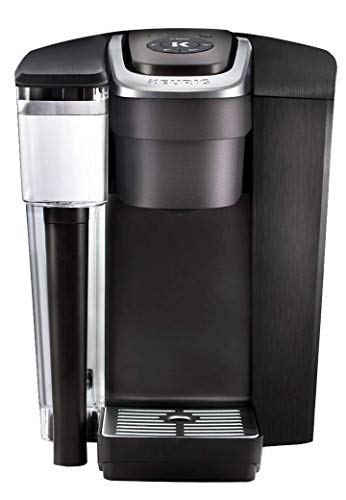
- Keurig K155 Office Pro: the best fit for a shared office where people want one cup at a time, with a 90 oz reservoir, four brew sizes and a touchscreen.
- BUNN BX Speed Brew Classic: the value pick for teams that drink pots of drip coffee and hate waiting, since it keeps water hot in an internal tank.
- Keurig K-1500: the simpler workflow for a small business of up to about 15 people, with a 96 oz reservoir and a STRONG button.
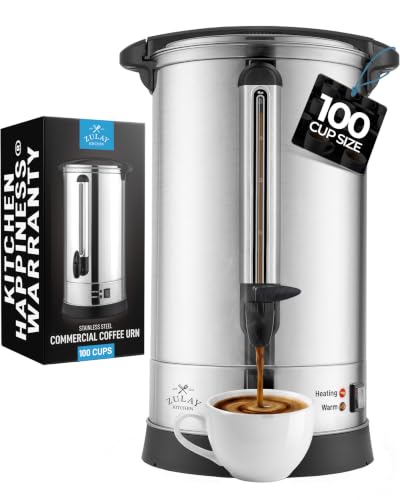
- Zulay Kitchen 50 Cup Coffee Urn: the alternative serving routine for all-hands meetings, training days and client events.
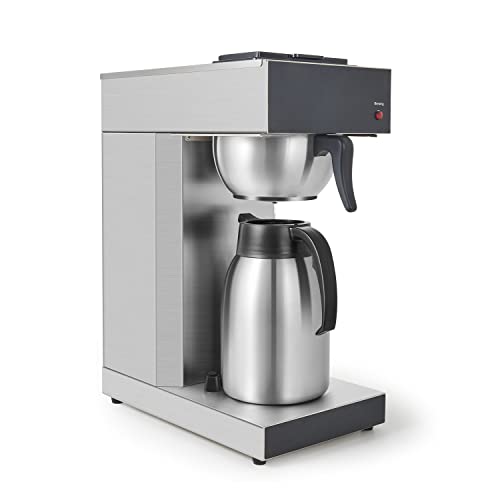
- SYBO SF-CB-2GA 12-Cup Commercial Pour Over: the convenience pick for offices that need a fresh pot brewing while a second one stays warm.
The main trade-off is speed per person versus cost per cup. Pod machines are fast and tidy but cost more per serving, while drip and pourover brewers are cheaper to run and need someone to manage the pots.
Compare the Qualifying Options
Prices are rounded and change often, so confirm the live price in the product table above. Manufacturer "cups" are usually about 5 oz, not full mugs, so the capacity column uses ounces where the listing gives them.
| Model | Role | Format | Capacity | Defining feature | Main limitation | Price |
|---|---|---|---|---|---|---|
| Keurig K155 Office Pro | Main pick | K-Cup pods | 90 oz reservoir, 4 to 10 oz cups | Touchscreen, adjustable brew temperature, drain for storage | Pod cost per cup; 10 oz maximum size | Around $340 |
| BUNN BX Speed Brew Classic | Value | Ground coffee | 10-cup carafe (about 50 oz) | Hot water tank brews a carafe in about 4 minutes | Tank stays hot and draws power when on | Around $130 |
| Keurig K-1500 | Simple workflow | K-Cup pods | 96 oz reservoir, 6 to 12 oz cups | Quiet Brew, STRONG button | Manual refills; pod waste | Around $215 |
| Zulay Kitchen 50 Cup Urn | Meetings and events | Ground coffee (percolator) | Up to 50 cups of 5 oz | Double-wall stainless body, keep warm mode | Slow to brew a full batch; bulky | Around $130 |
| SYBO SF-CB-2GA | Added convenience | Ground coffee (pourover) | 12 cups per brew, 2 carafes | Two warmers, ETL listed | Glass pots on hot plates; manual water pour | Around $290 |
Only the Keurig models include a reusable water reservoir you lift out; the BUNN and SYBO brewers are filled from the top with a pitcher. Filters, pods and carafes beyond those listed in each package are optional extras.
How We Selected the Shortlist
To find the best coffee machine for office kitchens, we applied the workplace constraint first. Every machine here needed to serve several people a day from shared counter space, run on a standard 120V outlet, and be sold new on Amazon US. Home brewers that only make one small pot, refurbished listings and machines that need a plumber were set aside unless the plumbed feature was the point.
Next, we compared current US listings and package contents, including reservoir size, cup sizes, warmers and any stated certification. We read buyer feedback in aggregate to see which complaints came up repeatedly, such as slow brewing, leaks or awkward refills. The three questions behind each pick were shared-use capacity and responsibility, coffee format and serving needs, and the daily workflow and cleanup load on whoever looks after the kitchen.
This is a research-based shortlist. The judgments come from published specifications and owner feedback, not from brewing trials of our own, and we have left out any performance claims we could not attribute to the listing.
Recommended Options
Keurig K155 Office Pro: Best fit for the main use case
The Keurig K155 Office Pro is built for the classic shared office: people arrive at different times, want different drinks and do not want to wait for a pot. Its 90 oz removable reservoir makes up to 18 cups before a refill, according to the listing, which covers a small team's morning without constant trips to the sink.
Two features help with shared use. The full color touchscreen lets you adjust brew temperature and program auto on and off times, so the machine can be warm when the first person walks in and power down at night. It brews 4, 6, 8 or 10 oz cups, and the drain and store function empties the internal hot water tank, which is handy if the office closes for a holiday or the machine moves.
The concrete limitation is cup size: 10 oz is the maximum, so people who fill large travel mugs will need two pods. Pods also cost more per cup than ground coffee. Skip it if your team drinks mostly full pots at set times, because a drip brewer will be cheaper to feed. A reusable filter is listed, but you will still want a steady pod supply and a shared trash or recycling plan.
BUNN BX Speed Brew Classic: Best value within the stated scope
The BUNN BX Speed Brew Classic suits offices that run on ground coffee and want a full carafe fast. Instead of heating water from cold each time, it keeps 70 oz of water hot in an internal stainless steel tank. Pour cold water in the top and the hot water is pushed through the grounds, so a 10-cup carafe is ready in about four minutes, according to BUNN.
For a shared kitchen, the drip-free carafe matters more than it sounds. Its lid and spout are shaped to pour cleanly and wick drips back into the pot, which means fewer coffee rings on the counter. The multi-stream sprayhead spreads water across the grounds, and the switch activated warmer plate keeps the carafe hot until someone turns it off.
The trade-off is that the tank stays hot while the machine is on, so it uses power around the clock unless you switch it off at night, and the first fill takes a while to heat. Skip it if nobody will own the evening switch-off or if your team prefers single cups. Budget for BUNN-size filters, which are slightly taller than standard ones.
Keurig K-1500: Best for a simpler workflow
The Keurig K-1500 is a commercial pod brewer that Keurig describes as ideal for small businesses of up to 15 employees. The workflow is about as short as office coffee gets: lift the handle, drop in a pod, pick a size and brew. There is no carafe to wash, no grounds to measure and no filter basket to empty.
Two features make it easier to share. The extra-large 96 oz reservoir has a sturdy handle for carrying to the sink and cleaning, and it brews four cup sizes from 6 to 12 oz, so a full mug works in one pass. The STRONG button gives a bolder cup for people who find standard pods weak, and Quiet Brew Technology keeps noise down in open-plan spaces.
The limitation is that refilling the reservoir is still manual, and someone has to empty the used pod container and descale it on the maker's schedule. Skip it if you have more than about 15 regular drinkers or want a plumbed water line. In that case the plumbed Keurig K-2500 listed in the product table removes the refilling step, at a much higher price.
Zulay Kitchen 50 Cup Coffee Urn: Best for an alternative serving routine
Some offices do not need coffee all day so much as a lot of coffee at once: Monday all-hands, training sessions or a client breakfast. The Zulay Kitchen 50 Cup Coffee Urn is a percolator that brews up to 50 cups of about 5 oz, at roughly one cup per minute according to the listing, then holds it hot for self-serve.
Two features suit shared events. The double-wall stainless steel body has a 304 stainless inner layer and cool-touch handles, so it is safer to move around a conference room than a single-wall urn. The heat and keep warm mode holds the coffee at serving temperature after brewing, and the same urn can serve hot water for tea.
The limitation is speed and footprint. A full batch takes close to an hour, and the urn needs its own space near an outlet. Skip it if your team drinks steadily through the day, because coffee held for hours will not taste as fresh as a new pot. Zulay states a lifetime guarantee on this model; check the terms for business use before you buy.
SYBO SF-CB-2GA 12-Cup Commercial Pour Over: Best for added control or convenience
The SYBO SF-CB-2GA is a commercial pourover brewer, the style you see in diners and break rooms. You pour a pitcher of cold water into the top, and the machine brews up to 12 cups in under 10 minutes into a glass decanter. It is meant for offices, restaurants and busy kitchens, and the listing states ETL, CE and RoHS certification for North American commercial electrical standards.
The convenience comes from two warming plates. One pot can brew while the other stays warm, so a regular and a decaf, or two pots of the same blend, can sit side by side during the morning rush. A multi-stream shower head and a flat-bottom filter basket help water reach the grounds evenly, and the drip-free carafes are designed to cut down on spills.
The limitation is that coffee sits in glass on hot plates, which flattens flavor over time, and someone must pour water in for every batch. Skip it if you want a thermal carafe or a no-pour setup. Commercial flat-bottom filters and a second decanter are worth keeping on hand.
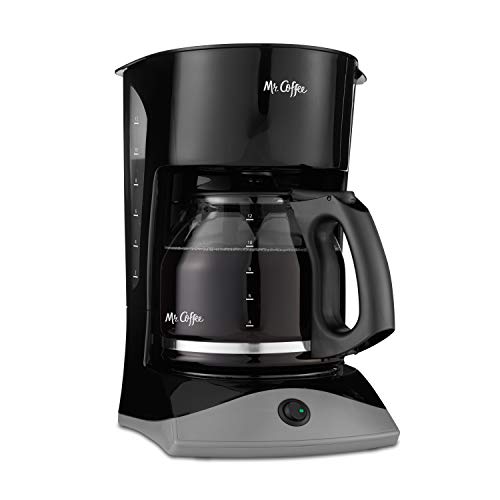
The product table also lists other credible options: the BUNN VPS pourover brewer with three warming stations for larger staffs, the plumbed Keurig K-2500, the SYBO brewer with a 74 oz thermal carafe, the BUNN BT Speed Brew thermal, a 100 cup Zulay urn, and a basic Mr. Coffee 12-cup drip machine for very small offices. If you work from home rather than a shared workplace, our guide to the best coffee maker for home fits that routine better.
What to Look for Before Buying
Shared-Use Capacity and Responsibility
Start with peak demand, not daily total. Count how many people want coffee in the busiest half hour, then ask how the machine handles a queue. A pod brewer serves one person per minute or so, which works for ten people arriving over an hour but creates a line if twenty arrive at 9:00. A speed drip brewer or a pourover with two warmers can have several mugs ready before the rush starts.
Reservoir size tells you how often someone refills, not how fast people get coffee. A 90 or 96 oz tank covers a small team's morning, while a plumbed or pourover brewer avoids the reservoir question entirely. For meetings, an urn handles volume, but it is a separate tool from your everyday brewer.
Assign responsibility before the machine arrives. Somebody needs to empty pod bins, rinse carafes, switch off warmers at night and descale on schedule. If milk or creamer lives in the office fridge, decide who checks dates.
Finally, confirm that the machine is rated for the setting. The best coffee maker for office kitchen use in a staffed workplace is often a commercial model, and many home brewers state a warranty that does not cover commercial use. A home office has more freedom here.
Coffee Format and Serving Needs
Choose the coffee format first, because it decides running costs and cleanup. Pods suit offices where tastes vary and nobody wants to measure. Ground coffee in a drip or pourover brewer costs less per cup and suits teams that agree on a house blend. Whole bean machines with grinders give fresher flavor, but they need more care than most shared kitchens will give them.
Match cup sizes to the mugs people actually use. If most staff carry 12 to 16 oz tumblers, a machine that tops out at 10 oz means two brew cycles per person. On carafe brewers, remember that a 12-cup pot is roughly 60 oz, or about five large mugs.
Do not compare espresso machines with drip brewers as if they did the same job. A super-automatic espresso machine can be a fine perk for a small, careful team, but it makes small, concentrated drinks one at a time and needs daily cleaning of the milk system. For most offices, drip or pod coffee is the practical default.
Daily Workflow and Cleanup
Count the steps someone repeats every day. A pod brewer needs reservoir refills and an empty pod bin. A drip or pourover brewer needs filters, measured grounds, water poured in, carafes rinsed and warmers switched off. An urn needs filling, a long brew and a full wash after each event.
Separate daily cleanup from maintenance. Daily tasks take a few minutes. Descaling and deeper cleaning follow the manufacturer's schedule and depend on your water, so put the interval on a shared calendar rather than relying on memory.
Check the space. Measure the counter depth and the clearance under upper cabinets with the lid or handle open, and make sure the outlet can handle the machine's draw without sharing a circuit with a microwave or kettle if your building's wiring is limited. Controls should be clear enough that a new hire can brew without a lesson.
Which Option Fits Your Routine?
Your Must-Have Function
If individual choice matters most, pick the Keurig K155 Office Pro. If speed for whole pots matters most, choose the BUNN BX. For big meetings, add the Zulay urn alongside your daily machine.
Your Preparation and Cleanup Tolerance
Teams with no volunteer barista should lean toward pods. Teams with a clear coffee owner can save money with drip or pourover. Pick only features someone will actually use every week.
Your Complete Budget
Add pods or ground coffee, filters, descaler, cups and stirrers to the machine price. Over a year, supplies usually cost more than the brewer, especially with pods.
Frequently Asked Questions
Which features matter most for this use case?
Capacity at peak time, a format your team agrees on and easy cleanup matter most for an office machine. A large reservoir or plumbed line cuts refills, while auto on and off or a clear warmer switch keeps the kitchen safe overnight. Commercial rating and warranty terms matter if the machine runs all day.
How do I choose the correct serving capacity?
Estimate the number of drinkers in your busiest half hour and multiply by their usual mug size in ounces. Compare that with how many cups the machine can deliver in that window, not just its reservoir. Pod machines serve one person at a time; carafe and pourover brewers serve several at once.
What extra equipment will I need?
Most office brewers need filters or pods, a descaling solution and a supply of cups or mugs. Pourover and BUNN brewers use specific filter sizes, so buy the right ones. A spare decanter or thermal carafe helps during busy mornings, and a reusable pod filter can lower costs.
How much daily cleaning should I expect?
Expect five to ten minutes a day: empty grounds or pods, rinse carafes and wipe the drip area. Turn off warmers when the day ends. Descaling and deep cleaning are separate tasks done on the schedule in your machine's manual.
Final Verdict
For most shared workplaces, the Keurig K155 Office Pro is the best coffee machine for office use because it lets each person brew their own cup from a large reservoir with almost no shared cleanup. If your team drinks pots of drip coffee, the BUNN BX Speed Brew Classic is the cheaper and faster alternative. The deciding question is whether your office drinks one cup at a time or several at once; answer that, check the current price in the table, and compare it with the wider list of best coffee makers if you are still unsure.


