
Best Coffee Maker For One Person: Buying Guide
Disclosure: We may earn a commission when you buy through links on this page, at no extra cost to you. As an Amazon Associate I earn from qualifying purchases. Learn more

The best coffee maker for one person brews just what you drink: single-serve pods or grounds, a two-mug timer brewer or a manual press.
The best coffee maker for one person brews exactly the amount you drink, without a half-full carafe going stale on a hot plate. For most solo coffee drinkers that means a single-serve machine that takes grounds, pods or both, a compact pot that tops out at two mugs, or a small manual brewer that rinses clean in seconds.
The quick picks below match five common solo routines. If you are still choosing between pods and grounds, skip ahead to the buying advice, which explains how serving size, refill effort and cleanup change from one format to the next.





Quick Picks for Coffee Maker For One Person
Each pick fills a different role, so read them as answers to "how do I drink coffee on a normal day?" rather than as a single ranking.
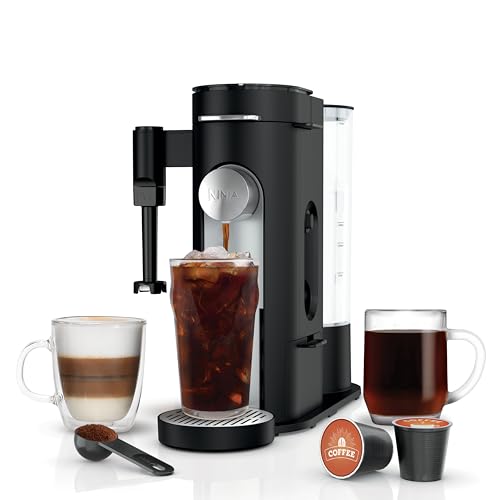
- Ninja Pods and Grounds Single-Serve: the best fit for most people living alone, since it brews pods or your own grounds from 6 to 24 oz, with iced and concentrated styles plus a fold-away frother.
- Elite Gourmet EHC114 Personal Coffee Maker: the value pick if you want one mug of fresh coffee from grounds, brewed straight into the included 14 oz travel mug.
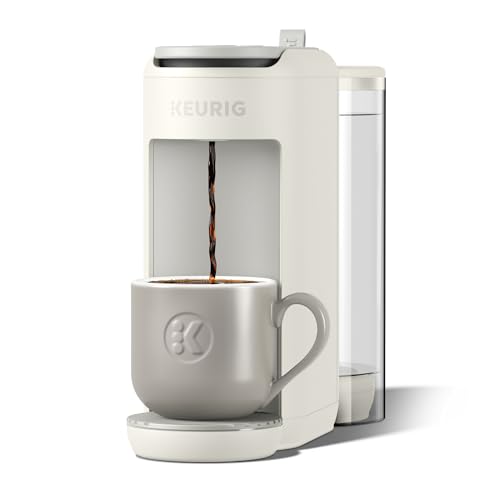
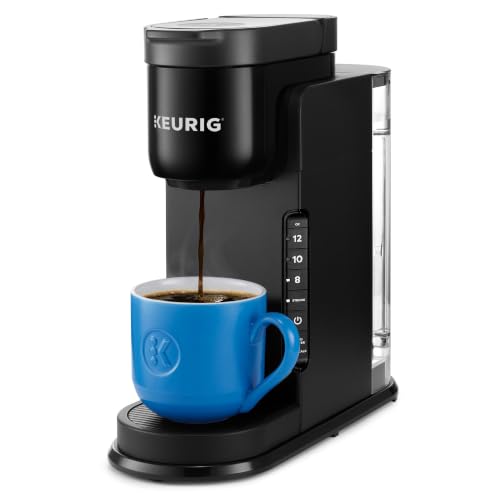
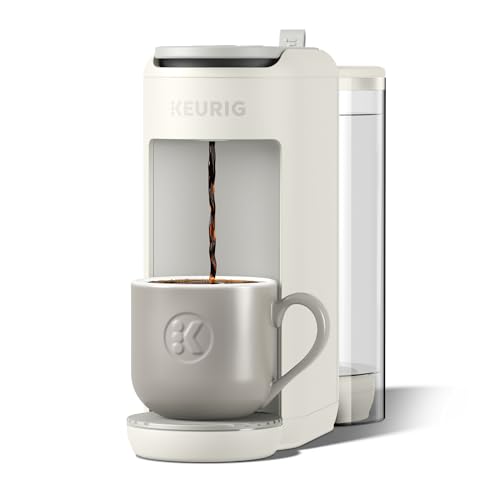
- Keurig K-Mini Mate Plus: the simplest workflow for pod users, with three cup sizes, a strong setting, brew-over-ice and a 50 oz reservoir in a body under 5 inches wide.
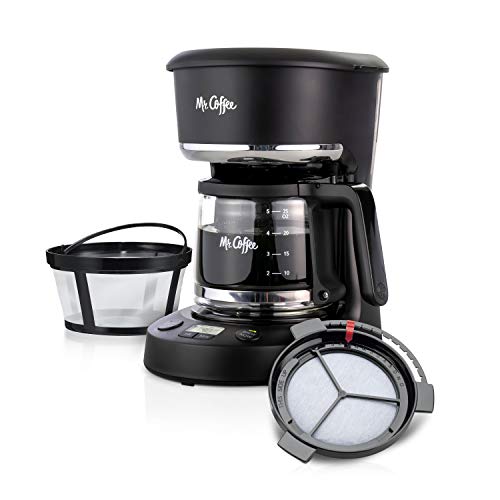
- Mr. Coffee 5-Cup Programmable: the alternative routine for people who drink two mugs in a row and want coffee waiting when they wake up.
- AeroPress Original: the pick for added control over grind, steep time and strength, in a brewer you can pack in a bag.
The main trade-off is convenience versus running cost. Pods are fast and tidy, while grounds cost less per cup and let you choose any coffee you like. Jump to the product sections below for the detail on each one.
Compare the Qualifying Options
Prices are rounded and move often, so use them as a guide and confirm the live price in the product table above. Capacities are listed in fluid ounces because manufacturer "cups" are usually smaller than a real mug.
| Model | Role | Coffee format | Serving size | Defining feature | Main limitation | Footprint | Price |
|---|---|---|---|---|---|---|---|
| Ninja Pods and Grounds Single-Serve | Main pick | K-Cup style pods or grounds | 6 to 24 oz, 56 oz reservoir | Four brew styles, fold-away frother (included) | Larger than a basic pod brewer | See listing | Around $100 |
| Elite Gourmet EHC114 | Value | Ground coffee or loose tea | Up to 14 oz | Insulated travel mug and reusable filter included | One button, no strength or size control | Compact | Around $40 |
| Keurig K-Mini Mate Plus | Simplest workflow | K-Cup pods (reusable filter sold separately) | 8, 10 or 12 oz, 50 oz reservoir | Brew-over-ice and strong brew | Pod cost adds up | Under 5 in wide | Around $110 |
| Mr. Coffee 5-Cup Programmable | Two-mug routine | Ground coffee | 25 oz carafe (two 12 oz mugs) | Brew Later timer, Auto Pause | Glass carafe on a warming plate | Compact | Around $50 |
| AeroPress Original | Added control | Ground coffee (manual) | One cup per press | Adjustable steep and press, 50 paper filters included | Needs a kettle and your attention | Very small, portable | Around $40 |
Only the Ninja includes a frother. The Keurig needs a separately sold reusable filter if you want to use your own grounds, and the AeroPress needs a kettle that you may or may not already own.
How We Selected the Shortlist
We started by removing anything that forces one person to brew a full pot: every pick makes a single mug, or a small batch that a solo drinker can finish while it is fresh. Machines also had to be sold new on Amazon US right now, run on a standard US outlet and use coffee you can buy at any grocery store.
From there we compared manufacturer specifications, current US listings and package contents, and read buyer feedback in aggregate for patterns in praise and complaints. To find the best coffee maker for one person, three questions shaped every choice: how efficiently it serves one person, which coffee formats and cup sizes it supports, and how many steps it adds to a weekday morning, including cleanup.
This is a research-based shortlist. The judgments come from published specs, listing details and owner feedback, not from brewing trials of our own, so nothing below claims a taste score or a timed brew cycle.
Recommended Options
Ninja Pods and Grounds Single-Serve: Best fit for the main use case
This Ninja machine suits a solo drinker who wants flexibility without a carafe. It takes pods through the included pod adapter or your own grounds in the removable brew basket with a permanent filter, so you can keep a box of pods for rushed mornings and a bag of good beans for weekends.
Two features carry most of the daily value. Cup sizes run from 6 to 24 oz, which covers a small mug, a tall travel mug and everything between, and the drip tray adjusts to fit travel mugs. The four brew styles (Classic, Rich, Over Ice and Specialty) let you switch from a normal hot cup to iced coffee or a concentrate for a latte, with the built-in frother folding away when you do not need it.
The limitation is size and complexity. It has more buttons than a one-touch brewer and takes more counter room than a slim pod machine. Skip it if you only ever drink one plain mug of the same coffee and want the smallest possible footprint. The 56 oz removable reservoir means fewer refills, and no extra accessories are needed to start.

Elite Gourmet EHC114: Best value within the stated scope
The Elite Gourmet EHC114 is about as direct as a personal coffee maker gets. You fill the reusable filter with grounds or loose-leaf tea, add water, press the single button and it brews up to 14 oz into the insulated travel mug that comes in the box. There are no pods, no paper filters and no carafe to wash.
That combination makes it a good match for a commuter who drinks one cup on the way out the door. The mug has a stainless steel interior and a lid, and the listing says it fits most car cup holders. At 600 watts it is also a modest draw on a shared circuit in a dorm or small apartment.
The concrete limitation is control: there is no strength setting, no size selector and no reservoir, so you measure water each time. Skip it if you like to adjust brew strength or want hot and iced options. For the price, though, it covers the basic job of one fresh cup with almost nothing to buy later.

Keurig K-Mini Mate Plus: Best for a simpler workflow
If your ideal morning is "pod in, button, done", the K-Mini Mate Plus is the most streamlined option here. It brews 8, 10 or 12 oz cups, and the 50 oz removable reservoir handles several mugs before you need to refill, which is a real step up from single-fill mini brewers.
Two settings broaden what a small pod machine can do. Strong Brew makes a bolder hot cup from the same pod, and Brew-Over-Ice adjusts the brew temperature for iced coffee so the ice melts less. At under 5 inches wide, it slides into a gap next to the toaster or onto an office shelf.
The limitation is the pod habit itself: K-Cup pods cost more per cup than grounds, and using your own coffee needs a reusable filter bought separately. Skip it if you go through three or more cups a day and watch your grocery bill, since a grounds brewer will be cheaper to run. For a light solo drinker who values speed and a clean counter, it is very easy to live with.
Mr. Coffee 5-Cup Programmable: Best for an alternative serving routine
Some people live alone but still drink two mugs every morning. For that routine, a small drip brewer like the Mr. Coffee 5-Cup makes more sense than brewing two pods. Its 25 oz carafe holds about two 12 oz cups, which is the right size for one person without leftovers.
The Brew Later feature lets you set the machine the night before and wake up to fresh coffee, and Auto Pause lets you pour the first cup mid-brew. The included reusable filter and water filtration system mean you do not need to buy paper filters, and the auto shut-off turns the machine off after two hours.
The trade-off is the glass carafe on a warming plate. Coffee held for an hour or more will taste flatter than a freshly brewed cup. Skip it if you sip one mug slowly over the whole morning or only ever drink a single cup, since a single-serve brewer wastes less. For two quick mugs at a low running cost, it is a sensible choice.

AeroPress Original: Best for added control or convenience
The AeroPress Original is a manual brewer for one person who enjoys adjusting the details. You add coffee and hot water, wait, then press, and you control the grind size, water temperature and steep time yourself. The maker describes it as a mix of French press, pour-over and espresso-style brewing in one small device.
Its daily advantages are speed and cleanup. A cup takes about two minutes, and cleaning means popping out the puck of grounds and rinsing the parts. The kit includes 50 paper micro-filters, and the brewer is compact, lightweight and shatterproof, so it travels to the office, a hotel room or a campsite with no fuss.
The limitation is that it does nothing on its own. You need a kettle, ideally a grinder, and a few minutes of attention every time. Skip it if you want coffee to be ready while you shower. For a solo coffee drinker who likes to fine-tune flavor, it offers the most control for the money.

What to Look for Before Buying
Single-Person Serving Efficiency
Start with the smallest amount the machine brews well. A 12-cup drip machine can make a half pot, but many large brewers do not handle small batches evenly, and you still have a big carafe to wash. Single-serve machines brew straight into your mug, while compact drip brewers such as a 5-cup model keep the batch to one or two mugs.
Next, think about what happens to coffee you do not drink. A warming plate keeps coffee hot but changes its flavor over time, so leftovers are rarely as good an hour later. If you regularly pour coffee down the sink, you are buying a machine that is too big for your routine.
Refill effort matters too. A reservoir of 40 to 56 oz lets one person brew for several days without touching the water tank, while a no-reservoir brewer like the Elite Gourmet means measuring water every time. Neither is wrong; it depends on whether you prefer fewer refills or fewer parts.
Finally, compare small-batch grounds options with pods honestly. Pods remove measuring and mess, and grounds cut cost and give you the full range of roasts. Machines that accept both, like the Ninja, let you mix the two depending on the day.
Coffee Format and Serving Needs
Decide which format you actually want to buy every week: K-Cup style pods, ground coffee, whole beans you grind yourself, or a manual setup. That decision removes more options than any feature list. A pod-only machine is a poor fit for someone who buys beans from a local roaster, and a manual brewer is a poor fit for someone who wants coffee with zero effort.
Then match the cup size you really drink. Many people pour 10 to 12 oz into a mug and 14 to 16 oz into a travel mug, so check that the machine's largest setting and clearance fit both. Listings often state the tallest travel mug a drip tray accepts, which is worth checking before you buy.
Avoid comparing espresso-style drinks with drip coffee as if they were the same thing. A pod machine with a concentrated or specialty setting makes a stronger base for milk drinks, but it is not a pump espresso machine. If straight espresso is your main drink, look at a dedicated espresso guide instead of this list.
Last, think about variety. If you like iced coffee in summer, a brew-over-ice setting helps. If you only drink hot black coffee, you can skip those extras and save money.
Daily Workflow and Cleanup
Count the steps from walking into the kitchen to the first sip. A pod machine is usually load, select, brew.
A grounds brewer adds scooping and emptying a filter. A manual brewer adds boiling water, timing and pressing. Each extra step is small, but on a rushed weekday morning they add up.
Separate automatic preparation from maintenance. A timer like the Mr. Coffee's Brew Later handles preparation for you, but no machine removes regular care: rinsing filters, washing the mug or carafe, wiping the drip tray and descaling on the schedule your manual recommends. Removable reservoirs and dishwasher-safe parts make that care easier.
Look at the controls and the space you have. One-button machines are easy for anyone in the house, while multi-style machines reward people who will use the extra options. Measure the counter area, including the height under cabinets, since some brewers open from the top to add water or pods.
Also check where you can place the machine near an outlet. A small brewer that has to live on a shelf away from the sink will get used less if refilling is a chore.
Which Option Fits Your Routine?
Your Must-Have Function
If you need both pods and grounds, the Ninja is the only pick that does both out of the box. If you want one mug to go, choose the Elite Gourmet. For two mugs on a timer, choose the Mr. Coffee.
Your Preparation and Cleanup Tolerance
Want minimal prep and cleanup? The Keurig K-Mini Mate Plus keeps it to a pod and a button. If you enjoy the ritual, the AeroPress rewards a few extra minutes with more control.
Your Complete Budget
Add the cost of coffee, filters and descaler to the machine price. Pods raise the cost per cup, while grounds brewers and the AeroPress cost less to run but may justify a grinder later.
Frequently Asked Questions
Which features matter most for this use case?
For one person, the most important features are a true single-serving output, a cup size that fits your mug and a format you will buy every week. After that, look for a reservoir size that suits how often you want to refill, and an easy-to-clean brew path. Extras like iced settings or a frother only matter if you will use them often.
How do I choose the correct serving capacity?
Choose a machine that brews the amount you drink in one sitting, measured in ounces rather than manufacturer cups. Most solo drinkers need 8 to 14 oz per serving, or about 25 oz if they drink two mugs back to back. A larger reservoir is useful, but a larger carafe usually leads to wasted coffee.
What extra equipment will I need?
Most single-serve and compact brewers need only coffee and water, but some need extras. Pod machines may need a reusable filter if you want to use grounds, manual brewers need a kettle, and anyone buying whole beans needs a grinder. A descaling product recommended by the manufacturer is also worth keeping on hand.
How much daily cleaning should I expect?
Expect a minute or two a day: discard the pod or grounds, rinse the filter or brew basket, and wash the mug or carafe. Empty the drip tray when it fills. Descaling is a separate, periodic job, and the right interval depends on your water hardness and the manufacturer's instructions for your model.
Final Verdict
For most solo drinkers, the Ninja Pods and Grounds Single-Serve is the best coffee maker for one person because it brews pods or grounds in any size from a small mug to a travel mug, with iced and latte options when you want them. If you simply want one cup of fresh coffee for the road at a low price, the Elite Gourmet EHC114 is the alternative. The deciding trade-off is flexibility versus simplicity, so pick the routine you already have and check the current price in the table. For bigger households, see our guide to the best coffee maker for home or our full list of the best coffee makers.


