
Best Coffee Maker With Grinder For Home: Buying Guide
Disclosure: We may earn a commission when you buy through links on this page, at no extra cost to you. As an Amazon Associate I earn from qualifying purchases. Learn more

The best coffee maker with grinder for home: timer grind-and-brew pots, a burr model with thermal carafe, one-touch espresso and single cups.
The best coffee maker with grinder for home grinds whole beans right before brewing, so you get fresher coffee without a separate grinder taking up counter space. The catch is that "with grinder" covers very different machines: drip grind-and-brew carafes, single-serve brewers and fully automatic espresso machines. This guide sorts current models sold new on Amazon US by household routine.
Use the quick picks if you already know whether you want a pot, single cups or espresso-based drinks. The buying section explains grinder types, bypass options and the cleaning a built-in grinder adds.

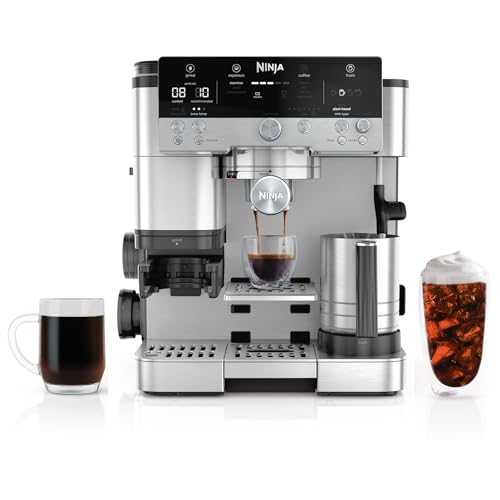
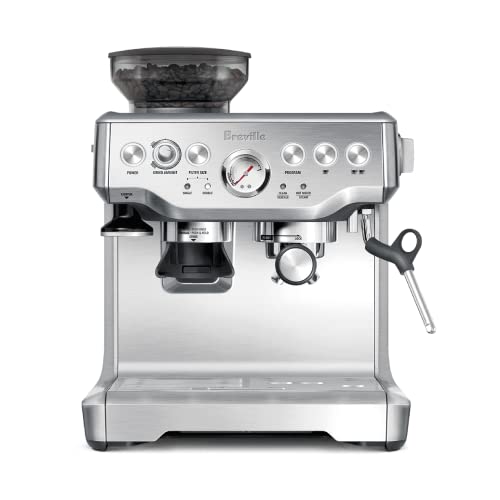

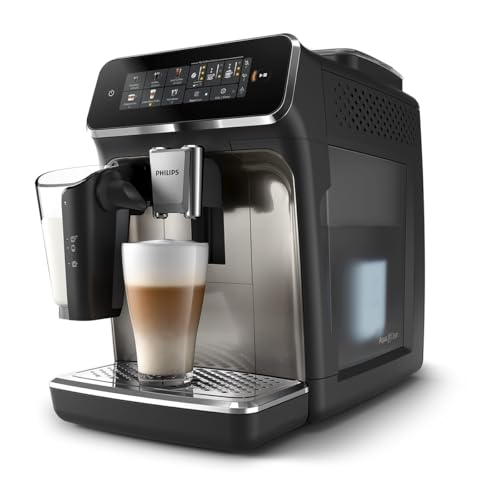
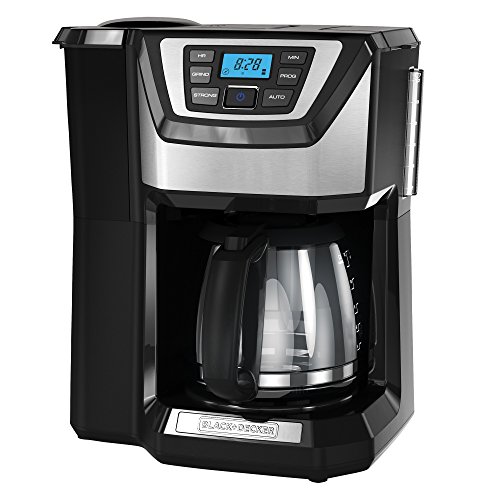
Quick Picks for Coffee Maker With Grinder For Home
Every machine here has a grinder built into the same unit; bundles with a separate grinder in the box are not counted. Choose the line that matches your mornings.
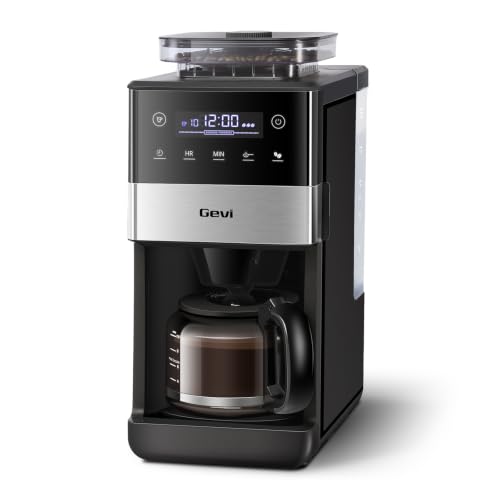
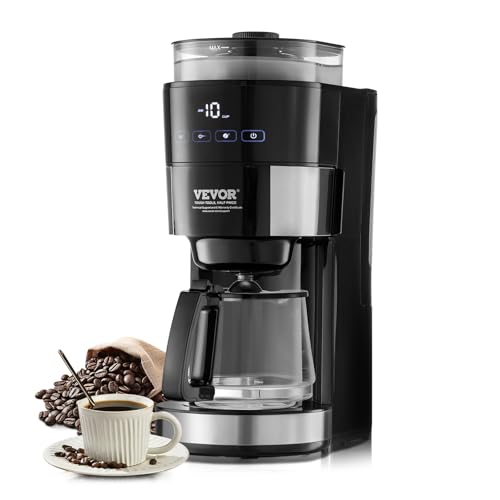
- Gevi 10-Cup Grind and Brew: the best matched workflow for a household that wants beans ground and brewed on a timer.
- Cuisinart DGB-400 Grind and Brew: the grinder value pick, with a 12-cup carafe and a grind-off option for pre-ground coffee.
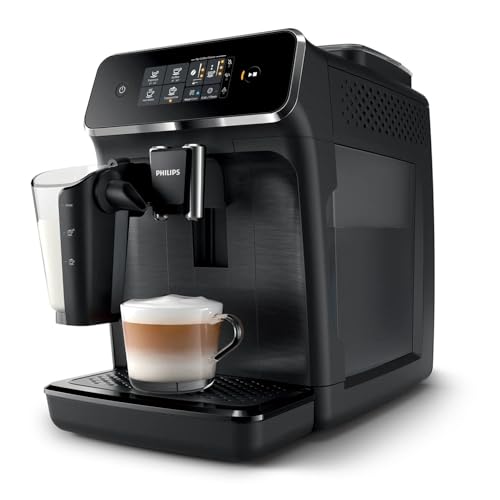
- Philips 2200 LatteGo (EP2230/14): the simplest dosing, because the machine grinds, doses and brews each drink for you.
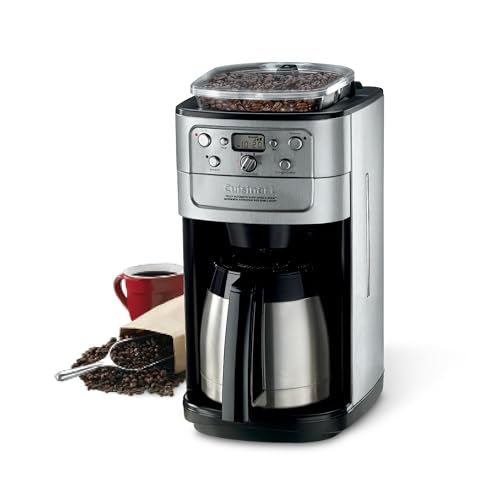
- Cuisinart DGB-950BCC Burr Grind and Brew: the pick for useful adjustment, with a burr grinder, three strength levels and a thermal carafe.
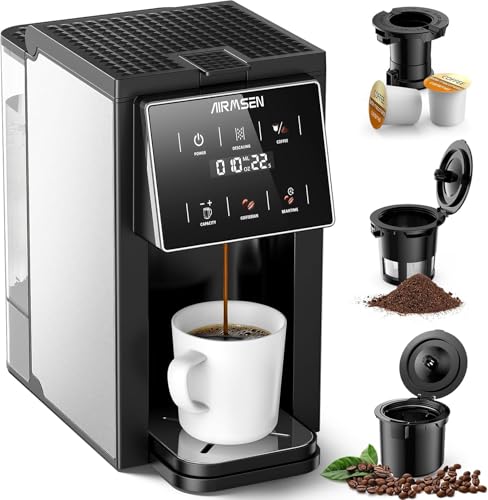
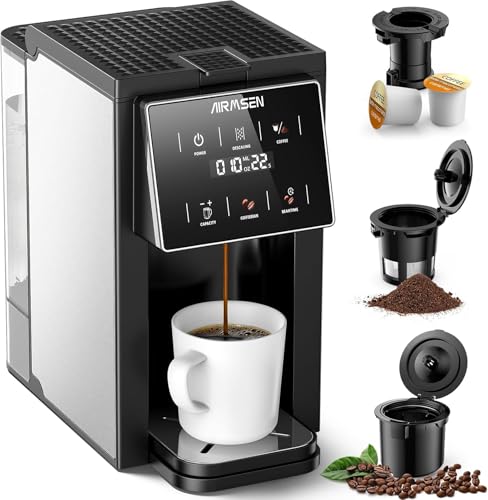
- AIRMSEN Single-Serve Grind and Brew: for single cups from beans, grounds or pods.
The principal trade-off is convenience against control and cleaning. The more the machine automates, the more internal parts need care. Details follow below.
Compare the Qualifying Options
Prices are rounded and change often; check the live price in the product table above. Manufacturer cups are smaller than mugs (often about 5 oz), so a 10-cup carafe fills roughly five 10 oz mugs. Dimensions come from the listings where given.
| Model | Role | Format | Capacity | Grinder and defining feature | Main limitation | Footprint | Price |
|---|---|---|---|---|---|---|---|
| Gevi 10-Cup Grind and Brew | Matched workflow | Beans or pre-ground | 2 to 10 cups | Grind amount by cup count, 24-hour timer | Glass carafe on warming plate | 10.7 x 7.9 x 17.8 in | Around $190 |
| Cuisinart DGB-400 | Grinder value | Beans or pre-ground | 12-cup carafe, 1 to 4 cup setting | Blade grinder, grind-off option | Blade grind is less even than burr | See listing | Around $120 |
| Philips 2200 LatteGo | Simpler dosing | Beans | Single drinks | Ceramic grinder, one-touch drinks | Three drink types only | See listing | Around $400 |
| Cuisinart DGB-950BCC | Useful adjustment | Beans | 2 to 10 cups, thermal carafe | Burr grinder, strong, medium or soft | Highest price of the drip picks | See listing | Around $400 |
| AIRMSEN Single-Serve | Single cups | Beans, grounds or pods | 6 to 14 oz, 50 oz tank | 5-setting blade grinder | One cup at a time | 6.3 x 11.8 x 11.3 in | Around $130 |
Included items differ: both Cuisinart drip models ship with a permanent gold-tone filter and a charcoal water filter, while the AIRMSEN includes a pod adapter and filter, according to the listings.
How We Selected the Shortlist
To qualify, a machine had to have an integrated grinder, be sold new by Amazon US sellers in its current US version, and suit a normal home kitchen. Bundles that pair a brewer with a separate grinder, renewed listings and imports were excluded first.
We then compared manufacturer specifications, listing details and package contents, and read buyer feedback in aggregate for recurring strengths and complaints. Three questions decided the order: how well it fits a household routine, how its grinder and fresh-bean workflow work day to day, and which coffee format and serving sizes it supports. This is a research-based shortlist, not the result of brewing trials of our own, so we do not quote taste scores or timings that the makers do not publish. For machines without a built-in grinder, see our list of the best coffee makers.
Recommended Options
Gevi 10-Cup Grind and Brew: Best matched brewing-and-grinding workflow
The Gevi 10-Cup Grind and Brew fits a household that wants fresh-ground coffee ready when the alarm goes off. A 24-hour timer lets the machine grind beans and brew automatically at a set time, and you choose how much coffee to grind by selecting 2, 4, 6, 8 or 10 cups, with three strength levels for flavor.
It handles changing routines well. If you run out of beans or want decaf grounds in the evening, you can switch the grinder off and brew pre-ground coffee. A large touch panel with a display sets cup count, strength, keep-warm time and schedule, and the warming plate holds coffee for 30, 60 or 90 minutes, or not at all.
The limitation is the glass carafe on a warming plate, which can flatten flavor if coffee sits, and a tall body at 17.8 inches. Measure under your cabinets first. Skip it if you want a thermal carafe; the Cuisinart DGB-950BCC below has one.

Cuisinart DGB-400 Grind and Brew: Best qualifying grinder value
The Cuisinart DGB-400 is the value route into fresh-ground drip coffee at around $120. Its blade grinder automatically grinds whole beans right before brewing into a 12-cup glass carafe, and a grind-off feature lets you brew pre-ground blends when you prefer.
It also includes everyday conveniences. A 1 to 4 cup setting suits small batches, Brew Pause lets you pour before the cycle ends, and the box includes a permanent gold-tone filter and a built-in charcoal water filter, so you do not need to buy paper filters.
The limitation is the grinder type. Blade grinders chop rather than mill, so grounds are less even than a burr grinder's, which can make flavor less consistent. Skip it if you buy expensive single-origin beans and want the most from them. For a family that values fresh beans at a modest price, it is a sensible step up from pre-ground.

Philips 2200 LatteGo: Best for simpler dosing
The Philips 2200 (EP2230/14) takes dosing off your hands completely. It is a fully automatic espresso machine with a ceramic grinder: you fill the bean container and water tank, touch a button, and it grinds, doses and brews espresso, coffee or cappuccino. The My Coffee Choice menu adjusts strength and quantity with three settings each.
Milk drinks are simple too. The LatteGo milk system tops drinks with froth and is designed for quick rinsing, and the AquaClean filter means you will not need to descale for up to 5,000 cups if you change the filter when prompted.
The limitation is range and format: only three drink types, and it brews one drink at a time rather than a carafe of drip coffee. Skip it if you want a full pot for a family breakfast. It suits one or two people who like espresso and cappuccino without learning a portafilter.

Cuisinart DGB-950BCC Burr Grind and Brew: Best for useful adjustment
The Cuisinart DGB-950BCC is the drip pick for people who want more say over their coffee. Its burr grinder grinds the beans automatically before brewing, an 8 oz bean funnel has a sealed lid to keep moisture out, and you program how much to grind for 2 to 10 cups. Strength has three settings: strong, medium or soft.
It covers the full household routine: 24-hour programming, a 2 to 4 cup function, a brew pause and automatic shutoff after brewing. Coffee goes into a 10-cup double-walled insulated thermal carafe rather than onto a warming plate, and a gold-tone permanent filter and charcoal water filter are included.
The limitation is cost and upkeep: at around $400 it costs about twice as much as the Gevi, and a burr grinder feeding a brew basket has more parts that collect grounds and oils, so plan on regular cleaning of the grind path as the manual directs. Skip it if you want the simplest possible cleanup or a lower price. It suits a household that drinks a pot daily and cares about grind quality.

AIRMSEN Single-Serve Grind and Brew: Best for the required serving format
The AIRMSEN suits a home where people drink one cup at a time on different schedules. It accepts whole beans, ground coffee or pods through a removable adapter and filter, and its 5-setting blade grinder adjusts from coarse to fine. Five brew sizes run from 6 to 14 oz, fed by a 50 oz detachable tank.
It is compact at 6.3 by 11.8 by 11.3 inches, with hidden accessory storage and a cord wrap, and it fits travel mugs up to 6.3 inches tall. A self-clean function with a descaling reminder and low-water alerts help with maintenance, and the drip tray is dishwasher safe.
The limitation is serving style and grinder type: one cup per brew, and a blade grinder rather than a burr. Skip it if you serve several people at once. It is a practical choice for a solo drinker who wants fresh beans most days and pods on rushed mornings.
What to Look for Before Buying
Fit for Your Household Routine
Picking the best coffee maker with grinder for home starts with people and timing. If two or more people drink coffee at the same time each morning, a carafe grind-and-brew with a timer suits you; if everyone wakes at different hours, single-serve or fully automatic machines that make one drink at a time waste less coffee.
Then check the space. Grind-and-brew machines are often tall because the bean hopper sits on top, so measure the clearance under your cabinets and leave room to open the lid. Easy water access matters too: a removable tank you can carry to the sink is easier than pouring into a fixed reservoir. Finally, choose the drinks you will actually make rather than the longest menu, since extra drink types add steps and cleaning without adding value if you never use them.
Integrated Grinder and Fresh-Bean Workflow
Check the grinder mechanism first. Burr grinders, such as the DGB-950BCC's, mill beans more evenly than blade grinders like the DGB-400's or AIRMSEN's, while fully automatic machines like the Philips use their own built-in grinders. Look at adjustment and dose control: some machines only let you set strength, while others let you change grind size or the amount ground by cup count.
Know the three main types. Drip grind-and-brew machines grind into a basket for a carafe, assisted espresso machines grind into a portafilter you tamp yourself, and fully automatic machines grind and brew internally. A bypass or grind-off option for pre-ground coffee is useful for decaf or guest coffee.
Finally, consider access: hoppers you can remove and grind paths you can brush out are easier to keep fresh. If you already own a good grinder, a separate brewer may serve you better.
Noise is worth a thought as well. Any grinder makes noise for a short time, and a timer that grinds at 6 a.m. will be heard in a small home. If someone sleeps near the kitchen, a machine with a grind-off setting lets you load pre-ground coffee for early brews and keep the peace.
Coffee Format and Serving Needs
Decide what goes in: whole beans only, beans or pre-ground, or beans plus pods. Many drip grind-and-brew machines accept both beans and grounds (check for a grind-off setting), the AIRMSEN adds pods, and the Philips takes beans only for its drinks.
Match serving size to how you drink. A 10 or 12-cup carafe suits a family, while single-serve machines measure in ounces and fit solo drinkers. Do not compare espresso from a fully automatic machine with drip from a carafe as if they were the same drink: espresso is small, concentrated and pressure-brewed, while drip makes larger, lighter cups. For a broader look at home machines, see our guide to the best coffee maker for home.
Which Option Fits Your Routine?
Your Must-Have Function
Need fresh-ground coffee ready on a timer? Choose the Gevi or DGB-950BCC. Need espresso drinks with no dosing? Pick the Philips 2200.
Your Preparation and Cleanup Tolerance
If cleaning the grind path sounds like a chore, a blade-grinder model or the Philips with its prompted maintenance may suit you better.
Your Complete Budget
Add beans, filters if not included, and approved descaler. Fully automatic machines also need replacement water filters over time.
Frequently Asked Questions
Does a built-in grinder mean fully automatic coffee?
No. A grind-and-brew drip machine grinds and brews on its own, but you still fill beans, water and sometimes filters, then wash the carafe. Assisted espresso machines grind into a portafilter you tamp yourself. Only fully automatic machines like the Philips handle grinding, dosing and brewing for each drink.
Can I use preground coffee?
Usually yes, on drip grind-and-brew machines with a grind-off or bypass setting, such as the Gevi and the Cuisinart DGB-400. The AIRMSEN also accepts grounds and pods. Fully automatic espresso machines vary, so check the manual before adding ground coffee.
Is a separate grinder a better option?
It can be. A separate burr grinder offers more adjustment and lets you replace the brewer or grinder independently. A built-in grinder saves counter space and steps. If you already own a good grinder, a simple brewer is often the better value.
How do I clean the grinder path?
Follow the manual. Most require unplugging the machine, emptying the hopper, brushing out the grind chamber and chute, and wiping away oily residue on a regular schedule. Never use water inside a grinder unless the manual allows it, and do not open housings beyond the parts designed to be removed.
Final Verdict
For most households, the best coffee maker with grinder for home is the Gevi 10-Cup Grind and Brew, because it grinds and brews on a timer, lets you set the grind amount by cup count and switches to pre-ground when needed. If you want a burr grinder and a thermal carafe, the Cuisinart DGB-950BCC is the alternative, with more cleaning and a higher price in exchange. Decide whether timer convenience or grind quality matters more, then measure your cabinet clearance before ordering.


