
Best Ninja Coffee Maker: Buying Guide
Disclosure: We may earn a commission when you buy through links on this page, at no extra cost to you. As an Amazon Associate I earn from qualifying purchases. Learn more

The best Ninja coffee maker for your routine: carafe and pods, a value drip pot, single cups, capsule espresso or bean-to-cup.
The best Ninja coffee maker for you depends on one question first: do you brew a full pot, single cups, or a mix of drip coffee, iced drinks and espresso? Ninja's current lineup covers all of those, from a basic 12-cup drip brewer to a grounds-and-pods hybrid and an espresso machine with a built-in grinder, and the names alone do not make the differences obvious.
This guide sorts the Ninja models sold new on Amazon US by routine. Start with the quick picks, then use the buying section to check format, cleanup and the true cost of ownership.



Quick Picks for Ninja Coffee Maker
Every pick below is a current Ninja machine; refurbished and renewed listings are left out. Choose the line that matches how your household actually drinks coffee.
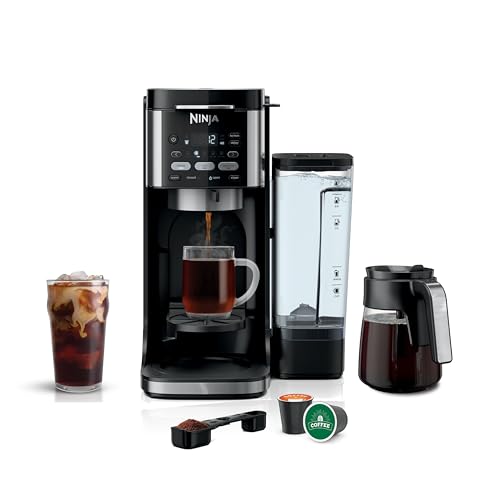
- Ninja DualBrew Pro CFP301: the best fit if you want both a 12-cup carafe and single cups from K-Cup pods or grounds.
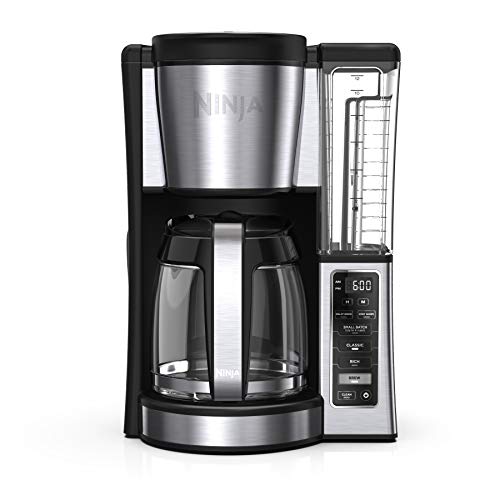
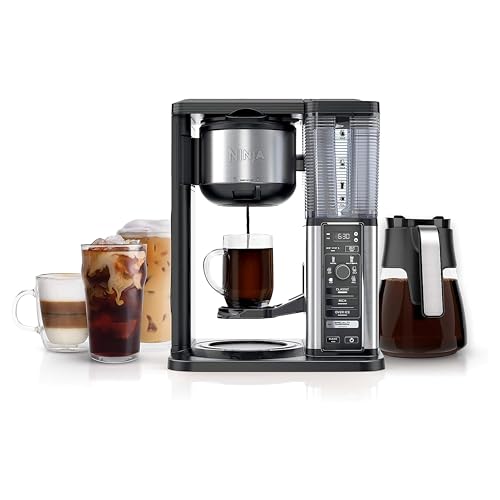
- Ninja Fresh Brew CE251: the value pick for a classic programmable pot of drip coffee.
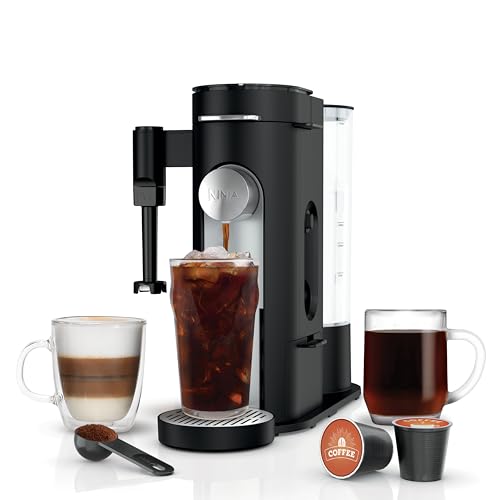
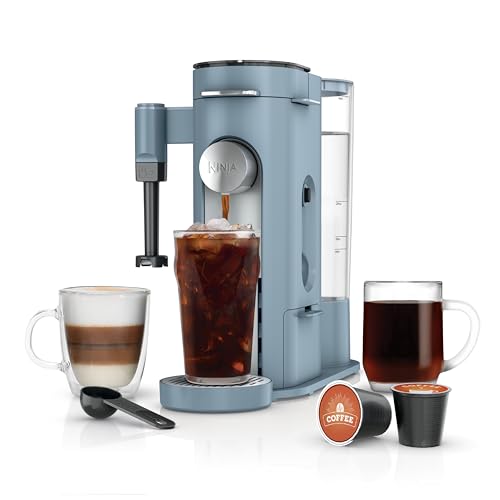
- Ninja Single-Serve Pods and Grounds Coffee Maker: the simpler workflow for one person who wants a cup at a time without a carafe.
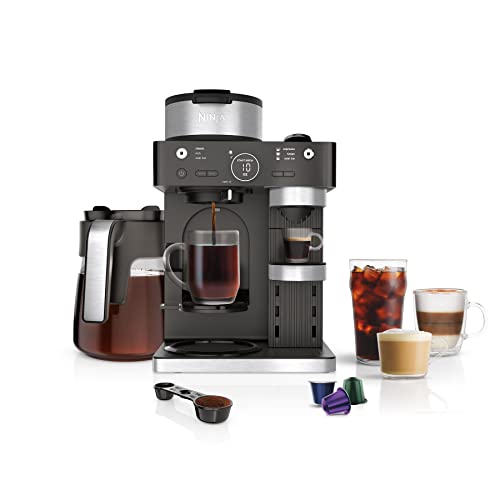
- Ninja Espresso and Coffee Barista System CFN601: the alternative routine for capsule espresso drinks plus a full carafe for guests.
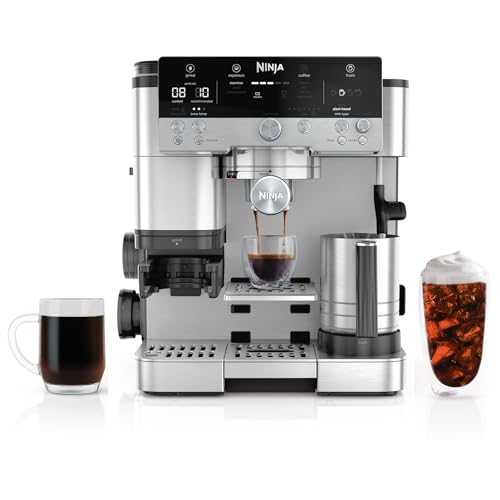
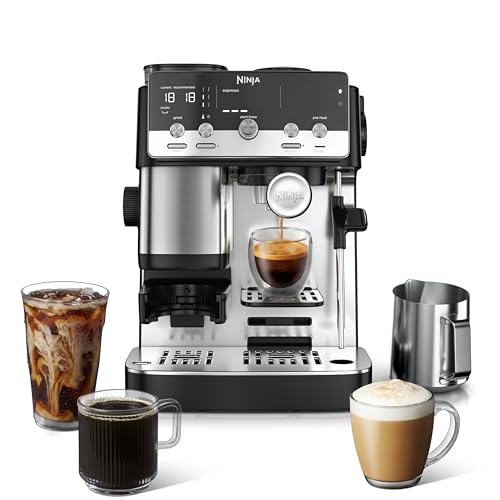
- Ninja Luxe Café Premier: the pick for added control, with a built-in grinder for espresso, drip and cold brew.
The main trade-off runs between flexibility and simplicity. Each extra brew style adds buttons, parts to clean and price. Details are in the recommended options below.
Compare the Qualifying Options
Prices are rounded and move often, so check the live price in the product table above. Ninja "cups" on carafe machines are smaller than a typical mug, so think in fluid ounces where the listing gives them. Footprint figures are left as "see listing" where the current listing does not state them.
| Model | Role | Coffee format | Serving range | Defining feature | Main limitation | Footprint | Price |
|---|---|---|---|---|---|---|---|
| Ninja DualBrew Pro CFP301 | Main pick | Grounds or K-Cup pods | Pods 6 to 12 oz, 4 carafe sizes up to 12 cups | Separate hot water system | Many controls to learn | See listing | Around $230 |
| Ninja Fresh Brew CE251 | Value | Ground coffee | Small batch to 12-cup carafe | 24-hour delay brew, 60 oz reservoir | No single-serve or iced setting | See listing | Around $90 |
| Ninja Single-Serve Pods and Grounds | Simpler workflow | Grounds or K-Cup pods | 6 to 24 oz | Fold-away frother, 56 oz reservoir | No carafe | See listing | Around $100 |
| Ninja CFN601 Espresso and Coffee | Alternative routine | Nespresso-compatible capsules and grounds | 1.35 oz espresso to 12-cup carafe | Capsule espresso plus drip carafe | Capsules are an ongoing cost | See listing | Around $280 |
| Ninja Luxe Café Premier | Added control | Whole beans (built-in grinder) | Espresso shots, 6 to 18 oz drip or cold brew | Grinder, weight-based dosing, Dual Froth | Largest and priciest here | See listing | Around $500 |
Included accessories differ: the single-serve model includes a frother, scoop, pod adapter and permanent filter, and the Luxe Café includes a milk jug, tamper and cleaning supplies, according to their listings.
How We Selected the Shortlist
Every model had to be a Ninja coffee maker sold new by Amazon US sellers, in its current US version, with renewed and refurbished listings excluded. We then grouped the lineup by routine so that each pick fills a distinct role rather than repeating near-identical machines.
We compared manufacturer specifications, listing details and package contents, and read buyer feedback in aggregate for recurring strengths and complaints. Three questions decided the order: which coffee format and serving sizes the machine handles, how much daily work and cleanup it adds, and what it costs to own once filters, pods or capsules are counted. This is a research-based shortlist, so the judgments come from published specs and owner feedback, not from brewing trials of our own. If you want a wider view across brands, our list of the best coffee makers compares Ninja with other makers.
Recommended Options
Ninja DualBrew Pro CFP301: Best fit for the main use case
The DualBrew Pro CFP301 is the Ninja to buy if one household member wants a pot and another wants single cups. It brews grounds in five single-serve sizes and four carafe sizes (quarter, half, three-quarter or full), and it takes K-Cup pods in four sizes from 6 to 12 oz. That covers a weekday travel mug and a weekend pot for guests without a second machine.
Two features earn it the main role. Four brew styles (Classic, Rich, Over Ice and Specialty) handle hot coffee, iced coffee and a concentrate for lattes, and an independent hot water system with hot and boil settings keeps tea or oatmeal water separate from the coffee path.
The limitation is complexity: with grounds, pods, carafe and hot water in one machine, there are more buttons and parts than most people need. Skip it if you only ever brew a full pot. Pods are optional, so you can keep running costs low by brewing grounds.
Ninja Fresh Brew CE251: Best value within the stated scope
The Ninja Fresh Brew CE251 is the value pick for households that brew a pot of drip coffee most days. It uses a 12-cup glass carafe and offers Classic or Rich strength, plus a small batch function for one to four cups so a half pot does not taste diluted.
Daily handling is straightforward. A 24-hour delay brew can have coffee ready when you wake, the 60 oz water reservoir lifts off for filling at the sink, and the adjustable warming plate keeps coffee warm for up to four hours. You only need paper filters and ground coffee.
The limitation is range: there is no single-serve option, no iced setting and no frother, and the glass carafe sits on a hot plate. Skip it if you want iced coffee or one cup at a time. For a dependable, low-cost pot, it keeps setup and running costs among the lowest in the lineup.
Ninja Single-Serve Pods and Grounds Coffee Maker: Best for a simpler workflow
This single-serve Ninja suits one person, or a couple on different schedules, who wants one fresh cup at a time. It brews from K-Cup pods or ground coffee, in sizes from 6 to 24 oz, with four brew styles: Classic, Rich, Over Ice and Specialty.
The setup cost is low because the box includes a built-in fold-away frother, a scoop, a removable brew basket, a pod adapter and a permanent filter, so you do not need to buy paper filters. The 56 oz removable reservoir handles several cups between refills, and the adjustable drip tray fits travel mugs.
The limitation is that there is no carafe, so serving several people means brewing several cups in a row. Skip it for a household that wants a pot for guests. Brewing grounds instead of pods keeps the cost per cup well below pod-only machines.
Ninja Espresso and Coffee Barista System CFN601: Best for an alternative serving routine
The CFN601 fits a household that wants espresso drinks on weekdays and a full carafe when friends visit. It brews espresso from Nespresso-compatible capsules in three styles (Espresso at 1.35 oz, Lungo at 3.75 oz and Over Ice), and the listing cites a 19-bar pressure system. It also brews ground coffee in Classic, Rich or Over Ice across nine sizes up to a 12-cup carafe.
A built-in fold-away frother handles cappuccinos and lattes, the adjustable cup tray takes an 8 inch travel mug, and a used capsule bin holds up to 20 capsules.
The limitation is running cost and format: espresso comes only from capsules, which cost more per drink than grounds, and it does not grind beans. Skip it if you want espresso from fresh beans; the Luxe Café below handles that.
Ninja Luxe Café Premier: Best for added control or convenience
The Luxe Café Premier is Ninja's pick for people who want espresso from fresh beans along with drip coffee and cold brew. It offers double or quad espresso, three drip styles and two cold styles, with drip and cold brew sizes from 6 to 18 oz. A built-in conical burr grinder has 25 settings.
Barista Assist Technology recommends grind settings, doses by weight, assists tamping and adjusts temperature and pressure for the selected drink, which shortens the learning curve. The Dual Froth System has four presets, including cold foam, or lets you froth manually, and accessory storage is built in.
The limitation is size and price: it is the largest and most expensive Ninja here and takes real counter space. Skip it if you never drink espresso, since the CFP301 covers drip and pods for less. The listing includes a portafilter, milk jug, baskets, tamper and cleaning supplies.
What to Look for Before Buying
Coffee Format and Serving Needs
Ninja machines fall into four format groups: ground coffee only (CE251, CM401, CM371), grounds plus K-Cup pods (DualBrew models and the single-serve combo), grounds plus espresso capsules (CFN601), and whole beans with a grinder (Luxe Café). Pick the group that matches what you buy at the store, because a pod-capable machine adds little if you never buy pods.
Then match serving size to the household. A 12-cup carafe on a drip machine uses small manufacturer cups, so a full pot fills far fewer 10 to 12 oz mugs than the label suggests. Single-serve machines measure in ounces, which is easier to plan around. Do not treat Ninja's Specialty or Rich concentrate as espresso: it is strong brewed coffee for milk drinks, while true espresso comes from the CFN601 capsules or the Luxe Café.
Daily Workflow and Cleanup
Count the steps you will repeat. A drip machine means filling the reservoir, adding a filter and grounds, brewing, then washing the carafe and basket. Single-serve machines skip the carafe, while pods skip the grounds altogether. Espresso machines add a portafilter or capsule bin, plus a frother to rinse after each milk drink.
Separate automatic features from maintenance. Delay brew, auto-metering reservoirs and preset styles reduce daily effort, but every machine still needs descaling on the schedule in its manual. Check where the reservoir sits and whether it lifts out, since removable tanks are easier to fill in tight spaces.
Complete Setup Cost and Ownership
Add the extras before comparing prices. Drip models need paper filters unless a permanent filter is included, pod and capsule models need a steady supply of pods, and espresso-style drinks need milk and a frother, which several Ninja models include.
Recurring costs vary most. Ground coffee is usually the cheapest per cup, K-Cup pods cost more, and espresso capsules more again. Approved descaling solution is a small, regular cost for all of them. Finally, confirm the exact US model code and the seller, and avoid renewed listings if you want a new-machine warranty. If you want a grinder built into a drip machine, see our guide to the best Ninja coffee maker with grinder.
Which Option Fits Your Routine?
Your Must-Have Function
Need a pot and single cups? Choose the CFP301. Need only a pot, the CE251. Need real espresso, the CFN601 for capsules or the Luxe Café for beans.
Your Preparation and Cleanup Tolerance
If you want the fewest steps, the single-serve combo with pods is simplest. Skip frothers and multiple styles you will not use, since each adds cleaning.
Your Complete Budget
Add filters, pods or capsules, milk and descaler. A cheaper machine using pods can cost more over a year than a pricier grounds brewer.
Frequently Asked Questions
Which features matter most for this use case?
Coffee format and serving size matter most when choosing a Ninja. Decide between grounds, pods, capsules or whole beans, then between a carafe and single cups. After that, an Over Ice setting, delay brew and a removable reservoir are the features owners use most often in daily routines.
How do I choose the correct serving capacity?
Count mugs, not manufacturer cups. A 12-cup carafe makes far fewer full mugs, so households drinking several large mugs each morning need the full carafe, while solo drinkers are better served by single-serve sizes from 6 to 24 oz. Check the ounce ranges listed for each model.
What extra equipment will I need?
Usually just filters and coffee for drip models, or pods for the pod side of hybrids. The single-serve combo includes a permanent filter and frother. Espresso drinkers using the CFN601 need compatible capsules, and the Luxe Café needs whole beans and milk.
How much daily cleaning should I expect?
A few minutes a day. Rinse the carafe and brew basket after drip brewing, empty pods or capsules, and rinse any frother right after use so milk does not dry on. Descale on the schedule your manual gives, using a solution it approves.
Final Verdict
For most households, the best Ninja coffee maker is the DualBrew Pro CFP301, because it brews a full carafe or single cups from grounds or K-Cup pods and adds a separate hot water system. If you only need a reliable pot, the Fresh Brew CE251 is the alternative that costs far less to buy and run. The deciding trade-off is flexibility against simplicity, so check which formats you really use before you order. For a broader comparison, see our guide to the best coffee maker for home.