
Best Compact Coffee Maker: Buying Guide
Disclosure: We may earn a commission when you buy through links on this page, at no extra cost to you. As an Amazon Associate I earn from qualifying purchases. Learn more

The best compact coffee maker for a dorm, studio or crowded counter: slim pod brewers, small drip pots and a tiny espresso machine.
The best compact coffee maker is the one that fits the space you actually have, from a dorm desk or studio kitchen to a crowded counter under low cabinets, without making you give up the coffee you like. Small machines come in four main styles: slim pod brewers, small drip carafes, narrow pods-or-grounds brewers and compact espresso machines. This guide compares the best small coffee maker options sold new on Amazon US, with plain notes on width, serving size and what each one asks of you every day.
If you already know whether you want pods, a small pot or espresso, go straight to the quick picks. If you are short on space but unsure which style fits, the buying section explains how to measure and what to watch for.






Quick Picks for Compact Coffee Maker
Every pick here is designed for small spaces according to its maker. Read them as matches for different routines rather than a strict ranking.
- Keurig K-Mini Plus: the best fit for most small kitchens, brewing 6 to 12 oz from K-Cup pods with built-in storage for nine pods.
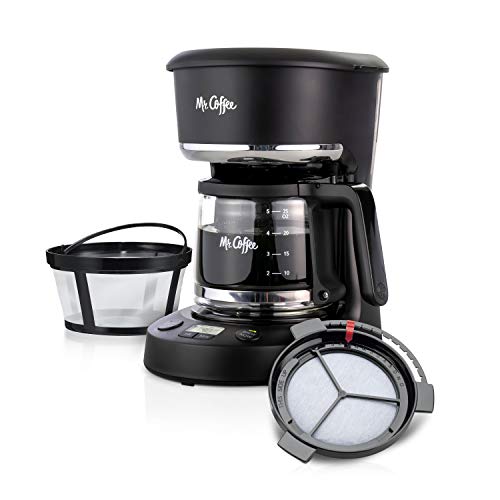
- Mr. Coffee 5-Cup Programmable: the value pick, brewing a 25 oz pot on a timer for around $50.
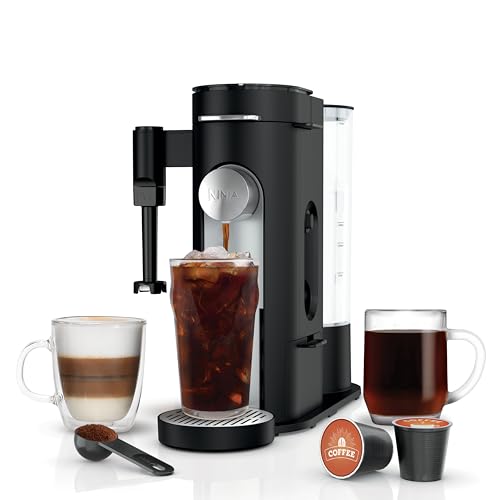
- Hamilton Beach FlexBrew Single Serve: the simplest workflow for pods or grounds in a body less than 5 inches wide.
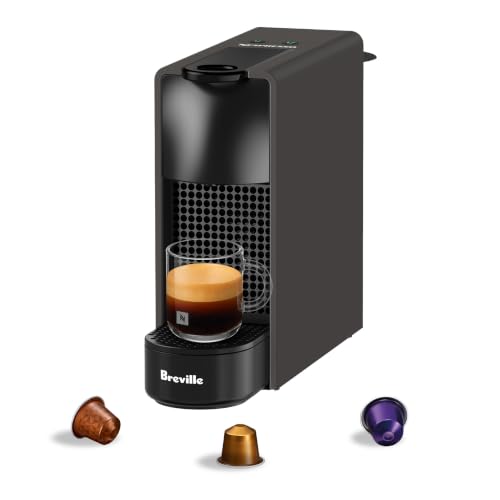
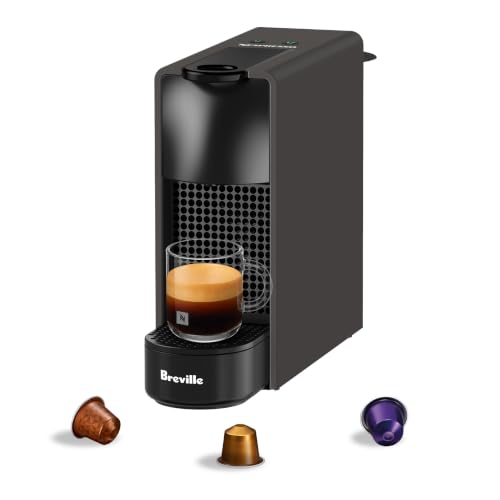
- Nespresso Essenza Mini (Breville): the alternative routine for espresso and lungo in a very small footprint.
- Cuisinart 5-Cup DCC-5570NAS: the convenience pick for a small pot with a removable reservoir, a stainless carafe and a charcoal water filter.
The principal trade-off is footprint against capacity. Single-serve brewers are the narrowest, while small carafes serve two people but need more depth. Details for each are in the recommended options below.
Compare the Qualifying Options
Prices are rounded and change often, so confirm the live price in the product table above.
| Model | Role | Format | Serving capacity | Defining feature | Main limitation | Price |
|---|---|---|---|---|---|---|
| Keurig K-Mini Plus | Main pick | K-Cup pods | 6 to 12 oz per cup | Stores 9 pods, cord storage | Pod cost per cup | Around $90 |
| Mr. Coffee 5-Cup | Value | Ground coffee | 25 oz pot, about two 12 oz mugs | Brew later timer, reusable filter | Glass carafe on a hot plate | Around $50 |
| Hamilton Beach FlexBrew Single | Simpler workflow | Pods or grounds | Up to 10 oz pod, 14 oz grounds | Less than 5 inches wide | 14 oz reservoir, one cup at a time | Around $60 |
| Essenza Mini (Breville) | Espresso routine | Nespresso Original capsules | 2 sizes, espresso and lungo | 25 second heat up | No large mug size | Around $180 |
| Cuisinart 5-Cup | Added convenience | Ground coffee | 5 cups of about 5 oz | Removable reservoir, stainless carafe | 30 minute keep warm only | Around $65 |
Exact dimensions are not listed for every model above, so compare the measurements on each product page with your space, including lid clearance.
How We Selected the Shortlist
Every machine had to be sold new on Amazon US and described by its maker as compact, slim or designed for small spaces, while still making a full mug or a small pot. We left out renewed and refurbished units, travel gadgets that cannot brew a normal mug, and full-size machines sold with a "compact" label but no real size advantage.
We then compared listings, manufacturer feature lists and package contents, and read buyer feedback in aggregate for recurring praise and complaints. Three questions shaped each role: how much space the machine needs in daily use, which coffee format and serving size it handles, and how many steps it adds to a normal morning. To choose the best compact coffee maker for each routine, we relied on specifications, listings and owner feedback rather than brewing trials of our own.
Recommended Options
Keurig K-Mini Plus: Best fit for the main use case
The K-Mini Plus fits the most common small-space routine: one person, one mug, no mess. It brews K-Cup pods in any size from 6 to 12 oz, and the pod storage unit fits into the brewer itself, holding up to nine K-Cup pods so you do not need a separate pod drawer on a crowded counter.
Two features make it practical day to day. Cord storage keeps the counter tidy and makes the brewer easy to move, which helps in dorms and small apartments. The removable drip tray fits travel mugs up to 7 inches tall and holds a full accidental brew, so a forgotten mug does not flood the counter. Auto off turns the machine off 90 seconds after your last brew.
The limitation is cost per cup, since pods cost more than ground coffee. It brews K-Cup pods only, not K-Carafe, K-Mug, Vue or Rivo pods, though a separately sold My K-Cup reusable filter lets you use your own grounds. Skip it if two or more people drink coffee at the same time each morning. For around $90 it is a tidy, proven small brewer.

Mr. Coffee 5-Cup Programmable: Best value within the stated scope
The Mr. Coffee 5-Cup is the cheapest way to get a small pot of coffee from a compact machine. It brews up to 25 oz, which Mr.
Coffee describes as two standard 12 oz cups, so it suits one heavy drinker or a couple. The carafe is marked in ounces, which makes it easier to brew the amount you will actually drink.
Two features keep the daily workflow and cleanup easy. Brew Later lets you set the machine the night before and wake up to coffee, and Auto Pause lets you pour a cup mid brew. A filtration system and a reusable filter are included, so you do not have to buy paper filters, and the machine shuts off after two hours.
The limitation is the glass carafe on a warming plate, which can make coffee taste flat if it sits for a long time. Skip it if you want single cups at different times through the day. At around $50, it is a dependable small drip machine that covers the basics without wasting space.

Hamilton Beach FlexBrew Single Serve: Best for a simpler workflow
The FlexBrew Single Serve is the narrowest machine here that still takes both pods and grounds, measuring less than 5 inches wide. It brews up to 10 oz from a K-Cup pod, or up to 14 oz with grounds in the included single-serve basket, so you are not locked into one format.
The workflow is simple and quick. Capacitive touch controls respond to a light tap, with regular or bold strength, and Hamilton Beach says it brews a hot 8 oz cup in about 2 minutes. The 14 oz reservoir has a water window that helps you add the right amount for a mug or travel cup, which reduces guesswork and spills.
The limitation is that the small reservoir means refilling before every large cup, and it brews one serving at a time. Skip it if you want to brew several cups in a row without refilling. At around $60, it is a flexible, slim brewer for one person who sometimes uses pods and sometimes grounds.

Nespresso Essenza Mini (Breville): Best for an alternative serving routine
The Essenza Mini is for people who drink espresso rather than mugs of coffee. It is a compact Nespresso Original machine that brews two single-serve cup sizes with one touch, heats up in about 25 seconds and turns off automatically to save energy.
Its small size is the point. The compact design is easy to place and move around, which suits a small kitchen, an office or a bar cart. Original capsules come from Nespresso and many other brands, which gives you options on price and flavor, and there is no grinder, tamper or milk system to store.
The limitation is serving size: it makes espresso and lungo only, so it will not fill a 12 oz mug in one go. Skip it if you drink large cups of brewed coffee or want milk drinks without buying a separate frother. At around $180 it costs more than the drip and pod picks, but it is the smallest way to get real espresso at home.
Cuisinart 5-Cup DCC-5570NAS: Best for added control or convenience
The Cuisinart 5-Cup adds a few conveniences that most small drip machines skip. Its water reservoir is removable, so you can fill it at the sink instead of pouring water into the machine, and it pairs a charcoal water filter with a permanent-style nylon coffee filter.
Two features improve daily use. Brew Pause lets you pour a cup before brewing finishes, and the stainless steel carafe with a dripless pour spout is less fragile than glass. A 30 minute Keep Warm feature keeps refills hot without cooking the coffee for hours. Cuisinart rates it for five cups of about 5 oz each, roughly two mugs.
The limitation is the short keep warm time and the absence of a timer in the listing. Skip it if you want coffee ready when you wake up, since the Mr. Coffee 5-Cup offers Brew Later. At around $65, it suits a small household that values easy refilling and a sturdier carafe.

What to Look for Before Buying
Compact Working Footprint
Measure the space in three directions: width, depth and height with the lid open. Many pod brewers open from the top to insert a pod, and drip machines open to add filters and grounds, so the clearance under your cabinets matters as much as the width on the counter.
Next, account for reservoir access. A removable reservoir, like the Cuisinart 5-Cup's, needs room to lift out, while a one cup or built-in reservoir needs space above to pour in water. If the machine sits in a corner, check that you can reach the fill opening without moving it.
Count the extras that take space too: a pod drawer, a frother, a separate grinder or a bag of filters. The K-Mini Plus stores pods inside the brewer, which saves a drawer. Finally, check the minimum serving size. Some small brewers have a lowest setting of 6 oz, while small carafes may not brew well below half their capacity, so pick a machine whose smallest serving matches your usual mug.
Coffee Format and Serving Needs
Choose the format first. Pods are the cleanest and fastest, but cost more per cup. Ground coffee in a small drip machine is the cheapest. Pods-or-grounds brewers like the FlexBrew give you both, and espresso capsule machines suit espresso drinkers only.
Then match capacity to your household. One person drinking one or two mugs a day is well served by a single-serve brewer. Two people who drink coffee together each morning will be happier with a 5-cup carafe that brews about two mugs at once.
Remember that manufacturer cups are smaller than mugs. Cuisinart's cup is about 5 oz, and Mr. Coffee describes 25 oz as two 12 oz cups, so a "5-cup" maker is really a two-mug machine.
Daily Workflow and Cleanup
Count the daily steps. A pod brewer needs water, a pod and a button press, then you toss the pod. A small drip machine needs water, a filter and grounds, then you rinse the carafe and filter. An espresso capsule machine needs the used capsule bin emptied regularly.
Small machines often have small reservoirs, which means more frequent refilling. The K-Mini style one cup reservoir needs water for every brew, while removable reservoirs hold enough for a few cups.
Separate daily cleanup from maintenance. Daily, empty the drip tray, rinse the carafe or filter and wipe spills. Periodically, descale with a product your manual approves, especially if your water is hard, and replace charcoal water filters when the manual says to.
Which Option Fits Your Routine?
Your Must-Have Function
For pods in the smallest space, choose the K-Mini Plus. For a small pot on a timer, choose the Mr. Coffee 5-Cup. For espresso, only the Essenza Mini fits.
Your Preparation and Cleanup Tolerance
Low tolerance points to pods. If rinsing a small carafe is fine, the drip machines cost less to run and serve two people.
Your Complete Budget
Add pods or beans, filters and descaler to the price. Pods and capsules cost the most per cup over a year.
Frequently Asked Questions
Which features matter most for this use case?
Footprint and serving size matter most, followed by format and reservoir design. Measure width, depth and lid clearance, then match the machine to your usual mug and the number of drinkers. Cord storage, a removable drip tray and built-in pod storage help small spaces stay tidy.
How do I choose the correct serving capacity?
Choose by how much coffee you drink at one time, in fluid ounces. One person with a 10 to 12 oz mug is fine with a single-serve brewer. Two people drinking together should look at a 5-cup carafe, which brews about two mugs, since manufacturer cups are around 5 oz.
What extra equipment will I need?
Pod brewers need pods, or a reusable filter for your own grounds. Drip machines need filters unless a permanent one is included, and the Mr. Coffee and Cuisinart 5-cup models include one.
Espresso drinkers may want a small milk frother. A descaler approved by your manual is the main care item.
How much daily cleaning should I expect?
Expect a minute or two a day. Toss pods or rinse the filter, wash the carafe if you used one, and empty the drip tray. Descale on the schedule in your manual, and more often if your water is hard.
Final Verdict
The best compact coffee maker for most small kitchens is the Keurig K-Mini Plus, because it brews any size from 6 to 12 oz and stores nine pods in a tidy, movable body. If two people share coffee each morning, the Mr. Coffee 5-Cup Programmable is the better alternative and costs less to run.
The deciding trade-off is footprint against capacity. For larger options, see our guides to the best coffee makers and the best coffee maker for home use.


