
Best Water Filter for Coffee That Tastes Better
Disclosure: We may earn a commission when you buy through links on this page, at no extra cost to you. As an Amazon Associate I earn from qualifying purchases. Learn more

The best water filter for coffee, from filter pitchers to in-machine charcoal filters, and what makes good coffee water.
The best water filter for coffee for most home brewers is the Brita Large 10 cup pitcher: it is WQA and NSF/ANSI certified to reduce chlorine taste and odor, copper, mercury and cadmium, while leaving in the minerals that help coffee extract flavor. If your coffee maker has a built in filter holder, the Possiave 12 pack for Keurig or the K&J 12 pack for Cuisinart replaces the charcoal filter inside the machine.
Coffee is about 98 percent water, so water quality shapes how it tastes. Chlorine makes coffee taste flat or medicinal, while very hard water builds scale and dulls flavor. Below we compare six options, from filter pitchers to in-machine charcoal filters and a mineral packet for brewing water, then explain what makes good coffee water, why distilled water is a poor choice, how filters protect your machine and answers to common questions. Every pick sells new on Amazon.


Best Water Filter for Coffee: Our Top Picks
Our top pick is the Brita Large 10 cup pitcher, followed by Third Wave Water mineral packets for precise brewing water and Possiave replacement filters for Keurig brewers. We compared what each filter removes, how it affects minerals, capacity, filter life, ease of use and how widely each product is bought and kept.
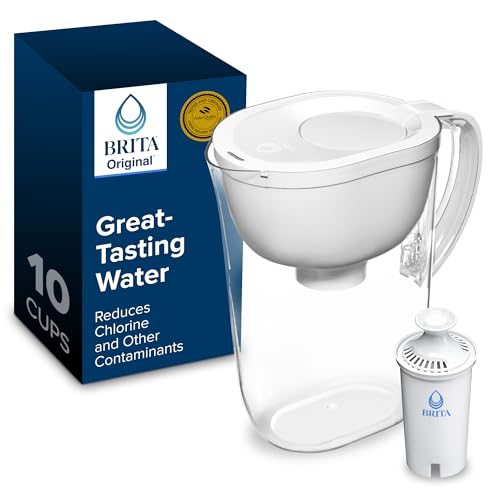
Brita Large 10 Cup Water Filter Pitcher: Best Overall Water Filter for Coffee
The Brita Large pitcher is the best water filter for coffee in most homes because it removes chlorine taste and odor without stripping out the minerals that help extraction. Brita says it is WQA and NSF/ANSI certified to reduce chlorine, mercury, copper, zinc and cadmium.
The BPA free pitcher holds 10 cups, enough to fill most drip coffee makers, and fits on fridge shelves at about 10.5 inches tall. It works with Standard filters, replaced about every 40 gallons or 2 months, and Longlast filters, replaced about every 120 gallons or 6 months.
- Reduces chlorine taste and odor, copper, mercury and cadmium
- 10 cup capacity fills most coffee makers
- Standard or Longlast filter options
The limitation is that a carbon pitcher does not soften very hard water much. Skip it if your water leaves heavy scale; pair it with regular descaling or consider mineral packets with purified water. Expect to pay around $30.

Third Wave Water Classic Light Roast Profile: Best for Precise Coffee Water
Third Wave Water is the best choice for coffee enthusiasts who want consistent brewing water no matter where they live. Each of the 12 single gallon sticks contains a mineral blend that you dissolve in one gallon of distilled or reverse osmosis water to create water designed for brewing coffee, and the Classic profile is formulated for light roasts.
- 12 single gallon mineral sticks
- Classic profile for light roast coffee
- Mix with distilled or reverse osmosis water
The limitation is effort and cost: you need to buy or make purified water and mix it, which is more work than a pitcher. Skip it if you want a simple daily routine. Expect to pay around $18.

Possiave Water Filters for Keurig, 12 Pack: Best for Keurig Brewers
The Possiave 12 pack is the best water filter for Keurig coffee makers that have a filter holder in the reservoir. The charcoal replacement filters fit the Keurig filter holder and help reduce chlorine and odors in the water your brewer uses.
- 12 replacement charcoal filters
- Fits Keurig reservoir filter holders
- Low cost per filter
The limitation is that listing details are limited, and it needs a filter holder, which some Keurig models do not include. Skip it if your brewer has no holder. Expect to pay around $7.

K&J Charcoal Water Filters for Cuisinart, 12 Pack: Best for Cuisinart Coffee Makers
The K&J 12 pack is the best replacement water filter for Cuisinart drip coffee makers. The listing says these charcoal water filters fit all Cuisinart and Braun BrewSense coffee makers that use a water filter holder.
- 12 charcoal water filters
- Fits Cuisinart and Braun BrewSense holders
- Replaces the in-machine filter
The limitation is fit for other brands. Skip it if you do not own a Cuisinart or Braun BrewSense. Expect to pay around $14.

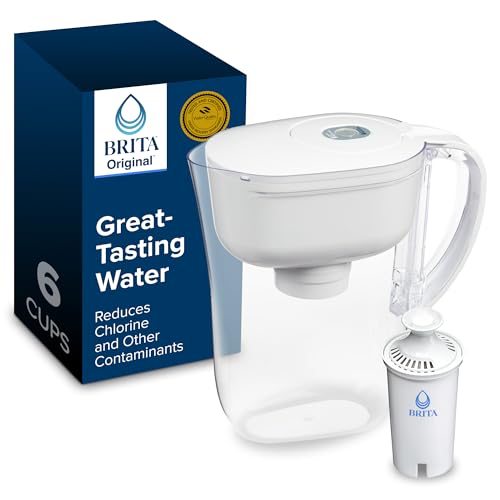
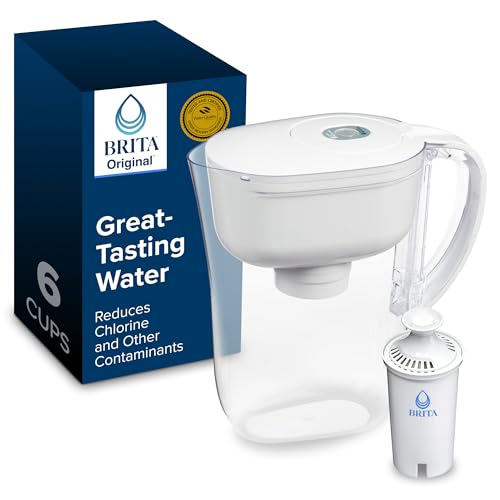
Brita Small 6 Cup Pitcher: Best Compact Filter for Coffee
The Brita Small pitcher is the best compact water filter for single serve brewers, dorms and small kitchens. It holds 6 cups, fits most mini fridges and is WQA NSF/ANSI certified to reduce chlorine taste and odor, copper, mercury and cadmium.
A SmartLight indicator tells you exactly when to replace the Standard filter, about every 40 gallons or 2 months, and the pitcher also works with Elite filters that last about 120 gallons or 6 months.
- 6 cup capacity, mini fridge friendly
- SmartLight filter change indicator
- Standard or Elite filter options
The limitation is capacity for full carafes. Skip it if you brew 10 or 12 cups at a time. Expect to pay around $18.
ZeroWater 10 Cup Pitcher: Best Base Water for Mineral Recipes
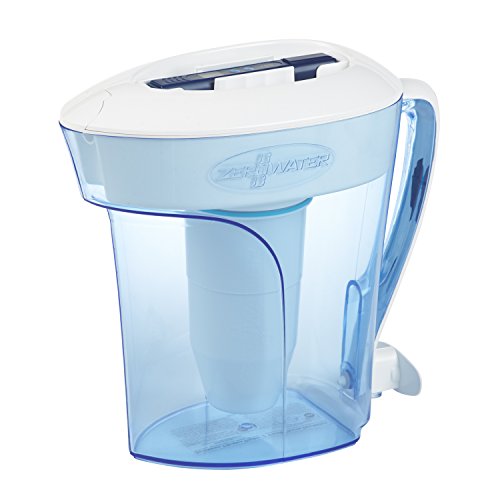
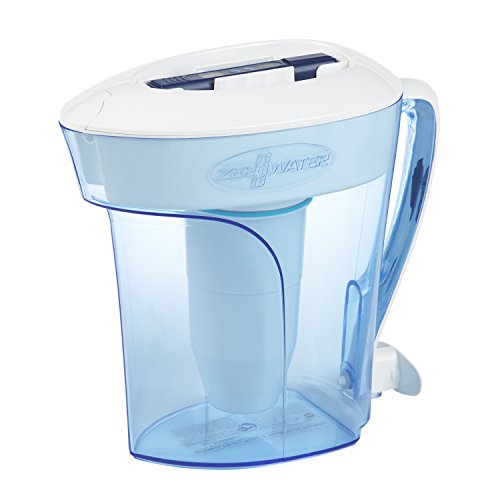
The ZeroWater pitcher is best for people who want to build their own coffee water with mineral packets like Third Wave Water. Its 5-stage ion exchange filter removes virtually all dissolved solids, and the pitcher comes with a TDS meter so you can check the water.
ZeroWater says its filter is IAPMO certified to reduce PFOA/PFOS, lead, chromium and mercury, and the pitcher is BPA free.
- 5-stage ion exchange removes nearly all dissolved solids
- TDS meter included
- IAPMO certified for PFOA/PFOS and lead reduction
The limitation is important: water with almost no minerals makes flat, sour coffee on its own, so add minerals before brewing. Skip it if you will not use a mineral packet. Expect to pay around $38.
What Is the Best Water for Coffee?
The best water for coffee is clean, odor free water with a moderate amount of minerals. The Specialty Coffee Association suggests a total dissolved solids level of about 150 parts per million, with a range of roughly 75 to 250, and no chlorine.
Minerals such as magnesium and calcium help pull flavor compounds from the grounds. Water with too few minerals makes coffee taste flat and sour, while very hard water mutes flavor and leaves scale in your machine. For most people, tap water passed through a carbon filter pitcher lands close to the right range.
Should You Use Distilled Water for Coffee?
No, distilled water on its own is not good for coffee. Without minerals, it extracts poorly and can make coffee taste flat or sour. Some espresso machine makers also warn that pure water can be harsh on metal parts over time.
Distilled or reverse osmosis water works well as a base when you add a mineral blend such as Third Wave Water. Otherwise, use filtered tap water or spring water with moderate minerals.
Does Filtered Water Make Better Coffee?
Yes, filtered water usually makes better coffee because it removes chlorine and other off flavors from tap water. Chlorine is one of the most common causes of flat or medicinal tasting coffee, and carbon filters remove most of it.
Filtered water also protects your coffee maker. Fewer impurities mean slower scale buildup, though carbon filters do not remove most hardness. Keep descaling on schedule; our coffee maker maintenance guide explains how often.
Pitcher Filter vs In-Machine Filter
A pitcher filter treats all the water you drink and brew, while an in-machine filter only treats water inside the coffee maker. Many drip and pod machines have a charcoal filter holder in the reservoir, and replacing that filter every two months keeps chlorine out of your coffee.
If your machine has a holder, use the matching filter and replace it on schedule. If it does not, filter water with a pitcher before filling the reservoir. Using both is fine, but it is usually unnecessary. Espresso machine owners should use the filter type the maker specifies; Jura owners can read our Jura water filter guide.
How to Choose a Water Filter for Coffee
Choose a filter based on your tap water, your coffee maker and how much you brew.
Your Tap Water
If your water tastes of chlorine, a carbon pitcher solves most problems. If it leaves heavy white scale, you have hard water; descale more often or brew with purified water plus minerals.
Your Coffee Maker
Check whether your brewer has a filter holder. Keurig, Cuisinart and many espresso machines use replaceable charcoal filters. Buy the type that fits your model.
Capacity
A 10 cup pitcher fills most drip coffee makers in one pour. A 6 cup pitcher suits single serve brewers and small households.
For more ways to improve your brew, browse our coffee accessories section and see our guide to the best drip coffee maker.
How Often to Change Coffee Water Filters
Change pitcher filters about every 2 months for standard filters or every 6 months for long life filters, and change in-machine charcoal filters about every 2 months or 60 tank refills. Brita's Standard filter lasts about 40 gallons, and its Longlast and Elite filters last about 120 gallons. A filter past its life can release trapped contaminants and stops removing chlorine. Write the date on the filter or use a pitcher with an indicator.
Common Mistakes With Coffee Water
The most common mistake is using distilled or zero TDS water without adding minerals, which makes coffee taste flat. Another is forgetting to replace filters, which lets chlorine back in. Some people also leave water sitting in the coffee maker reservoir for days, which can taste stale; refill with fresh, filtered water each morning. Finally, a water filter is not a substitute for descaling; hard water still leaves scale over time.
How We Chose
We chose these water filters for coffee by comparing what each removes, how it affects minerals, certifications, capacity, filter life, fit for popular coffee makers and how widely each product is bought and kept. This guide is based on research of product listings and owner feedback rather than in-person trials, and every product sells new on Amazon.
FAQs About Water Filters for Coffee
Is Brita water good for coffee?
Yes. Brita filters reduce chlorine taste and odor while leaving in most minerals, which makes them a good fit for coffee. Replace the filter on schedule to keep chlorine out.
Is ZeroWater good for coffee?
Not on its own. ZeroWater removes nearly all dissolved solids, which can make coffee taste flat. It works well as a base for mineral packets like Third Wave Water.
Should I use bottled water for coffee?
Spring water with moderate minerals can make good coffee. Avoid distilled water unless you add minerals. Filtered tap water is cheaper and usually works just as well.
Do I need a water filter in my coffee maker?
It is not required, but it helps if your tap water has chlorine. Machines with a filter holder should use the matching filter, replaced about every two months.
Does water hardness affect coffee taste?
Yes. Some hardness helps extraction, but very hard water mutes flavor and causes scale. Very soft water extracts poorly and tastes flat.
How often should I replace a Keurig water filter?
Keurig recommends about every two months or 60 tank refills. Soak a new charcoal filter in water for a few minutes before installing it.
Final Verdict
The best water filter for coffee for most homes is the Brita Large 10 cup pitcher, a certified carbon filter that removes chlorine taste and odor while keeping the minerals coffee needs. Choose Third Wave Water for precise brewing water, Possiave filters for Keurig brewers, K&J filters for Cuisinart coffee makers, the Brita Small pitcher for compact spaces and ZeroWater as a base for mineral recipes.


