How To Clean JURA Milk System: A Model-Specific Guide
Disclosure: We may earn a commission when you buy through links on this page, at no extra cost to you. As an Amazon Associate I earn from qualifying purchases. Learn more

How to clean JURA milk system parts: find your manual, prepare JURA milk cleaner, run the guided program and rinse before your next latte.
Learning how to clean JURA milk system parts properly keeps cappuccinos tasting fresh and stops milk residue from building up in the pipe, spout and frother. Every JURA automatic machine with a milk function runs two kinds of milk care: a quick rinse after milk drinks and a deeper milk system cleaning program that uses JURA's own milk system cleaner when the machine asks for it.
This guide explains how to find the right instructions for your model, what to prepare, how the cleaning program flows from start to rinse, and how to confirm it worked, without copying button sequences from one JURA model onto another.


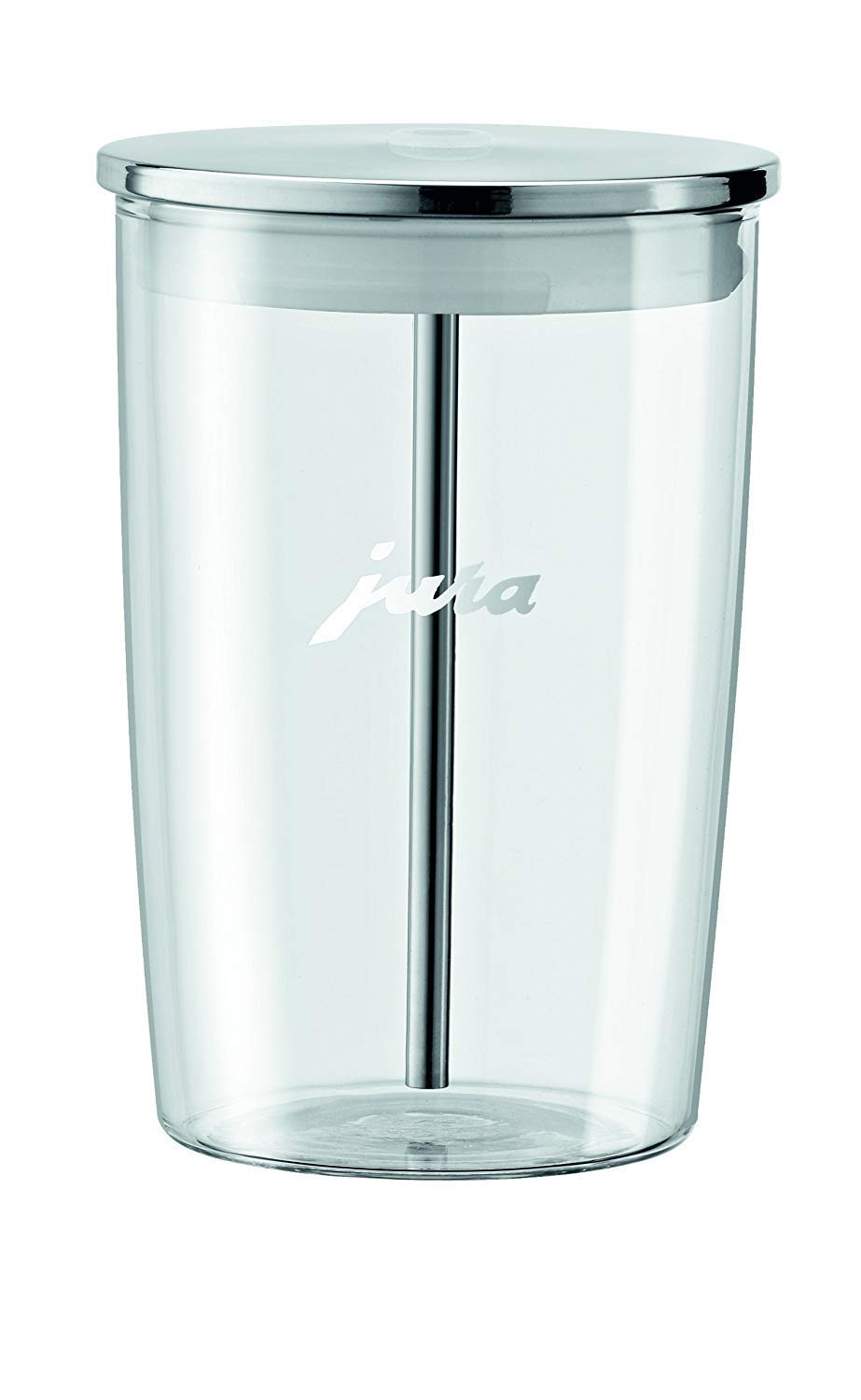
Quick Answer and Task Boundary
To clean a JURA milk system, rinse it after milk drinks as prompted, and run the milk system cleaning program with genuine JURA milk system cleaner when the machine requests it or as your manual recommends. Place the milk pipe in a container with the cleaner solution prepared exactly as the manual states, start the program, let it finish, then rinse. This task removes milk residue only. It is not descaling, which removes mineral scale, and it is not the brew unit cleaning program, which uses cleaning tablets for coffee oils.
Identify the Model and the Right Maintenance Task
Find the Exact Model and Manual
JURA's milk systems differ by model and generation. Some use a milk pipe that goes into a carton or container, some use a glass milk container, and menus vary between machines with buttons and machines with touchscreens. Find the model name and code on the type plate or the box, then download the matching manual from JURA's US website. Keep it open while you work, because the program steps and cleaner quantities come from that manual, not from a general guide.
Check Whether This Is Cleaning or Descaling
JURA machines track maintenance and tell you which task is due. A milk system rinse or milk system cleaning message relates to milk residue. A cleaning message usually means the brew unit needs cleaning tablets.
A descaling or filter message relates to water and scale. These tasks use different products, so read the display wording carefully and compare it with your manual before you start anything.
It also helps to know why milk care gets its own program. Milk contains fats and proteins that cling to tubes and spouts once they cool, and those deposits can affect foam and flavor. Rinsing with water clears fresh milk, but dried residue needs a cleaner designed to dissolve it.
What You Need Before Starting
You need genuine JURA milk system cleaner, sold as mini tabs in a bottle with a dispenser or as refill packs, plus a clean container as specified in your manual. Many owners keep a dedicated container for milk cleaning so it is always ready. You will also want fresh water, a cloth for wiping the spout, and access to your manual.
If your machine uses a glass milk container, make sure it is empty and rinsed. If it uses a milk pipe, check that the pipe is connected properly and not kinked. Empty the drip tray before you begin, since the program dispenses liquid through the spout, and place a container under the spout large enough for what your manual says will come out.
Store the cleaner somewhere dry and close to the machine, out of reach of children, and keep the lid of the dispenser closed. Having everything in one spot turns a five-minute job into a habit rather than a chore you put off until the machine insists.
How To Clean JURA Milk System: Step-by-Step Procedure
Prepare the Correct Components
Start by removing any milk from the system. Put the milk carton or milk container back in the fridge, and rinse the end of the milk pipe under running water if it has been sitting in milk. Empty and refit the drip tray so the machine detects it. If your manual asks you to remove the milk spout cover or set a lever to a specific position, do that now.
Next, prepare the milk system cleaner exactly as the manual states. With JURA mini tabs, that usually means dissolving a specific number of tabs in a specific amount of fresh water in the container your manual describes. Use the dispenser to count tabs rather than guessing, and do not substitute dish soap, vinegar or another brand's cleaner unless your manual approves it.
Finally, place the container under or next to the machine as the manual shows, and put the free end of the milk pipe into the cleaning solution. On models with a glass milk container, your manual explains whether the solution goes into the container itself.
Start the Approved Task or Program
Milk system cleaning is a powered program on JURA machines, not just a manual wash. Start it from the maintenance or care area of the display when the machine prompts you, or at any time your manual allows. On machines that offer one-touch milk system cleaning, the program may start from a single button or screen tap, while other models walk you through several prompts.
Read each message before you press anything. The machine may ask you to confirm that the cleaner is in place, that a container is under the spout and that the milk pipe is in the solution. If it asks for something you have not prepared, pause at that prompt and get it ready instead of skipping ahead.
Keep the machine on its normal power supply throughout. Do not switch it off mid-program, since that can leave cleaner inside the milk path. If you need to stop for any reason, follow the manual's instructions for cancelling and rinsing.
Complete the Cleaning or Descaling Stage
During the cleaning stage, the machine draws the cleaner solution through the milk pipe and spout and dispenses it into the container under the spout. The liquid may come out hot, so keep hands, children and pets away from the spout. Let the program run without lifting the milk pipe out of the solution unless the display tells you to.
When the solution has been drawn through, the machine usually asks you to rinse the container and refill it with fresh water for the rinse stage. Wash out the cleaner container thoroughly before you add fresh water, so no cleaner residue goes back through the system. Follow the exact order on screen.
This is also a good moment to check that solution actually flowed. If the container under the spout stayed empty or only a little came out, the milk pipe may be blocked or incorrectly connected; see the troubleshooting notes further down.
Finish the Required Rinse and Reassembly
Put the milk pipe into the container of fresh water and continue the program so the machine rinses the milk path. Empty the container under the spout when the rinse finishes, along with the drip tray. Wipe the milk spout and the area around it with a clean, damp cloth.
Your manual will also describe a periodic manual cleaning, where you remove and take apart the milk spout or frother parts and rinse them by hand. How often to do this, and which parts come apart, varies by model. Only remove parts the manual tells you to remove, and reassemble them exactly as shown, since incorrectly fitted parts can affect milk foam or cause leaks.
Finally, reconnect the milk pipe to your milk container or carton when you next make a milk drink, and keep milk refrigerated between uses.
Check the Result Before Normal Use
Confirm Completion
The machine usually shows that the program is complete and returns to its ready screen. Any milk system cleaning prompt should disappear. Make a small milk drink or a portion of milk foam and check that the foam forms normally and the milk flows steadily. If the first drink tastes of cleaner, run an extra rinse as your manual describes.
Some owners keep a simple note of the date of each full milk cleaning, along with descaling and filter changes, on a card inside a cupboard door. It takes seconds and makes it easy to spot if cleaning prompts suddenly come more often, which can be an early sign that something needs attention.
If a Prompt or Symptom Remains
If the prompt returns immediately or milk does not flow, check that the milk pipe is connected firmly, not kinked and not blocked with dried milk. Remove and rinse the spout parts as the manual shows. If the problem continues after a correct cleaning cycle, stop and contact JURA support rather than repeating the program many times. Our JURA coffee machine not working guide covers common prompts.
Common Mistakes to Avoid
The most common mistake is skipping the quick rinse after milk drinks. Milk residue dries fast, and a system that is only cleaned when the machine insists will build up deposits sooner. Rinse every time the machine asks.
Another mistake is using the wrong product. Dish soap, vinegar or generic cleaners may leave residue, foam excessively or not be suitable for JURA's milk path. Use JURA milk system cleaner unless your manual approves an alternative, and never mix milk cleaner with descaling or cleaning tablets.
People also guess quantities. Too little cleaner may not dissolve milk deposits, and too much can be hard to rinse out. Follow the manual's amounts.
Finally, do not leave the milk pipe sitting in milk at room temperature, and do not take apart parts the manual does not mention. Replace worn milk pipes or seals with the parts JURA specifies for your model when they show cracks or discoloration. If you see leaks, cracks in the housing or electrical issues, stop using the machine and contact JURA support.
Frequently Asked Questions
Which cleaner is approved for this model?
JURA milk system cleaner is the product JURA designs for its milk systems, sold as mini tabs with a dispenser and as refill packs. Your manual names the approved product and the quantity for your model. Using a different cleaner may not dissolve milk deposits properly or may be unsuitable for the milk path, so stick with the approved product.
How often should I perform this task?
Rinse the milk system after milk drinks whenever the machine prompts you, and run the full milk system cleaning program when the machine requests it or on the schedule in your manual. Many manuals recommend cleaning daily if you use milk every day. Heavier milk use means more frequent cleaning.
What if the cleaning or descaling alert remains?
If a milk cleaning alert stays after a full program, check that the cleaner was prepared correctly, the milk pipe was in the solution and the program was not interrupted. A different alert may be for brew unit cleaning or descaling instead. If it persists after a correct cycle, contact JURA support.
Can I use a generic method from another coffee maker?
No, do not use a generic method from another machine. JURA milk systems run a guided program with specific products and steps, and button sequences differ even between JURA models. Use the manual for your exact model, JURA's approved cleaner and the on-screen prompts, rather than instructions written for another brand or a drip coffee maker.
Keep the Routine Simple
The easiest way to handle how to clean JURA milk system parts is to make it a habit: rinse after milk drinks, run the cleaning program when prompted with JURA milk system cleaner, and take apart the spout on the schedule your manual sets. Keep a cleaning container and cleaner next to the machine so nothing slows you down. For the full care routine, see our JURA coffee machine maintenance guide and the JURA water filter guide, or compare models in our best JURA coffee machine roundup.