
Best Automatic Coffee Machine For Milk Drinks: Buying Guide
Disclosure: We may earn a commission when you buy through links on this page, at no extra cost to you. As an Amazon Associate I earn from qualifying purchases. Learn more

Choose the best automatic coffee machine for milk drinks by milk system, daily hygiene and the drinks your household makes most.
The best automatic coffee machine for milk drinks has to do two jobs well: brew a proper espresso base from fresh beans, and turn milk into the right texture for a cappuccino, latte, flat white or iced drink without turning cleanup into a chore. This guide compares fully automatic espresso machines sold new on Amazon US, from a KitchenAid that draws milk from any container to a Gaggia with a classic Pannarello wand.
Start with the quick picks if you already know which milk drinks you make most. If you are unsure whether an automatic milk system is worth the extra cleaning, the buying section walks through milk hygiene and serving needs in plain terms.


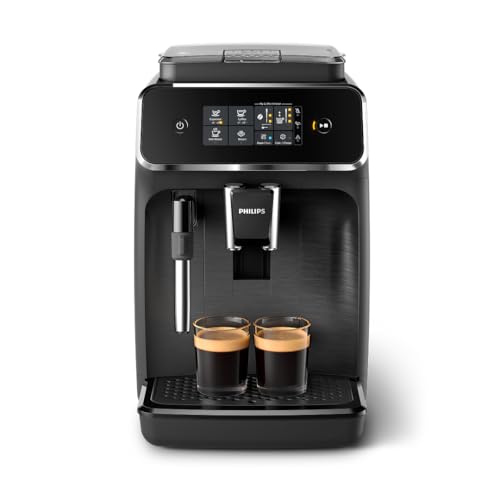
Quick Picks for Automatic Coffee Machine For Milk Drinks
Each machine below grinds whole beans, brews espresso automatically and includes a way to heat milk. Drip brewers with a frother and pod machines with a separate milk jug are not on this list, because their coffee base is not espresso made from fresh beans.
- KitchenAid KF6 (KES8556): the best automatic milk workflow, with a milk tube you place in any container and the exact amount of milk delivered per drink.
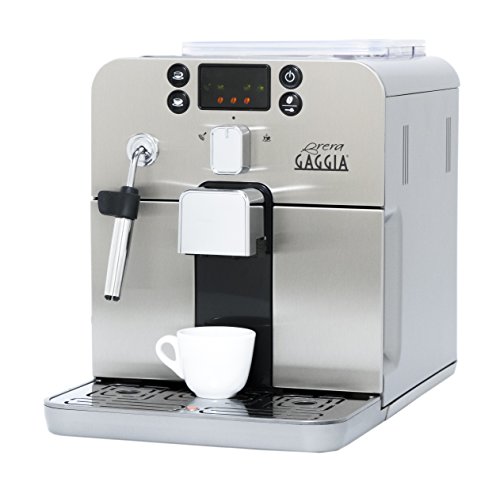
- Gaggia Brera: the pick for people who prefer to froth milk themselves with a Pannarello wand that also dispenses hot water.
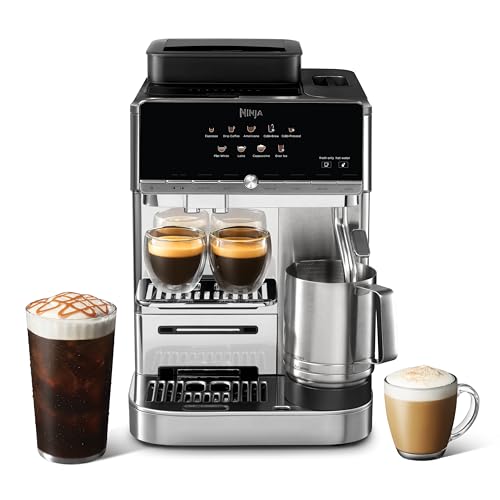
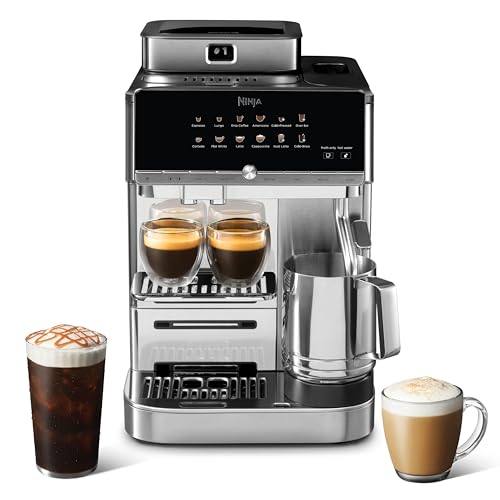
- Ninja AutoBarista (AE1002): the simplest setup, with automatic grind selection and a frother for hot or iced milk.
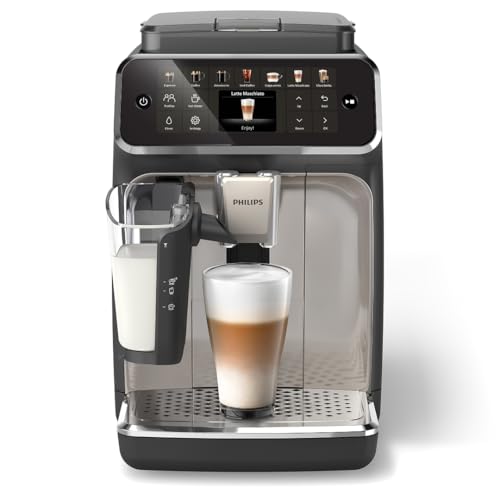
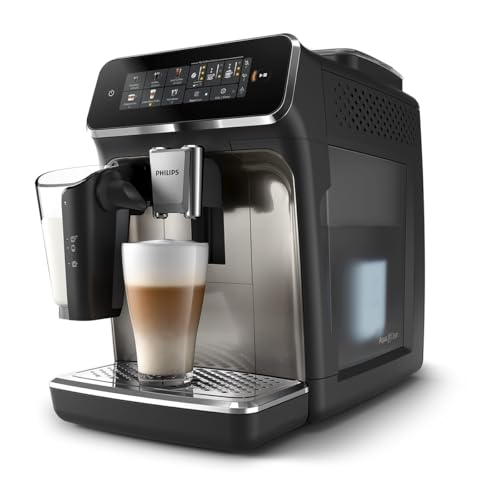
- Philips 4400 Series with LatteGo (EP4447/90): the choice for a household that rotates milk drinks, with 12 hot and iced recipes and quieter brewing.
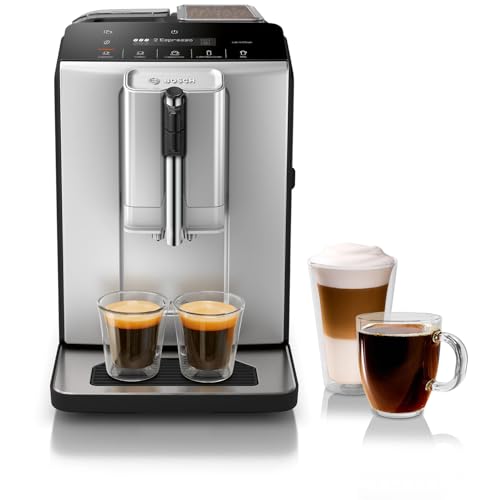
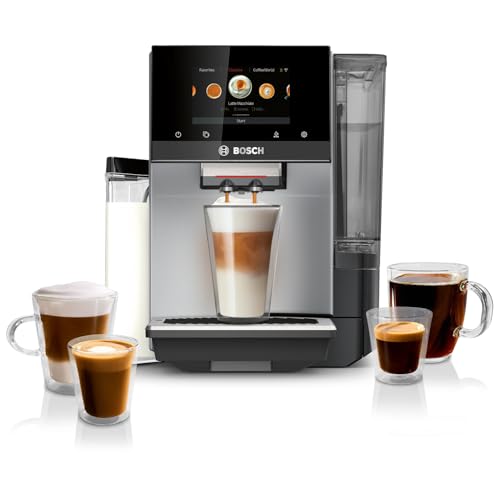
- Bosch 300 Series: the value pick with one-touch cappuccino and latte macchiato and a frother that foams directly into the cup.
The trade-off is between convenience and care. Fully automatic milk systems make the drink for you but need a rinse after every use, while a manual wand is easier to keep clean inside and gives you control over the foam.
Compare the Qualifying Options
Prices are rounded; the product table above shows the live price. Water tank sizes are listed where the listing states them.
| Model | Role | Coffee format | Milk system | Defining feature | Main limitation | Price |
|---|---|---|---|---|---|---|
| KitchenAid KF6 KES8556 | Automatic milk workflow | Whole beans | Milk tube into your own container (included) | 15 recipes, 2.2 L (about 74 fl oz) water tank, removable hopper | Highest price here | Around $1,200 |
| Gaggia Brera | Manual milk | Whole beans | Pannarello steam wand | Front access to tank, drawer and tray; 40 fl oz tank | No one-touch milk drinks | Around $610 |
| Ninja AutoBarista AE1002 | Simple setup | Whole beans | Built-in frother, hot or iced | 10 drinks, Grind iQ with 50 settings | Newer line, limited long-term feedback | Around $950 |
| Philips 4400 EP4447/90 | Several milk drinks | Whole beans | LatteGo, two parts (included) | 12 hot and iced coffees, SilentBrew | LatteGo jug still needs a rinse each time | Around $750 |
| Bosch 300 Series | Value | Whole beans | Adjustable in-cup frother | Ceramic grinder, removable brew unit | Short drink menu | Around $650 |
All five include their milk system, and none needs a separate grinder. A stainless pitcher is the only extra the Gaggia needs for milk drinks.
How We Selected the Shortlist
The first filter was the keyword itself: an automatic coffee machine that makes espresso from beans and has a built-in milk function. That ruled out semi-automatic machines that need manual dosing and tamping, drip coffee makers with a frother, and capsule machines with a separate milk jug.
From the remaining field, we confirmed each model is sold new by Amazon US sellers, checked model codes and package contents against the listing, and compared manufacturer specifications. We then read buyer feedback in aggregate for patterns around milk texture, noise, reliability and how hard the milk parts are to keep clean. No brewing trials were run for this guide, so each judgment is based on published specifications, listing details and owner feedback. The three questions behind every role were what the machine automates, how it handles milk preparation and daily hygiene, and which coffee format and serving size it suits.
Recommended Options
KitchenAid KF6: Best automatic milk workflow
The KitchenAid KF6 is the strongest pick for people who want milk drinks made entirely by the machine. You place the milk hose into a container of your choice, select a drink, and the single drink delivery system froths and heats the exact amount of milk the recipe needs, according to KitchenAid. That means no fixed milk jug to fill and no leftover milk sitting in the machine.
Two features help daily use. The menu has 15 recipe options, including espresso, Americano, latte and cappuccino, so different drinkers can pick their own drink. Automatic smart dosing sets the grind volume for each selection, and the bean hopper twists off so you can swap beans, for example to a decaf in the evening.
The limitation is cost: at around $1,200, it is the priciest machine here. It is also a large, metal-clad machine, so measure your counter and cabinet clearance. Skip it if you only make one cappuccino a day, since the Philips 4400 covers that for several hundred dollars less. The 2-year warranty and included cleaning tablets are a plus.
Gaggia Brera: Best manual milk preparation
The Gaggia Brera automates the espresso and leaves the milk to you. It grinds and brews at the push of a button, and its Pannarello wand froths milk in a pitcher for cappuccinos and lattes. The same wand dispenses hot water for Americanos and tea.
That approach brings two practical advantages. There is no milk hose or milk container inside the machine, so cleanup is a quick purge and wipe of the wand. And the water tank, dregs drawer and drip tray are all reachable from the front, which suits a kitchen where the machine sits under cabinets.
The limitation is that milk drinks are always a two-step job, and frothing takes some practice before results are consistent. The listed cup height of 3.25 to 4.5 inches also rules out tall travel mugs. Skip it if you want one-touch cappuccinos or have several people who will not learn to use a wand. Gaggia lists a one year warranty handled directly by the brand.
Ninja AutoBarista: Best simple compatible setup
The Ninja AutoBarista AE1002 suits people who want milk drinks from fresh beans without learning to dial in a grinder. It offers 10 drinks at the touch of a button, from espresso to cappuccino, iced drinks and cold brew, and grinds whole beans fresh for each one.
Two features keep setup and daily use simple. Grind iQ automatically selects from 50 grind settings, which removes most of the trial and error of matching grind to a new bag of beans. The frother produces microfoam hot or iced, with dairy or plant-based milk, so cold foam for iced drinks does not require a separate gadget. Auto-rinse, removable parts and a self-drying interior fan handle much of the cleanup.
The limitation is history: this is a new line, so long-term reliability feedback is still thin compared with Philips or Gaggia machines. Skip it if you only drink hot cappuccinos, since a cheaper machine does that well. If you want more drink choices, the AE1051 Pro version listed in the product table adds three more recipes.
Philips 4400 Series with LatteGo: Best for several milk drinks
The Philips 4400 suits households that rotate milk drinks through the day. Its menu covers 12 hot and iced coffees, including cappuccino, latte macchiato, latte, coffee with milk, iced coffee and iced americano, so a morning cappuccino and an afternoon iced drink come from the same machine.
Two features make that variety easy to live with. The LatteGo milk system has just two parts and pulls apart to rinse in under 10 seconds, according to Philips, and it works with plant-based milk alternatives as well as dairy. SilentBrew technology makes it about 40% quieter than earlier Philips models, which matters in an open kitchen or a home with light sleepers.
The limitation is that LatteGo is a small jug you fill each time, so it suits one or two milk drinks per session rather than milk on demand from a carton. Skip it if you want app control or a large milk reservoir. The AquaClean filter means no descaling for up to 5,000 cups when you change it on prompt, but replacement filters are a recurring cost.
Bosch 300 Series: Best value with verified milk functions
The Bosch 300 Series is a straightforward entry into automatic milk drinks. It grinds whole beans and brews espresso, cappuccino or latte macchiato at one touch, with an adjustable frother that makes foam directly in your cup, according to Bosch.
Two capabilities make it good value. The ceramic grinder grinds evenly without overheating beans, and the brew unit comes out from the front for rinsing, which keeps maintenance simple. Bosch's Calc'n Clean program handles the scheduled cleaning and descaling steps.
The limitation is the menu: three named drinks is enough for most cappuccino and latte drinkers but thin for anyone who wants flat whites, iced drinks or saved profiles. Bosch describes it as designed for individuals and couples, which matches its scale. Skip it if a household of four wants milk drinks back to back. At around $650 it costs about $100 more than the cheapest LatteGo Philips, so compare the two on the drink menu you need.
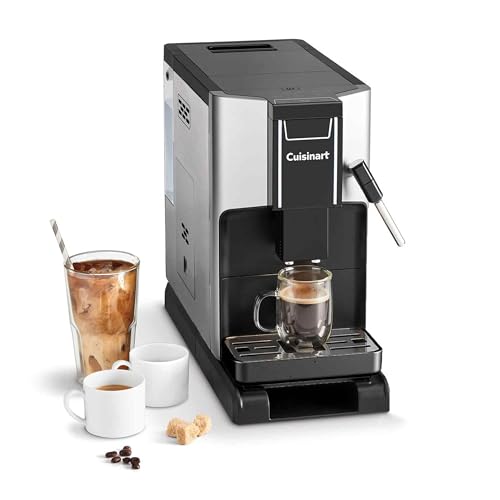
The product table adds more qualifying machines, including the Miele CM 6160 MilkPerfection, the Bosch 800 Series with an integrated milk container, the Philips 3300 with LatteGo and the Cuisinart Espresso Bar EM-550 with a frothing wand. For drip and pod brewers, see our broader list of the best coffee makers.
What to Look for Before Buying
What Is Automated?
Plenty of machines call themselves automatic. A programmable drip coffee maker automates the start time; a pod machine automates the dose; a fully automatic espresso machine automates grinding, dosing, tamping and brewing from whole beans. For cappuccinos and lattes, that last category is the one that gives you a real espresso base without barista skills.
Within that category, the milk side varies. Some machines froth and pour milk automatically from a jug, a tube or an integrated container. Others give you a steam wand and leave the frothing to you. Decide which you want before comparing features.
Then count what remains for you each day: refilling water and beans, emptying the grounds drawer and drip tray, rinsing milk parts and running cleaning programs when the machine asks. The best automatic coffee machine for milk drinks in your kitchen is the one whose leftover tasks you will actually do.
Milk Preparation and Daily Hygiene
Milk systems come in three main styles. Front jugs like LatteGo are filled per session and rinsed afterward. Tube systems like the KitchenAid draw from any container and run a rinse through the line. Steam wands like the Gaggia Pannarello froth in a pitcher and need a purge and wipe straight after use.
Compare how much control each style gives. Automatic systems usually adjust milk quantity, and some adjust foam level; a manual wand gives full control but depends on technique. All five picks heat milk, and the Ninja can also make cold foam for iced drinks.
Hygiene is the part buyers underestimate. Milk residue spoils quickly, so rinse every part that touches milk after each use and follow the manual's deeper cleaning schedule. Milk left in a jug should go back in the fridge. Systems with fewer parts and no hidden tubes make that routine easier to keep up.
Coffee Format and Serving Needs
All machines here use whole beans, which you load into a hopper. None takes pods. If you prefer capsules, a pod machine with a milk frother is a separate category with a different coffee base, and you should compare it on its own terms.
Think about volume. One or two milk drinks a day suits every pick on this list. If several people want cappuccinos back to back, a larger water tank, milk delivered from a carton and a quick heat-up matter more than recipe count. The KitchenAid's 2.2 L tank holds about 74 fl oz, which is generous.
Do not compare espresso extraction with drip coffee output as if they were equal. A cappuccino uses a single or double espresso shot topped with milk, while a mug of drip coffee is all brewed coffee. Strength, coffee use and flavor are different, so judge each machine by the drink you will make most often.
Which Option Fits Your Routine?
Your Must-Have Function
If milk must be fully automatic, pick the KitchenAid KF6 or the Philips 4400. If iced drinks matter, the Ninja AutoBarista handles cold foam. If you enjoy frothing yourself, the Gaggia Brera is enough.
Your Preparation and Cleanup Tolerance
Low tolerance for cleaning favors LatteGo's two parts or a steam wand with no internal milk path. A tube system is convenient but needs its rinse cycle every day.
Your Complete Budget
Add a year of beans, milk, water filters and cleaning tablets to the machine price. Manual wands need a pitcher, and premium machines often use costlier filters.
Frequently Asked Questions
Does this machine make espresso or concentrated coffee?
Every machine on this list makes espresso from freshly ground beans, not a drip concentrate. That matters for milk drinks, because espresso keeps its flavor under steamed milk. Brewers that advertise a "specialty" or "concentrated" setting are drip or pod machines, which make a milder base and belong in a different comparison.
Does its frother heat milk?
Yes, all five picks heat milk. The KitchenAid, Philips 4400, Ninja and Bosch heat and froth automatically, while the Gaggia's Pannarello wand steams milk in a pitcher you hold. The Ninja AutoBarista also froths cold milk for iced drinks, which a steam wand cannot do on its own.
Can I use plant-based milk?
Generally yes, but foam quality varies by brand and recipe. Philips states LatteGo works with plant-based alternatives, and Ninja lists dairy or plant-based frothing. Barista-style oat and soy milks usually foam better than standard cartons. Clean the milk path after every use either way.
What milk cleaning is required?
Rinse every milk part after each use and follow the manual's deeper cleaning schedule. LatteGo pulls apart for a quick rinse; tube systems run a rinse through the line; steam wands need a purge and wipe while still warm. Use only the cleaning products your manual approves.
Final Verdict
For most homes, the Philips 4400 with LatteGo is the best automatic coffee machine for milk drinks thanks to its 12 hot and iced recipes, quieter brewing and a milk system that rinses in seconds. If you want milk drawn straight from a carton and a wider menu, the KitchenAid KF6 is the premium alternative. The deciding trade-off is how much milk handling and cleaning you accept, so compare today's prices in the table, then pick the exact model that suits the drinks you make every week. Our guide to the best coffee maker for home covers simpler brewers if milk drinks are only an occasional treat.


