
Best Bean To Cup Coffee Machine: Buying Guide
Disclosure: We may earn a commission when you buy through links on this page, at no extra cost to you. As an Amazon Associate I earn from qualifying purchases. Learn more

The best bean to cup coffee machine for your home depends on household size, drinks and cleanup. Compare five picks by role.
The best bean to cup coffee machine grinds whole beans, doses them and brews a drink at the press of a button, so fresh coffee takes no more effort than a pod. The right one depends on how many people you serve, which drinks you make and how much cleaning you will accept each day.
Below you will find five machines sold new on Amazon US, each matched to a household role, followed by a buying checklist that explains capacity, milk systems and the daily care these machines need.

Quick Picks for Bean To Cup Coffee Machine
All five picks grind fresh beans for every drink. What separates them is the drink menu, the milk system and the size of the household they suit.
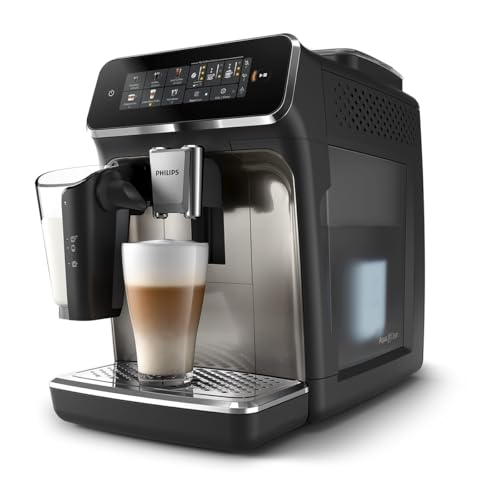
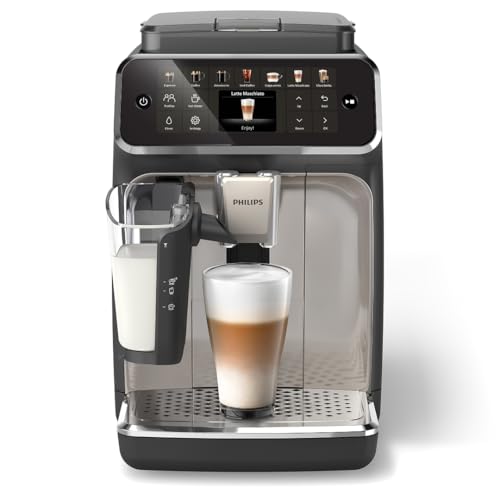
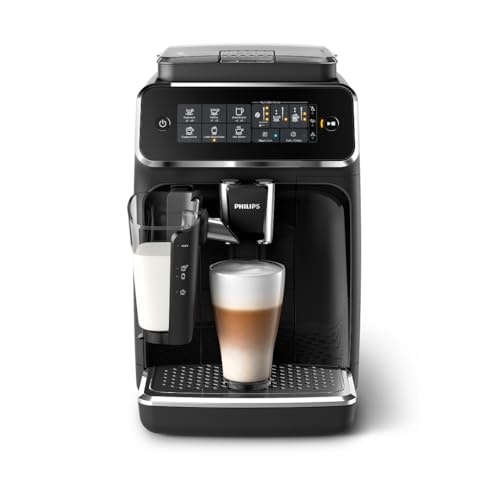
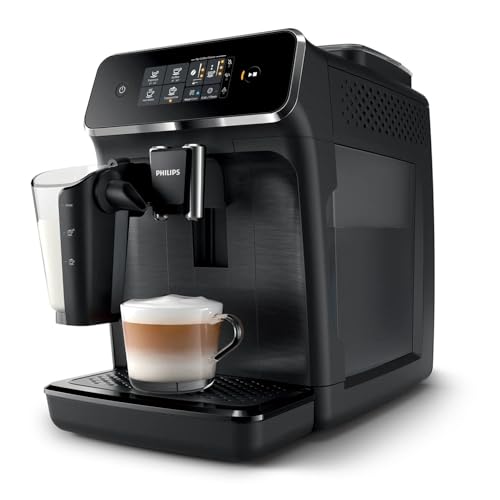
- Philips 3300 Series LatteGo: the everyday household brewer, with six one-touch drinks, a ceramic grinder and a two-part milk system that rinses quickly.
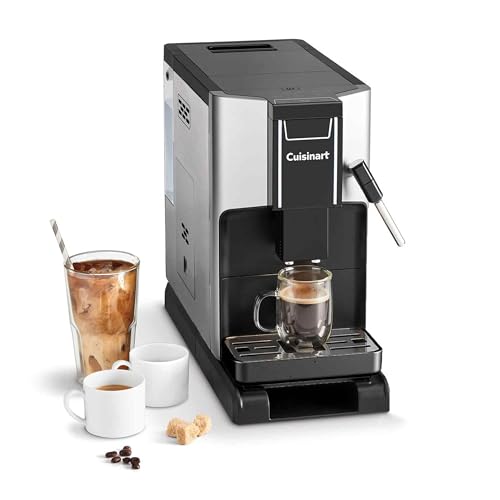
- Cuisinart Espresso Bar EM-550: the value pick that still covers hot and cold espresso drinks, a conical burr grinder and a frothing wand.
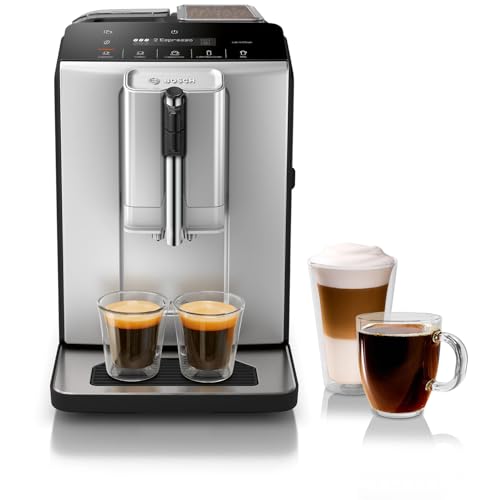
- Bosch 300 Series: the small-batch choice for individuals and couples, with one-touch espresso, cappuccino and latte macchiato and a removable brew unit.
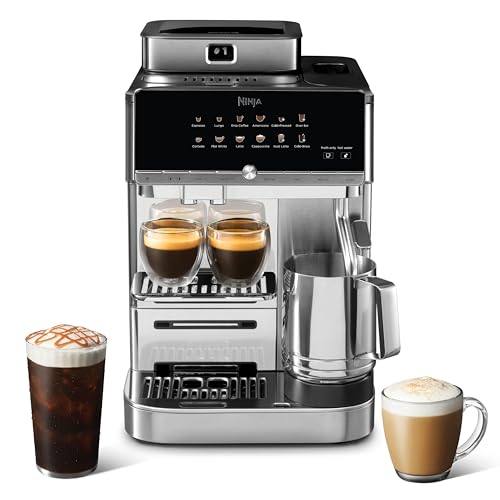
- Ninja AutoBarista Pro AE1051: for household serving, with 13 one-touch drinks and automatic grind calibration across 50 settings.
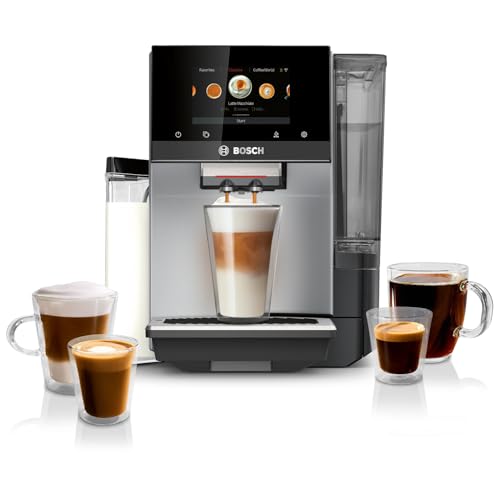
- Bosch 800 Series: the convenience upgrade, with a large touchscreen, app control and 35-plus drinks.
The key trade-off is menu size against cost and cleaning. Machines with automatic milk systems save time per drink but add parts to rinse.
Compare the Qualifying Options
Prices are rounded and change often, so check the live price in the product table. Where the listing data does not give a figure, the table says "see listing".
| Model | Role | Drinks | Milk system | Defining feature | Main limitation | Price |
|---|---|---|---|---|---|---|
| Philips 3300 Series LatteGo | Everyday household | Espresso, coffee, iced coffee, cappuccino, latte macchiato, hot water | LatteGo, 2 parts, no tubes | My Coffee Choice strength, length and froth settings | Six drinks only | Around $550 |
| Cuisinart Espresso Bar EM-550 | Value | Single, double, americano, cold extracted espresso | Steam/frothing wand | Adjustable base and brew head for travel mugs | Short one-touch menu | Around $500 |
| Bosch 300 Series | Small batches | Espresso, cappuccino, latte macchiato | Adjustable frother, froth made in the cup | Front-access removable brew unit, Calc'n Clean | Short drink menu | Around $650 |
| Ninja AutoBarista Pro AE1051 | Household serving | 13 drinks incl. cold brew | Hot or iced microfoam | Grind iQ with 50 settings | Large investment | Around $1,000 |
| Bosch 800 Series | Convenience upgrade | 35+ via app | Integrated milk container | Home Connect remote brewing | Highest price here | Around $1,500 |
Water filters and descaling or cleaning starter items are included with several of these machines; check the box contents on each listing before buying extras.
How We Selected the Shortlist
To qualify for our best bean to cup coffee machine list, a machine had to grind whole beans internally and brew without a portafilter, which is what makes it a true bean to cup machine rather than a grinder-equipped espresso maker. It also had to be sold new on Amazon US; renewed listings and machines with no feature data in their listings were left out.
We compared current listings, package contents and manufacturer feature descriptions, and looked at buyer feedback in aggregate for recurring themes such as cleaning effort and reliability. The roles reflect three questions: how each machine turns fresh beans into a finished drink, which coffee formats and serving sizes it handles, and how much daily care it asks for. This is a research based shortlist. No brewing trials were done, and we do not quote taste scores, noise levels or brew times that the makers do not publish.
Recommended Options
Philips 3300 Series LatteGo: Best everyday household brewer
The Philips 3300 fits the household that wants coffee and milk drinks without fuss. Six beverages sit on a touch screen with colored icons: espresso, coffee, iced coffee, cappuccino, latte macchiato and hot water. The My Coffee Choice function lets each person set strength, length and milk froth level, so one machine covers a short espresso and a milky mug.
The LatteGo milk system is the everyday advantage. It froths milk automatically, including various milk types, and has two parts with no tubes, so rinsing it takes moments rather than a full cleaning routine. A ceramic grinder handles the beans, and SilentBrew keeps the machine quieter in the morning.
The AquaClean filter cuts maintenance: if you change it when the machine prompts you, Philips says you will not need to descale for up to 5,000 cups.
The limitation is the menu. Six drinks cover most homes, but there is no flat white or long list of specialty recipes. Skip it if your household wants a big café menu or several saved profiles.
Cuisinart Espresso Bar EM-550: Best value for the required features
The Cuisinart Espresso Bar covers the core bean to cup features at a lower price than most fully automatic machines. A stainless steel conical burr grinder grinds the right amount of beans for each drink, and one-touch buttons make single and double shots and americanos.
It also brews cold. You can pull shots without heat for cold extracted espresso, which is handy for iced drinks in summer. The adjustable base and brew head make room for travel mugs, a small detail that matters on busy mornings.
For milk drinks, the frothing wand lets you top cappuccinos and lattes with dairy or non-dairy froth. That keeps the machine simpler internally, with no milk lines to flush.
The limitation is the menu: one-touch options stop at espresso shots and americanos, so milk drinks are a manual step. Skip it if you want a long menu of automatic milk drinks or several users each saving a favorite recipe.
Bosch 300 Series: Best for small batches
The Bosch 300 Series is designed, in Bosch's words, for individuals and couples who drink espresso every day. It grinds whole beans in a durable ceramic grinder and brews espresso, cappuccino or latte macchiato at one touch. For a household that makes one or two drinks at a time, that short menu is all most people use.
Milk drinks are simple: the adjustable frother makes foam directly in your cup, so there is no separate jug to fill and wash for a single latte. The ceramic grinder is built to grind evenly without overheating the beans, according to the listing.
Cleaning is where it suits small households especially well. The brew unit is removable from the front for rinsing, and Bosch's Calc'n Clean program combines cleaning and descaling in one guided routine.
The limitation is range: three core drinks and no iced or cold modes listed. Skip it if several people want different specialty drinks every morning, or if iced coffee is a regular habit.
Ninja AutoBarista Pro AE1051: Best for household serving
For a busy home where several people each want a different drink, the Ninja AutoBarista Pro is built for volume and variety. It offers 13 drinks at the touch of a button, from espresso and cappuccino to cold brew. Grind iQ technology chooses from 50 grind settings automatically, which helps keep drinks balanced when you switch beans.
Milk drinks are covered with hot or iced microfoam from dairy or plant-based milk. That lets one person have an iced latte while another has a hot cappuccino without changing anything by hand.
Cleanup features include auto-rinse, removable parts and a self-drying interior fan, which addresses one of the common complaints about bean to cup machines: moisture left inside between uses.
The limitation is cost. At around $1,000, it is a major purchase, and the extra drinks only pay off if your household really uses them. Skip it if you mostly brew one style of coffee for one or two people.
Bosch 800 Series: Best convenience upgrade
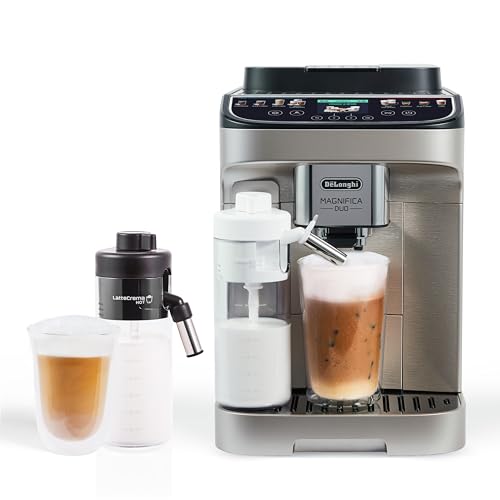
The Bosch 800 Series is for buyers who want maximum convenience and personalization. A large touchscreen lets you adjust strength, size, milk ratio and aroma for each drink. The Home Connect app lets you start a drink from the couch or on the way home and opens up more than 35 beverages.
Maintenance is designed to be guided. A combined cleaning and descaling program, called Calc'n Clean, walks you through the process step by step, which reduces the guesswork that puts many owners off super-automatics.
The box includes an integrated milk container, a milk adapter, a Mavea water filter with insertion aid, a microfiber cloth, a welcome kit and a water hardness strip. That means no extra purchases on day one.
The limitation is price, at around $1,500. App control is a luxury rather than a necessity. Skip it if you are happy pressing a button on the machine and would rather spend the difference on beans.
What to Look for Before Buying
Fresh Beans to a Finished Drink
A bean to cup coffee machine grinds, doses, tamps and brews inside the machine. That is different from a grind-and-brew drip coffee maker, which grinds into a filter basket for a full pot, and from an espresso machine with a grinder, where you still handle a portafilter. If you want one button and no tamping, a true bean to cup machine is the category to shop.
Look at the grinder first. Burr grinders, steel or ceramic, give a more even grind than blades, and the number of settings tells you how much room there is to adjust for different beans. Some machines, like the Ninja AutoBarista Pro, adjust grind automatically; others leave the setting to you.
Then check the brewing options. Strength, size and temperature controls let you fine-tune the result. Iced or cold modes, now common, brew differently rather than simply pouring hot coffee over ice. Finally, decide whether you need a one-touch milk system or are happy steaming milk yourself.
Coffee Format and Serving Needs
These machines are built around whole beans. Some include a bypass for preground coffee, but the listings here do not highlight one, so plan on buying beans. Medium roasts are a safe start; very oily dark roasts can be harder on some grinders, so check your manual.
Next, think about drink sizes in fluid ounces. Espresso is a small, concentrated drink, while a "coffee" or long setting produces a larger cup made from espresso style brewing. That is not the same as drip coffee from a carafe brewer, even when the machine calls it drip style. If you need a full pot for guests, a drip machine may still be worth keeping.
Household size drives the choice. One or two people do well with a simpler machine like the Bosch 300 Series. Three or more people with different tastes benefit from a long menu and fast back-to-back drinks, which is where the Ninja and Bosch stand out.
Daily Workflow and Cleanup
Bean to cup machines are easy to use but need regular care. Daily, you will empty the grounds container and drip tray, refill water and beans, and rinse any milk parts. Machines with auto-rinse cycles at switch-on or switch-off use a little water each time, so the drip tray fills faster than you might expect.
Weekly or as prompted, you may need to rinse the brew unit (on models where it is removable) and run cleaning programs. Descaling frequency depends on your water hardness and filter use. Follow your manual's schedule and use only the cleaning products it approves.
Finally, check controls and size. Touchscreens and apps are convenient, but simple buttons are easier for guests. Measure your counter, allowing for the bean hopper lid to open and the water tank to slide out.
Which Option Fits Your Routine?
Your Must-Have Function
If you need one-touch milk drinks, focus on the Philips 3300, the Ninja AutoBarista Pro or the Bosch 800. If you mostly drink espresso and americanos, the Cuisinart covers it for less.
Your Preparation and Cleanup Tolerance
If you dislike cleaning milk systems, a manual frother or wand keeps milk away from internal lines. Guided cleaning programs, like Bosch's, make routine care easier.
Your Complete Budget
Count beans, water filters, descaling products and replacement milk parts over time. Those recurring costs add up over a year.
Frequently Asked Questions
Which features matter most for this use case?
The grinder, the drink menu and the milk system matter most in a bean to cup machine. A burr grinder with enough settings handles different beans, a menu that matches your drinks avoids paying for unused options, and the milk system decides how much work lattes take. Easy cleaning comes next.
How do I choose the correct serving capacity?
Choose capacity by how many drinks you make in a row. Households of one or two can use compact machines with smaller tanks and hoppers. For three or more people, look for a larger water tank, a bigger grounds container and fast back-to-back brewing, so the morning rush does not stall for refills.
What extra equipment will I need?
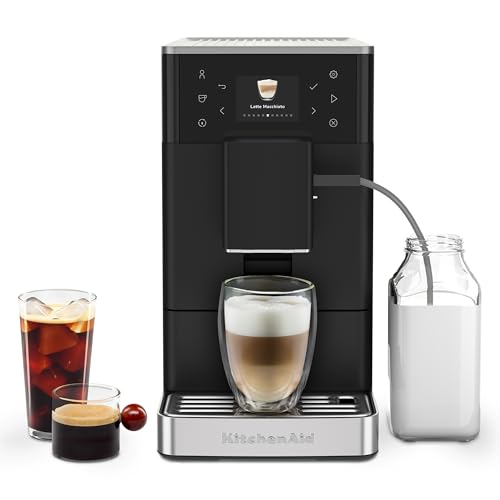
Most bean to cup machines need little extra equipment beyond beans and a water filter. Some models, like the KitchenAid KF3 in our product table, need a milk container sold separately. A milk pitcher helps with manual frothers, and descaling products are an ongoing purchase. Check each listing's box contents first.
How much daily cleaning should I expect?
Expect a few minutes of cleaning each day. You will empty the drip tray and grounds container, rinse milk parts after use and wipe the spouts. Deeper cleaning and descaling happen weekly or when the machine prompts you, following the manual's instructions and approved products.
Final Verdict
For most homes, the Philips 3300 Series LatteGo is the best bean to cup coffee machine, since it covers espresso, coffee, iced coffee and milk drinks from fresh beans with a milk system that rinses in moments. If several people want milk drinks every morning, the Ninja AutoBarista Pro is the stronger alternative. The deciding trade-off is automatic milk against cost and cleaning, so match the machine to the drinks your household actually makes and check the current price in the table.
For other formats, see our guides to the best coffee makers and the best coffee maker for home.


