
Best Automatic Espresso Machine For Beginners: Buying Guide
Disclosure: We may earn a commission when you buy through links on this page, at no extra cost to you. As an Amazon Associate I earn from qualifying purchases. Learn more

The best automatic espresso machine for beginners handles grinding, dosing and brewing. Compare five easy-to-learn picks.
The best automatic espresso machine for beginners removes the steps that trip up new espresso drinkers: grinding, dosing, tamping and timing the shot. You press a button and the machine handles the rest, so the only learning left is picking beans and adjusting strength to taste.
This guide covers five fully automatic machines sold new on Amazon US, from a budget-friendly first machine to a model with a long one-touch menu, plus a plain-language checklist for choosing your first one.


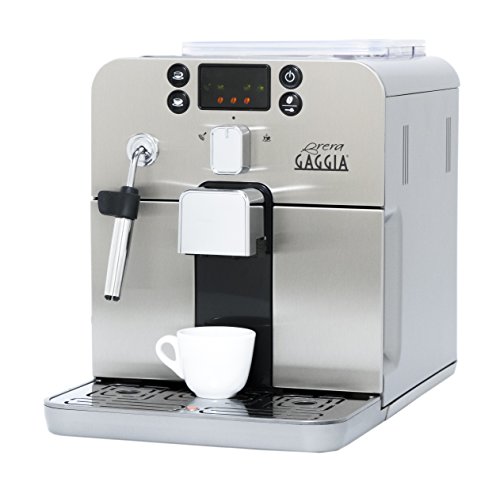
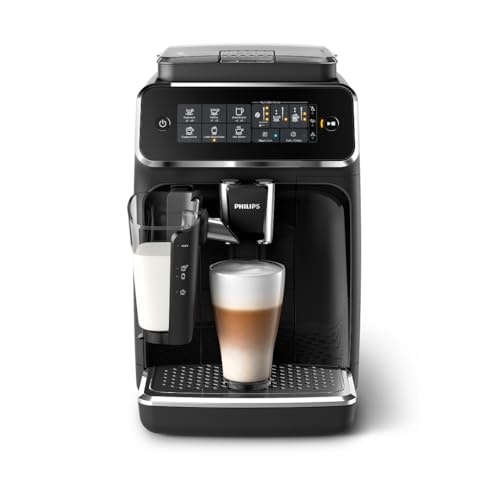
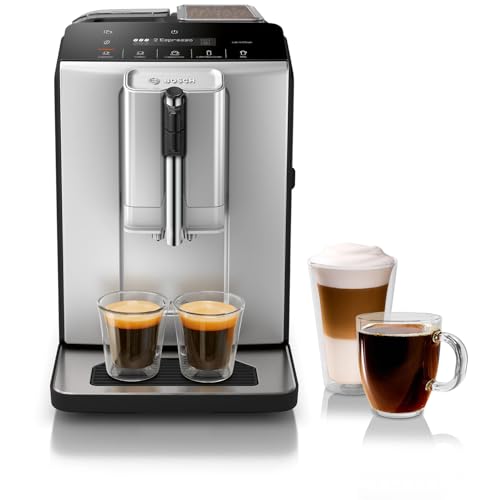
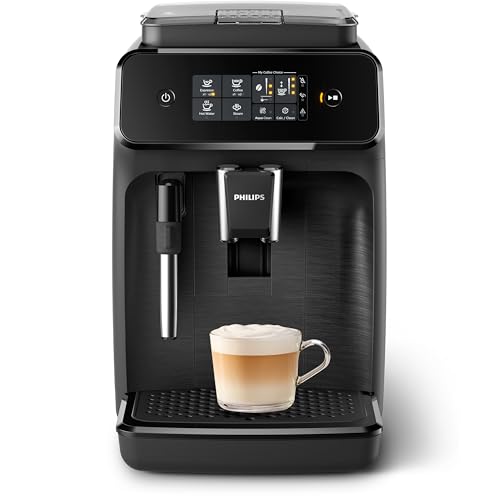
Quick Picks for Automatic Espresso Machine For Beginners
Each pick suits a different kind of beginner, so start with the routine you expect to have rather than the longest feature list.
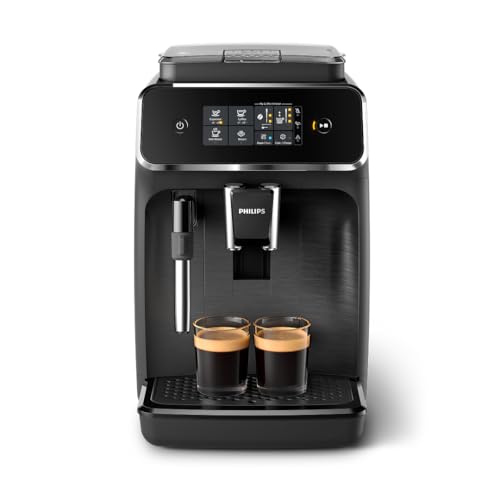
- Philips 2200 Series with Classic Milk Frother: the best fit for most beginners, with a short one-touch menu, a simple touch display and a classic frother for occasional milk drinks.
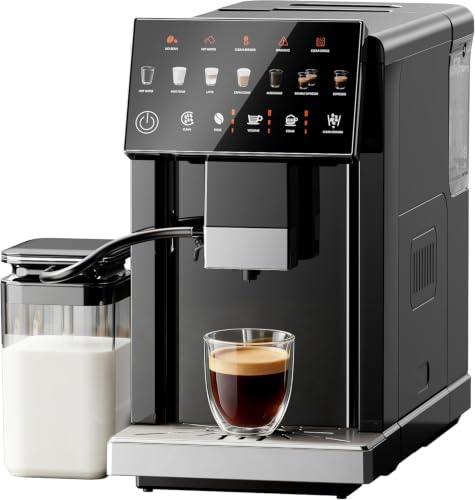
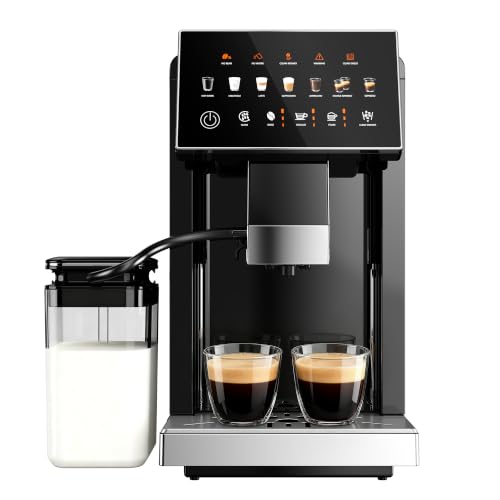
- EUHOMY Automatic Espresso Machine: the value pick, with an automatic milk system, a large water tank and on-screen alerts for beans, water and grounds.
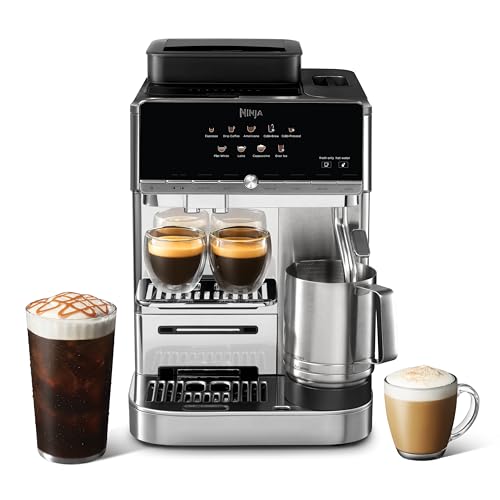
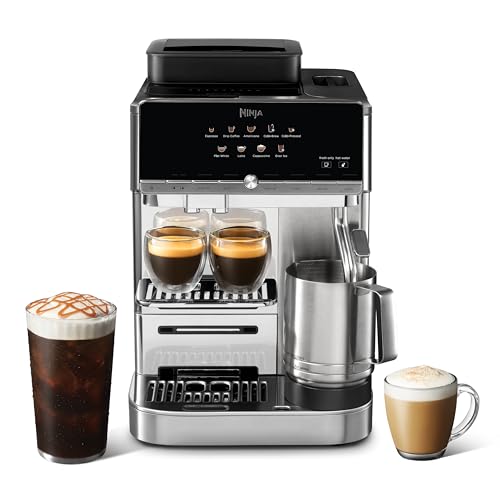
- Ninja AutoBarista AE1002: the simplest workflow, since Grind iQ picks the grind setting for you across 50 options.
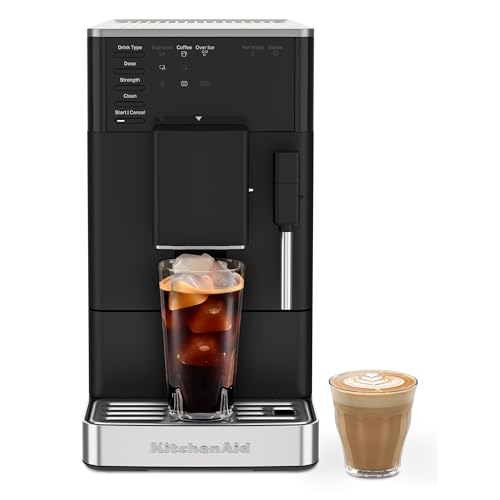
- KitchenAid KF2: an alternative routine for iced coffee drinkers, with an over-ice setting and a compact body.
- De'Longhi Dinamica LatteCrema: added control and convenience, with 18 one-touch recipes and adjustable milk froth.
The trade-off for beginners is simplicity against room to grow. Short menus are easier to learn, while bigger menus keep you interested once the basics feel natural.
Compare the Qualifying Options
Prices are rounded; the product table shows the current figure. Columns cover what each listing states, and anything missing says "see listing".
| Model | Role | One-touch drinks | Milk system | Beginner-friendly feature | Main limitation | Price |
|---|---|---|---|---|---|---|
| Philips 2200 Classic Frother (EP2220) | Main pick | Espresso, coffee, hot water | Classic milk frother (steam) | Grinds, tamps and brews at one touch; AquaClean filter | Milk is a manual step | Around $350 |
| EUHOMY Automatic | Value | Latte, espresso, americano and more | Built-in automatic frothing | Alerts for beans, water, grounds and parts | Lesser-known brand | Around $340 |
| Ninja AutoBarista AE1002 | Simpler workflow | 10 hot and iced drinks | Hot or iced microfoam | Grind iQ chooses from 50 settings | High price for a first machine | Around $950 |
| KitchenAid KF2 | Iced routine | 6 hot and iced recipes | Auto steam wand | Over-ice setting, Intelligrind dosing | Wand needs wiping after each use | Around $800 |
| De'Longhi Dinamica LatteCrema | Added control | 18 recipes | Adjustable LatteCrema | Wide menu, 13 grind settings | Highest price here | Around $1,400 |
All five grind whole beans on board, so the only extra you need on day one is a bag of fresh beans and filtered water if your manual recommends it.
How We Selected the Shortlist
For the best automatic espresso machine for beginners, the first filter was full automation: each machine had to grind, dose and brew without a portafilter, so there is no tamping or shot timing to learn. Machines also had to be sold new on Amazon US; used, renewed and listings without feature details were excluded.
We compared current listings, package contents and published feature descriptions, then read buyer feedback in aggregate for patterns around ease of use, cleaning and reliability. Each role reflects three questions: how much of the espresso process the machine automates, how well it prevents beginner mistakes, and which drinks and serving sizes it covers. This is a research based shortlist. No brewing trials were done, and we have not invented taste scores or timing figures.
Recommended Options
Philips 2200 Series with Classic Milk Frother: Best fit for the main use case
The Philips 2200 with the classic milk frother (model EP2220) is the machine most beginners should look at first, because its short menu is easy to master. Three presets cover espresso, coffee and hot water. The machine grinds, tamps and brews at the push of a button, and you adjust strength and volume on the intuitive display until the drink suits you.
The classic milk frother steams or froths milk and plant-based alternatives for lattes and cappuccinos, and it also works for hot chocolate, tea or matcha. It is a gentle way to learn milk texture, since the machine handles the coffee and you only handle the milk. The ceramic grinder takes care of the beans.
Maintenance is light for a first machine. With the AquaClean filter changed when prompted, Philips says you can brew up to 5,000 cups without descaling. For a first machine, that keeps upkeep down to emptying the drip tray and grounds drawer and changing the filter.
The limitation is milk: the classic frother is a steam wand, so you hold a pitcher, froth and then wipe the wand after each drink. There is also no iced or specialty button. Skip it if you want one-touch lattes; Philips' LatteGo models cost more but automate milk.

EUHOMY Automatic Espresso Machine: Best value within the stated scope
The EUHOMY machine is the budget route into full automation. It makes lattes, espresso and americanos at one touch using a 20 bar pump and an integrated burr grinder with 15 adjustable grind levels. The 1.5 liter water tank means fewer refills than many compact machines.
For beginners, the most useful feature is the alert system. The touchscreen shows status notifications for beans, water, grounds and component placement, so you are told what to fix before a drink fails. An adjustable spout height fits different cups and limits splashing.
Milk drinks use a built-in automatic frothing system. An automatic internal cleaning program and a one-touch bean purge, which clears old beans when you switch flavors, make upkeep easier.
The limitation is brand track record: EUHOMY is less established than Philips or De'Longhi, and support may be harder to reach. Skip it if long-term service and parts availability matter most to you.

Ninja AutoBarista AE1002: Best for a simpler workflow
The Ninja AutoBarista takes one of the hardest beginner decisions, grind size, out of your hands. Grind iQ technology selects automatically from 50 grind settings, aiming for balanced flavor without bitterness. You choose a drink and the machine handles the dial-in.
The menu offers 10 drinks at one touch, from espresso to cold brew and cappuccino, and milk drinks come with hot or iced microfoam from dairy or plant-based milk. That covers most café orders without any manual steps.
Cleanup is designed for people who do not want a routine to remember. Auto-rinse, removable parts and a self-drying interior fan keep the machine fresh between uses.
The limitation is cost: at around $950, it costs more than twice as much as the Philips 2200 for a first machine. It is also a newer model with limited owner feedback so far. Skip it if you want to keep a first espresso machine purchase modest.
KitchenAid KF2: Best for an alternative serving routine
The KitchenAid KF2 suits beginners whose daily drink is iced coffee. It offers 6 hot and iced recipes at one touch, and the over-ice coffee setting brews at a lower temperature to protect flavor and prevent over-extraction, according to KitchenAid. That solves a common problem when pouring hot espresso over ice.
The burr grinder adapts automatically to the bean and roast, and the Intelligrind system fine-tunes the dose. A quiet grinding system and a body that is 25% smaller than KitchenAid's larger models help in small kitchens.
For milk, an auto steam wand pulls air into the milk while steaming. It is a gentle introduction to steaming for anyone who wants to learn later. The box includes a 1.8 liter water tank, a water filter and cleaning tablets.
The limitation is milk: the auto steam wand still needs you to hold the pitcher, then wipe and purge the wand after each use, and the menu stops at six recipes. Skip it if you want fully hands-off milk drinks.

De'Longhi Dinamica LatteCrema: Best for added control or convenience
The Dinamica LatteCrema is for beginners who want a machine they will not outgrow. It offers 18 espresso and specialty recipes at one touch, including latte, cappuccino, macchiato, flat white, ristretto and iced coffee. A conical burr grinder with 13 settings lets you adjust once you know what you like.
Milk drinks are automatic and adjustable through the LatteCrema System, and De'Longhi says it works with oat, soy and rice milk. That gives you both convenience now and control later, as you learn how froth level and strength change a drink.
The listing's own notes are useful for beginners: grind size and dose affect the amount extracted, and drink volumes may need reprogramming if you change them. That is the kind of adjustment a wider menu invites.
The limitation is price, at around $1,400. Skip it if you are not sure you will drink milk drinks often enough to justify a premium machine.

What to Look for Before Buying
Define the Intended Level of Espresso Automation
Espresso machines sit on a spectrum. Manual and semi-automatic machines ask you to grind, dose, tamp and time each shot. Machines with a built-in grinder and a portafilter automate some steps but still need you to lock in and clean the portafilter. Fully automatic (super-automatic) machines handle everything inside, which is why they suit beginners best.
Within the fully automatic group, milk is the next decision. Some machines froth automatically, such as Philips LatteGo or De'Longhi LatteCrema systems, while others use a steam wand or classic frother that you control. Automatic milk is easier on day one, while a wand lets you learn texturing if that interests you.
Decide how much you want to learn. If you just want a reliable morning drink, pick full automation with automatic milk. If you might want to experiment later, choose a machine with adjustable grind and strength so you can grow into it.
Learning Curve and Error Prevention
Beginner mistakes usually involve running out of water or beans, a full grounds drawer, or a part not seated correctly. Machines with clear alerts, like the EUHOMY's status notifications, prevent wasted drinks and confusion. Simple displays with pictures are easier than long menus of text.
Automatic calibration also helps. Ninja's Grind iQ and KitchenAid's Intelligrind adjust grinding or dosing for you, which reduces the trial and error of finding the right setting for new beans.
Look for a removable brew unit or an automatic cleaning cycle as well. Being able to rinse the brew unit under the tap, or letting the machine run its own cleaning program, prevents the stale-coffee buildup that new owners often miss.
Finally, consider how forgiving the machine is when you change things. Machines with a few presets are hard to get wrong. Larger menus need a little more reading of the manual at first, and most people end up using only a few favorite drinks.
Coffee Format and Serving Needs
All of these machines use whole beans. A medium roast is an easy starting point, and very oily dark roasts can clog some grinders, so check your manual. Buy small bags at first while you work out what you like.
Think about drink sizes in fluid ounces. Espresso is about 1 to 2 fl oz, while a coffee or americano setting makes a larger cup from espresso style brewing. That is different from drip coffee, so expectations about strength and volume matter.
Milk drinks add their own format question. Automatic systems draw milk from a jug or container and froth it straight into the cup, while classic frothers and steam wands need a small stainless pitcher. If you use plant-based milk, check that the listing mentions it; several of the machines here name dairy alternatives directly.
Water tank size affects how often you refill. A 1.5 to 1.8 liter tank suits one or two people; larger households benefit from bigger tanks and grounds drawers.
Which Option Fits Your Routine?
Your Must-Have Function
If you want one-touch milk drinks, choose the EUHOMY, Ninja or Dinamica LatteCrema. If you mostly drink espresso and coffee, the Philips 2200 keeps it simple. If iced coffee is your daily drink, the KitchenAid KF2 is the best fit.
Your Preparation and Cleanup Tolerance
Low tolerance points to Ninja's auto-rinse and self-drying design or EUHOMY's automatic cleaning program. A steam wand needs a quick wipe and purge after each drink.
Your Complete Budget
Count beans, water filters, cleaning tablets and descaling products. These recurring costs add a little to the purchase price every month.
Frequently Asked Questions
Which features matter most for this use case?
Full automation, a clear display and easy milk cleaning matter most for a beginner's automatic espresso machine. Alerts for water, beans and grounds prevent mistakes, while automatic grind or dose calibration saves trial and error. A short, simple menu is easier to learn than dozens of options on day one.
How do I choose the correct serving capacity?
Choose capacity by how many drinks you make each day. One or two people do well with a 1.5 to 1.8 liter water tank and a standard bean hopper. If several people drink espresso daily, look for a larger tank and grounds drawer so the machine does not stop for refills during the morning rush.
What extra equipment will I need?
You need very little extra equipment with an automatic espresso machine. Plan on fresh whole beans, water filters if your machine uses them, and cleaning or descaling products. A milk container may be needed for some models, and a milk pitcher helps if your machine has a steam wand.
How much daily cleaning should I expect?
Expect a few minutes of daily cleaning. Empty the drip tray and grounds drawer, rinse milk parts after use and wipe the spout. Many machines run rinse cycles automatically. Deeper cleaning and descaling happen weekly or when prompted, following the manual and approved products.
Final Verdict
For most first-time owners, the Philips 2200 Series with Classic Milk Frother is the best automatic espresso machine for beginners, with a short one-touch menu, a frother for occasional milk drinks and light maintenance at a sensible price. If you want the machine to choose the grind for you and offer more drinks, the Ninja AutoBarista AE1002 is the better alternative. The deciding trade-off is a simple menu against room to grow, so check the current price in the table and start brewing.
To compare other styles, see our guides to the best espresso machine and the best super automatic espresso machine.


