
Best Bean To Cup Espresso Machine: Buying Guide
Disclosure: We may earn a commission when you buy through links on this page, at no extra cost to you. As an Amazon Associate I earn from qualifying purchases. Learn more

The best bean to cup espresso machine for your drinks, from the Philips 3200 LatteGo to the De'Longhi Rivelia and Bosch 800 Series.
The best bean to cup espresso machine grinds whole beans and brews espresso, and often milk drinks, at the press of a button, so you get fresh coffee without learning to tamp or steam. This guide covers fully automatic espresso machines with built-in grinders sold new on Amazon US, from a touchscreen model with automatic milk frothing at around $340 to app connected machines with dozens of hot and cold recipes, and it is clear about which steps each one still leaves to you.
If you know whether milk drinks matter, the quick picks will narrow the field quickly. If you are comparing bean to cup machines with manual espresso machines, the buying section explains what is automated and what is not.



Quick Picks for Bean To Cup Espresso Machine
Every pick grinds whole beans internally and brews automatically. They differ in how milk is handled, how many drinks they offer and how much cleaning they ask of you.
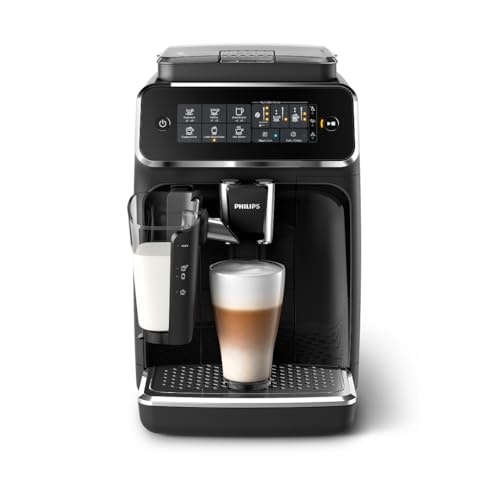
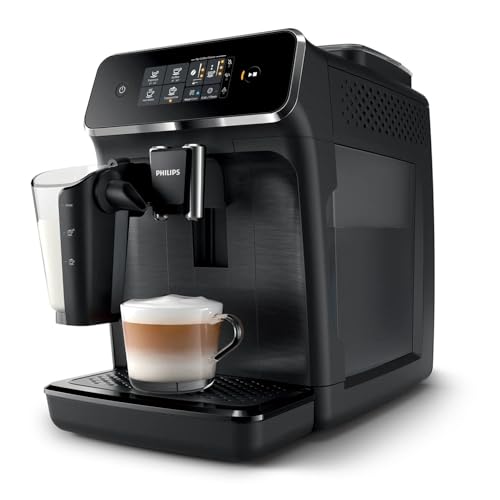
- Philips 3200 Series LatteGo (EP3241/54): the everyday household pick, with five one touch coffees, a two part milk system with no tubes and an AquaClean filter.
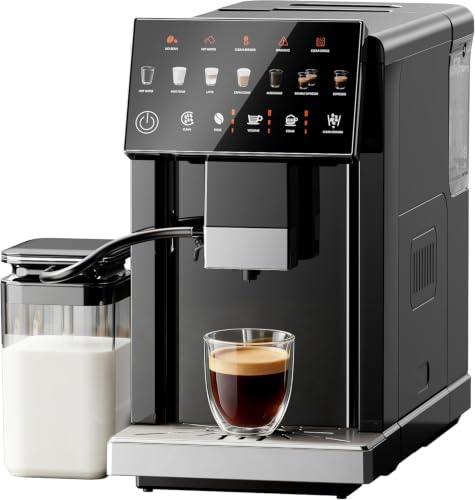
- EUHOMY Automatic Espresso Machine: the value pick, a touchscreen bean to cup machine with a 15 level burr grinder, automatic milk frothing and a 1.5 L tank.
- JURA ENA 4: the small batch pick for one or two black coffee drinkers who want a compact machine and a true double shot.
- De'Longhi Rivelia: the household serving pick, with 50+ hot and cold recipes, two LatteCrema milk systems and cold brew in under 3 minutes.
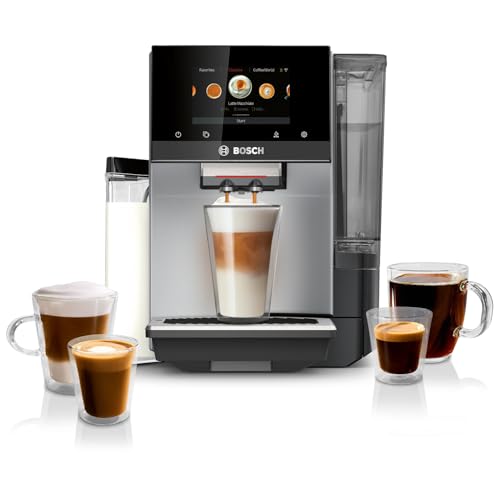
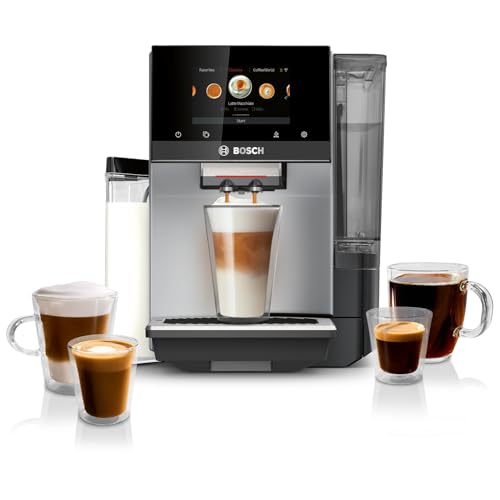
- Bosch 800 Series: the convenience upgrade, with a large touchscreen, 35+ beverages through the Home Connect app and a combined cleaning and descaling program.
The main trade-off is menu size against cleaning and cost. Bigger menus and milk systems add convenience, but they also add parts to rinse and a higher price. Full notes on each machine are in the recommended options section below.
Compare the Qualifying Options
Prices are rounded and change often; check the live price in the product table above. "Milk" describes how each machine handles milk out of the box.
| Model | Role | Milk | Capacity notes | Defining feature | Main limitation | Price |
|---|---|---|---|---|---|---|
| Philips 3200 LatteGo | Everyday household | Automatic, 2 part LatteGo | 5 coffee varieties | Tube-free milk system, AquaClean filter | Smaller menu than pricier machines | Around $500 |
| EUHOMY Automatic | Value | Automatic frothing system | 1.5 L tank, 200 g hopper | 15 grind levels, bean purge | Newer brand, fewer owner reviews | Around $340 |
| JURA ENA 4 | Small batches | None | Compact, Doppio function | Pulse Extraction Process, optional pre-ground | No milk system; high price for black coffee | Around $1,200 |
| De'Longhi Rivelia | Household serving | Two automatic LatteCrema systems, hot and cold | 50+ recipes | Cold Extraction Technology | More parts to clean | Around $1,000 |
| Bosch 800 Series | Convenience upgrade | Integrated milk container | 35+ beverages via app | Calc'n Clean combined program | Most expensive here | Around $1,500 |
Water filters and cleaning supplies vary by brand: Philips uses AquaClean filters, Bosch includes a Mavea filter, and JURA and De'Longhi have their own cleaning products. Budget for them as a running cost.
How We Selected the Shortlist
We set the boundary first: every machine had to grind whole beans internally and brew espresso automatically, with no tamping or portafilter handling. Semi-automatic machines with built-in grinders, such as Breville's Barista range, were kept to the product table because they still need manual dosing and tamping. Pod machines and refurbished listings were excluded.
We then checked current Amazon US listings, manufacturer specifications and package contents, and read buyer feedback in aggregate for patterns in reliability, milk system cleaning and noise. For the best bean to cup espresso machine roles, we compared espresso extraction and milk workflow, how much of the path from fresh beans to a finished drink is automated, and coffee format and serving needs. This is a research based guide; we did not brew with these machines, so no taste scores or measured temperatures appear below.
Recommended Options
Philips 3200 Series LatteGo: Best everyday household brewer
The Philips 3200 Series LatteGo EP3241/54 suits households that want espresso and milk drinks every day without a complicated cleaning routine. It makes five coffees at one touch, espresso, coffee, americano, cappuccino and latte macchiato, using a 100% ceramic grinder, and the Aroma Extract system balances brewing temperature and aroma extraction.
The milk workflow is the reason it leads this list. The LatteGo system has only two parts and no tubes or hidden parts, and Philips says it can be cleaned in as little as 15 seconds under the tap or in the dishwasher. The AquaClean filter, changed when the machine prompts, means you will not need to descale for up to 5,000 cups, according to the listing.
The concrete limitation is menu size: five drinks covers most households, but there are no iced or cold brew options and fewer customizations than higher priced machines. Skip it if you want flat whites, cortados or iced drinks at one touch. Running costs include AquaClean filters and the beans you choose.

EUHOMY Automatic Espresso Machine: Best value for the required features
The EUHOMY Automatic Espresso Machine (CM004-02) covers the full fresh bean path at the lowest price on this list. An integrated burr grinder with 15 grind levels feeds a 20 bar pump, and a touchscreen lets you adjust drink volume and extraction for lattes, espresso and Americanos.
It keeps the routine simple. The 1.5 L (about 50 fl oz) water tank and 200 g bean hopper are sized for a household, status alerts flag beans, water, grounds and part placement, and an automatic internal cleaning program plus a one-touch bean purge help when you switch beans. For milk drinks, the listing describes a built-in automatic milk frothing system and an adjustable coffee spout height.
The limitation is track record: it is a newer, lesser-known brand with fewer owner reviews than the Philips or De'Longhi models here, so long-term support is harder to judge. Skip it if you want a big recipe menu or an established service network; the Philips 3200 costs more but comes from a brand with wider support. For a first bean to cup machine on a budget, it is a lot of machine for the price.

JURA ENA 4: Best for small batches
The JURA ENA 4 is built for one or two people who drink espresso or black coffee and want a compact machine. JURA describes it as a compact automatic coffee machine for the espresso and coffee connoisseur, with a Professional Aroma Grinder for fresh whole beans and the option of pre-ground coffee for an occasional decaf.
Two features suit small, high quality batches. The Intelligent Pulse Extraction Process and a Doppio function make a true double shot, and you can program coffee strength and volume so your usual cup comes out the same every time. A symbol display keeps navigation simple, without menus to scroll through.
The limitation is milk: there is no milk system, so lattes need a separate frother. The price is also high for a black coffee machine. Skip it if anyone in the house drinks milk drinks daily; the Philips 3200 or Rivelia will suit you better. Our best JURA coffee machine guide compares the wider JURA range.

De'Longhi Rivelia: Best for household serving
The De'Longhi Rivelia suits homes where several people want different drinks, hot or cold. It offers 50+ one touch recipes, from espresso, cappuccino and latte to iced cappuccino, iced latte and cold brew, and a built-in grinder with 13 grind settings lets you adjust for different beans.
Milk is handled by two LatteCrema systems. The Hot system textures dairy milk or milk alternatives for classic drinks, and the Cool system delivers cold foam for iced drinks. De'Longhi's Cold Extraction Technology makes cold brew in under 3 minutes, according to the listing, which is far faster than steeping overnight.
The limitation is upkeep: two milk systems and a large menu mean more parts to rinse and more settings to learn. Skip it if your household only drinks hot coffee and espresso, because the Philips 3200 covers that for half the price. For mixed households with iced coffee fans, it is the most flexible machine here.

Bosch 800 Series: Best convenience upgrade
The Bosch 800 Series fits buyers who want personalization and remote control. A large touchscreen lets you make and adjust a latte macchiato, cappuccino or espresso, and you can change strength, size, milk ratio and aroma to your liking. Through the Home Connect app you can start drinks from another room and access 35+ beverages.
Maintenance is designed to be quick. A combined cleaning and descaling program, Calc'n Clean, reduces maintenance time, with a step by step guide on screen. The box includes a Mavea water filter and insertion aid, an integrated milk container, a milk adapter, a microfiber cloth and a water hardness test strip, so setup is complete out of the box.
The limitation is price: at around $1,500 it costs more than the Rivelia, and the app features only matter if you use them. Skip it if you prefer physical buttons or do not want a connected appliance. For people who value one touch personalization and easier maintenance, it is the upgrade pick.
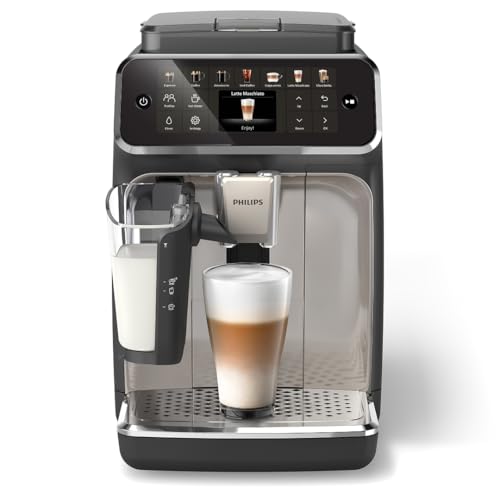
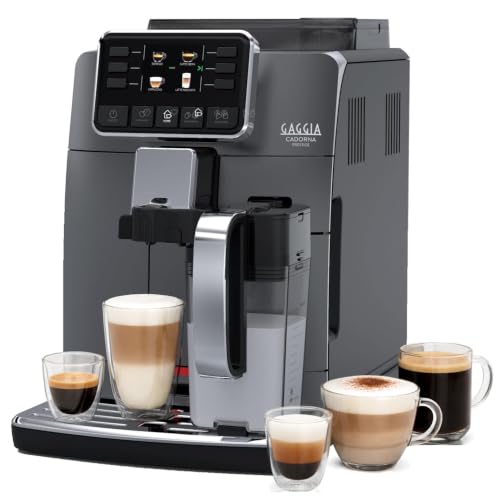
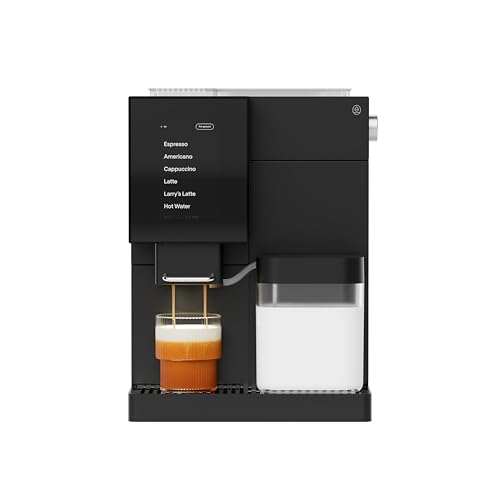
The product table also lists the Philips 4400 Series with 12 hot and iced coffees, the Philips 2200 Series LatteGo, the Gaggia Cadorna Prestige with 14 beverages and 4 user profiles, the Terra Kaffe TK-02 and the Breville Oracle Jet, which automates grinding and tamping on a portafilter machine. For more options, see our best super automatic espresso machine guide, or the best espresso machine roundup if you are open to manual machines.
What to Look for Before Buying
Espresso Extraction and Milk Workflow
Bean to cup machines control grind, dose and brewing for you, so the main extraction choices are grind settings and strength or volume programming. More grind settings help when you switch between bean types. Do not rank machines by advertised pump pressure alone; a bigger bar number on the box does not mean better espresso.
Milk is the bigger decision. Manual frothers, like the classic wands on entry machines, are cheaper and simple to clean but need technique. Automatic systems, like LatteGo or LatteCrema, froth at one touch but add parts to rinse after use. Tube-free designs reduce hidden spots where milk can sit.
Keep espresso and brewed coffee separate. A "long coffee" or americano setting adds water to espresso or extends the brew, which differs from drip coffee. If your household drinks big mugs of filter coffee, check how each machine makes a long drink.
Fresh Beans to a Finished Drink
This page covers espresso based machines, not drip brewers with grinders. Every pick here grinds beans, doses, brews and ejects the puck internally. That is the core promise of bean to cup.
Be honest about the steps that remain. You still fill the water tank, top up beans, empty the grounds container and drip tray, and handle milk: pouring it into a container, attaching it, and cleaning it afterward. Water filters need changing and descaling still happens unless a filter system replaces it for a set number of cups.
Integrated grinding is not the same as fully automatic drinks. Semi-automatic machines with built-in grinders still need you to tamp and lock in a portafilter, and you steam milk yourself on many of them. If you want a press-one-button routine, stick with the fully automatic machines in this shortlist.
Coffee Format and Serving Needs
All of these machines use whole beans; some also take pre-ground coffee through a separate chute, which is useful for decaf. None uses pods. Buy beans in amounts you finish within a few weeks, since the hopper holds them at room temperature.
Match the machine to your drinks and volume. Bean to cup machines make one or two drinks at a time, so a family that wants four lattes at 7 a.m. should look at two cup functions, milk system speed and tank size. If you mostly drink espresso, a compact machine without milk handling saves money and cleaning.
Do not compare espresso with drip output as if they were the same. A single espresso is about one ounce and very concentrated; a mug of drip coffee is ten or more. For big mugs of coffee, a long coffee function or a separate drip brewer fills the gap.
Which Option Fits Your Routine?
Your Must-Have Function
For one touch milk drinks at a fair price, choose the Philips 3200. If you want the lowest price, the EUHOMY fits. Iced drinks and cold brew point to the Rivelia.
Your Preparation and Cleanup Tolerance
Tube-free milk systems like LatteGo are the easiest to rinse. Machines without milk systems need the least daily cleaning. Pick only the milk features you will use.
Your Complete Budget
Add water filters, cleaning tablets or descaler, milk system cleaner and beans to the machine price. These supplies are an ongoing cost for every bean to cup machine.
Frequently Asked Questions
Which features matter most for this use case?
The milk system, grinder adjustment and cleaning design matter most in a bean to cup machine. Decide first whether you need milk drinks, then compare how easy the milk system is to clean. After that, the number of drinks, cold options and app control separate the models.
How do I choose the correct serving capacity?
Check the water tank size, bean container and whether the machine makes two drinks at once. These machines brew one or two drinks per cycle, so households with several coffee drinkers will refill more often. A large tank, like the EUHOMY's 1.5 L, means fewer refills.
What extra equipment will I need?
You will need the brand's water filters, cleaning or descaling products and, for milk models, a milk system cleaner. A milk jug may be needed for manual frothers. Check each listing's box contents, since some machines include filters and milk containers while others sell them separately.
How much daily cleaning should I expect?
Expect a few minutes a day: empty the grounds container and drip tray when prompted, refill water and beans, and rinse the milk system after milk drinks. Periodic cleaning and descaling programs run when the machine asks; follow the manufacturer's instructions.
Final Verdict
For most households, the Philips 3200 Series LatteGo is the best bean to cup espresso machine, pairing one touch milk drinks with a milk system that is quick to clean. If you want iced drinks, cold brew and a much bigger menu, the De'Longhi Rivelia is the alternative worth paying for. Decide which drinks you make every day, then check the current price in the table above.


