
Best Breville Espresso Machine: Buying Guide
Disclosure: We may earn a commission when you buy through links on this page, at no extra cost to you. As an Amazon Associate I earn from qualifying purchases. Learn more

The best Breville espresso machine for your skills: Barista Express, Bambino, Impress, Barista Touch and Dual Boiler compared.
The best Breville espresso machine for you depends on how much of the barista work you want to do yourself: grinding, dosing, tamping and steaming milk. Breville's semi-automatic range covers all of it, from the compact Bambino at around $250 to the Dual Boiler at around $1,600, and this guide compares the current models sold new on Amazon US by espresso control, milk workflow and daily cleanup.
If you already know whether you want a built-in grinder, the quick picks will narrow it down fast. If you are new to home espresso, the buying section explains what each feature does in plain terms and which extras you will need.




Quick Picks for Breville Espresso Machine
All five picks are semi-automatic machines with a portafilter, so you control the shot. They differ in grinders, milk handling and how much help they give with dosing and tamping.
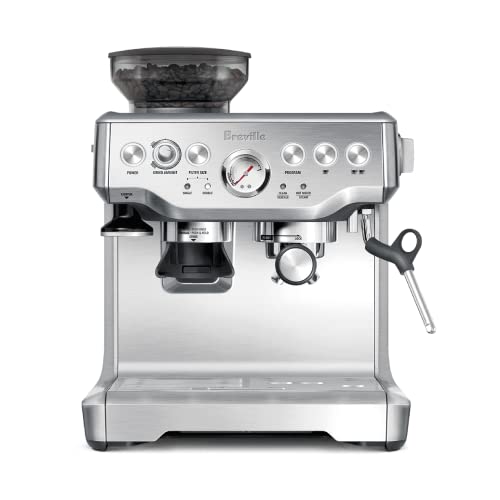
- Breville Barista Express BES870XL: the main pick for most beginners, with a built-in conical burr grinder, digital temperature control and a manual steam wand.
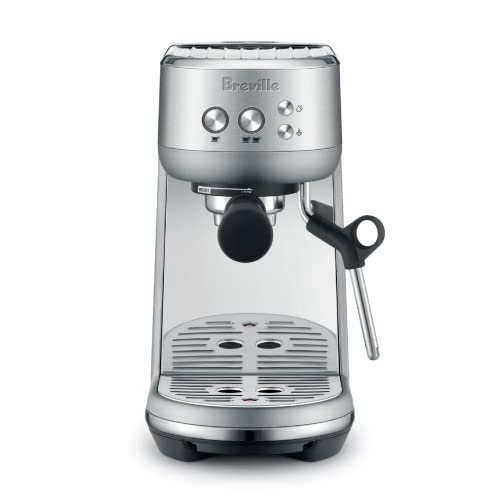
- Breville Bambino BES450: the value pick for a small kitchen, with a 3 second heat up and a compact body, if you already own or will buy a grinder.
- Breville Barista Express Impress BES876: the simpler workflow pick, with intelligent dosing and assisted tamping that remove two common beginner mistakes.
- Breville Barista Touch BES880: the alternative routine pick for milk drink households, with automatic milk texturing and a touchscreen that saves up to 8 drinks.
- Breville Dual Boiler BES920XL: the added control pick, with two boilers for brewing and steaming at the same time, a shot clock and a 58mm portafilter.
The main trade-off is between help and control. Machines that dose, tamp or texture milk for you are easier to learn, while machines that leave those steps to you reward practice. Each model is covered in detail in the recommended options section below.
Compare the Qualifying Options
Prices are rounded and change often; check the live price in the product table above. "Grinder" means a built-in burr grinder; machines without one need a separate espresso grinder.
| Model | Role | Grinder | Milk | Defining feature | Main limitation | Price |
|---|---|---|---|---|---|---|
| Barista Express BES870XL | Main pick | Built-in conical burr | Manual steam wand | Grind directly into the portafilter, PID | Manual dosing and tamping to learn | Around $500 |
| Bambino BES450 | Value | None | Steam wand | ThermoJet heat up in 3 seconds, compact | Needs a separate grinder | Around $250 |
| Barista Express Impress BES876 | Simpler workflow | Built-in, 25 settings | Manual steam wand | Intelligent dosing, assisted tamping | Higher price than the Express | Around $650 |
| Barista Touch BES880 | Milk routine | Built-in conical burr | Automatic steam wand | Touchscreen, 8 saved drinks | Pricier, more electronics | Around $800 |
| Dual Boiler BES920XL | Added control | None | Manual steam wand | Dual boilers, shot clock, 58mm portafilter | Needs a grinder; expensive | Around $1,600 |
All of these machines need a milk pitcher for milk drinks, and Breville cleaning tablets and descaler for periodic maintenance. A kitchen scale is optional but helps with consistent shots.
How We Selected the Shortlist
Because this is a brand guide, every machine had to be a Breville espresso machine with a portafilter, sold new on Amazon US in its US version. Nespresso machines made by Breville, remanufactured units and bundles were left out, and each model is represented by one listing so the comparison is about features rather than colors.
We compared Breville's published specifications, current listing details and package contents, then read owner feedback in aggregate for patterns in learning curve, reliability and cleaning effort. For the best Breville espresso machine roles, we weighed espresso extraction and milk workflow, coffee format and serving needs, and daily workflow and cleanup. This is a research based guide: we did not pull shots on these machines ourselves, so no taste scores or measured temperatures appear below.
Recommended Options
Breville Barista Express BES870XL: Best fit for the main use case
The Barista Express BES870XL is the machine most people picture when they think of Breville, and it fits the most common goal: real espresso and milk drinks from fresh beans with one appliance. The integrated conical burr grinder grinds on demand directly into the portafilter, and a grind size dial lets you adjust for different beans.
Two capabilities shape the espresso. Digital temperature control (PID) delivers water at a steady temperature, and low pressure pre-infusion gradually increases pressure at the start of the shot to extract more evenly. For milk, a manual steam wand turns milk into microfoam for lattes and cappuccinos, which takes practice but gives you full control over texture.
The concrete limitation is the learning curve. You dose and tamp by hand, and dialing in a new bag of beans can take several shots. Skip it if you want café drinks with minimal effort; the Barista Touch or one of the machines in our best super automatic espresso machine guide will suit you better. Our Breville Barista Express review covers the routine in more depth.
Breville Bambino BES450: Best value within the stated scope
The Bambino BES450 delivers Breville's core espresso features at the lowest price in the lineup. Its ThermoJet heating system reaches extraction temperature in 3 seconds, so a shot before work does not mean waiting for a boiler, and the compact body fits small kitchens.
The coffee side follows Breville's formula: a 54mm portafilter holding 19 grams, digital temperature control (PID) and low pressure pre-infusion. The listing describes a steam wand that lets you adjust milk temperature and texture, wording that overlaps closely with the Bambino Plus listing, so compare the two carefully; our Breville Bambino vs Bambino Plus comparison sets out the listed differences.
The limitation is that there is no grinder. Good espresso needs fresh, fine and consistent grounds, so budget for a capable espresso grinder unless you already own one. Skip it if you want a single appliance on the counter; the Barista Express includes a grinder for about twice the price. For a second machine or a tight space, the Bambino is hard to beat.
Breville Barista Express Impress BES876: Best for a simpler workflow
The Barista Express Impress BES876 keeps the familiar Barista Express layout but automates the two steps beginners struggle with most: dosing and tamping. Its intelligent dosing system calculates and adjusts the amount of coffee for each shot and auto corrects the next dose, while assisted tamping applies a consistent 10 kg of pressure with a 7 degree finishing twist.
That makes the daily routine more repeatable. You grind, pull the lever to tamp, lock in the portafilter and brew, with fewer messy counters and fewer wasted shots. The integrated conical burr grinder has 25 grind settings, and the Thermocoil heating system with PID control manages temperature. A manual steam wand handles milk.
The limitation is price: it costs around $150 more than the standard Barista Express for the same basic espresso hardware. Skip it if you are happy to learn manual tamping, since the Express then gives you most of the result for less. Milk texturing is still manual, so it does not simplify lattes.
Breville Barista Touch BES880: Best for an alternative serving routine
The Barista Touch BES880 suits households where milk drinks are the main event. Its automatic steam wand lets you set milk temperature and texture, then textures the milk for you, so you can prepare the next shot while the milk froths.
The touchscreen simplifies the whole routine into three steps: Grind, Brew and Milk. You can adjust coffee strength, milk texture and temperature, then create and save up to 8 personalized coffees, which helps when different people in the house drink different things. A ThermoJet heating system reaches extraction temperature in 3 seconds, and the integrated conical burr grinder doses on demand.
The limitation is cost and complexity: at around $800 it is a large step up from the Barista Express, and a touchscreen adds electronics to a machine that sits near steam and water. Skip it if you enjoy steaming milk by hand. Our Breville Barista Touch review covers the milk system in detail.
Breville Dual Boiler BES920XL: Best for added control or convenience
The Dual Boiler BES920XL is for experienced home baristas who want more control. Two stainless steel boilers and a heated group head, regulated by PID, let you pull a shot and steam milk at the same time, which speeds up back to back milk drinks.
The control features are aimed at consistency. An over pressure valve limits maximum pump pressure, low pressure pre-infusion starts the shot gently, and the LCD shows a shot clock so you can track extraction time. The 58mm portafilter holds 19 to 22 grams, matching the size used on many commercial machines and widening your choice of baskets and tampers.
The limitations are price and the missing grinder. At around $1,600 before you add a quality grinder, it is a serious investment. Skip it if you are new to espresso or have limited counter space; the Barista Express or Impress will teach you the basics for far less.
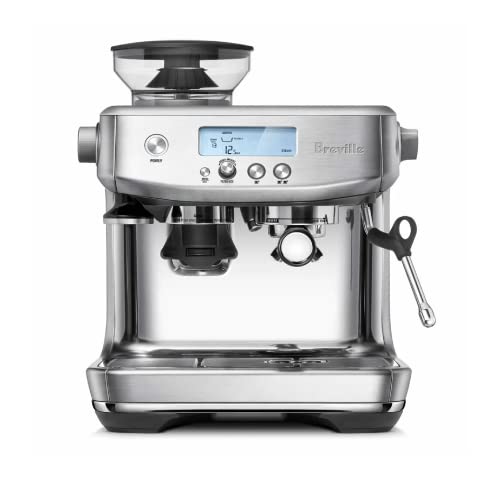
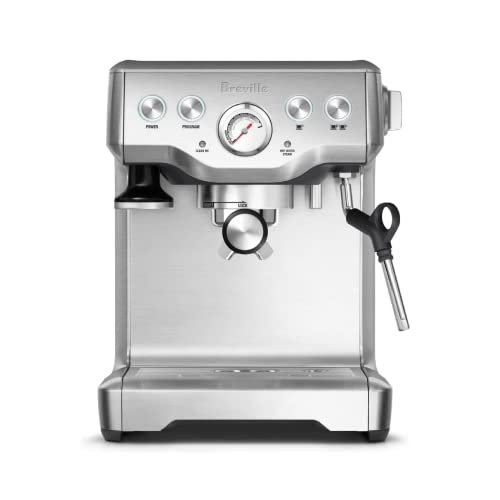
The product table also lists the Bambino Plus, the Barista Pro with an LCD and ThermoJet heating, the Infuser with volumetric shot control and a pressure gauge, the Oracle Jet with automatic grinding, dosing and tamping, and Breville cleaning tablets. For drip machines, grinders and other Breville appliances, see our best Breville coffee machine guide, and for every brand compared, our best espresso machine roundup.
What to Look for Before Buying
Espresso Extraction and Milk Workflow
Espresso depends on four things: a consistent dose, the right grind, steady water temperature and even pressure. Breville's machines address temperature with PID control and pressure with low pressure pre-infusion across the range, so the bigger differences lie in grinding, dosing and tamping.
A built-in grinder, as on the Barista Express, Impress and Touch, saves space and money compared with buying a separate grinder. Machines without one, such as the Bambino and Dual Boiler, need an espresso capable burr grinder that can make fine, small adjustments. A basic blade grinder or a drip grinder will not produce good espresso.
Milk workflow splits the range too. Manual steam wands give full control and reward practice, while automatic wands on the Barista Touch handle texturing for you. If you make several milk drinks in a row, the Dual Boiler's ability to brew and steam at once saves time.
Coffee Format and Serving Needs
All of these machines use ground coffee in a portafilter, not pods. Fresh whole beans ground just before brewing give the best results, and pre-ground coffee usually produces weak, fast shots because the grind is too coarse for espresso.
Espresso is a small, concentrated drink, typically one or two ounces per shot, so these machines make drinks one or two at a time. If your household wants a carafe of coffee every morning, an espresso machine will not replace a drip brewer. Many homes keep both.
Think about who drinks what. One person making a daily cappuccino can enjoy any model here. A household making four milk drinks before work benefits from faster steaming, automatic milk texturing or the Dual Boiler's simultaneous brewing.
Daily Workflow and Cleanup
Count the daily steps: grind and dose, tamp, brew, steam milk, then knock out the puck, rinse the portafilter, purge and wipe the steam wand, and empty the drip tray. Assisted dosing and tamping reduce mess, and automatic milk texturing reduces attention, but every espresso machine needs a few minutes of cleanup.
Maintenance is separate from daily cleaning. Breville machines prompt for cleaning cycles with cleaning tablets and for descaling, and some models use water filters. Follow the manual for your model and your water hardness rather than a universal schedule.
Check controls and space. Touchscreens are friendly for occasional users, while dials and buttons suit people who make the same drink daily. Measure counter depth and cabinet height, and leave space to remove the water tank and lift the bean hopper.
Which Option Fits Your Routine?
Your Must-Have Function
If you want a grinder included, choose the Barista Express or Impress. If you want automatic milk, choose the Barista Touch. For a tight budget or space, the Bambino fits, and for maximum control, the Dual Boiler.
Your Preparation and Cleanup Tolerance
Assisted dosing and tamping on the Impress cut mess and guesswork. If you enjoy the process, the Barista Express or Dual Boiler give you more to adjust.
Your Complete Budget
Add a grinder for the Bambino or Dual Boiler, plus a milk pitcher, cleaning tablets, descaler and fresh beans. A machine with a built-in grinder often costs less overall.
Frequently Asked Questions
Which features matter most for this use case?
A capable grinder, steady temperature control and a milk system that matches your skills matter most. Every Breville here has PID temperature control, so focus on whether the grinder is built in, how dosing and tamping work, and whether you want manual or automatic milk texturing.
How do I choose the correct serving capacity?
Count how many drinks you make in a row, not how many ounces. Espresso machines make one or two shots at a time, so the key questions are heat up time, how quickly the machine switches to steam, and whether it can brew and steam at once for several milk drinks.
What extra equipment will I need?
You will need a milk pitcher for milk drinks, cleaning tablets and descaler for maintenance, and an espresso grinder if your machine has none. A small scale and a knock box make the routine cleaner. Check what each model includes in the box before buying.
How much daily cleaning should I expect?
Expect about five minutes a day: knock out pucks, rinse the portafilter, purge and wipe the steam wand after each use, and empty the drip tray. Cleaning cycles and descaling are periodic and should follow the manufacturer's instructions for your model and water.
Final Verdict
For most people, the Barista Express BES870XL is the best Breville espresso machine because it combines a built-in grinder, steady temperature control and a capable steam wand at a fair price. If you want the machine to handle more of the work, the Barista Express Impress is the alternative worth the extra cost. Decide how much of the barista process you want to do yourself, then check the current price in the table above.