
Best Coffee Maker For Cold Brew: Buying Guide
Disclosure: We may earn a commission when you buy through links on this page, at no extra cost to you. As an Amazon Associate I earn from qualifying purchases. Learn more
Pick the best coffee maker for cold brew by method: a long-steep pitcher, a drain-switch tower or a fast electric brewer.
The best coffee maker for cold brew depends on one question most buyers skip: do you want coffee that is actually extracted with cold water over many hours, or hot coffee made to taste good over ice? This guide covers true steep-and-strain cold brewers, two fast electric extractors and one drip machine with a rapid cold brew setting, all sold new on Amazon US, so you can match the method to your mornings.
If you already know you want an overnight concentrate in the fridge, go straight to the quick picks. If you are not sure whether a plain pitcher or a machine is worth it, the buying section below explains the differences in plain terms, including the cleanup each style asks of you.





Quick Picks for Coffee Maker For Cold Brew
Each pick covers a different routine. Read them as answers to "how do I want to make and drink cold coffee?" rather than as a single ranking.
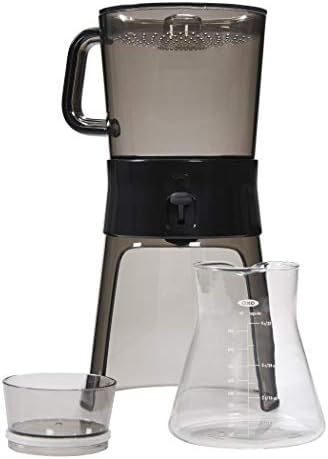
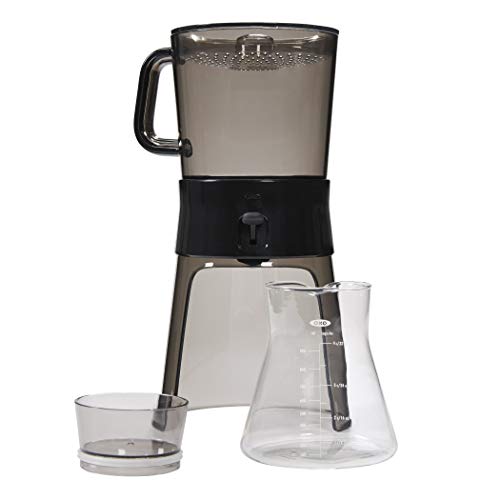
- OXO Brew Cold Brew Coffee Maker: the main pick for true cold extraction, with a rainmaker lid for even saturation and a release switch that drains the concentrate into a glass carafe when you choose.
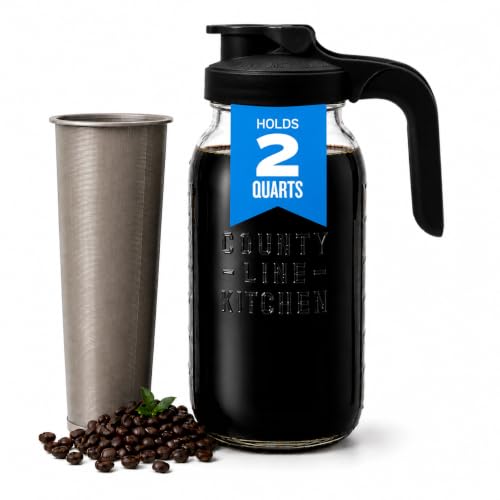
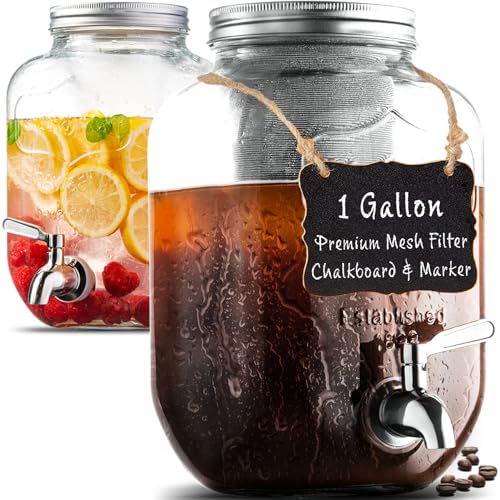
- County Line Kitchen 64 oz Cold Brew Maker: the value choice, a wide-mouth glass mason jar with a stainless mesh filter and a flip-cap spout for brewing and storing in one vessel.
- Takeya Deluxe Cold Brew Maker (2 qt): the simplest workflow, a shatter-resistant Tritan pitcher that fits most refrigerator doors and goes in the dishwasher.
- Ninja Hot & Iced XL Coffee Maker (CM371): the pick if you also want hot coffee and iced coffee from one countertop machine, with a Cold Brew style that the maker says finishes in as little as 10 minutes.
- VINCI Express Electric Cold Brew Maker (68 oz): the convenience upgrade for people who do not want to plan a day ahead, with three timed strength settings and a self-cleaning cycle.
The principal trade-off runs between time and effort. Passive pitchers cost little and make classic concentrate but need 12 hours or more of planning, while electric models save the wait at a higher price and with more parts to look after. See the detailed notes in the recommended options section.
Compare the Qualifying Options
Prices are rounded and change often, so treat them as a guide and confirm the live price in the product table above. Capacities are listed in fluid ounces as stated on each listing.
| Model | Role | Method | Capacity | Defining feature | Main limitation | Price |
|---|---|---|---|---|---|---|
| OXO Brew Cold Brew | Main pick | Cold steep, 12 to 24 hours | 32 oz concentrate carafe | Rainmaker lid, brew-release switch | Larger footprint than a pitcher | Around $50 |
| County Line Kitchen 64 oz | Value | Cold steep in a jar | 64 oz jar | Leak-proof flip-cap lid | Glass jar is heavy when full | Around $33 |
| Takeya Deluxe 2 qt | Simple workflow | Cold steep in a pitcher | 2 quarts (64 oz) | Tritan body, fits fridge doors | Plastic rather than glass | Around $35 |
| Ninja CM371 | Alternate routine | Rapid Cold Brew style plus hot drip | Cup sizes up to a full carafe | Classic, Rich, Over Ice and Cold Brew | Not an overnight cold steep | Around $140 |
| VINCI Express 68 oz | Added convenience | Electric circulation, 10 to 25 minutes | 68 oz glass carafe | Light, Medium and Bold settings | Highest price, needs counter space | Around $120 |
None of these brewers needs paper filters to work: the OXO, County Line, Takeya and VINCI all use reusable mesh filters. Coarse ground coffee is the only required supply, and a burr grinder is optional if you buy pre-ground beans labeled for cold brew or French press.
How We Selected the Shortlist
We started with products that are sold new on Amazon US right now and that genuinely make cold brew, not just iced coffee. That rule removed drip machines whose only cold feature is brewing hot coffee over ice, plus tea-only infusers, commercial filter bags and refurbished listings.
From there, we compared manufacturer specifications, current listing details and package contents, then read buyer feedback in aggregate for recurring praise and complaints such as leaks, cracked jars or filters that let silt through. To find the best coffee maker for cold brew, three questions shaped every pick: whether the method is real cold extraction or coffee simply served cold, which coffee format and batch size it handles, and how much daily work it adds in loading, straining and washing.
This is a research based shortlist. The judgments come from published specs and owner feedback, not from brewing trials of our own, so we do not quote taste scores, extraction yields or exact brew times beyond what each maker states.
Recommended Options
OXO Brew Cold Brew Coffee Maker: Best fit for the main use case
The OXO Brew Cold Brew Coffee Maker qualifies because it does exactly what most people mean by cold brew: it extracts coffee with cold water over a long steep, then filters it into a separate carafe. You load coarse grounds into the brewing container, pour water over the perforated rainmaker top so it spreads evenly across the bed, and let it sit for 12 to 24 hours.
Two features make daily life easier. The brew-release switch lets you start draining when the steep reaches the strength you like, and the listing says it stops automatically if the carafe is removed, which helps prevent spills. The borosilicate glass carafe holds up to 32 oz of concentrate with measurement markings and fits in the fridge, and OXO says one batch makes up to 14 drinks once diluted with water or milk.
The concrete limitation is footprint. The brewing stand and container take more counter space than a pitcher, and only the carafe is dishwasher safe, so the rest gets washed by hand. Skip it if you want a single vessel that brews and stores in the same fridge shelf space. A reusable stainless mesh filter is included, so there are no paper filters to buy.
County Line Kitchen 64 oz Cold Brew Maker: Best value within the stated scope
The County Line Kitchen cold brew maker is a 64 oz wide-mouth glass mason jar with a stainless steel mesh filter that sits inside it. You add coarse grounds to the filter, pour in cold water, cap it and steep in the fridge, so the coffee format is simply regular ground coffee with nothing else to buy.
Two practical details stand out for the price of around $33. The flip-cap spout lid is designed to be leak-proof, so you can pour without unscrewing the whole top, and the jar doubles as a storage pitcher once you lift the filter out. Parts are listed as dishwasher safe, which keeps weekly cleanup short.
The limitation is weight and handling: a full 64 oz glass jar is heavy and can break if dropped, and the listing warns against adding warm or boiling water. Skip it if you have kids reaching into the fridge or prefer shatter-resistant plastic. It also uses a mesh filter only, so some fine sediment can settle at the bottom; pouring gently and leaving the last ounce behind solves most of that.
Takeya Deluxe Cold Brew Maker: Best for a simpler workflow
The Takeya Deluxe is the easiest way to keep cold brew going all week. It is a 2 quart Tritan pitcher with a fine-mesh filter insert and an airtight, leak-proof lid, so brewing, storing and pouring all happen in one container that slides into most refrigerator doors.
Daily workflow is about as short as cold brew gets. Fill the filter with grounds, add water, close the lid and leave it; the next day, pull the filter, knock the grounds into the trash or compost and rinse. Takeya describes the Tritan body as shatter-proof and resistant to stains and odors, and the pitcher is dishwasher safe, which matters when coffee oils build up over weeks.
The limitation is the material. Some buyers simply prefer glass for long-term storage, and Tritan can show scratches over time. Skip it if you want a separate carafe for serving guests or a brew-release system like the OXO. It also has no strength control beyond how long you steep and how much coffee you use, which suits most people but not tinkerers.
Ninja Hot & Iced XL Coffee Maker: Best for an alternative serving routine
The Ninja Hot & Iced XL (model CM371) is the pick for households that want hot coffee in the morning and cold coffee in the afternoon from the same machine. It offers four brew styles: Classic, Rich, Over Ice and Cold Brew, and Ninja says the Cold Brew style makes smooth cold brew in as little as 10 minutes.
That speed is the point to understand. This is a rapid cold brew setting on a drip machine, not an overnight cold steep, so it fits people who want cold coffee on demand rather than a jug of concentrate. Eight brew sizes run from a small cup through XL travel sizes up to a quarter, half or full carafe, and the removable reservoir uses auto-metering to sense the water amount, so you do not measure for each size.
The limitation is that purists may not consider it true cold brew, and it takes the counter space of a full drip machine. Skip it if all you drink is cold brew concentrate; a pitcher costs less and does that job. A 24 hour delay brew is handy for hot coffee at wake-up. For more Ninja options with this feature, see our guide to the best Ninja coffee maker for cold brew.
VINCI Express Electric Cold Brew Maker: Best for added control or convenience
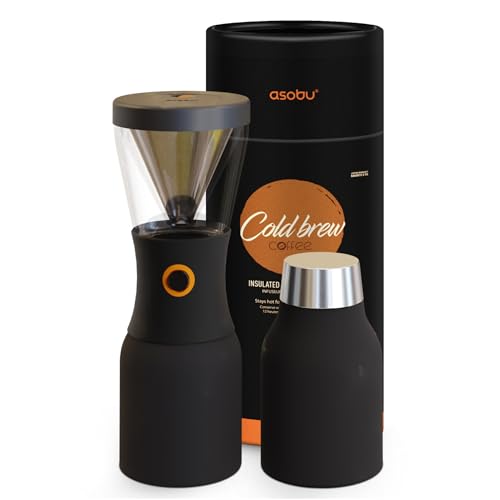
The VINCI Express is for people who like cold brew but never remember to start it the night before. Instead of a passive steep, it circulates water through the grounds, and the maker says it produces cold brew concentrate in as little as 10 minutes.
Control comes from three built-in extraction settings on the panel: Light at 10 minutes, Medium at 15 minutes and Bold at 25 minutes. The 68 oz glass carafe is used for brewing, serving and storage, with two separate lids for brewing and airtight storage, and VINCI says the brew keeps in the fridge for up to 10 days. A dedicated cleaning cycle flushes the internal brew path with fresh water, which removes one of the less pleasant chores with electric brewers.
The limitation is cost and complexity. At around $120 it costs several times more than a jar, and it is an electric appliance with a base, filter and lids to store. Skip it if you are happy to plan ahead, since a pitcher makes classic concentrate for a fraction of the price. It is a good fit for small offices or households that drink a lot of iced coffee in summer.
What to Look for Before Buying
Cold Extraction vs Coffee Served Cold
Three different methods all end up in a glass with ice, and they are not interchangeable. Cold-water extraction means grounds sit in cold or room-temperature water for many hours, usually 12 to 24, before straining. That is what the OXO, County Line and Takeya do, and it produces a concentrate you dilute to taste.
The second method is fast electric extraction. Machines like the VINCI Express, the DASH Rapid Cold Brew and the Mueller RapidBrew move water through the grounds so the process takes minutes rather than a day. Makers describe the result as cold brew, though the process differs from a long steep, and how close it tastes to an overnight batch is a matter of personal preference.
The third is hot coffee brewed for ice. Many drip machines have an iced setting that brews a stronger, smaller batch onto ice, which is quick and bright but is not cold brew at all. If that is what you want, our list of the best coffee maker with iced coffee setting covers it. Before buying, read the listing's method carefully and check whether the product calls a hot-over-ice cycle "cold brew".
Coffee Format and Serving Needs
Every brewer here uses regular ground coffee, not pods. Coarse grounds work best in mesh filters because fine grounds slip through and leave silt, so look for beans labeled for French press or cold brew, or grind them yourself at a coarse setting. No pitcher in this list needs paper filters, though some people add a paper or cloth layer to reduce sediment.
Match capacity to how fast you drink. A 32 oz concentrate carafe like the OXO's makes many drinks once diluted, while a 64 oz jar of ready-to-drink brew might last a couple of people only a few days. If you drink one glass a day, a large gallon jar will sit in the fridge longer than many people like, so a 1 to 2 quart model is the safer size.
Finally, remember that cold brew concentrate and drip coffee are different strengths. Concentrate is normally diluted with water or milk, often around one to one, though the right ratio depends on your recipe and taste. Do not compare a glass of concentrate with a mug of drip as if they were the same drink.
Daily Workflow and Cleanup
Count the steps you will repeat every batch. A pitcher means scooping grounds, filling water, waiting, lifting out a wet filter, emptying the grounds and rinsing the mesh. That is five minutes of work spread over a day of waiting. A tower like the OXO adds one step, draining into the carafe, but keeps the grounds in a separate container.
Electric extractors swap the wait for more parts. You still empty grounds and rinse the filter, and you also store a base and keep its brew path clean; the VINCI's flush cycle handles part of that. A drip machine with a cold brew setting folds cold coffee into a routine you already have, but it carries the usual drip chores: descaling, carafe washing and wiping the reservoir.
Think about counter and fridge space too. Pitchers live in the fridge, so check the door shelf height or plan to store the jar on a main shelf. Towers and electric brewers need counter space while they work. Dishwasher-safe parts save time, but check which parts the listing actually includes; OXO, for example, lists only the carafe as dishwasher safe.
Which Option Fits Your Routine?
Your Must-Have Function
If you want genuine long-steep cold brew, choose a passive brewer: the OXO for control over when it drains, the Takeya or County Line for one-vessel simplicity. If cold coffee on short notice matters more than method, look at the VINCI or the Ninja.
Your Preparation and Cleanup Tolerance
The Takeya has the fewest steps. The OXO adds a drain step but keeps grounds separate. Electric models save waiting but add a base and brew path to keep clean, so only buy one if the speed changes how often you actually make cold brew.
Your Complete Budget
Pitchers run around $20 to $50, electric extractors around $55 to $120, and the Ninja around $140. Add the ongoing cost of coarse coffee, since concentrate uses more grounds per batch than hot drip, and an optional grinder if you buy whole beans.
Frequently Asked Questions
Which features matter most for this use case?
The extraction method matters most, followed by filter quality and capacity. A true cold steep needs a fine mesh or paper filter that holds coarse grounds back, a lid that seals for fridge storage, and a size that matches how fast you drink. For fast machines, check the stated brew settings and whether the parts that touch coffee can be washed easily.
How do I choose the correct serving capacity?
Choose by how many glasses you drink before a batch goes stale, not by the biggest number. One person drinking one glass a day is usually well served by 32 to 64 oz, while two heavy drinkers or a household that entertains may want 64 oz or more. Remember that concentrate is diluted, so a smaller carafe makes more drinks than its size suggests.
What extra equipment will I need?
Most cold brew makers need nothing beyond coarse ground coffee and fridge space. A burr grinder helps if you buy whole beans, and a kitchen scale makes batches consistent. Paper or cloth filters are optional for pitchers if sediment bothers you. The Ninja needs only the carafe and reservoir it ships with, plus whatever filter its listing specifies.
How much daily cleaning should I expect?
Expect a short rinse after every batch and a deeper wash every week or two. Empty and rinse the mesh filter right away, before grounds dry inside the mesh, and wash the pitcher or carafe. Electric models need their cleaning cycle run as the manual directs, and drip machines need regular descaling according to the manufacturer's instructions.
Final Verdict
For most people, the best coffee maker for cold brew is the OXO Brew Cold Brew Coffee Maker: it delivers a real long-steep concentrate with a convenient release switch and a fridge-ready glass carafe. If you would rather keep things to one vessel, the Takeya Deluxe is the alternative with the fewest steps.
The deciding trade-off is planning versus price. If you can start a batch the night before, a passive brewer gives you classic cold brew for little money; if you cannot, the VINCI Express buys you speed. For broader picks beyond cold coffee, see our guides to the best coffee makers and the best coffee maker for home.