
Best Coffee Maker For RV: Buying Guide
Disclosure: We may earn a commission when you buy through links on this page, at no extra cost to you. As an Amazon Associate I earn from qualifying purchases. Learn more
![COLETTI Bozeman Percolator Coffee Pot — NO Aluminum or Plastic [12 cup]](https://m.media-amazon.com/images/I/31B4FWqle1S._AC_SL1000_.jpg)
The best coffee maker for RV travel, matched to your power: a stovetop percolator, compact pod brewer, cordless battery brewer or manual press.
The best coffee maker for RV travel depends less on brand and more on your power source, your storage space and how many people are waiting for a mug. A stovetop percolator works on the propane burner when you are boondocking, a compact pod brewer suits hookups and generator time, and a battery or manual brewer fills the gaps on the road.
The quick picks below cover five common RV routines. If you are unsure which one fits your rig, read the buying section on power, storage and travel fit first, since it rules out more options than any feature list.
![COLETTI Bozeman Percolator Coffee Pot — NO Aluminum or Plastic [12 cup]](https://m.media-amazon.com/images/I/31B4FWqle1S.jpg)





Quick Picks for Coffee Maker For RV
Each pick fills a different role, so treat them as answers to "where does my power come from, and how many mugs do I need?" rather than as a single ranking.
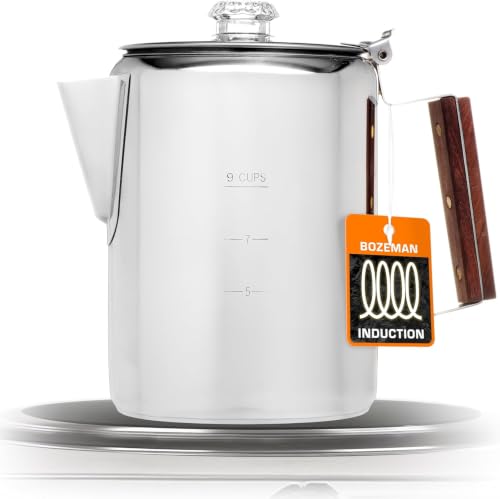
- COLETTI Bozeman 12-Cup Percolator: the best fit for most RVers, a stainless steel stovetop pot that brews up to 60 fl oz on a gas burner or campfire with no electricity at all.
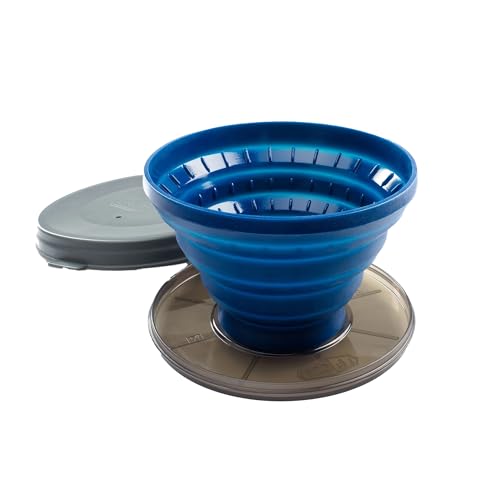
- GSI Outdoors Java Drip: the value pick, a collapsible silicone pour-over cone that folds to a 1 inch disc and brews into almost any mug or bottle.
- Keurig K-Mini Plus: the simplest workflow on shore power or a generator, under 5 inches wide with built-in pod storage and a cord wrap.
- Makita DCM501Z Cordless: the alternative routine for off-grid rigs, a coffee maker that runs on Makita 18V LXT or 12V max CXT tool batteries.
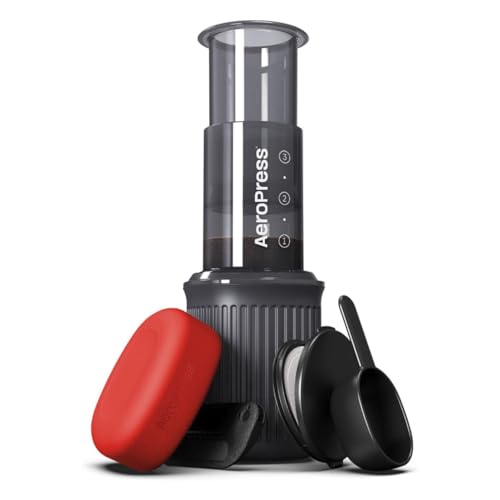
- AeroPress Go: the pick for added control, a small manual brewer that packs inside its own mug.
The main trade-off is independence from electricity versus push-button convenience. Stovetop and manual brewers work anywhere, while electric machines are easiest when you have power to spare. See each product section below for details.
Compare the Qualifying Options
Prices are rounded and change often, so check the live price in the product table above. Capacities are in fluid ounces because brewer "cups" are often 5 oz.
| Model | Role | Power source | Serving capacity | Defining feature | Main limitation | Footprint | Price |
|---|---|---|---|---|---|---|---|
| COLETTI Bozeman 12-Cup | Main pick | Gas stove or campfire (not induction) | Up to 60 fl oz | All stainless steel, glass view top, filters included | Needs attention while it perks | Tall pot, see listing | Around $45 |
| GSI Outdoors Java Drip | Value | None (needs hot water) | One mug or bottle at a time | Collapses to 1 in high, 0.84 lb | #4 filters not included | 5.6 in disc | Around $17 |
| Keurig K-Mini Plus | Simplest | Standard outlet (shore power, generator or inverter) | 6 to 12 oz per brew | Pod storage for 9 pods, cord storage | Single-cup reservoir, refill each brew | Under 5 in wide | Around $95 |
| Makita DCM501Z | Off-grid routine | Makita 18V LXT or 12V max CXT battery (not included) | 5 oz per brew, up to 3 cups per 5.0Ah charge | Grounds or single-serve packs, permanent filter | Small cups, battery sold separately | 8-9/16 in tall | Around $155 |
| AeroPress Go | Added control | None (needs hot water) | One cup per press | Packs into its own microwaveable mug | Manual, one cup at a time | Fits in the mug | Around $50 |
The Java Drip and AeroPress Go both need a kettle or a pot to heat water. The Makita needs a compatible Makita battery and charger, which many people already own if they use the brand's cordless tools.
How We Selected the Shortlist
We started with the realities of RV life: limited counter space, cabinets that open on bumpy roads, and power that may come from shore hookups, a generator, an inverter, batteries or only a propane stove. Every pick had to work within at least one of those setups and pack away without fragile parts rattling loose.
Next, we compared manufacturer specifications, current US listings and package contents, and read buyer feedback in aggregate for patterns in praise and complaints. To find the best coffee maker for RV use, we weighed power and travel fit, coffee format and serving needs, and the daily workflow and cleanup in a small galley with limited water.
This is a research-based shortlist. The judgments come from published specs, listing details and owner feedback rather than brewing trials of our own, so we do not quote brew times or power draws that the makers do not state.
Recommended Options
COLETTI Bozeman 12-Cup Percolator: Best fit for the main use case
A stovetop percolator is the most power-independent way to make a full pot in an RV, and the COLETTI Bozeman is built for exactly that. It is made from stainless steel with no aluminum or plastic, and the glass view top lets you watch the brew darken so you know when to take it off the heat.
Two things make it a strong RV choice. It brews up to 12 cups, which COLETTI defines as 60 fl oz, enough for a couple or a small family in one go. It works on a gas burner or over a campfire, and cleanup is a quick rinse on the road or the dishwasher at home. A pack of filters is included.
The limitation is that this model does not work on induction cooktops, which some newer RVs have. COLETTI sells a separate Bozeman Induction version for those. Skip this one if your rig has an induction hob or you want coffee without watching the stove. Metal parts get hot, so keep a pot holder nearby.
GSI Outdoors Java Drip: Best value within the stated scope
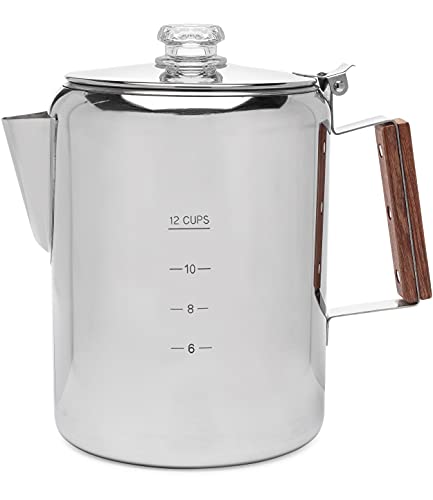
The GSI Outdoors Java Drip is a collapsible silicone pour-over cone that costs little and takes up almost no room. It folds down to a disc about 1 inch high and 5.6 inches across, weighs 0.84 lb, and the snap-on cover doubles as a trivet once you finish brewing.
It fits on most mugs, small pots and wide-mouth bottles, so you can brew straight into whatever you have on hand. The transparent base helps prevent overfilling. Pair it with hot water from your kettle or stove and you have fresh drip coffee without using any electricity.
The concrete limitation is that it needs #4 paper filters, which are not included, and it brews one mug at a time. Skip it if you need a pot for several people every morning. GSI backs it with a lifetime warranty against manufacturing defects for the original owner, which is reassuring for gear that travels.
Keurig K-Mini Plus: Best for a simpler workflow
When you are plugged into shore power or running a generator, the Keurig K-Mini Plus is about as simple as RV coffee gets. You add water for one cup, drop in a pod and choose any size from 6 to 12 oz. Strong Brew makes a bolder cup from the same pod.
It is designed for small spaces. At less than 5 inches wide, it fits in a narrow galley, and the included pod storage unit holds up to nine K-Cup pods and fits in the brewer. Cord storage keeps the cable tidy when you pack up, and the drip tray area is travel mug friendly.
The limitation is the one-cup reservoir: you add fresh water for every brew, which uses your tank one mug at a time but means refilling often. It also needs a standard outlet, so check its power rating on the label against your inverter or generator. Skip it if you mostly camp off-grid.

Makita DCM501Z Cordless: Best for an alternative serving routine
The Makita DCM501Z suits RVers who already carry Makita cordless tools. It runs on an 18V LXT or 12V max CXT battery, so you can brew without shore power, a generator or a stove. The listing says it brews one 5 oz cup in about five minutes on an 18V LXT battery.
It accepts ground coffee or single-serve packs, and the permanent drip filter means no paper filters to store. The compact body is 8-9/16 inches tall with a 3-1/2 inch cup clearance, so it tucks into a cabinet easily.
The limitation is output: cups are small, and Makita says a 5.0Ah LXT battery makes up to three 5 oz cups per charge. The battery and charger are not included. Skip it if you do not own Makita batteries or you need coffee for several people.

AeroPress Go: Best for added control or convenience
The AeroPress Go is a smaller version of the AeroPress manual brewer that packs into its own lightweight, microwaveable mug with a silicone lid. For an RV, that means one compact unit in a drawer instead of a brewer, a mug and loose parts.
It gives you the most control over the cup of any pick here. You choose the grind, water temperature and steep time, and AeroPress says a cup takes under two minutes. Cleaning is quick: pop out the puck of grounds and rinse, which saves water compared with washing a full carafe.
The limitation is that it brews one cup at a time and needs hot water from another source. Skip it if you want coffee ready without any effort or need to serve a group. For solo travelers or couples who like to tune their coffee, it is the most flexible pocket-sized option.

What to Look for Before Buying
RV Power, Storage, and Travel Fit
Start with power, because it decides which brewers are realistic. On shore power or a generator, most household coffee makers work, as long as their wattage fits within what your RV's system and breaker can handle alongside other appliances. On an inverter, check both the machine's wattage label and the inverter's continuous rating, and remember that heating water is one of the biggest loads in an RV.
When you are dry camping, stovetop and manual brewers are the safest choice. A percolator or moka pot runs on the propane stove, and pour-over or press brewers only need hot water. Battery-powered brewers fill a niche but usually make small cups.
Next, think about storage and movement. Glass carafes can break on rough roads, so stainless steel or plastic-free metal pots travel better. Look for compact shapes, nesting parts and cord storage, and plan where the brewer will ride when the rig is moving.
Finally, check fit. Measure the space under your cabinets and on your stove, and note whether your cooktop is gas or induction, since some stovetop pots do not work on induction.
Coffee Format and Serving Needs
Decide which coffee you want to carry: pods, ground coffee or whole beans. Pods are tidy and quick but take up cabinet space and create trash you need to store until a dump stop. Ground coffee packs efficiently and works with percolators, pour-over cones and presses.
Match capacity to the people on board. A solo traveler can use a single-cup brewer happily, while a family of four may prefer a percolator that makes a full pot at once. Use fluid ounces rather than cups: a 12-cup percolator at 60 fl oz fills about five 12 oz mugs.
Think about how your coffee will be served. If everyone drinks at once, a pot is efficient. If people wake at different times, a single-serve brewer means each person makes a fresh cup.
Don't forget water. Fresh water is limited in an RV, so brewers that use exactly what you drink are more efficient than ones that require rinsing large parts.
Daily Workflow and Cleanup
Count the steps from waking up to your first sip. A pod brewer is quick when you have power. A percolator needs you to watch the stove. A manual brewer needs a kettle, a scoop and a minute of pressing or pouring.
Cleanup matters more in an RV than at home because water and gray tank space are limited. Brewers with fewer parts, like a press that ejects a dry puck or a cone with a paper filter, use less water to clean than a carafe and basket. Dispose of grounds in the trash rather than the sink to protect your tanks.
Maintenance is still part of the routine. Electric brewers need periodic descaling, especially if you fill from different campground water sources. Follow the maker's instructions and keep a small bottle of the recommended descaler on board.
Finally, think about safety while moving. Store the brewer securely, let hot pots cool before packing, and never leave a stovetop brewer unattended.
Which Option Fits Your Routine?
Your Must-Have Function
If you camp off-grid, choose the COLETTI percolator, GSI Java Drip or AeroPress Go. With reliable power, the Keurig K-Mini Plus is the simplest option.
Your Preparation and Cleanup Tolerance
Pods are the least effort but create trash. The AeroPress Go and Java Drip use little water to clean, while the percolator needs a rinse.
Your Complete Budget
Add filters, a kettle, pods or ground coffee, and for the Makita, a battery and charger if you do not already own them.
Frequently Asked Questions
Which features matter most for this use case?
Power compatibility matters most for an RV coffee maker, followed by durability and compact storage. A brewer that runs on your stove or without electricity gives you the most freedom, while electric models should match your generator or inverter capacity. Unbreakable materials and nesting parts help everything survive travel days.
How do I choose the correct serving capacity?
Choose capacity based on how many people drink coffee at the same time, measured in fluid ounces. One or two people do well with a single-cup brewer, while three or more benefit from a percolator that makes around 60 fl oz. Remember that brewer cups are often 5 oz, not a full mug.
What extra equipment will I need?
Most manual and stovetop brewers need a kettle or pot to heat water, plus filters if they do not use a permanent one. Pod brewers need pods and a power source. Battery brewers need compatible batteries and a charger. A grinder is optional if you prefer to bring whole beans.
How much daily cleaning should I expect?
Expect a few minutes a day: discard grounds or pods, rinse the brewer and wipe it dry before storing. Use as little water as practical to save your tanks. Electric brewers also need periodic descaling, following the manufacturer's instructions, especially when you fill from different water sources.
Final Verdict
The COLETTI Bozeman 12-Cup Percolator is the best coffee maker for RV trips for most travelers, because it makes a full pot on the propane stove without any electricity and survives the road in stainless steel. If you are usually on hookups and want push-button ease, the Keurig K-Mini Plus is the alternative. The deciding trade-off is power independence versus convenience, so match the brewer to how you camp and check the current price in the table. For fixed kitchens, see our guide to the best coffee maker for home or our full list of the best coffee makers.


