
Best Coffee Maker For The Money: Buying Guide
Disclosure: We may earn a commission when you buy through links on this page, at no extra cost to you. As an Amazon Associate I earn from qualifying purchases. Learn more

The best coffee maker for the money balances price, supplies and daily effort, from a budget drip brewer to a pot and pod combo.
The best coffee maker for the money is not simply the cheapest box on the shelf. It is the machine that brews the drinks you actually make, at the volume you need, without adding supplies or chores that quietly raise the cost of every cup. This guide covers drip brewers, a dual-format pot and single-cup machine, a pods-and-grounds brewer and an iced coffee specialist, all sold new on Amazon US.
If you already know whether you want a full pot or one cup at a time, jump to the quick picks. If you are still weighing purchase price against running costs, the buying section explains where value really comes from and where it leaks away.








Quick Picks for Coffee Maker For The Money
Each pick answers a different version of the same question: what gives the most useful coffee per dollar for this routine? Read them as conditional recommendations rather than a single ranking.
- Hamilton Beach FlexBrew Trio: the best fit for most homes, because one machine brews a 12-cup pot or a single serving from a pod or loose grounds, at around $100.
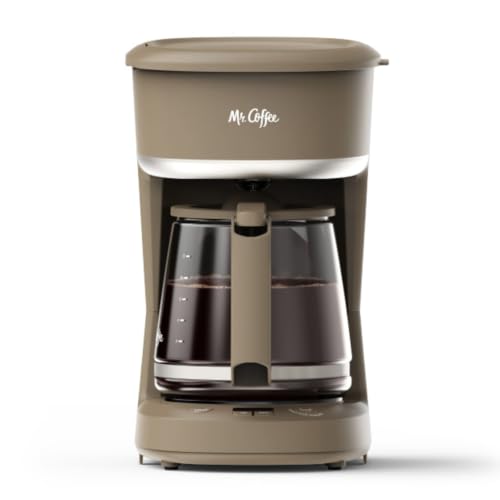
- Mr. Coffee 12-Cup Programmable: the value pick for people who only drink drip coffee and want a timer and strong mode for around $35.
- Ninja Single Serve Pods and Grounds: the simplest workflow for one person, with cup sizes from 6 to 24 oz and a built-in frother.
- Ninja Hot and Iced XL CM371: the pick for an alternative routine built around iced coffee and quick cold brew from regular grounds.
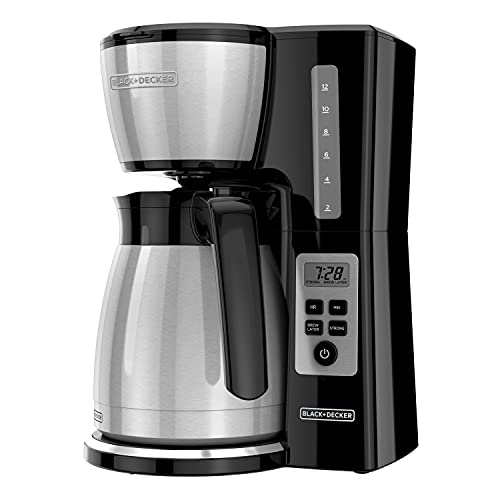
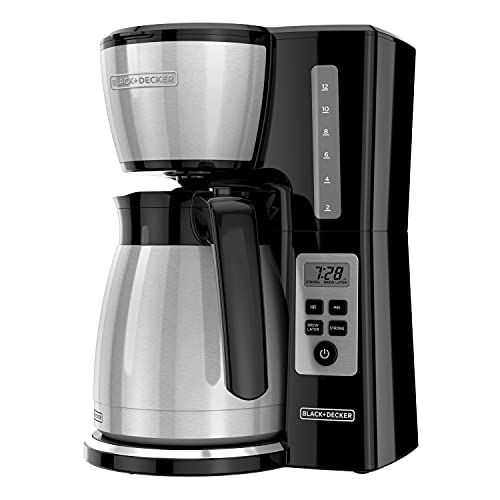
- BLACK+DECKER 12-Cup Thermal CM2046S: added convenience for slow sippers, since the vacuum carafe holds heat without a warming plate.
The main trade-off is purchase price against cost per cup. Pod brewing is quick, but grounds in a drip basket are cheaper to feed every single day. Jump to the recommended options below for the detail behind each pick.
Compare the Qualifying Options
Prices are rounded and move often, so confirm the live figure in the product table above before you buy. Manufacturer "cups" are usually about 5 oz, which means a 12-cup pot fills roughly six standard 10 oz mugs.
| Model | Role | Coffee format | Capacity | Defining feature | Main limitation | Price |
|---|---|---|---|---|---|---|
| Hamilton Beach FlexBrew Trio | Main pick | Grounds or pods | 12-cup carafe; single side up to a 14 oz travel mug | Two brewing sides with separate reservoirs | Wider footprint than a basic drip brewer | Around $100 |
| Mr. Coffee 12-Cup Programmable | Value | Ground coffee | 12 cups | Timer, Strong Brew mode, dishwasher-safe carafe and basket | Warming plate only, no small batch setting listed | Around $35 |
| Ninja Single Serve Pods and Grounds | Simple workflow | K-Cup pods or grounds | 6 to 24 oz per brew; 56 oz reservoir | Four brew styles plus fold-away frother | No carafe for groups | Around $100 |
| Ninja Hot and Iced XL CM371 | Alternative routine | Ground coffee | Cup sizes up to a full carafe | Over Ice and Cold Brew styles, 8 brew sizes | Highest price on this list | Around $160 |
| BLACK+DECKER CM2046S | Added convenience | Ground coffee | 12 cups | 4-layer vacuum thermal carafe | Heat holds for about two hours, then fades | Around $65 |
None of these machines needs a subscription to work. Paper filters, pods or a reusable K-Cup style filter are the only recurring add-ons, and they are covered in the budget section below.
How We Selected the Shortlist
We started with coffee makers sold new by Amazon US sellers right now, leaving out renewed listings, import models and bundles that only look cheap because of included pods. Every product on the list runs on regular household power and uses either standard ground coffee or widely available K-Cup style pods.
Next, we compared manufacturer specifications, listing details and package contents, then read buyer feedback in aggregate to spot recurring praise and recurring complaints. Three questions shaped every pick for the best coffee maker for the money: does it deliver value beyond the sticker price, does it match a realistic coffee format and serving size, and how much daily work does it add?
This is a research-based shortlist. No brewing trials of our own were run, so the judgments here come from published specs, listing data and owner feedback rather than invented scores or timings.
Recommended Options
Hamilton Beach FlexBrew Trio: Best fit for the main use case
The FlexBrew Trio earns the top spot because it replaces two machines for around $100. One side brews a 12-cup pot with ground coffee, and the other side brews a single serving with a K-Cup pod, another pod brand or loose grounds in the included basket. With a pod it brews up to 10 oz; with grounds it can fill a 14 oz travel mug.
Two features make a difference in daily use. Each side has its own water reservoir with a window, so a weekday travel mug never steals water from the weekend pot. The carafe side is programmable for wake-up coffee, offers regular or bold strength, and keeps the pot warm for two hours before shutting off automatically.
The concrete limitation is size: two brewing sides take more counter width than a compact drip machine. The carafe also sits on a warming plate, so coffee held for the full two hours will taste flatter than the first cup. Skip it if you never brew single cups, because a basic drip brewer covers that routine for less. Nothing else is required beyond paper filters or the included grounds basket.

Mr. Coffee 12-Cup Programmable: Best value within the stated scope
For a household that drinks drip coffee from a pot and nothing else, the Mr. Coffee 12-Cup Programmable covers the essentials at around $35. You can brew right away or schedule the brew ahead of time, and Strong Brew mode gives a more intense cup when you want it.
The everyday details are sensible for the price. Auto Pause lets you pour mid-cycle without spills, the warming plate shuts off on its own after two hours, and the carafe and brew basket are top-rack dishwasher safe. Mr. Coffee lists a larger showerhead than one of its earlier models, which is meant to wet the grounds more evenly.
The limitation is control. There is no adjustable warming temperature or small-batch setting in the listing, so two-cup brews may come out weaker than a full pot. Skip it if you mostly brew for one or want coffee to stay hot for hours. The only recurring supply is basket-style paper filters, which keeps the true running cost very low for a family that drinks several mugs a day.

Ninja Single Serve Pods and Grounds: Best for a simpler workflow
If you make one drink at a time, the Ninja Single Serve Pods and Grounds machine keeps the routine short. It accepts K-Cup pods through the included adapter or your own grounds in the removable brew basket, and it brews anywhere from 6 to 24 oz, which covers a small mug through a large travel tumbler.
Two capabilities stretch the value. The 56 oz removable reservoir means several days of single cups between refills for one person, and the four brew styles (Classic, Rich, Over Ice and Specialty) cover hot coffee, iced coffee and a concentrate for milk drinks. The fold-away frother then turns hot or cold milk into foam, so a latte-style drink does not need a separate gadget.
The limitation is volume. There is no carafe, so hosting a group means brewing cup after cup. Skip it if two or more people drink coffee at the same time each morning.
Cleanup is light: rinse the basket or toss the pod, wipe the frother, and empty the drip tray. Brewing with grounds instead of pods keeps cost per cup down.

Ninja Hot and Iced XL CM371: Best for an alternative serving routine
Iced coffee drinkers often spend more at the café than on the machine, which is why the Ninja CM371 earns a place on a value list at around $160. It offers four brew styles (Classic, Rich, Over Ice and Cold Brew) and Ninja lists cold brew in as little as 10 minutes from regular grounds.
The sizing is the other strength. Eight brew sizes run from a small cup through an XL travel size and a quarter, half or full carafe, so the same machine handles a solo afternoon iced coffee and a weekend pot. The removable reservoir uses auto-metering to sense the water amount, and the 24-hour delay brew covers wake-up coffee.
The limitation is price and complexity. It costs several times more than a basic drip brewer, and the extra styles only pay off if you actually use them. Skip it if you drink hot coffee from a pot and nothing else. For iced drinks you will also want a heat-safe glass or tumbler and plenty of ice, since the Over Ice style brews hot coffee directly onto it.

BLACK+DECKER 12-Cup Thermal CM2046S: Best for added control or convenience
A thermal carafe is one of the cheapest upgrades that changes how coffee tastes by mid-morning, and the BLACK+DECKER CM2046S offers it at around $65. The double-walled, 4-layer vacuum carafe keeps coffee hot for up to two hours with no warming plate, so the pot is not cooking while it waits.
It also covers the standard conveniences. A 24-hour program brews coffee at a set time, the STRONG button slows the brew for a richer cup, and the Vortex showerhead is designed to saturate the grounds evenly. Heating stops automatically after brewing, while the display stays lit to show time and freshness.
The limitation is that two hours is the listed heat window. A thermal carafe slows cooling but does not stop it, and BLACK+DECKER recommends preheating the carafe with hot water for best results. Skip it if you want the pot to stay hot through a whole workday. It suits households that brew once in the morning and pour refills over the next hour or two.
What to Look for Before Buying
Value Beyond the Purchase Price
Real value is the price of the machine plus everything you feed it, spread over the years you use it. A drip brewer at around $35 that uses paper filters and a bag of grounds can be cheaper over a year than a pod machine that cost the same, simply because each pod costs more than the coffee in a scoop of grounds.
Count only the functions you will use. A cold brew mode or a frother is excellent value if it replaces café drinks, and wasted money if it never gets pressed. The same goes for a thermal carafe: it matters to slow sippers and barely registers for someone who drinks a single mug and leaves.
Budget for recurring supplies from day one. That means paper filters or a reusable filter, pods if you use them, a descaling product your manual approves, and replacement water filters on machines that use them.
Finally, treat sales as temporary. A discount makes a good machine a better deal today, but the long-term value still depends on fit and running costs, not on the price you happened to catch.
Coffee Format and Serving Needs
Start with the format you will buy every week. Ground coffee in a drip basket is the cheapest per cup and works in every machine on this list except pod-only brewers. K-Cup style pods add speed and cleanliness, while machines that accept both, like the FlexBrew Trio and the Ninja pods-and-grounds model, let you switch depending on the day.
Then match capacity to your household. Manufacturer cups are usually about 5 oz, so a 12-cup pot is closer to six real mugs than twelve. One person rarely needs a pot, and a family of coffee drinkers will be frustrated by a single-cup machine that needs a reload for every mug.
Keep drink styles in proportion, too. A concentrate or Specialty brew from a drip machine is stronger coffee for milk drinks, not espresso, and should not be compared with espresso extraction. If true espresso matters, look at our broader guide to the best coffee makers, which separates drip, pod and espresso formats.
Daily Workflow and Cleanup
Count the steps you will repeat every day. A drip brewer means adding water, a filter and grounds, pressing a button, then discarding the filter and rinsing the basket and carafe. A pod machine trims that to filling the reservoir occasionally, loading a pod and tossing it afterward. A machine with a frother adds one more rinse.
Separate automatic preparation from maintenance. A timer or delay brew does the morning work for you, but no machine skips descaling, and the interval depends on your water and your manual. Removable reservoirs, dishwasher-safe baskets and cleaning reminders all make that maintenance easier to keep up with.
Finally, check the space. Measure the gap under your cabinets if you plan to fill a top-loading reservoir in place, and allow width for dual machines. Large, clear buttons and a visible water window matter more over years of use than a long feature list you rarely touch. For a wider look at machines by household routine, see our guide to the best coffee maker for home.
Which Option Fits Your Routine?
Your Must-Have Function
If you need both a pot and single cups, choose the FlexBrew Trio. If drip coffee alone is the job, the Mr. Coffee 12-Cup keeps the price low. For iced coffee and quick cold brew, the Ninja CM371 is the only pick built around it.
Your Preparation and Cleanup Tolerance
Want minimal steps for one person? The Ninja pods-and-grounds machine is the shortest routine. Brewing once and sipping for two hours points to the BLACK+DECKER thermal model, which avoids a hot plate entirely.
Your Complete Budget
Add a year of filters, pods or grounds, and descaler to the machine price. A cheaper brewer that uses grounds often wins over a pricier pod machine after a few months of daily use.
Frequently Asked Questions
Which features matter most for this use case?
A timer, a strength setting and the right capacity matter most, because they affect every brew. Extras such as cold brew modes or frothers only add value when they replace drinks you would otherwise buy. A thermal carafe is worth paying for if you sip slowly, since it keeps coffee hot without a warming plate.
How do I choose the correct serving capacity?
Match capacity to the number of mugs you drink at once, remembering that a manufacturer cup is usually about 5 oz. A 12-cup pot fills about six 10 oz mugs. One drinker is often better served by a single-serve machine, while two or more people sharing a morning pot should choose a carafe brewer.
What extra equipment will I need?
Most drip machines need basket or cone paper filters unless a reusable filter is included. Pod brewers need pods or a reusable K-Cup style filter for your own grounds. Every machine eventually needs a descaling product approved in its manual, and a simple coffee scoop or kitchen scale helps keep strength consistent.
How much daily cleaning should I expect?
Expect a minute or two per day: discard the filter or pod, rinse the basket and carafe, and empty the drip tray on single-serve models. Frothers need a rinse after each use. Descaling happens less often, on the schedule your manual and water hardness call for.
Final Verdict
For most households, the best coffee maker for the money is the Hamilton Beach FlexBrew Trio, because it covers both a 12-cup pot and single cups from pods or grounds for around $100. If you only need drip coffee, the Mr. Coffee 12-Cup Programmable delivers the essentials for far less.
The deciding trade-off is format: pods buy speed, grounds buy lower running costs. Pick the format you will use every day, then check the current price on the exact model before you buy, since sale prices come and go while value depends on fit.


