
Best Coffee Maker With Grinder For Office: Buying Guide
Disclosure: We may earn a commission when you buy through links on this page, at no extra cost to you. As an Amazon Associate I earn from qualifying purchases. Learn more

The best coffee maker with grinder for office use, sized for small teams: shared carafes, one-touch espresso and single-serve.
The best coffee maker with grinder for office use has to do more than grind fresh beans: it has to handle several people, a morning rush and the question of who cleans it. This guide covers grind-and-brew drip machines, fully automatic espresso machines and a single-serve grinder brewer sold new on Amazon US, sized for home offices and small teams rather than large staffed workplaces.
The quick picks match a machine to how your office drinks coffee. The buying section then covers peak demand, cleaning responsibility and what a built-in grinder adds to the routine.
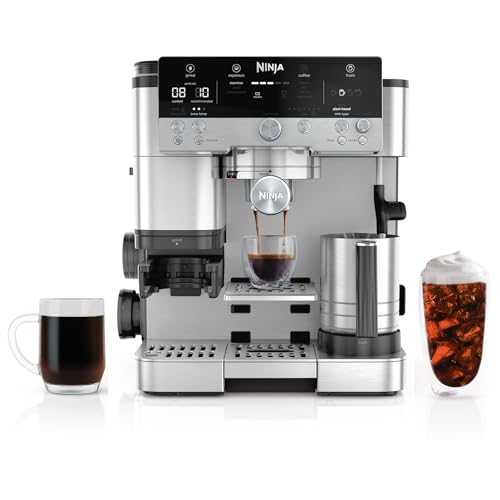


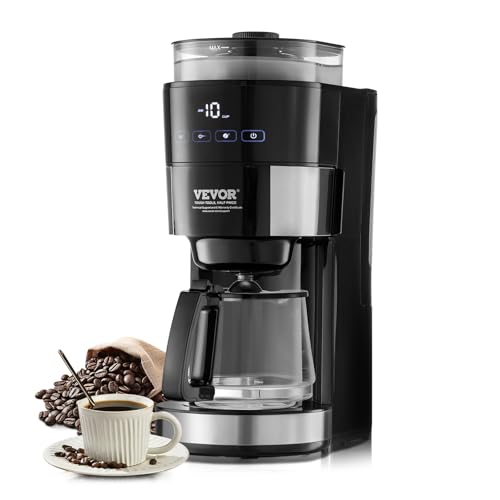
Quick Picks for Coffee Maker With Grinder For Office
Every machine here grinds beans inside the same unit. None is a commercial brewer, so each suits a home office or a small team that shares cleaning duties.
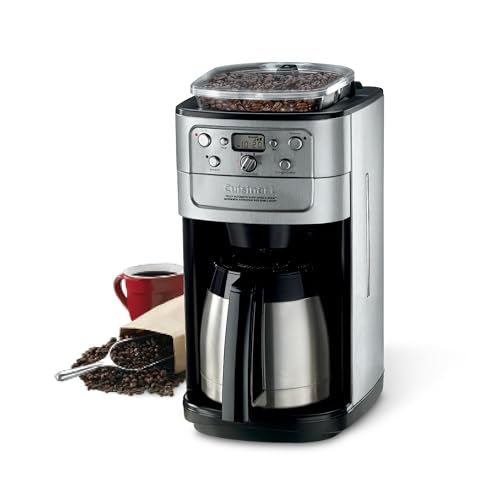
- Cuisinart DGB-950BCC Burr Grind and Brew: the best matched workflow for a small team, with a thermal carafe and programmable grinding.
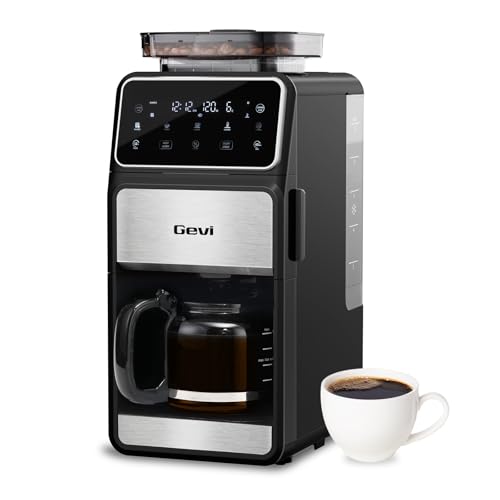
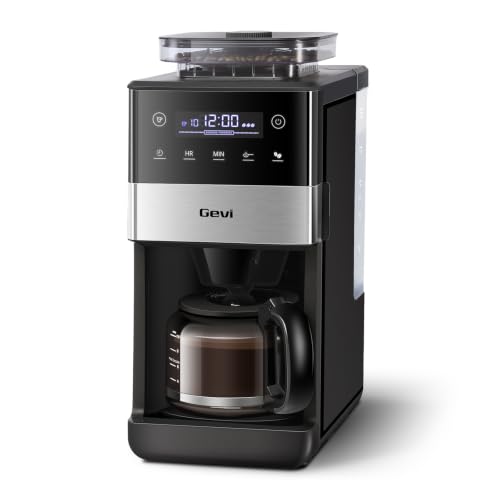
- Gevi 10-Cup Grind and Brew with Burr Grinder: the grinder value pick, with a keep-warm plate that runs up to four hours.
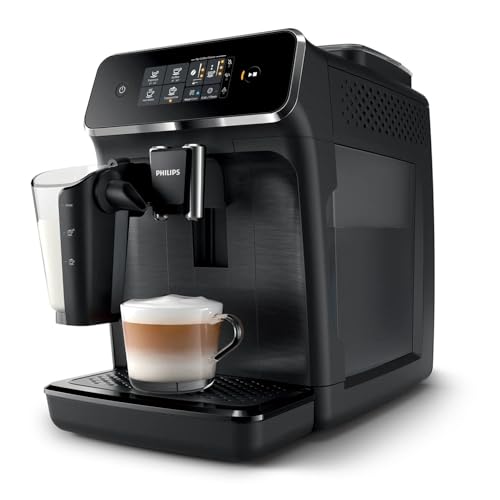
- Philips 2200 LatteGo (EP2230/14): the simplest dosing, with one-touch drinks that anyone can make.
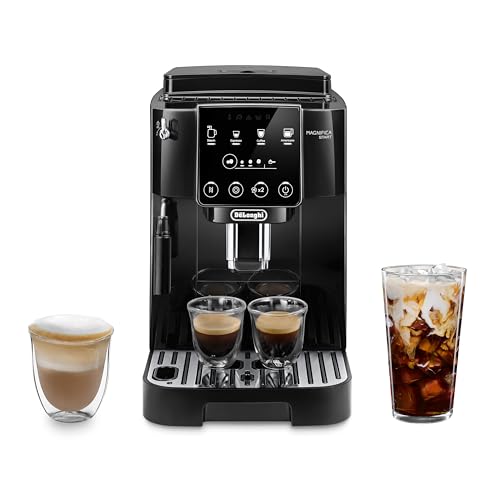
- De'Longhi Magnifica Start: the pick for useful adjustment, with 13 grind settings and a broad drink menu.
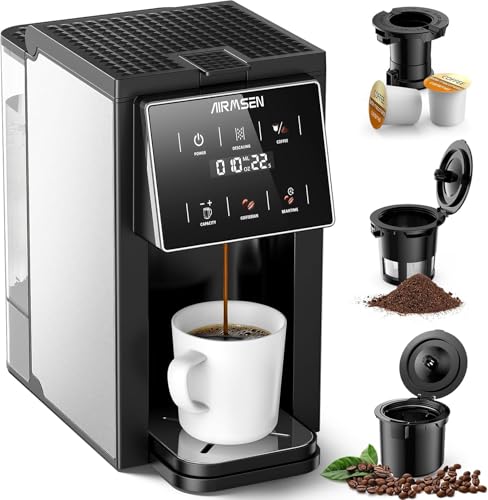
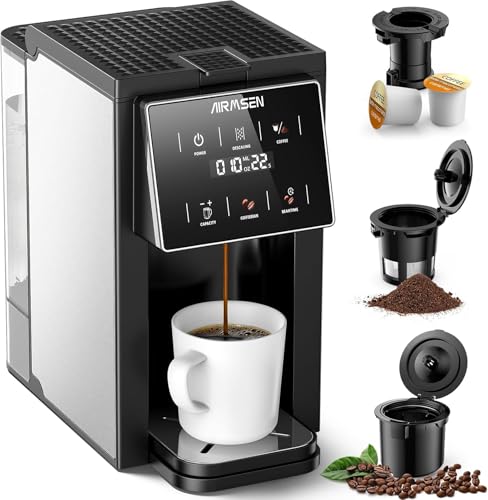
- AIRMSEN Single Serve Grind and Brew: for offices where everyone wants their own cup and size.
The principal trade-off is shared capacity against individual choice: carafes serve a group at once, while one-drink machines create a queue but suit varied tastes.
Compare the Qualifying Options
Prices are rounded and change often, so check the live price in the product table above. Manufacturer cups are smaller than mugs, so a 10-cup carafe fills about five 10 oz mugs. Footprints are given where the listing states them.
| Model | Role | Format | Capacity | Grinder and defining feature | Main limitation | Footprint | Price |
|---|---|---|---|---|---|---|---|
| Cuisinart DGB-950BCC | Matched workflow | Beans | 10-cup thermal carafe | Burr grinder, grind amount 2 to 10 cups | Highest-priced drip pick | See listing | Around $400 |
| Gevi 10-Cup with Burr Grinder | Grinder value | Beans | 4 to 10 cups | Burr grinder, keep warm 60 to 240 minutes | Glass carafe on warming plate | 10.7 x 7.9 x 17.8 in | Around $160 |
| Philips 2200 LatteGo | Simpler dosing | Beans | One drink at a time | 3 one-touch drinks, AquaClean | Queue at peak times | See listing | Around $400 |
| De'Longhi Magnifica Start | Useful adjustment | Beans | One drink at a time | 13 grind settings, 50+ recipes | Highest price here | See listing | Around $600 |
| AIRMSEN Grind and Brew | Single cups | Beans, ground coffee or pods | 6 to 14 oz, 50 oz tank | 5-setting blade grinder, touchscreen | Blade grind is less even than a burr | See listing | Around $130 |
Included items vary: the DGB-950BCC comes with a gold-tone permanent filter and charcoal water filter, so it needs no paper filters, while the fully automatic machines need only beans, water and milk.
How We Selected the Shortlist
We required an integrated grinder, a current US model sold new by Amazon US sellers, and capacity or speed suited to more than one person. Bundles with separate grinders, renewed listings and imports were removed first, along with machines that clearly target a single household cup only.
Next, we compared manufacturer specifications, listing details and package contents, and read buyer feedback in aggregate for recurring strengths and complaints. Three questions set the order: how the machine handles shared use and who must look after it, how its grinder and fresh-bean workflow work day to day, and which coffee format and serving sizes it supports. This is a research-based shortlist rather than the outcome of brewing trials of our own. For non-grinder options, see our list of the best coffee makers.
Recommended Options
Cuisinart DGB-950BCC Burr Grind and Brew: Best matched brewing-and-grinding workflow
The Cuisinart DGB-950BCC suits a small office where several people want coffee at the same time each morning. Its burr grinder grinds beans automatically before brewing, and grinding control lets you program the amount from 2 to 10 cups. Coffee goes into a 10-cup double-walled insulated thermal carafe, so the pot stays drinkable without a hot plate.
Shared use is easier with its scheduling and safety features. It is fully programmable for 24 hours, so the first arrival finds coffee ready, it turns off automatically after brewing, and a 2 to 4 cup function handles quiet days. Strength can be set strong, medium or soft, and an 8 oz bean funnel has a sealed lid.
The limitation is price and upkeep: at around $400 it costs more than other drip picks, and a burr grinder feeding a brew basket needs regular cleaning. Skip it if nobody in the office will own that job. A gold-tone permanent filter and charcoal water filter are included.

Gevi 10-Cup Grind and Brew with Burr Grinder: Best qualifying grinder value
The Gevi 10-Cup Grind and Brew offers a built-in burr grinder at around $160, which suits a home office or a small team on a budget. A large touchscreen sets brewing options, and brew volume adjusts from 4 to 10 cups, so you can make a few cups for a quiet afternoon or a full pot for a meeting.
Its keep-warm plate is temperature controlled, and the holding time adjusts from 60 to 240 minutes on the touch panel. That helps in an office where people drift in over a couple of hours. The listing gives dimensions of 10.7 by 7.9 by 17.8 inches, so check the height under shelves or cabinets.
The limitation is the glass carafe on a warming plate: coffee held for hours tastes less fresh than coffee from a thermal carafe. Skip it if your team drinks slowly across a long morning. It is a sound choice where a pot is finished within an hour or two.

Philips 2200 LatteGo: Best for simpler dosing
The Philips 2200 (EP2230/14) makes dosing a non-issue in a shared space, because nobody measures coffee at all. Each person touches a drink on the display and the machine grinds, doses and brews espresso, coffee or cappuccino with its ceramic grinder. My Coffee Choice adjusts strength and quantity, with three settings each.
Maintenance is designed to be manageable. The LatteGo milk system has no tubes, which makes rinsing quicker, and the AquaClean filter means no descaling for up to 5,000 cups when the filter is changed as the machine prompts.
The limitation is throughput: it makes one drink at a time, so a group arriving together will queue. Skip it for offices with a sharp 9 a.m. rush of many people, or for anyone who wants iced drinks or a long recipe menu. It suits a home office or a small team that values milk drinks and wants no learning curve.

De'Longhi Magnifica Start: Best for useful adjustment
The De'Longhi Magnifica Start suits an office with varied tastes and someone willing to set it up properly. Its built-in grinder has 13 grind settings, so you can adjust for the beans the office buys, and it delivers a consistent dose for each drink. More than 50 hot and cold one-touch recipes cover espresso, cappuccino, latte, iced drinks and cold brew.
Milk handling is broader than most machines: two LatteCrema systems provide hot foam and cold foam, and De'Longhi's Cold Extraction Technology makes cold brew in under three minutes, according to the listing.
The limitation is price and complexity: at around $600, it is the most expensive machine here, and a large menu means more settings to manage. Skip it if your office just wants plain coffee. Assign one person to own the milk system and cleaning routine.

AIRMSEN Single Serve Grind and Brew: Best for the required serving format
The AIRMSEN fits an office where everyone wants a different size. It grinds whole beans with a built-in blade grinder that has five settings, or takes ground coffee or pods through a removable adapter and filter, and it brews five sizes from 6 to 14 oz into mugs or travel cups up to 6.3 inches tall.
The 50 oz detachable tank serves several cups between refills, and a touchscreen shows the brew status. The listing adds overheat and low water alerts, a self-clean function with a descaling reminder, a dishwasher-safe drip tray and a 5-minute auto shut-off.
The limitation is grind quality: a blade grinder chops beans less evenly than the burr grinders in the drip picks, and someone has to empty the grounds between users. Skip it if your team cares about consistent grind size or wants a full pot at once.
What to Look for Before Buying
Shared-Use Capacity and Responsibility
Choosing the best coffee maker with grinder for office use means estimating peak demand, not daily totals. If five people want coffee between 8:45 and 9:15, a 10-cup carafe serves them in one brew, while a one-drink machine creates a queue. Count refills too: a big reservoir helps, but a machine that needs beans, water and grounds emptied every few drinks still interrupts work.
Assign responsibility before the machine arrives. Someone should own refilling beans, emptying grounds, descaling as the manual directs, and, for milk machines, rinsing milk parts and keeping milk refrigerated rather than left out. A simple rota prevents the slow decline of a shared machine.
Finally, check suitability and warranty. All the machines here are home appliances, which fit a home office or a small team. A busy staffed workplace with dozens of drinkers usually needs commercial equipment, and home warranties may not cover heavy office use, so read the warranty terms before buying.
Integrated Grinder and Fresh-Bean Workflow
Check the grinder mechanism and controls. The DGB-950BCC and Gevi use burr grinders, the AIRMSEN uses a 5-setting blade grinder, while the Philips and De'Longhi use their own automatic grinders. Adjustment varies: the De'Longhi offers 13 grind settings, the Cuisinart drip model sets the amount by cup count, and the AIRMSEN also takes pods or pre-ground coffee through its adapter and filter.
Know which type suits your team. Drip grind-and-brew machines grind into a basket for a carafe, assisted espresso machines grind into a portafilter that someone must tamp, and fully automatic machines handle everything internally. Fully automatic machines are easiest for colleagues who have never made espresso.
Beans themselves need a plan in a shared office. Agree on who buys them, keep only a few days' worth in the hopper, and store the rest sealed away from heat and light so the grinder has fresh beans to work with. A labeled decaf option, ground separately or used through a bypass, avoids mix-ups.
Consider access and cleaning. A hopper with a sealed lid that is easy to refill helps, and a grind path that can be brushed out as the manual describes keeps flavor consistent. If you already have a good grinder, a separate brewer can be easier to maintain.
Coffee Format and Serving Needs
Decide what the office buys: whole beans only, or beans with pre-ground as a backup. The AIRMSEN and some drip grind-and-brew machines can bypass the grinder, which helps with decaf for one colleague; check the listing for a grind-off setting.
Match serving style to the group. Carafes suit meetings and shared mornings, while single-drink machines suit staggered schedules and personal preferences. Do not treat espresso from a fully automatic machine and drip from a carafe as equal options for the same need: espresso drinks are small and concentrated, while drip serves larger mugs to more people. For home setups, see our guide to the best coffee maker for home.
Which Option Fits Your Routine?
Your Must-Have Function
Need a pot for several people at once? Choose the DGB-950BCC or Gevi. Need individual drinks with no skill? Pick the Philips 2200.
Your Preparation and Cleanup Tolerance
If no one wants daily grounds duty, avoid the AIRMSEN. Fully automatic machines prompt for maintenance, which helps shared offices.
Your Complete Budget
Add beans, milk, replacement water filters and approved descaler. Carafe machines usually cost less per cup than one-touch milk drinks.
Frequently Asked Questions
Does a built-in grinder mean fully automatic coffee?
No. Grind-and-brew drip machines grind and brew automatically, but someone still loads beans, water and the filter, then washes the carafe. Only fully automatic machines like the Philips 2200 and De'Longhi Magnifica Start grind, dose and brew each drink at the touch of a button.
Can I use preground coffee?
On some machines, yes. The AIRMSEN accepts pre-ground coffee in its filter, and many drip grind-and-brew machines include a similar bypass. Fully automatic espresso machines handle pre-ground coffee differently or not at all, so check the manual before adding it.
Is a separate grinder a better option?
Sometimes. A separate grinder and brewer can be replaced independently and often offer more adjustment. A built-in grinder saves counter space and steps, which matters in a shared office where fewer moving parts and fewer decisions keep the routine simple.
How do I clean the grinder path?
Follow the manual for your model. Typically you unplug the machine, empty the hopper, brush out the grind chamber and chute, and wipe residue on a set schedule. Do not use water inside a grinder unless the manual allows it, and never open housings beyond removable parts.
Final Verdict
For most small offices, the best coffee maker with grinder for office use is the Cuisinart DGB-950BCC, because its burr grinder, programmable grind amount and thermal carafe serve a group at once and keep coffee hot without a warming plate. If your team prefers individual espresso drinks, the Philips 2200 LatteGo is the alternative, at the cost of a queue at peak times. Decide between shared pots and personal drinks, then name the person who will look after the machine.


