
Best De'Longhi Espresso Machine: Buying Guide
Disclosure: We may earn a commission when you buy through links on this page, at no extra cost to you. As an Amazon Associate I earn from qualifying purchases. Learn more

Choose the best De'Longhi espresso machine by format and milk system, from the budget Stilosa to the Magnifica Duo and PrimaDonna Aromatic.
The best De'Longhi espresso machine for your kitchen depends first on which De'Longhi format you want: a manual portafilter machine you run yourself, a portafilter machine with a built-in grinder, or a fully automatic machine that grinds, brews and froths at the press of a button. The brand sells all three in the US, and the milk system varies from a manual wand to automatic hot and cold foam.
Whether you spell it De'Longhi or DeLonghi, this guide recommends five current US models for different routines and explains each one using its own listing, so features from one series are never assumed for another. Use the quick picks if you already know your budget, or read the buying section first if you are deciding between manual and automatic.




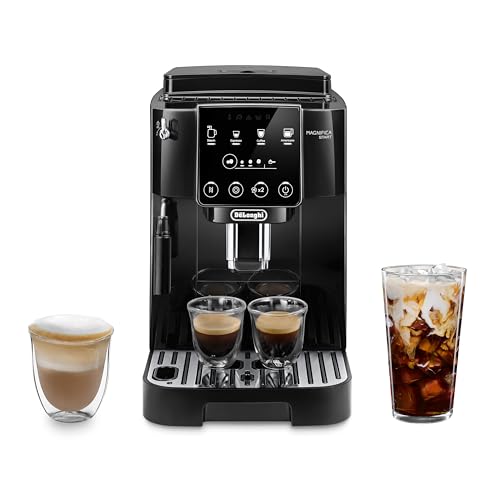
Quick Picks for De'Longhi Espresso Machine
Each pick fills a different role, so choose by routine rather than by rank.
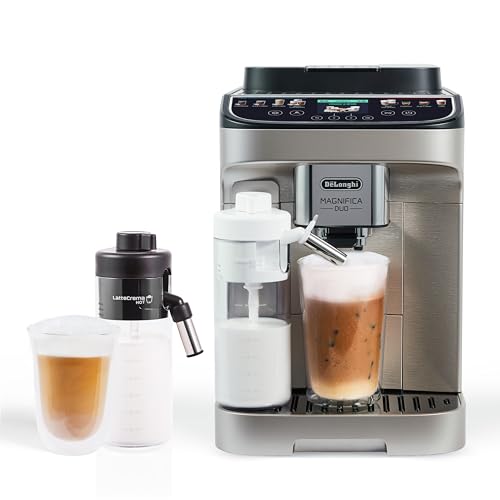
- De'Longhi Magnifica Duo: the best fit for most homes that want one-touch espresso, drip-style coffee, cold brew and hot or cold milk foam from fresh beans.
- De'Longhi Stilosa: the value route into espresso, a compact manual machine with a steam wand, as long as you supply ground coffee or a grinder.
- De'Longhi Magnifica Evo with LatteCrema ECAM29063SB: the simpler workflow, a fully automatic machine with a short five-drink menu and a LatteCrema milk carafe.
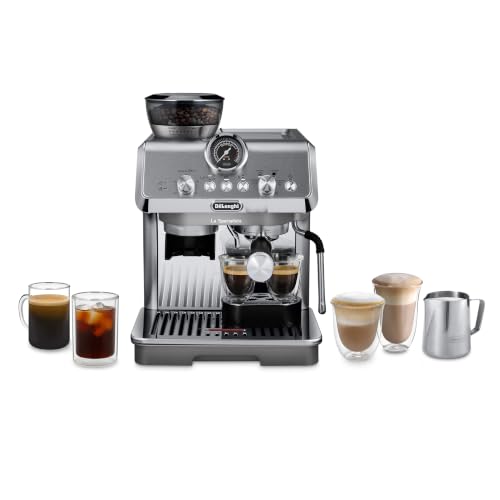
- De'Longhi La Specialista Arte Evo: the alternative routine for people who want to work a portafilter and steam milk by hand, with the grinder built in.
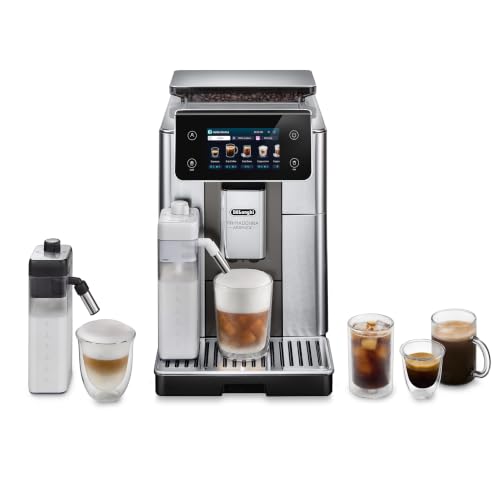
- De'Longhi PrimaDonna Aromatic: the pick for added convenience, with automatic grind setting and 38 hot and iced recipes.
The principal trade-off is control against convenience. Portafilter models give you a say over every shot but ask for practice, while fully automatic models remove steps and charge more for it. Details for each machine follow in the recommended options below.
Compare the Qualifying Options
Prices are rounded and change often; check the product table above for current prices. Footprints vary widely between the compact Stilosa and the fully automatic models, so compare the listing dimensions with the space under your cabinets.
| Model | Role | Format | Milk system | Defining feature | Main limitation | Price |
|---|---|---|---|---|---|---|
| Magnifica Duo | Main pick | Fully automatic, whole beans | LatteCrema Hot and Cool (automatic) | 20 presets; espresso, drip coffee and cold brew technologies | Newer listing, fewer buyer reviews | Around $1,000 |
| Stilosa | Value | Manual portafilter, ground coffee | Manual steam wand | Compact; tamper and single and double filters included | Grinder not included (optional) | Around $100 |
| Magnifica Evo LatteCrema ECAM29063SB | Simpler workflow | Fully automatic, whole beans | LatteCrema carafe (automatic) | 5 one-touch drinks including hot water; about 9.5 x 17.3 x 14.2 in | Short drink menu; sold by third-party sellers | Around $840 |
| La Specialista Arte Evo | Alternate routine | Portafilter with built-in grinder | Commercial-style steam wand | 15 grind settings, 3 temperature settings, cold brew | Manual workflow to learn | Around $500 |
| PrimaDonna Aromatic | Added convenience | Fully automatic, whole beans | LatteCrema Hot and Cool (automatic) | Bean Adapt automatic grind setting, 38 recipes | Very high price | Around $2,500 |
How We Selected the Shortlist
Every model had to be a current De'Longhi espresso machine sold new on Amazon US under its US model name. We excluded renewed units, Japanese and other imported listings, Nespresso machines made by De'Longhi (a capsule format with its own guide) and listings with incomplete specifications. We kept one finish per model and checked that the milk configuration in each description matched the exact listing.
We then compared what each machine automates, which milk system it has, what comes in the box and what you still need to buy, such as a grinder for the Stilosa. Buyer feedback was read in aggregate for recurring themes on reliability and cleanup. Three questions shaped every pick: how it handles espresso extraction and milk, which coffee format and serving routine it suits, and how much daily work it adds. The shortlist is based on research into specs, listings and owner feedback; we did not brew with these machines ourselves.
Recommended Options
De'Longhi Magnifica Duo: Best fit for the main use case
Most people shopping for a De'Longhi want espresso drinks with milk, made from fresh beans, without learning barista skills. The Magnifica Duo handles that with an integrated conical burr grinder and a menu of 20 preset hot and iced recipes, from espresso to iced lattes.
Two capabilities shape daily use. It uses three brewing technologies, one each for espresso, drip-style coffee and cold brew, so a long mug of coffee is not just a stretched espresso, and De'Longhi says cold brew is ready in under 3 minutes. The included LatteCrema Hot and Cool systems froth dairy or plant-based milk into hot or cold foam, and the milk parts are removable and dishwasher-safe.
The limitation is track record: it is a newer listing with relatively few buyer reviews so far, at around $1,000. Skip it if you want to control grind, dose and milk texture by hand, or if you drink only straight espresso and will never use the milk system. No extra equipment is needed beyond beans, a water filter and descaler.
De'Longhi Stilosa: Best value within the stated scope
The Stilosa is the least expensive way to make real espresso with a De'Longhi, at around $100. It is a compact manual machine: you fill the portafilter with ground coffee, tamp it with the included measuring scoop and tamper, and brew a single or double shot using the two included filters.
It covers milk drinks too. A manual steam wand textures milk for lattes and cappuccinos, and De'Longhi builds the boiler from stainless steel. The small footprint suits apartments and kitchens where a fully automatic machine would not fit, and the workflow teaches the basics of espresso that carry over to any future upgrade.
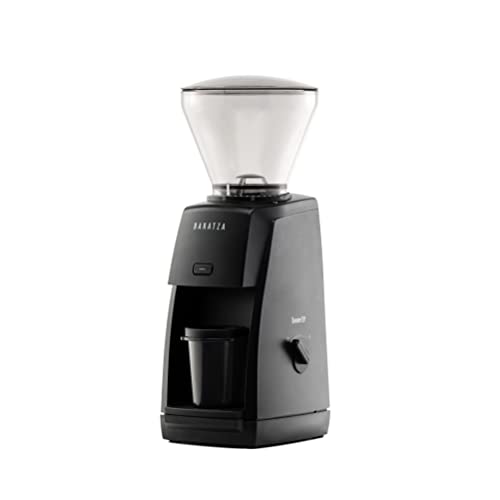
The concrete limitation is that there is no grinder. Pre-ground espresso works, but fresh beans need an espresso capable burr grinder such as the Baratza Encore ESP, which adds around $200. Skip it if you want one appliance that goes from beans to cup, or if steaming milk by hand sounds like a chore. Cleanup means knocking out the puck, rinsing the filter and wiping the wand.
De'Longhi Magnifica Evo with LatteCrema ECAM29063SB: Best for a simpler workflow
The Magnifica Evo with LatteCrema keeps the fully automatic routine short by keeping the menu short. Five one-touch or customizable drinks cover the basics: espresso, cappuccino, latte macchiato, hot water and My Latte, a slot for saving your own milk drink. There is no long list of recipes to scroll through each morning.
Two features make it practical day to day. The conical burr grinder has 13 settings for different beans, and the LatteCrema system textures milk or milk alternatives from a carafe that can go straight into the fridge between uses, so you are not pouring and washing a pitcher for every drink. The removable parts are dishwasher-safe, and the listing gives dimensions of about 9.5 x 17.3 x 14.2 inches, which helps you check the fit under cabinets.
The limitation is range and price. At around $840 it costs more than the Magnifica Duo while offering fewer drinks, with no drip coffee or cold brew mode listed, and it is currently sold by third-party sellers in limited stock, so check the seller and warranty terms. Skip it if you want iced drinks or a long coffee from the same machine. For a simple cappuccino routine, it is easy to live with.
De'Longhi La Specialista Arte Evo: Best for an alternative serving routine
The La Specialista Arte Evo is for people who want to make espresso the traditional way, with a portafilter and a steam wand, but without buying a separate grinder. Its built-in conical burr grinder has 15 grind settings and doses for single or double espresso, so you can adjust for each new bag of beans.
It offers real control for a portafilter machine at around $500. Three temperature settings let you match lighter or darker roasts, and the listing says its 15 bar pump is regulated to around 9 bar during extraction, which is what matters at the puck. A commercial-style steam wand heats quickly for microfoam and latte art, and a cold extraction mode makes cold brew in under 5 minutes.
The limitation is effort and track record. You still tamp, steam milk and clean the wand, and the listing is newer with fewer buyer reviews. Skip it if you want lattes at the press of a button. A milk pitcher and a knock box are worth adding.
De'Longhi PrimaDonna Aromatic: Best for added control or convenience
The PrimaDonna Aromatic is the most automated machine on this list. Its Bean Adapt and Adaptive Grinding technologies recognize the beans you load and set the grind for you, which removes the one adjustment most automatic machine owners never get right.
Two capabilities make it the convenience pick. It uses separate espresso, drip coffee and cold brew extraction methods to power 38 hot and iced recipes, from americano and iced coffee to cortados and flat whites. The LatteCrema Hot and Cool systems handle dairy or plant-based milk, from steamed milk to cold froth, and the milk parts are removable and dishwasher-safe.
The limitation is price: at around $2,500 it costs about three times as much as the Magnifica Duo, which shares the hot and cold milk approach. It is also a newer listing with few buyer reviews. Skip it unless several people drink different milk drinks every day. For a wider look at the fully automatic range, see our guide to the best De'Longhi automatic espresso machine.
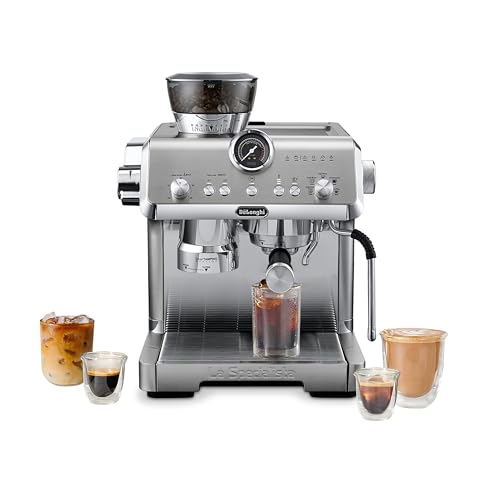
The product table also includes the Eletta Explore, the Rivelia, the Dinamica LatteCrema, the La Specialista Opera with assisted tamping, the La Specialista Touch with guided dialing in, the Magnifica Start, and the Baratza Encore ESP grinder for Stilosa owners. If you are open to other brands, our guide to the best espresso machine compares the wider market.
What to Look for Before Buying
Espresso Extraction and Milk Workflow
Start with how much of the shot you want to control. On a manual machine like the Stilosa, grind size, dose and tamp are your job, and the grinder matters as much as the machine. On a portafilter machine with a grinder, like the La Specialista Arte Evo, you adjust grind and temperature and still tamp. On a fully automatic machine, you choose a recipe and the machine handles the rest.
Do not rank machines by pump pressure. Most listings quote 15 bar, but extraction happens at much lower pressure at the puck, and grind consistency and temperature stability matter more. Treat a high bar number as a spec, not a quality score.
Then match the milk system to your drinks. A manual steam wand gives the most control and suits latte art, but it takes practice. LatteCrema automatic systems make one-touch lattes and, in Hot and Cool versions, cold foam for iced drinks. Remember that a "long coffee" or drip-style setting makes brewed coffee, not espresso, and cold brew modes make a different drink again.
Coffee Format and Serving Needs
Every machine here uses coffee you supply: ground coffee for the Stilosa, whole beans for the rest. Fully automatic models grind as they brew, which keeps coffee fresh but means you commit to one bean in the hopper at a time. Our guide to the best super automatic espresso machine compares that format across brands.
Think about volume. Espresso machines make one or two drinks at a time, so a household of four making lattes will wait for each. Fully automatic machines with a long coffee or drip coffee function help if someone wants a mug of coffee rather than espresso. Check tank and bean hopper size on the listing or in the manual against the number of drinks you make each morning.
Avoid comparing espresso with drip output as if they were the same. A double espresso is about 2 oz of concentrated coffee; a mug of drip coffee is five or six times that volume and much milder. Decide which one you drink most, and if it is drip coffee, a drip brewer may serve you better.
Daily Workflow and Cleanup
Count the daily steps. Manual machines mean grind or scoop, tamp, brew, steam, then knock out the puck and wipe the wand. Fully automatic machines mean fill beans and water, choose a drink, then empty the grounds container and drip tray and rinse the milk parts.
Maintenance is a separate job. Automatic machines run rinse cycles and prompt for descaling, and De'Longhi water filters reduce how often you descale. Manual machines need descaling and occasional cleaning of the group and shower screen. Always follow the interval and products named in your manual.
Measure before you buy. Fully automatic machines need space above for the bean hopper and in front to remove the drip tray and grounds container. Portafilter machines need room to work beside them for tamping and steaming.
Which Option Fits Your Routine?
Your Must-Have Function
If one-touch milk drinks are non-negotiable, choose the Magnifica Duo or PrimaDonna Aromatic. If you want to make espresso by hand, pick the Stilosa or La Specialista Arte Evo.
Your Preparation and Cleanup Tolerance
If you want a short routine with automatic milk, the Magnifica Evo with LatteCrema fits, while the La Specialista Arte Evo rewards people who enjoy the craft. Skip milk systems you will not use.
Your Complete Budget
Add a grinder for the Stilosa, plus beans, water filters, descaler and a milk pitcher for manual models. The cheapest machine is not always the cheapest setup.
Frequently Asked Questions
Which features matter most for this use case?
For a De'Longhi espresso machine, the format and the milk system matter most. Decide first between manual, portafilter with grinder, or fully automatic, then pick the milk system that matches your drinks. Grind settings and temperature options matter more than the pump pressure printed on the box, which is similar across most models.
How do I choose the correct serving capacity?
Count how many drinks you make in a row and what size they are. Espresso machines brew one or two drinks at a time, so check the water tank and bean hopper size for back-to-back drinks. Larger tanks mean fewer refills during a busy morning. Long coffee settings help if someone wants a full mug.
What extra equipment will I need?
It depends on the format. The Stilosa needs a burr grinder for fresh beans and benefits from a milk pitcher and scale. Portafilter models with grinders need a pitcher and knock box. Fully automatic machines need little beyond beans, water filters and De'Longhi approved descaler.
How much daily cleaning should I expect?
Expect a few minutes a day. Manual machines need the puck knocked out, the filter rinsed and the wand wiped after every milk drink. Automatic machines need the grounds container and drip tray emptied and milk parts rinsed. Descaling is periodic, at the interval your machine or manual gives.
Final Verdict
For most homes, the Magnifica Duo is the best De'Longhi espresso machine because it pairs a built-in grinder with one-touch hot and cold milk drinks and a real drip coffee mode, at a mid-range price. If you would rather learn espresso by hand and spend less, the Stilosa is the alternative, with the trade-off of buying a grinder. Decide how much of the process you want to do yourself, confirm the exact model and milk system on the listing, and the best De'Longhi espresso machine for your counter will follow.

