
Drip Coffee Maker vs Coffee Maker: Which Should You Choose?
Disclosure: We may earn a commission when you buy through links on this page, at no extra cost to you. As an Amazon Associate I earn from qualifying purchases. Learn more

Drip coffee maker vs coffee maker explained: drip is one brewing method, compared here with a percolator and other types.
The drip coffee maker vs coffee maker question trips up a lot of shoppers, because the two terms overlap. "Coffee maker" is the umbrella term for any appliance or brewer that makes coffee, while a drip coffee maker is one specific type: it showers hot water over ground coffee in a filter and lets the brew drip into a carafe. The useful comparison is therefore between drip brewing and the other kinds of coffee maker you might buy instead.
This guide resolves the question to a concrete pair, the BLACK+DECKER CM2046S thermal drip coffee maker and the Presto 02811 electric percolator, and also covers a French press, a manual pour-over and a single-serve grounds brewer. Start with the quick verdict, then read on for how each method changes your morning routine, cleanup and costs.


Quick Verdict
Choose Drip Coffee Maker If…
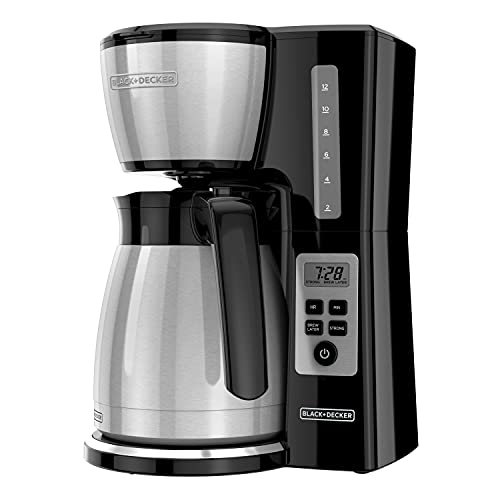
Choose a drip coffee maker if you want a programmable pot of coffee with minimal effort and a predictable result. The BLACK+DECKER CM2046S brews up to 12 cups into a thermal carafe, sets a 24-hour auto brew and offers a Strong option. The compromise is a plastic machine with a paper filter routine and fewer ways to change how the coffee tastes.
Choose Coffee Maker If…
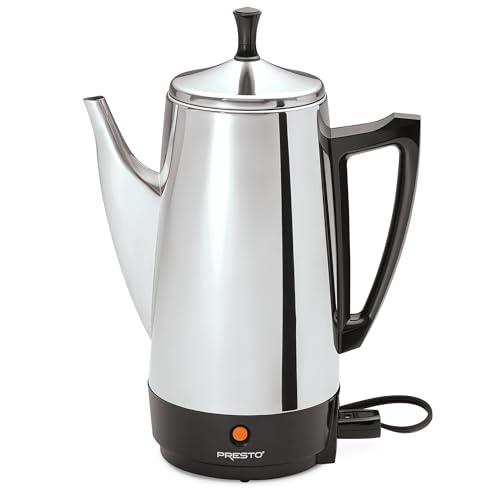
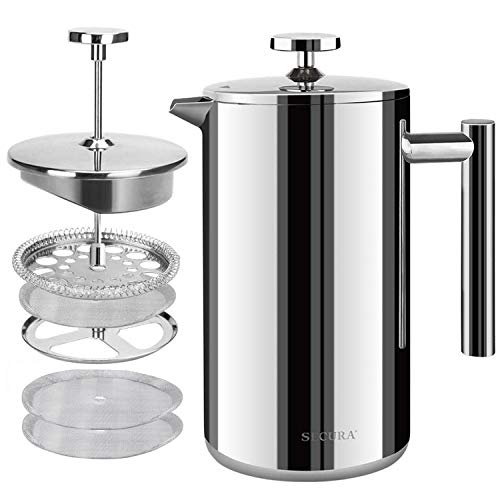
Choose another type of coffee maker if you want a different style of coffee or a different routine. A percolator like the Presto 02811 brews quickly and keeps coffee hot, a French press makes full-bodied coffee with no paper filter, and single-serve brewers make one mug at a time. The compromise depends on the type: more attention, more cleanup or smaller batches.
Scope and Side-by-Side Table
We compare the BLACK+DECKER CM2046S 12 Cup Thermal Programmable Coffee Maker and the Presto 02811 12-Cup Stainless Steel Electric Percolator, both current US products sold new on Amazon US at a similar price. Both brew up to 12 cups of about 5 oz each from ground coffee, so the pairing matches capacity and budget while showing two different brewing methods.
Shoppers usually reach this drip coffee maker vs coffee maker question while replacing an old machine and wondering whether to stick with drip or try something different. That is why we include the French press, pour-over and single-serve options too: they are the realistic alternatives in the same price range.
| Feature | BLACK+DECKER CM2046S (drip) | Presto 02811 (percolator) |
|---|---|---|
| Coffee output | Up to 12 cups brewed coffee | 2 to 12 cups (about 5 oz each) |
| Brewing method | Hot water showered over grounds, drips into carafe | Water cycles up through the grounds repeatedly |
| Preparation steps | Water, paper filter, grounds, start or program | Water, grounds in basket, switch on |
| Filter | Paper filter in brew basket | Metal basket (see manual for filters) |
| Keeping coffee hot | 4-layer thermal carafe, up to 2 hours | Automatic temperature control |
| Controls | 24-hour auto brew, Strong button, auto shutoff after brewing | Signal light when coffee is ready |
| Clearance | See listing | See listing |
| Care | Wash carafe and basket, descale per manual | Stainless steel, easy cleanup per listing |
| Price | Around $63 | Around $75 |
How We Compared These Options
We compared the two machines from their manufacturer listings and stated features, and treated each as a complete setup with ground coffee and any filters it needs. We also looked at the other common coffee maker types, a French press, a pour-over and a single-serve grounds brewer, to show where drip sits in the wider category. Buyer feedback was read in aggregate for recurring themes.
We did not brew matched coffees side by side, so we do not declare a flavor winner. Specifications come from the listings, while observations about routine and effort are our judgments and are labeled as such.
Terminology and Brewing Method
What Each Option Supports
"Coffee maker" covers drip machines, percolators, French presses, pour-over brewers, single-serve brewers and espresso machines. "Drip coffee maker" is the most common subset: an electric machine, like the CM2046S, that heats water and showers it over grounds through a showerhead, which BLACK+DECKER calls Vortex technology. Manual pour-over, like the Bodum Pour Over in the product table, is also drip brewing, just done by hand.
What Changes in Everyday Use
In a drip machine, water passes through the grounds once and drips into the carafe. In a percolator like the Presto, heated water rises through a tube and cycles over the grounds repeatedly, which the listing says brews as fast as a cup a minute. A French press steeps grounds in hot water, then presses them down with a mesh filter. Each method changes the routine and the style of coffee.
Single-serve grounds brewers, like the Hamilton Beach Scoop, are small drip machines in practice: water passes through a mesh basket of grounds once and into your cup. The Scoop's basket doubles as the scoop, and it brews 8 to 14 oz without pods or paper filters, according to its listing. Pod machines work similarly but use sealed pods instead of loose grounds.
Who Benefits from the Difference
Do not let the wording create a false choice: every drip coffee maker is a coffee maker. The real question is which brewing method suits you. If you want hands-off, programmable pots, choose drip. If you want hot coffee for a crowd from a stainless pot, or a cup brewed without paper, look at a percolator or French press.
Coffee Output and Control
What Each Option Supports
The CM2046S brews up to 12 cups, with a Strong button that slows the brew for a richer cup, and its thermal carafe keeps coffee hot for up to two hours without a warming plate. The Presto 02811 brews from 2 to 12 cups of about 5 oz each and keeps coffee hot with automatic temperature control; a signal light shows when it is ready. Both suit households that drink several cups.
What Changes in Everyday Use
On the drip machine, adjustment is mostly automatic: set the timer, choose Strong or regular and let it run. On the percolator, you control strength mainly through the amount of coffee you add, and you switch it on when you want coffee, since the listing does not mention a timer. A French press gives you the most manual control, through steep time and grind size.
Who Benefits from the Difference
We make no taste claims, since we did not brew matched coffees, and taste preferences vary. If you want coffee ready when you wake up, the drip machine's 24-hour auto brew is the deciding feature. If you entertain and want hot coffee served from a stainless pot, the percolator fits that routine.
Batch size also shapes the choice. The Presto brews as few as 2 cups, which helps on quiet mornings, while the drip machine's carafe holds coffee for later without a warming plate. A French press makes one batch at a time sized by the press itself, so the 50 oz Secura suits a family and a smaller press suits one or two people.
Preparation and Maintenance
What Each Option Supports
Drip brewing on the CM2046S means adding water, a paper filter and grounds, then pressing start or setting the timer; the listing suggests preheating the thermal carafe with hot water for best results. The Presto percolator means adding water and grounds to its basket, then switching on; its stainless steel construction is described as quick to clean, with an easy-pour spout and stay-cool handle.
What Changes in Everyday Use
Cleanup differs by method. The drip machine leaves a paper filter you can throw away, plus a carafe and basket to rinse. The percolator leaves grounds in a metal basket to empty and rinse. A French press needs grounds scooped or rinsed out of the carafe, and single-serve grounds brewers like the Hamilton Beach Scoop need their mesh basket emptied after each cup.
Who Benefits from the Difference
Automatic brewing is not zero maintenance: every electric coffee maker needs descaling on the schedule in its manual, using a solution it approves. If you want the simplest daily cleanup, a drip machine with paper filters is easiest. If you dislike paper filters and do not mind rinsing grounds, a percolator or French press suits you.
Durability expectations differ by material, but we make no lifespan claims. Stainless steel percolators and presses have fewer electronic parts, while programmable drip machines add clocks and sensors that bring convenience. Check the warranty on each listing; the Presto lists a 1-year limited warranty.
Setup and Recurring Cost
What Each Option Supports
On the same day, for new units, the CM2046S listed at around $63 and the Presto 02811 at around $75. Neither needs a grinder if you buy pre-ground coffee, though a burr grinder improves freshness for any method. The French press in the product table costs around $41 and the Bodum pour-over around $20, so all of these sit at modest prices.
What Changes in Everyday Use
Assume a household drinking six 10 oz mugs a day. A drip machine uses ground coffee plus one paper filter per pot. A percolator uses ground coffee and, depending on the manual, no paper filter.
A French press uses coarse grounds and no filter. Paper filters are the only consumable that differs, and they cost little, so coffee itself is the main recurring cost. Descaling solution for the electric options adds a small amount a few times a year.
Who Benefits from the Difference
Because purchase prices are close, choose by routine and drink style rather than cost. If you want the cheapest possible entry, a manual pour-over or French press costs least. If you want convenience at a modest price, the programmable drip machine gives the most automation per dollar.
A grinder is the one upgrade that benefits every method. Fresh grounds help drip, percolator and French press alike, though each method suits a different grind size: medium for drip, coarser for French press and percolator. If you buy whole beans, choose a burr grinder that covers the range you need.
Representative Products and Pairing Limits
A Verified Pair at a Relevant Price Level
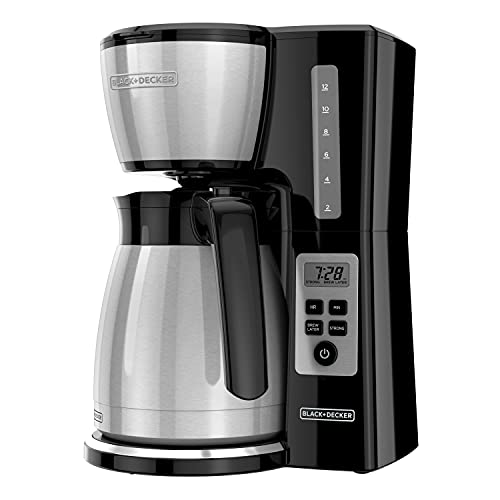
The BLACK+DECKER CM2046S and the Presto 02811 are the pair compared here. The CM2046S's consequential differences are its 24-hour programming and its thermal carafe that needs no warming plate; its limitation is a basic plastic build and paper filter routine. The Presto's differences are its fast percolating brew and automatic keep-hot control in a stainless body; its limitation is no timer listed and a metal basket of grounds to empty and rinse after every pot.

What the Pair Does Not Prove
One pair cannot represent every drip machine or every other coffee maker type. Premium drip brewers add features such as precise temperature control and larger showerheads, and other coffee makers, from single-serve pod machines to espresso machines, work in entirely different ways.
The pair also does not decide taste: beans, grind and water ratio influence flavor more than the machine label. For deeper picks within drip brewing, see our guides to the best drip coffee makers and the best specialty drip coffee maker.
Drip Coffee Maker vs Coffee Maker: Which Should You Choose?
For Convenience-First Buyers
A programmable drip coffee maker is the most convenient choice for pots of coffee: set it at night and wake to a full thermal carafe. Single-serve grounds brewers suit one-mug routines. Manual methods such as French press and pour-over ask for a few minutes of attention each time.
A percolator sits in the middle: it needs no timer setup, but you switch it on when you want coffee and wait for the signal light. For a weekend crowd, that simple routine and a stainless pot on the table can be more convenient than refilling a drip carafe.
For Buyers Seeking Control or Different Drinks
For more control over flavor, manual brewers are best: a French press lets you set steep time, and a pour-over lets you control the pour. For hot coffee served from a stainless pot, a percolator is the classic choice. For espresso drinks, none of these will do; that requires an espresso machine.
For Budget and Space Constraints
All the options here are modestly priced, with manual brewers the cheapest and smallest. A drip machine or percolator needs a counter spot near an outlet, while a French press or pour-over can live in a cupboard. The compromise is convenience against cost and space. If you already own a kettle, a pour-over or French press adds almost nothing to your counter.
Frequently Asked Questions
Are these options the same type of machine?
A drip coffee maker is one type of coffee maker, so the terms overlap. The BLACK+DECKER CM2046S is a drip machine; the Presto 02811 is a percolator, a different kind of coffee maker that cycles water through the grounds rather than dripping it through once.
Which is easier to use and maintain?
A programmable drip machine with paper filters is usually easiest day to day. A percolator is also simple but needs its metal basket emptied and rinsed. Both electric types need periodic descaling as the manual directs.
What accessories or coffee formats do they require?
Both use ground coffee. The drip machine needs paper filters, while the percolator uses its metal basket; check the manual for its filter guidance, including the recommended grind so grounds do not pass into the pot. A burr grinder is optional for either if you buy whole beans.
Which offers better value for my routine?
For automatic pots on a schedule, the drip machine offers better value. For hot coffee for gatherings in a durable stainless pot, the percolator is a good value. For the lowest cost, a French press or pour-over wins.
Final Verdict
The drip coffee maker vs coffee maker question resolves into choosing a brewing method. Pick a drip machine like the BLACK+DECKER CM2046S for programmable, hands-off pots in a thermal carafe, or another coffee maker type, such as the Presto percolator or a French press, for a different style and routine. For more drip options, see our guide to the best drip coffee makers.


