
Coffee Machine vs Coffee Maker: Which Should You Choose?
Disclosure: We may earn a commission when you buy through links on this page, at no extra cost to you. As an Amazon Associate I earn from qualifying purchases. Learn more

Coffee machine vs coffee maker: the terms decoded, plus a drip brewer and a bean-to-cup espresso machine compared by drinks, cleanup and cost.
The coffee machine vs coffee maker question is partly about words. In everyday US shopping, "coffee maker" usually means a drip brewer that makes a pot of regular coffee, while "coffee machine" often points to espresso, capsule or bean-to-cup appliances. The terms overlap, though, and plenty of listings use them interchangeably. This guide explains the terminology first, then compares a representative pair: the OXO Brew 8-Cup drip coffee maker and the Philips 2200 Series LatteGo, a fully automatic espresso machine.
If you want a fast answer, the verdict below sorts buyers by the drinks they make. If you want detail, the sections on brewing method, output, maintenance and cost explain what really changes between the two types.


Quick Verdict
Choose Coffee Machine If…
Choose an espresso-style coffee machine if you mostly drink espresso, cappuccinos or lattes and want them at home. A bean-to-cup machine like the Philips 2200 LatteGo grinds, brews and froths milk at the touch of a button, while capsule machines trade bean choice for speed. The compromise is a higher price, more parts to clean and smaller servings per brew.
Choose Coffee Maker If…
Choose a drip coffee maker if you drink regular coffee by the mug, often for more than one person. A brewer like the OXO Brew 8-Cup makes a full thermal carafe from ground coffee with very little daily cleanup. The compromise is no espresso and no built-in milk system, so lattes need a separate frother or a different machine.
Scope and Side-by-Side Table
We matched one current US model of each common meaning: the OXO Brew 8-Cup Coffee Maker with thermal carafe and single-serve basket, and the Philips 2200 Series EP2230 fully automatic espresso machine with LatteGo. They sit at different prices because they do different jobs, so the pairing illustrates workflows rather than a head-to-head at equal cost.
| Feature | Coffee maker: OXO Brew 8-Cup | Coffee machine: Philips 2200 LatteGo |
|---|---|---|
| Coffee output | Drip coffee, up to 8 cups in a thermal carafe | Espresso, coffee, cappuccino |
| Preparation | Add filter and grounds, add water, brew | Add beans and water, touch a button |
| Grinder | None (use pre-ground or a separate grinder) | Built-in 100% ceramic grinder |
| Milk | None | LatteGo milk system |
| Single cup | Optional single-serve brew basket | Every drink is single-serve |
| Controls | Simple brew controls | Touch display, strength and quantity settings |
| Care | Rinse basket and carafe; descale | Empty grounds and tray, rinse LatteGo; AquaClean filter |
| Machine price | Around $210 | Around $400 |
Clearance and footprint vary; check each listing for dimensions before you buy.
How We Compared These Options
We relied on current Amazon US listings, manufacturer specifications and box contents for each model, and compared complete setups: what you must add before the first cup and what you will buy afterwards. We treated "coffee machine" and "coffee maker" as overlapping labels rather than strict categories, and named the exact brewing method each time.
We read buyer feedback in aggregate for patterns in ease of use and cleaning, and kept verified features apart from our own judgments. No brewing trials of our own were done, so this coffee machine vs coffee maker guide makes no taste or reliability claims beyond what specifications and owner feedback support.
Terminology and Brewing Method
What Each Option Supports
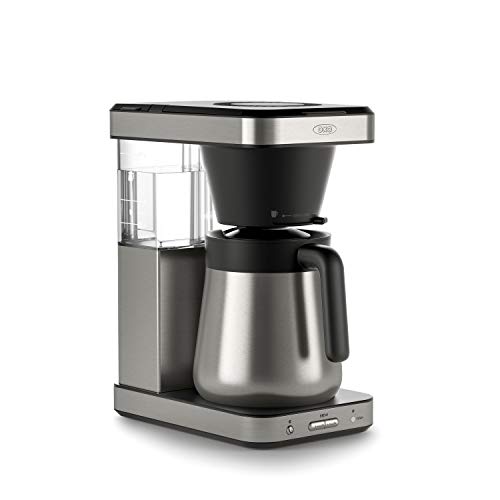
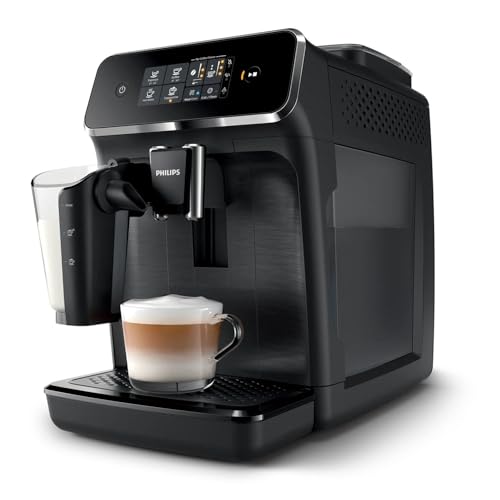
"Coffee maker" is the everyday US term for drip brewers: hot water drips through ground coffee in a filter and collects in a carafe. The OXO Brew 8-Cup is a typical example, with a showerhead that spreads water evenly and a thermal carafe. "Coffee machine" is broader and often describes appliances that brew under pressure, such as espresso, capsule and fully automatic machines. The Philips 2200 grinds beans and brews espresso-style coffee for each drink.
The overlap is real. Some brands call drip brewers coffee machines, and some single-serve pod brewers are sold as coffee makers. That is why the method matters more than the label.
A useful shorthand is to sort appliances by how they push water through coffee. Gravity-fed drip brewers and pour-over machines let water fall through the grounds. Espresso and many capsule machines use a pump to force water through a compact bed of finely ground coffee. Pod brewers such as K-Cup machines sit in between: they pass water through a pod at low pressure and make regular coffee, which is why they are usually grouped with coffee makers.
What Changes in Everyday Use
A drip coffee maker brews a batch, so one cycle serves several people. A fully automatic coffee machine makes one drink at a time and repeats for the next person. With the drip brewer you measure grounds and add a filter; with the bean-to-cup machine you refill a bean hopper and water tank occasionally and choose a drink on a display.
Timing differs too. A drip brewer works best when you know how much coffee you need in advance, and many have timers so the pot is ready at wake-up. A bean-to-cup machine works best on demand, because each drink is made fresh when someone walks up to it, which suits households where people wake at different times.
Who Benefits from the Difference
Ignore the label on the box and read the method. If the listing mentions a carafe, filters and cups in a batch, it is a drip coffee maker. If it mentions bar pressure, espresso, a grinder or capsules, it is what most people mean by a coffee machine. Buyers who drink espresso drinks benefit from the second type, and pot drinkers from the first.
Coffee Output and Control
What Each Option Supports
The OXO Brew 8-Cup is Specialty Coffee Association Golden Cup certified, according to its listing, with water reaching the grounds at 194 F to 205 F, and its double-wall thermal carafe keeps coffee hot for hours. The Philips 2200 makes espresso, coffee and cappuccino at a touch, with a My Coffee Choice menu to adjust strength and quantity across three settings, and keeps brewing water between 90 and 98°C, according to Philips.
What Changes in Everyday Use
The drip brewer gives you a carafe of mild, larger-volume coffee to pour over the morning. The espresso machine gives you small, concentrated shots or milk drinks one at a time; its "coffee" setting stretches an espresso-style brew into a longer cup, which tastes different from drip. Neither is better in general, but they are not interchangeable drinks.
Control works differently as well. On the drip brewer, your main levers are the coffee itself, the grind and the amount of grounds per batch. On the coffee machine, you adjust strength and volume through the menu and the grinder setting, and the machine handles dose and timing. People who like to tinker often prefer drip or manual brewing, while people who want consistency without effort often prefer the machine.
Who Benefits from the Difference
Households that share a pot benefit from a drip coffee maker's batch brewing. Individuals or couples who each want a specific drink, especially with milk, benefit from a coffee machine's single-serve, one-touch approach. If someone wants both a pot and lattes, consider two appliances or a combination brewer rather than forcing one type to do both jobs.
Preparation and Maintenance
What Each Option Supports
The OXO's daily care is simple: throw away the filter and grounds, rinse the basket and thermal carafe, and descale periodically as the manual directs. The Philips 2200 asks you to empty the grounds container and drip tray, rinse the LatteGo milk system after milk drinks, and replace its AquaClean filter when prompted; Philips says that with the filter changed on prompt, you will not need to descale for up to 5,000 cups.
What Changes in Everyday Use
Expect about a minute of cleanup per day with the drip brewer and a few minutes with the espresso machine, mostly from milk parts and grounds. The espresso machine also has periodic tasks such as brew unit rinsing and filter changes. Supplies differ: paper filters and descaler for the drip brewer, water filters and occasional cleaning products for the coffee machine.
Who Benefits from the Difference
People who want the least daily maintenance benefit from a drip coffee maker. People who are willing to rinse a milk system and empty a grounds drawer in exchange for one-touch espresso drinks benefit from a coffee machine. Philips designs LatteGo as a tube-free milk system meant to rinse quickly, which narrows the gap for milk drinkers; check the manual for its exact cleaning steps.
Setup and Recurring Cost
What Each Option Supports
At the time of checking, the OXO Brew 8-Cup sold for around $210 and the Philips 2200 LatteGo for around $400, both new on Amazon US. Lower-cost drip makers such as the BLACK+DECKER 12-Cup cost around $35, while capsule machines such as the Nespresso Vertuo Pop+ Deluxe cost around $140 and super automatics with more drinks cost well over $500.
What Changes in Everyday Use
The drip brewer needs ground coffee, filters and descaler; add a burr grinder if you buy whole beans. The fully automatic machine needs whole beans, AquaClean filters and milk if you drink milk drinks. Capsule machines replace beans with capsules, which cost more per cup. Over a year, your coffee format matters more than the machine price.
Do the math with your own numbers. Count the cups you drink in a typical week, multiply by the cost per cup of grounds, beans or capsules, and add filters and cleaning supplies. For many households, that yearly figure dwarfs the difference between a mid-range drip brewer and an entry bean-to-cup machine.
Who Benefits from the Difference
Budget-focused pot drinkers get the best value from a drip coffee maker, especially with ground coffee. Daily latte drinkers can save compared with buying café drinks by owning a bean-to-cup machine, even at the higher upfront price. Capsule machines suit those who value speed over cost per cup.
Representative Products and Pairing Limits
A Verified Pair at a Relevant Price Level
The OXO Brew 8-Cup Coffee Maker offers Golden Cup certified brewing at 194 F to 205 F, a Rainmaker showerhead, a double-wall vacuum-insulated thermal carafe, an optional single-serve brew basket and a removable well that fits tall travel mugs. Its key strengths are batch brewing and easy care; its limitation is no espresso or milk system.

The Philips 2200 Series EP2230 offers one-touch espresso, coffee and cappuccino, a 100% ceramic grinder, the LatteGo milk system, a touch display with strength and quantity settings, Aroma Seal and an AquaClean filter. Its key strengths are one-touch milk drinks and fresh grinding; its limitation is a smaller drink menu than pricier models and more daily cleanup than a drip brewer.

What the Pair Does Not Prove
This pair compares two common meanings of the terms, not every product sold under each label. Capsule machines, semi-automatic espresso machines, single-serve pod brewers and grind-and-brew drip makers all sit somewhere between these two examples. A Nespresso, for example, is often called a coffee machine but works very differently from a bean-to-cup Philips.
It also does not prove one type makes better coffee. Drip coffee and espresso are different drinks, and the right choice depends on what you drink. For more options in each category, see our roundups of the best coffee makers and the best super automatic espresso machine.
Coffee Machine vs Coffee Maker: Which Should You Choose?
For Convenience-First Buyers
If convenience means one-touch espresso drinks, a fully automatic coffee machine like the Philips 2200 wins. If it means brewing a whole pot with minimal cleanup, a drip coffee maker like the OXO wins. For one quick cup with almost no cleanup, a pod or capsule machine is another option.
For Buyers Seeking Control or Different Drinks
For espresso and milk drinks, choose a coffee machine with a milk system. For pour-over style drip with even saturation, choose a quality drip brewer and add a burr grinder. If you want to learn espresso technique, a semi-automatic espresso machine offers more control than either of these examples.
For Budget and Space Constraints
Drip coffee makers are cheaper and usually more compact. Bean-to-cup machines cost more and need room for the bean hopper and water tank, plus clearance to slide out the drip tray. Measure under your cabinets, and include a grinder in a drip setup if you buy whole beans. If space is very tight, a compact capsule machine or a small drip brewer takes the least room, though each limits you in a different way.
Frequently Asked Questions
Are these options the same type of machine?
Not usually. "Coffee maker" typically means a drip brewer that makes a carafe of regular coffee, while "coffee machine" often means an espresso, capsule or bean-to-cup appliance. The labels overlap in marketing, so read the brewing method on the listing rather than the name.
Which is easier to use and maintain?
A drip coffee maker is easier to maintain: discard the filter, rinse the basket and carafe, and descale occasionally. A fully automatic coffee machine is easier to use for espresso drinks but needs more cleaning, including the grounds drawer, drip tray and milk system.
What accessories or coffee formats do they require?
Drip coffee makers need ground coffee, filters and descaler, plus a burr grinder for whole beans. Bean-to-cup machines need whole beans, water filters and milk for milk drinks. Capsule machines need compatible capsules, which are specific to each system.
Which offers better value for my routine?
For pots of regular coffee, a drip coffee maker offers better value. For daily espresso or lattes, a coffee machine can pay off compared with café purchases. If you drink both, consider a combination brewer or two appliances.
Final Verdict
In the coffee machine vs coffee maker choice, start with your drink: choose a drip coffee maker like the OXO Brew 8-Cup for pots of regular coffee, and a coffee machine like the Philips 2200 LatteGo for one-touch espresso and milk drinks. For household picks across both types, see our guide to the best coffee maker for home.


