
Bean To Cup Coffee Machine vs Coffee Maker: Which Should You Choose?
Disclosure: We may earn a commission when you buy through links on this page, at no extra cost to you. As an Amazon Associate I earn from qualifying purchases. Learn more

Bean to cup coffee machine vs coffee maker, compared through the Philips 2200 and a Cuisinart thermal drip brewer.
The bean to cup coffee machine vs coffee maker question is about two different ways of getting coffee in the morning. A bean to cup machine grinds whole beans and brews each drink at the touch of a button, usually espresso-based drinks with milk options, while a standard coffee maker drips hot water through ground coffee into a carafe. One is built around single drinks and convenience, the other around pots of brewed coffee at a lower price.
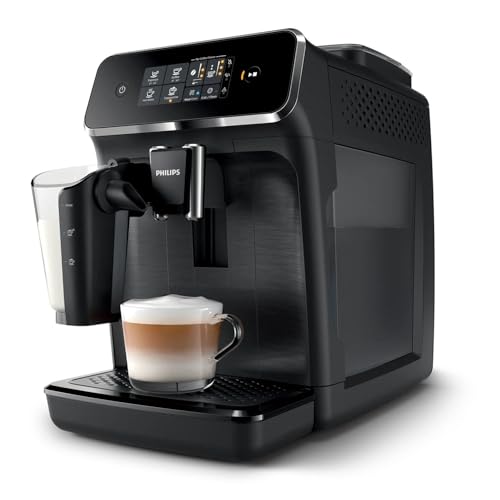
To keep the comparison concrete, we resolve it to a representative pair: the Philips 2200 LatteGo (EP2230/14) and the Cuisinart 12-Cup PerfecTemp Thermal coffee maker. The quick verdict gives the short answer.

Quick Verdict
Choose Bean To Cup Coffee Machine If…
Choose a bean to cup machine if you want espresso, coffee and cappuccino made from fresh beans one drink at a time, with no grinding, dosing or tamping. The Philips 2200 does this at the touch of a button and tops drinks with milk froth from its LatteGo system. The compromise is a higher price, one drink at a time and a small menu on entry models.
Choose Coffee Maker If…
Choose a coffee maker if you drink brewed coffee by the mug, often for more than one person, and want a lower purchase price. The Cuisinart 12-Cup PerfecTemp Thermal is programmable and brews into a thermal carafe. The compromise is that it uses pre-ground coffee unless you add a grinder, and it does not make espresso or froth milk.
Scope and Side-by-Side Table
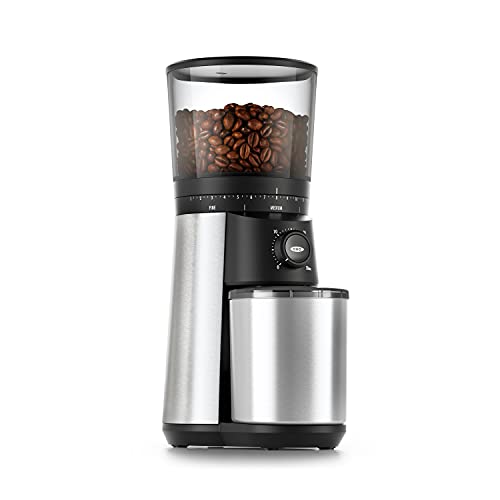
We compare the Philips 2200 Series EP2230/14 and the Cuisinart 12-Cup PerfecTemp Thermal Carafe coffee maker, both current US products sold new on Amazon US. The pairing does not match on price or format, and that is the point: these are the two routes buyers weigh. To compare complete setups, we add a burr grinder to the coffee maker for anyone who wants fresh-ground coffee.
Most shoppers asking about a bean to cup coffee machine vs coffee maker are really asking whether espresso drinks at home are worth the extra cost and counter space. The sections below answer that by looking at the drinks, the daily steps and the money involved, rather than at marketing labels.
| Feature | Philips 2200 LatteGo (bean to cup) | Cuisinart 12-Cup PerfecTemp Thermal (coffee maker) |
|---|---|---|
| Coffee output | Espresso, coffee, cappuccino, one drink at a time | Brewed coffee, up to a 12-cup thermal carafe |
| Preparation steps | Fill beans, water and milk; touch a drink | Fill water, add filter and grounds, brew or program |
| Grinder | Built-in ceramic grinder | None; pre-ground or a separate grinder |
| Milk | LatteGo milk system | None |
| Sizes and control | Strength and quantity, three settings each | Regular or Bold, 1 to 4 cup setting |
| Controls | Touch display | 24-hour programming, ready alert tone |
| Clearance | See listing | See listing |
| Care | AquaClean filter, rinse LatteGo, empty grounds | Wash carafe and basket, self-clean, descale per manual |
| Full setup cost | Around $400 | Around $180, or around $280 with an OXO burr grinder |
How We Compared These Options
We compared the two from their manufacturer listings, package contents and stated features, and built comparable complete setups: the bean to cup machine on its own, and the coffee maker with and without a burr grinder. We read buyer feedback in aggregate for recurring themes.
We did not brew matched coffees side by side, so we do not name a flavor or reliability winner; espresso drinks and drip coffee are different drinks anyway. Specifications come from the listings, and our judgments about routine and value are labeled as such.
Terminology and Brewing Method
What Each Option Supports
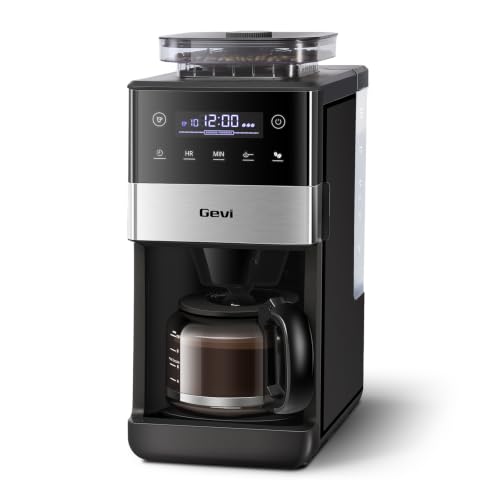
"Bean to cup" describes a machine that takes whole beans and delivers a finished drink, grinding and brewing internally. Most are fully automatic espresso machines, like the Philips 2200 with its ceramic grinder. "Coffee maker" usually means a drip brewer, like the Cuisinart PerfecTemp Thermal, which brews pre-ground coffee into a carafe. The labels overlap: grind-and-brew drip machines, such as the Gevi 10-Cup Grind and Brew in the product table, also go from beans to coffee.
What Changes in Everyday Use
Inside a bean to cup machine, beans are ground, dosed and compressed, then hot water is forced through the coffee under pressure, the way espresso is made. A drip coffee maker heats water and showers it over grounds in a filter, letting gravity carry coffee into the carafe. The practical result is single concentrated drinks from one, and larger pots of lighter brewed coffee from the other.
Who Benefits from the Difference
The words matter less than the drinks. If your goal is fresh-ground drip coffee, a grind-and-brew coffee maker is also "bean to cup" and may suit you better than an espresso machine. If you want espresso and milk drinks, only the fully automatic type delivers them. Decide by the cup you want, then pick the category.
A quick check helps: write down your usual coffee shop order. If it is a drip coffee or an Americano, a coffee maker or grind-and-brew machine covers it. If it is a latte, cappuccino or flat white, a bean to cup machine is the only one of the two that makes it from start to finish.
Coffee Output and Control
What Each Option Supports
The Philips 2200 makes three drinks, espresso, coffee and cappuccino, and its My Coffee Choice menu adjusts strength and quantity with three settings each; its listing states a brewing water temperature of about 194 to 208°F (90 to 98°C). The Cuisinart PerfecTemp Thermal brews up to a 12-cup carafe, offers Regular or Bold strength and a 1 to 4 cup setting for small batches, and is designed for hotter coffee according to its listing.
What Changes in Everyday Use
Adjustment on the Philips is automatic once set: choose a drink and strength, and every cup follows the same settings. On the Cuisinart, you control strength through the Bold setting and the amount of grounds you scoop, and you choose batch size each time. One gives repeatable single drinks; the other gives flexible pots.
Serving size is part of control, too. A 12-cup carafe makes about 60 oz of coffee, enough for several mugs at once, while the Philips makes each drink separately. Households that want five mugs at 7 a.m. will find the carafe faster; households where people drink at different times may prefer fresh single drinks.
Who Benefits from the Difference
We make no taste claims, since we did not brew matched coffees. If you want the same cappuccino every morning with no measuring, the bean to cup machine fits. If you drink several mugs of black coffee or serve a household, the coffee maker's carafe and batch control make more sense.
Preparation and Maintenance
What Each Option Supports
The Philips 2200 needs beans and water filled, the grounds container and drip tray emptied, and the LatteGo milk system rinsed after milk drinks. Its AquaClean filter means no descaling for up to 5,000 cups when you change the filter as prompted. The Cuisinart needs water, a filter and grounds for each pot, then washing of the carafe and basket; it has a self-clean function, 24-hour programming and an optional ready tone.
Milk is the biggest daily difference. A bean to cup machine with a milk system makes cappuccinos easy, but the milk parts must be rinsed every time they are used. A coffee maker has no milk parts at all, so if you take coffee black or with a splash of cold milk, there is nothing extra to clean.
What Changes in Everyday Use
Count the steps. A cappuccino on the Philips: fill milk in LatteGo, touch the drink, rinse LatteGo afterward. A pot on the Cuisinart: fill water, add filter and grounds, brew (or program the night before), then wash the carafe and basket. Adding a separate grinder to the coffee maker adds a grinding step and a second appliance to clean.
Who Benefits from the Difference
Automatic preparation is not zero maintenance: bean to cup machines still need grounds emptied, milk parts cleaned and filters or descaling on schedule. If you want the fewest steps per drink, the Philips wins; if you want the fewest moving parts and simple washing, the coffee maker is easier to keep clean.
Water care applies to both. The Philips relies on its AquaClean filter and prompts, while the Cuisinart needs descaling on the schedule in its manual with an approved solution. Hard water shortens the time between descaling for any machine that heats water.
Setup and Recurring Cost
What Each Option Supports
On the same day, for new units, the Philips 2200 listed at around $400 and needs nothing else to start beyond beans and milk. The Cuisinart PerfecTemp Thermal listed at around $180; add a burr grinder such as the OXO Brew Conical Burr Grinder at around $100 if you want fresh-ground coffee, for a setup of around $280. Prices change, so check the product table above.
What Changes in Everyday Use
Assume one household drinking four mugs of coffee a day. The coffee maker uses a full or half carafe of brewed coffee from ground coffee or beans, plus paper filters. The bean to cup machine makes four separate drinks from beans and adds milk for cappuccinos, plus AquaClean filters over time. Bean use per drink is similar in kind, but milk drinks add cost.
Who Benefits from the Difference
If budget is tight or you drink plain coffee, the coffee maker setup costs far less to buy and run. If you would otherwise buy café drinks often, the bean to cup machine's higher price can be offset by making espresso drinks at home. Match the setup to your budget and your usual order.
Space is a hidden cost. A coffee maker plus a separate grinder takes two spots on the counter, while a bean to cup machine takes one larger spot. If your counter is small, that consolidation can matter as much as the price difference.
Representative Products and Pairing Limits
A Verified Pair at a Relevant Price Level
The Philips 2200 LatteGo and the Cuisinart 12-Cup PerfecTemp Thermal are the pair compared here. The Philips's consequential differences are its built-in ceramic grinder with one-touch espresso drinks and its LatteGo milk system; its limitation is a three-drink menu and one drink at a time. The Cuisinart's differences are its 12-cup thermal carafe and 24-hour programming; its limitation is no grinder, espresso or milk function.


What the Pair Does Not Prove
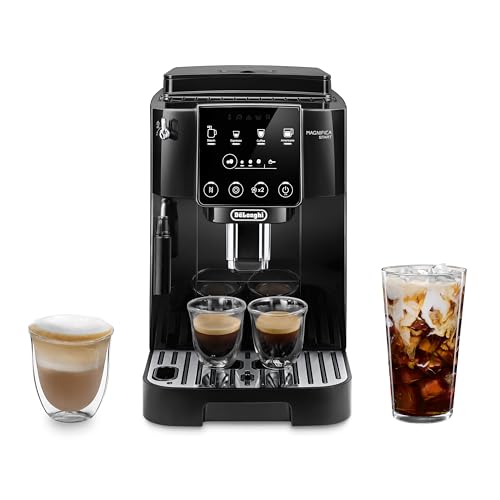
The two machines differ in automation, format and budget, so the pair shows trade-offs rather than a winner. A larger bean to cup machine, such as the De'Longhi Magnifica Start with 50+ recipes, changes the drink range, and a grind-and-brew drip machine closes the fresh-bean gap for coffee makers.
Price levels shift the picture as well. At the low end, a basic drip coffee maker costs a fraction of any bean to cup machine; at the high end, premium drip brewers and premium fully automatic machines both cost far more than this pair. Compare within your own budget band rather than assuming this pair holds everywhere.
The pair also does not represent every product from Philips or Cuisinart. Other models add or remove grinders, milk systems and carafes, so check each listing. For broader picks, see our list of the best coffee makers and our guide to the best coffee maker for home.
Bean To Cup Coffee Machine vs Coffee Maker: Which Should You Choose?
For Convenience-First Buyers
If convenience means one touch for each drink, including milk drinks, choose the bean to cup machine. If convenience means waking to a full pot already brewed, choose a programmable coffee maker. Both reduce morning effort in different ways, so match the workflow to how many drinks you make and when.
A household with mixed habits can also combine both: a programmable coffee maker for the weekday pot and a separate frother for the occasional latte-style drink. That will not match espresso, but it keeps costs and cleaning low.
For Buyers Seeking Control or Different Drinks
For espresso, cappuccino and adjustable strength per drink, the bean to cup machine is the only option of the two. For control over batch size and brew strength in pots of coffee, the coffee maker is better, and adding a burr grinder gives you control over freshness as well.
For Budget and Space Constraints
The coffee maker setup costs much less, even with a grinder, while the bean to cup machine costs more upfront. Footprints vary, so measure counter depth and cabinet clearance against each listing. The compromise is convenience and espresso drinks against lower cost and larger servings.
Frequently Asked Questions
Are these options the same type of machine?
No. A bean to cup machine like the Philips 2200 grinds beans and brews espresso-based drinks under pressure, one at a time. A coffee maker like the Cuisinart PerfecTemp Thermal drips water through pre-ground coffee into a carafe. Grind-and-brew drip machines sit between the two.
Which is easier to use and maintain?
The bean to cup machine is easier per drink, since it handles grinding and brewing, but it needs grounds emptied, milk parts rinsed and filters changed. The coffee maker needs a filter and grounds each time but has fewer parts to maintain.
What accessories or coffee formats do they require?
The Philips 2200 uses whole beans and milk, plus AquaClean filters. The Cuisinart uses pre-ground coffee and paper filters, and a burr grinder if you want fresh grounds. Both need a descaling or water care routine from the manual. Neither needs pods, so you can buy any coffee you like.
Which offers better value for my routine?
For plain brewed coffee by the mug, the coffee maker offers better value. For daily espresso drinks or cappuccinos you would otherwise buy out, the bean to cup machine can be worth its higher price.
Final Verdict
In the bean to cup coffee machine vs coffee maker choice, pick a bean to cup machine like the Philips 2200 if you want one-touch espresso drinks from fresh beans and accept a higher price. Pick a coffee maker like the Cuisinart PerfecTemp Thermal if you want pots of brewed coffee at a lower cost, adding a grinder for freshness. For more options, see our list of the best coffee makers.


