
Automatic vs Manual Espresso Machine: Which Should You Choose?
Disclosure: We may earn a commission when you buy through links on this page, at no extra cost to you. As an Amazon Associate I earn from qualifying purchases. Learn more

Automatic vs manual espresso machine: the labels explained, then a fully automatic EUHOMY against a Flair 49 PRO lever on effort and control.
The automatic vs manual espresso machine choice is about who does the work. An automatic machine grinds, doses, brews and often froths milk for you, while a manual machine puts the pressure, timing and technique in your hands. This comparison pairs two setups at a similar price, the EUHOMY Automatic Espresso Machine and the Flair 49 PRO manual lever espresso maker, and first untangles the confusing labels that sellers use for both.
If you already know whether you want convenience or control, the quick verdict gives an answer. If the terms "automatic", "semi-automatic" and "manual" blur together, start with the terminology section.


Quick Verdict
Choose Automatic If…
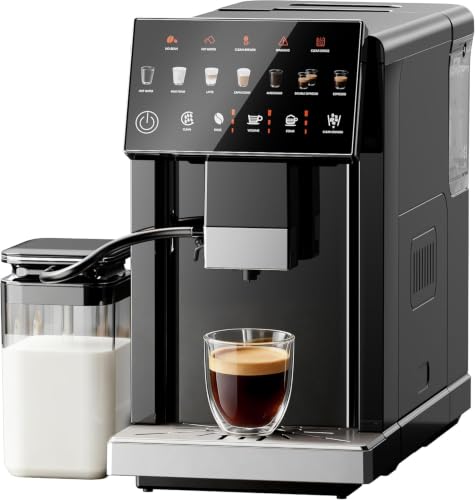
Choose an automatic machine if you want espresso drinks at a touch with almost no learning curve. The EUHOMY Automatic has a built-in burr grinder with 15 grind levels, a 20 bar pump, a touchscreen, automatic milk frothing and a self-cleaning program. The compromise is less direct control and more internal parts that need regular care.
Choose Manual Espresso Machine If…
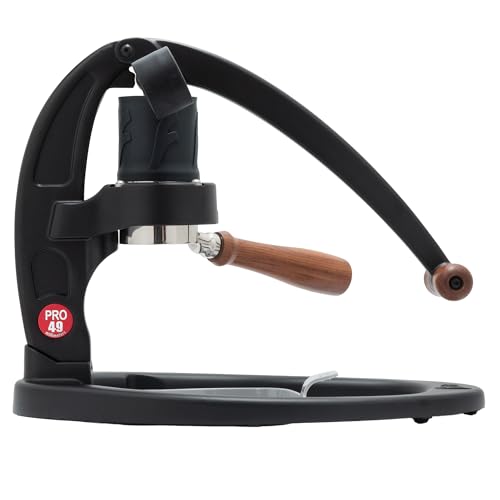
Choose a manual machine if you enjoy the craft of espresso and want full control over pressure. The Flair 49 PRO is an all manual lever espresso maker with a pressure gauge, a 49 mm portafilter and no plastics in the brew path. The compromise is effort: you heat water separately, grind with a separate grinder and froth milk another way.
Scope and Side-by-Side Table
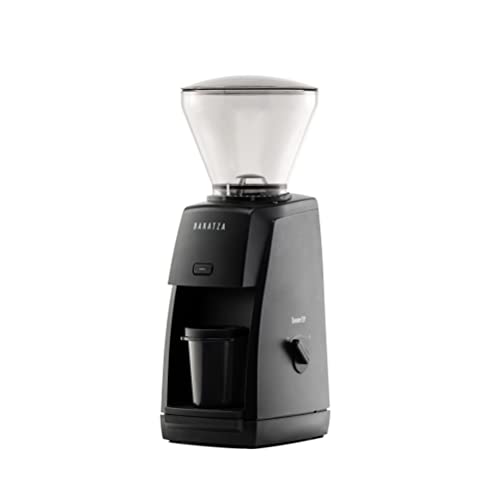
This comparison uses the US EUHOMY Automatic Espresso Machine with Built-in Grinder and Milk Frother and the US Flair 49 PRO in black. They list at around $340 and around $360, so the machine budgets match, but a complete manual setup adds a grinder such as the Baratza Encore ESP, which lists at around $200. The two represent opposite ends of the automation scale.
We chose two extremes on purpose. Comparing a fully automatic machine with a lever espresso maker shows the full range of the trade-off, so you can then place semi-automatic machines, which sit in the middle, on the same scale with confidence.
| Feature | EUHOMY Automatic | Flair 49 PRO (manual lever) |
|---|---|---|
| Who creates pressure | 20 bar electric pump | You, through the lever |
| Grinder | Built-in burr, 15 grind levels | Separate grinder needed (or pressurized basket with pre-ground) |
| Water heating | Built-in, 1.5 L tank | Hot water from a kettle |
| Preparation steps | Choose drink on touchscreen | Grind, dose, tamp, preheat, pour water, pull lever |
| Milk | Automatic milk frothing system | None; separate frother needed |
| Feedback | Status alerts for beans, water, grounds, parts | Pressure gauge with 5 to 9 bar espresso zone |
| Cleaning | Automatic internal cleaning program, bean purge | Rinse brew parts by hand |
| Footprint | See listing | About a foot long by 8 inches wide |
| Price | Around $340 | Around $360, plus grinder |
Neither price includes beans. The manual setup also needs a kettle, and both benefit from a milk pitcher if you make milk drinks.
How We Compared These Options
We matched complete setups at a similar budget, then compared manufacturer specifications, current US listings and package contents for each exact model. For the manual side we added the grinder it needs, since a lever espresso maker cannot make good espresso from whole beans without one.
We read buyer feedback in aggregate for recurring themes around learning curve, consistency and cleaning. We separate verified features, practical observations and our own judgments throughout. No brewing trials were run, so we make no taste claims and do not declare a flavor winner.
Terminology and Brewing Method
What Each Option Supports
"Automatic" usually means a fully automatic or super-automatic machine that grinds, doses, brews and often froths milk internally, as the EUHOMY does. "Manual" can mean two different things: a true lever machine like the Flair 49 PRO, where your arm creates the pressure, or a pump machine sold as "manual" because you start the shot and steam milk yourself, like the De'Longhi Stilosa in our product table. Semi-automatic machines sit between the two.
What Changes in Everyday Use
On the EUHOMY, a 20 bar pump forces hot water through coffee the machine has just ground and dosed. On the Flair, you preheat the brew parts, add your own ground and tamped coffee, pour hot water into the cylinder and press the lever while watching the gauge. On a pump machine labeled "manual", the pump makes pressure but you dose, tamp and stop the shot yourself.
That means "manual" on a box does not tell you how much work the machine involves. Read the description: a lever, a pump, a grinder and a milk system each change the routine.
Who Benefits from the Difference
Avoid false categories created by wording. A "manual espresso machine" may still have an electric pump and boiler, while an "automatic" one may still need you to clean a milk system daily. If you want no technique at all, look for "fully automatic" with a built-in grinder; if you want to control the extraction, look for a lever or a semi-automatic pump machine.
A quick check for any listing: ask who grinds, who doses, who creates pressure and who froths milk. Each "me" answer moves the machine toward the manual end, and each "the machine" answer moves it toward the automatic end. Most machines sit somewhere in between.
Coffee Output and Control
What Each Option Supports
Both setups make espresso, and both can be the base for milk drinks. The EUHOMY makes lattes, espresso and Americanos at a touch, with touchscreen adjustment of drink volume and extraction and 15 grind levels. The Flair 49 PRO makes espresso shots, with a pressure gauge marking a 5 to 9 bar espresso zone and the freedom to choose any pressure and flow profile you want.
What Changes in Everyday Use
On the automatic, you adjust a setting and the machine repeats it every time. On the manual lever, adjustment is physical: grind size on your grinder, dose, tamp, and how hard and how long you press. The Flair includes a pressurized basket for beginners without a quality burr grinder and a bottomless basket for experienced users who want full control.
Who Benefits from the Difference
Claims that one method makes better espresso need careful comparison that we have not done, so we do not make them. The practical difference is consistency versus control. If you want the same drink every morning with no effort, the automatic suits you. If you want to shape each shot and learn as you go, the manual lever suits you.
Learning time is part of the cost. A manual lever usually needs several sessions before shots become predictable, especially when you open a new bag of beans. An automatic machine skips most of that learning, which is exactly why many households choose it.
Serving size is similar on both: espresso is a small drink, and both setups make one or two at a time. Neither is a substitute for a carafe brewer if you need several mugs of regular coffee at once.
Preparation and Maintenance
What Each Option Supports
The EUHOMY's routine is fill the 1.5 L water tank and the bean hopper, choose a drink and empty the grounds container when prompted. It has status notifications for beans, water, grounds and component placement, an automatic internal cleaning program and a one-touch bean purge for switching beans. The Flair's routine is heat water, grind and dose, tamp, preheat, brew, then rinse the brew parts.
What Changes in Everyday Use
Neither format uses pods. The automatic handles grounds internally and needs its milk system rinsed after milk drinks. The manual lever produces a puck you knock out after each shot, and milk drinks need a separate frother and pitcher. The Flair's stainless steel cylinder, valve plunger and stem keep plastic out of the brew path, which some coffee hobbyists value.
Refills differ too. The automatic's tank serves several drinks before refilling, while the manual lever uses a fresh pour of hot water for every shot.
Time per drink also differs. The automatic is ready to brew as soon as it is heated, and the steps happen inside. On the manual lever, heating water, preheating parts and preparing the puck add a few minutes, which some people enjoy as a ritual and others find too slow on a workday.
Who Benefits from the Difference
Automatic preparation is not zero maintenance. The EUHOMY still needs its cleaning program, milk system care and periodic descaling as its manual directs. The Flair uses kettle water rather than a built-in boiler, so the main care is rinsing its brew parts after every shot. Choose the automatic if you prefer occasional programmed care, and the manual if you prefer quick rinses with no electronics.
Whichever you choose, use fresh beans and clean water. Old coffee and heavy mineral content affect any espresso, and following each manufacturer's care instructions keeps both setups working as designed.
Setup and Recurring Cost
What Each Option Supports
On the same day, the EUHOMY listed new at around $340 and the Flair 49 PRO at around $360 on Amazon US. The automatic needs nothing else to start except beans and milk. The manual needs a grinder for whole beans, such as the Baratza Encore ESP at around $200, plus a kettle and a separate frother for milk drinks.
What Changes in Everyday Use
Assume two espresso drinks a day. Both setups use roughly the same amount of coffee, so beans cost about the same either way, and milk costs are equal if you make lattes. The differences are the upfront grinder and frother for the manual setup, and cleaning and descaling supplies for the automatic. Neither needs pods.
A manual lever also has very few parts that use electricity, which keeps it simple. The automatic's convenience comes from pumps, heaters and a grinder inside one body, which is why it needs regular programmed cleaning.
If you plan to make milk drinks on the manual setup, add a frother to the budget. A simple handheld or electric frother is enough for lattes, but it is one more item to buy, store and clean that the automatic already includes.
Who Benefits from the Difference
Match the setup to your budget and drinks. If you mostly drink lattes and want one purchase, the automatic is the simpler budget. If you mostly drink straight espresso and already own a good grinder and kettle, the manual lever costs less to complete and gives more control for the money.
Representative Products and Pairing Limits
A Verified Pair at a Relevant Price Level
The EUHOMY Automatic Espresso Machine and the Flair 49 PRO make a fair budget pair at around $340 to $360. The two consequential differences are who does the work (pump and grinder inside, or your arm and a separate grinder) and milk (automatic frothing against none).
One limitation per side: the automatic gives up direct control and has more parts to keep clean, and the manual needs extra equipment and practice for every shot. For more machines at each level, see our guides to the best espresso machine and the best super automatic espresso machine.
What the Pair Does Not Prove
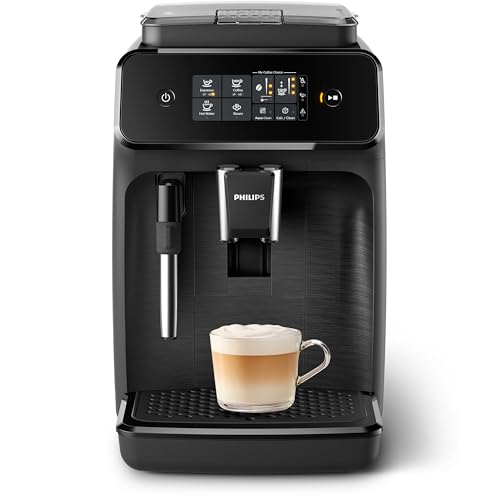
This pair compares the extremes, not every machine in between. Semi-automatic pump machines like the De'Longhi Stilosa, at around $100, give you a pump and a steam wand while you still dose and tamp. Classic lever machines like the La Pavoni Europiccola, with a 0.8 L water capacity, combine the lever experience with built-in heating at a higher price. Better-known automatic brands like Philips, with its 1200 Series in our table, cost more than the EUHOMY.
Budget changes the picture as well. At higher prices, automatic machines add more drinks and milk options, and manual setups add better grinders and lever machines with boilers. Use this pair to understand the trade-off, then pick the level of automation that fits your routine.
Brand and support matter too. EUHOMY is a smaller brand than names like Philips or De'Longhi, so check warranty terms and support details on the listing before you buy, and compare with a better-known automatic if long-term support is a priority for you.
Automatic vs Manual Espresso Machine: Which Should You Choose?
For Convenience-First Buyers
Choose the automatic. The EUHOMY grinds, doses, brews and froths at a touch, alerts you when beans, water or the grounds bin need attention and runs its own internal cleaning program. Daily effort is a refill and a rinse. The compromise is less control over each shot, and you should still descale and clean the milk system on schedule.
For Buyers Seeking Control or Different Drinks
Choose the manual lever if control is the point. The Flair 49 PRO lets you set pressure and flow by hand and watch the gauge, and the bottomless basket gives experienced users full control. If you want milk drinks without a separate frother, a semi-automatic pump machine with a steam wand, like the Stilosa, is a middle path between the two.
Coffee hobbyists who already own a capable grinder get the most from a manual lever, since the grinder is the part that most affects espresso quality. Beginners without a grinder can start with the Flair's pressurized basket and pre-ground coffee, then upgrade later.
For Budget and Space Constraints
The Flair's footprint is about a foot long by 8 inches wide, so it fits small counters, but add space for a grinder and kettle. The automatic is one larger appliance with everything inside. For the smallest budget, a semi-automatic pump machine plus pre-ground coffee is cheapest; for the smallest counter, the automatic avoids extra devices.
Frequently Asked Questions
Are these options the same type of machine?
No. The EUHOMY is a fully automatic machine with an electric pump, built-in grinder and milk system, while the Flair 49 PRO is a manual lever espresso maker that relies on your arm for pressure and hot water from a kettle. Both make espresso, but the work is split very differently.
Which is easier to use and maintain?
The automatic is easier to use day to day, since it grinds and brews at a touch. Maintenance is a trade: the automatic needs cleaning programs, milk system care and descaling, while the manual lever needs hand rinsing after every shot but has no built-in boiler to descale.
What accessories or coffee formats do they require?
Both use ground coffee from whole beans. The automatic grinds internally; the manual needs a burr grinder, or pre-ground coffee with its pressurized basket. The manual also needs a kettle, and both need a pitcher for milk drinks, with a separate frother for the manual.
Which offers better value for my routine?
For daily lattes with minimal effort, the automatic offers better value. For straight espresso, direct control and a small footprint, especially if you already own a grinder, the manual lever is better value.
Final Verdict
In the automatic vs manual espresso machine decision, choose an automatic like the EUHOMY if you want espresso and milk drinks at a touch with little technique. Choose a manual lever like the Flair 49 PRO if you want full control over every shot and do not mind extra steps and a separate grinder. Use the guides linked above to compare more machines at each level of automation.
