How Long Does A Drip Coffee Maker Last: Practical Guide
Disclosure: We may earn a commission when you buy through links on this page, at no extra cost to you. As an Amazon Associate I earn from qualifying purchases. Learn more
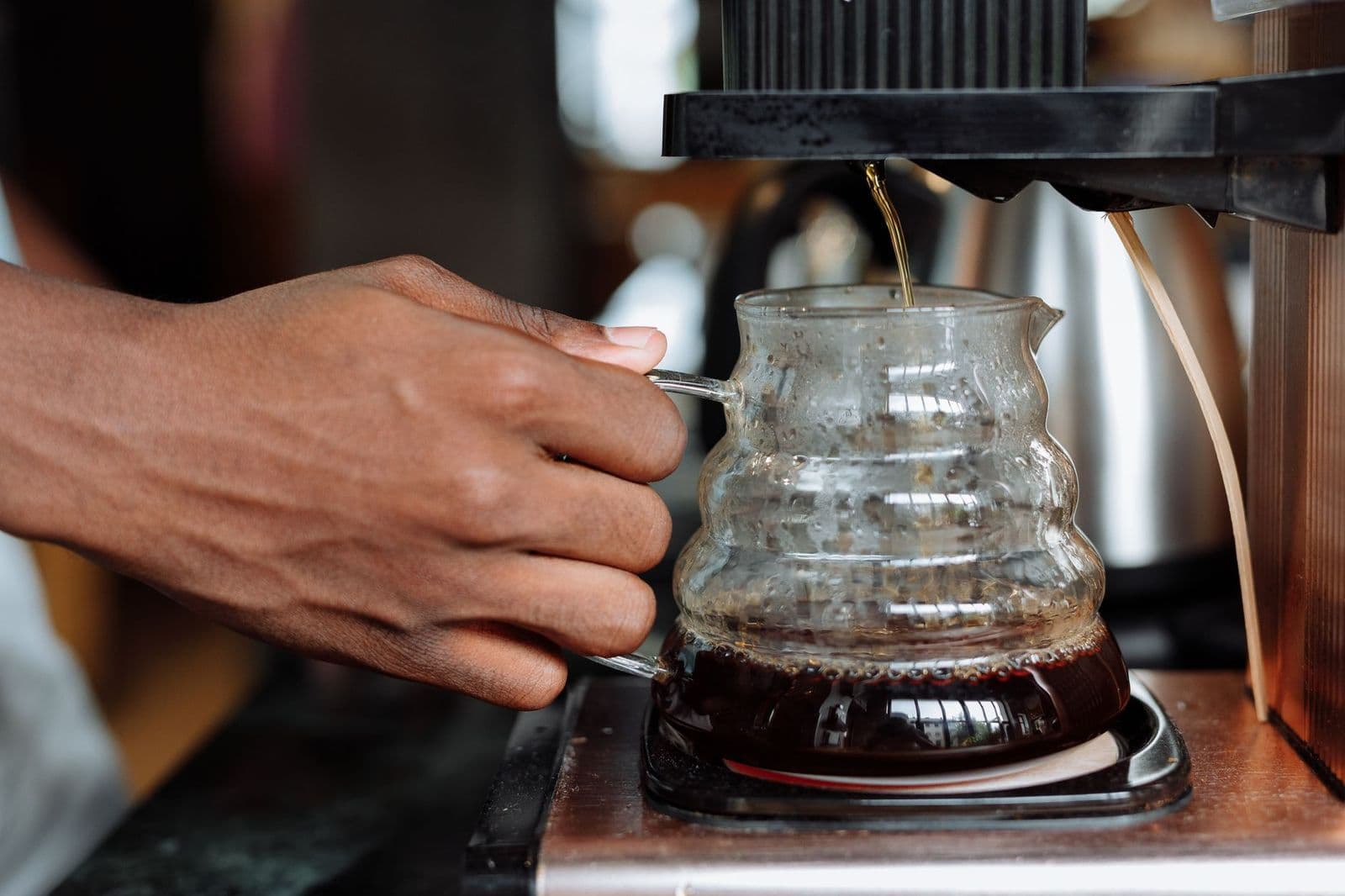
How long does a drip coffee maker last? The factors that shorten or extend its life, and clear signs it is time to replace it.
How long does a drip coffee maker last? There's no single number that holds for every machine, because lifespan depends on build quality, how often you brew, how hard your water is and how well the machine is maintained. What you can judge is the set of signals that predict a long or short life, and the signs that it's time to repair, keep or replace your brewer.
This guide explains those factors in plain terms, with examples for different households, so you can make a sensible decision about the machine on your counter or the next one you buy.
How Long Does A Drip Coffee Maker Last: The Direct Answer
A drip coffee maker lasts as long as its heating system, pump-free water path, controls and carafe keep working well, and that varies widely by model and care. Manufacturers rarely publish expected lifespans, so the most reliable public signal is the warranty: a longer warranty shows the maker's confidence. For example, the Technivorm Moccamaster KBGV Select listing states a 5 year warranty, while many budget drip makers carry shorter coverage.
The biggest factor you control is maintenance. Regular cleaning and descaling on the schedule in your manual keeps water flowing and heating efficiently, and that is usually the difference between a machine that fades early and one that keeps going.
When you shop, a few public signals hint at a longer life: a longer written warranty, replacement carafes and filters sold under the same model number, a simple design with fewer electronic extras, and a manual that explains descaling clearly. None of these is a guarantee, but together they point toward a machine built to be maintained rather than thrown away.
Key Terms and Scope
What the Term Includes
By "last," most people mean how long a drip coffee maker keeps brewing coffee that's hot, properly extracted and made without leaks or errors. That includes the heating element and thermostat, the water path and showerhead, the controls and timer, the warming plate or thermal carafe, and the removable parts like the brew basket and carafe.
It also includes usable life, not just the moment of total failure. A machine that still turns on but brews lukewarm coffee, leaks or takes twice as long is effectively at the end of its useful life for many households.
Coffee quality is part of the picture too. If a machine still brews but the coffee tastes noticeably flatter or more bitter after thorough cleaning and descaling, its heating may no longer reach the right temperature, which many owners treat as the practical end of the road.
What It Does Not Mean
Lifespan isn't the same as warranty length. A warranty covers defects for a set period; many machines keep working long after it ends, and some fail sooner. It also doesn't apply equally to every part: a cracked glass carafe or worn filter basket can usually be replaced without replacing the machine.
And it doesn't cover other formats. Pod brewers, espresso machines and super automatics have pumps, grinders and more electronics, so their wear patterns differ. Our explainer on coffee machine vs coffee maker explains those format differences.
The Factors That Matter
Use and Handling
How often you brew matters: a machine making several pots a day in a busy household or office cycles its heater far more than one making a weekend pot. Handling matters too. Carafes get knocked, lids get forced, and baskets get dropped in the sink, and those small accidents are among the most common reasons a machine seems "worn out."
Good habits help. Let the machine finish its cycle before removing the carafe, don't run it empty, use the cup setting that matches your batch, and turn off the warming plate when you're done if your model allows it. Gentle handling of lids and latches keeps sensors and hinges working.
Placement matters as well. A machine squeezed under cabinets, where steam collects, or pushed against a wall with its cord bent sharply, faces more stress than one with a little breathing room. Leave space around the machine as your manual suggests.
Water and Maintenance
Water quality is a major factor. Hard water leaves mineral scale on internal heating surfaces and narrows the water path, which slows brewing, lowers temperature and strains the heater. Coffee oils also build up in the basket and showerhead area.
Descaling on the schedule your manual gives for your water hardness, cleaning removable parts regularly and replacing any water filter on time are the most effective ways to extend a drip coffee maker's life. Use the descaler your manual names, and vinegar only if your manual approves it. Our guides to coffee maker maintenance and how to descale a coffee maker explain both routines.
Watch for early signs that maintenance is overdue: brewing that takes longer than it used to, more sputtering and steam, white deposits around the reservoir or spout, and coffee that tastes bitter or stale even with fresh beans. Acting on those signs promptly protects the heater and water path.
Repairable Parts and Support
Machines last longer when the parts that wear out are easy to replace. Carafes, filter baskets, permanent filters, charcoal water filters and lids are often sold separately, and replacing them can add years of use. Brands with good parts availability and support make that easier.
Internal parts are a different matter. Heating elements, thermostats, switches and control boards are not user-serviceable, and opening the housing carries electrical risk and may void the warranty. Some premium brands offer repairs through authorized service; for budget machines, repair often costs more than replacement.
Before buying, check whether the brand sells replacement carafes, baskets and filters for your exact model, and keep the model number somewhere handy. A machine whose carafe can be replaced for a fraction of the purchase price is far more likely to stay in service.
Reasons to Replace
Replacement makes sense when the machine no longer does its job safely or well, even after proper cleaning and descaling. Clear signs include coffee that stays lukewarm, leaks from the base, frequent shut-offs, a damaged cord, burning smells or tripped breakers.
It also makes sense when your needs change: a larger household may need a bigger carafe, or a single person may prefer a compact or single serve brewer. Our guide to the best coffee makers covers current options if you decide to upgrade.
Practical Examples
A Simple Household Scenario
Picture a couple brewing one 10 cup pot each morning in a city with moderately hard water. They empty the grounds and rinse the carafe daily, wash the basket and carafe in the sink a few times a week, and descale when the machine's indicator comes on. They replace the charcoal water filter on schedule.
In this routine, the machine's heater and water path stay relatively clean, so brewing speed and temperature hold steady. If the glass carafe breaks, they buy a replacement rather than a new brewer. This household is likely to get the full useful life the machine was designed for, without making any specific promise about years.
A Different Routine or Format
Now picture a busy shared kitchen brewing several pots a day with very hard water, where nobody descales and the machine runs on its warming plate all morning. Scale builds quickly, brewing slows, and coffee starts to taste flat and lukewarm. Parts get handled roughly by many people.
The same model will wear out much sooner in this setting. For heavy use, a machine designed for high volume, such as a brewer with a commercial-style hot water tank, or a strict cleaning schedule shared by everyone, makes more sense. Thermal carafe models also avoid long hours on a warming plate.
A third case is the occasional user: someone who brews a pot only on weekends. Light use means less wear, but water left sitting in the reservoir and damp grounds left in the basket can cause residue and odors. Emptying and drying the machine after each use matters more here than descaling frequency.
Limits and Common Misunderstandings
A common misunderstanding is that a higher price guarantees a longer life. Price often buys features, such as grinders, displays or thermal carafes, and more features can mean more parts that can fail. Build quality, a long warranty and parts availability are better signals than price alone.
Another is that descaling fixes everything. It helps with slow, cool or sputtering brews caused by scale, but it can't repair a failed heater, a damaged cord or a cracked housing. Equally, a machine that stops working shortly after purchase isn't necessarily a sign of the brand's typical lifespan; it may be a defect covered by warranty.
Finally, online lifespan figures are often guesses. Treat them as rough opinions, not specifications, and rely on your manual, the warranty and your own maintenance history instead.
Keeping a simple record helps. Note the purchase date, each descale and any parts you replace on a label inside a cupboard door or in a phone note. If problems appear, you'll know whether the machine has been looked after, and support will find the history useful too.
What This Means for Your Next Decision
Keep, Maintain, or Choose a Format
If your current machine brews hot, tastes fine and doesn't leak, keep it and put it on a maintenance schedule: daily rinsing, regular washing and descaling as your manual directs. If it has slowed or cooled, descale it first before deciding it's worn out.
If it leaks, shows electrical warning signs or still brews poorly after descaling, replace it. When choosing the next one, consider a model with a longer warranty, replaceable carafes and filters, and a format that matches your routine, such as a thermal carafe if you drink slowly.
Where to Learn More
Your manual is the best source for maintenance intervals, approved cleaners and troubleshooting steps. The manufacturer's support site lists replacement parts and warranty terms by model number. For a broader view of formats and current models, see our guide to the best coffee makers, and for routine care, our coffee maker maintenance guide.
Frequently Asked Questions
Does this apply to every model?
The factors apply to every drip coffee maker, but results vary by model, build quality and use. Always follow your model's manual for maintenance, since descaling intervals and approved products differ between brands.
Which related term is commonly confused with it?
Warranty length is often confused with lifespan. A warranty covers defects for a set period, while lifespan depends on use and care and can be shorter or longer than the warranty.
What changes with my coffee or water setup?
Hard water speeds up scale buildup, so machines in hard water areas need more frequent descaling. Filtered water, where your manual recommends it, can slow buildup, and oily coffees may require more frequent basket cleaning.
When do I need model-specific instructions?
Use model-specific instructions for descaling, cleaning cycles, alerts and any part replacement. Generic advice can damage some machines or void the warranty, so check your manual or the manufacturer's site first.
Key Takeaway
So, how long does a drip coffee maker last? Long enough when it's built well and cared for, and much less when scale, heavy use and rough handling go unchecked. Use the warranty as a signal of build confidence, descale on schedule, replace worn parts instead of the whole machine, and retire it when it can no longer brew hot coffee safely.