How Often To Descale A Coffee Maker: Practical Guide
Disclosure: We may earn a commission when you buy through links on this page, at no extra cost to you. As an Amazon Associate I earn from qualifying purchases. Learn more
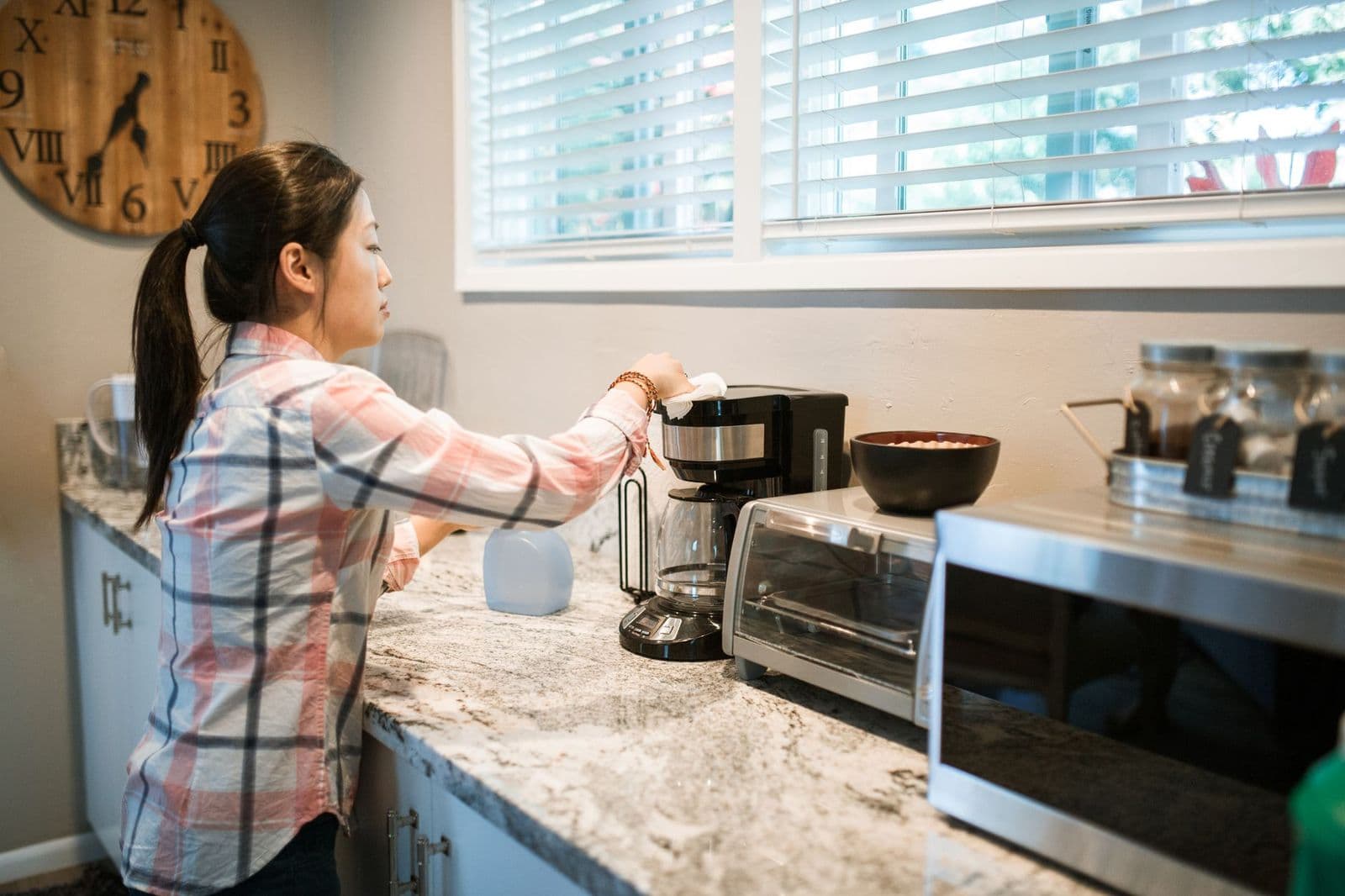
How often to descale a coffee maker: set water hardness, follow prompts or your manual's interval, and log each descale.
Working out how often to descale a coffee maker starts with your water and your manual. Descaling removes mineral scale that builds up where water is heated, so a machine on hard tap water needs it far more often than one fed filtered or soft water. The right interval is the one your exact model's manual sets for your water hardness, or the moment its descale light comes on.
This guide covers drip brewers, single-serve pod machines and espresso machines. It explains what descaling does and does not do, how to build a schedule for your machine and how use, water and filters change it, so you descale when it is needed rather than on a guess.
How Often To Descale A Coffee Maker: The Short Answer
Descale when your machine prompts you, or on the interval your manual gives for your water hardness. Many manuals give a range tied to hardness and use, and machines with a descale indicator count brews or water volume to decide for you. Hard water, heavy daily use and no water filter all shorten the interval; soft or filtered water and light use lengthen it.
If your machine has no indicator and the manual gives no interval, watch for signs such as slower brewing, more noise, spitting or coffee that is not as hot as it used to be, and descale using the method and product the manual approves.
What This Routine Covers
Descaling targets mineral buildup, not coffee oils or milk residue. Calcium and magnesium in water leave scale inside the heater, tubes and spray head over time. Coffee oils build up where coffee flows and need a different cleaner, and milk residue needs a milk system cleaner. A descaler will not clean a greasy carafe, and a coffee cleaner will not remove scale.
This guide covers user care described in the manual: running a descaling program or cycle with an approved product, then rinsing. It does not cover opening the machine or repairing internal parts, which belong with the manufacturer or an authorized service center.
Because programs, products and rinse steps differ between models and even generations, use your exact model's manual rather than one schedule for every coffee maker. A drip brewer may descale by running solution through a normal brew cycle, while an automatic espresso machine usually has a dedicated program that guides you step by step.
Build a Model-Specific Maintenance Schedule
After Use and Daily
Daily tasks do not include descaling, but they protect against scale and residue. Empty water that has sat in the reservoir for a day or more, rinse the tank occasionally, and wash removable parts like the carafe, basket and drip tray. Using fresh water each day and keeping the tank clean helps the machine and the coffee, and it makes descaling day less of a chore.
If you use bottled or filtered water, keep using the same kind consistently so the hardness setting stays accurate. Switching between hard tap water and soft water from week to week makes any schedule less reliable, and it becomes harder to tell whether a slowdown means scale or something else.
When the Machine Prompts You
Many machines show a descale, calc or clean light when scale care is due, based on the water hardness setting and how much water has passed through. When the prompt appears, follow the manual's procedure for that exact message and use the descaler it specifies.
Do not borrow a button sequence or reset method from another model, since descale programs differ. If the prompt returns right after you complete the full program and rinse, contact support rather than repeating cycles.
Periodic Checks and Replacement
Check the parts that affect scale: water filter cartridges, charcoal filters in drip brewers, and the reservoir and its valve. Replace filters as the manual describes, since an expired filter stops protecting against scale. Look at the spray head or outlet area for white crust when you clean. There is no universal replacement date for these parts; follow the manual and their condition.
Recordkeeping
A short log helps, especially on machines without an indicator. Note the task (descale), the trigger (prompt, manual interval or symptoms), the date and the source (manual page or support article), and add when you last changed the water filter. Over a few cycles you will see your real interval for your water, which makes the next one easier to plan.
Here is a simple layout to adapt:
- Daily: fresh water in the tank, wash removable parts.
- On prompt or manual interval: run the descale program with the approved product, then rinse fully.
- On filter prompt: replace the water filter and record the date.
- Monthly check: look for crust at the outlet, note brew speed and noise.
The Main Care Tasks
Removable Parts and Residue
Descaling is about the inside of the machine, but removable parts still matter. Scale and coffee residue can collect in the reservoir, around its valve and on the spray head or outlet. Wash removable parts as the manual allows, with warm soapy water or in the dishwasher only where the manual says they are dishwasher safe.
Keep the jobs separate: washing parts handles residue you can reach, descaling handles minerals inside. Doing one does not replace the other, so plan both.
Pay attention to the outlet area on single-serve brewers and to the spray head on drip machines, since these are where crust often becomes visible first. Wipe what you can reach as part of regular cleaning, and treat visible crust as a reminder that the inside is likely due for descaling too.
Coffee Path or Mineral Scale
Use the descaler, dilution, program entry and rinse instructions your manual gives for your model. Some manufacturers require their own descaler and warn against others; some allow general descalers; a few allow vinegar. Use vinegar only if your manual approves it, since it can leave odors and some makers advise against it.
The rinse matters as much as the descaling. Most procedures call for one or more full tanks of fresh water after the solution, and automatic machines guide you through it. Do not stop a program midway unless the manual explains how. Our step-by-step guide on how to descale a coffee maker explains the process in more detail.
Milk Path or Water Cartridge
Water filter cartridges change how often you descale on many machines. When a compatible filter is installed and registered on the machine, it may switch to filter mode and adjust or suspend descale prompts. Verify how your model behaves, since not every filtered machine follows the same routine, and some still need occasional descaling.
Milk systems are cleaned with milk cleaner, not descaler, unless your manual says otherwise. Keep that routine separate so you use the right product in the right place.
Some machines that use a filter also ask you to remove it before descaling and reinstall or replace it afterward. Follow that order exactly as your manual lists it, and do not skip the step even when you are in a hurry.
Compatible Supplies and Accessories
For scale, you need a descaler your manual allows. Brand-specific machines, especially automatic espresso machines, often call for their own descaler or tablets. For many drip and pod brewers, general-purpose descalers are an option, and their makers usually list a range of compatible brands. Check that your manual permits the product type, and follow the descaler maker's instructions alongside your machine's, never mixing products or adding extra.
Keep descaler separate from coffee cleaning tablets and milk system cleaner, since they do different jobs. A water filter can reduce scale on machines designed for it, but no product removes the need for descaling entirely on every machine.
Plan your supplies ahead. Keeping one descaling dose and a spare water filter on hand means you can act as soon as the prompt appears, rather than running the machine for weeks with a descale light on. Store descaler away from food and out of reach of children, following its label.
Adjusting the Routine to Actual Use
Drink Frequency
More water through the machine means more scale. A household brewing two full pots a day will reach the descale point far sooner than someone making a few cups a week. Machines with indicators count this for you; for others, brew volume is one of the main reasons to shorten or lengthen the interval in your log.
Water and Filter Setup
Water hardness has the biggest effect. Many machines include a hardness test strip and let you set the hardness level so prompts match your water. If you use an approved water filter, enter it in the machine's settings as the manual describes. Use these documented settings rather than a universal date.
If you move house or switch from tap to filtered water, update the hardness setting and watch the next interval, since your schedule may change noticeably.
Signs of scale between scheduled descales include longer brew times, more gurgling or hissing, smaller cup volumes on single-serve machines and coffee that is not as hot as usual. These point to checking the descale status, but they can have other causes too, so compare with the manual's troubleshooting list before assuming scale.
Shared or Seasonal Use
Shared machines should have one person responsible for descaling and a visible log, so the job is not skipped or done twice. Before storing a machine for a season, follow the manual: some recommend descaling first, then emptying and drying the tank. When you return it to use, run rinse cycles with fresh water before brewing.
Offices and rentals see the most variation, since use can spike during busy weeks. A simple rule helps there: check the descale indicator or log every Monday, and descale as soon as it is due rather than waiting for a quiet week.
Frequently Asked Questions
Does automatic cleaning remove every manual task?
No, automatic descale programs guide the process but still need you. You add the approved descaler, refill water, empty the drip tray and confirm each step, then complete the rinse. The program handles timing and flow; you handle supplies and follow the prompts until the cycle finishes.
How does a water filter affect the routine?
A compatible water filter reduces the minerals reaching the heater, so many machines descale less often with a filter active. Some machines change or pause descale prompts in filter mode. You must replace the filter on schedule, and some models still need occasional descaling, so check your manual.
What changes when I make milk drinks?
Milk drinks do not change how often you descale, because scale comes from water, not milk. They add a separate daily task: cleaning the milk system with the right cleaner. Some machines descale the steam circuit as part of the descale program, so follow the manual for your model.
When should I contact support instead of cleaning again?
Contact support if the descale prompt returns right after a full program, if the machine leaks, trips a breaker, smells burnt or shows an unexplained error, or if flow does not improve after descaling. Stop using it if the cord is damaged or water reaches electrical parts. Repeated descaling will not fix a fault.
Your Practical Maintenance Plan
The answer to how often to descale a coffee maker comes from your water hardness, filter use and how much you brew, applied through your model's manual and prompts. Keep fresh water in the tank every day, set the hardness level, and log each descale so you learn your real interval. For the full care routine, see our coffee maker maintenance guide, and if problems continue after descaling, try the safe checks in our coffee maker troubleshooting page.