How To Clean Cuisinart Coffee Maker: A Model-Specific Guide
Disclosure: We may earn a commission when you buy through links on this page, at no extra cost to you. As an Amazon Associate I earn from qualifying purchases. Learn more

How to clean Cuisinart coffee maker models step by step: daily washing, charcoal filters and the approved clean cycle.
Knowing how to clean Cuisinart coffee maker models properly depends on which Cuisinart you own. A 12-cup drip brewer, a coffee center with a single-serve side, a pod-only SS-10 and a grind-and-brew machine each have different parts, filters and cleaning features. This guide explains how to find your exact model and manual, how to separate everyday washing from brew path cleaning and descaling, and how to complete each task the way Cuisinart's instructions describe.
If you already have your manual open, skip to the step-by-step procedure. If you are not sure whether your machine needs a wash, a clean cycle or a descale, start with the next two sections.

Quick Answer and Task Boundary
Wash the carafe, lid, filter basket and any permanent gold-tone filter after use in warm soapy water, or in the dishwasher only if your manual lists those parts as dishwasher safe. Replace the charcoal water filter on the schedule your manual gives.
When your machine shows a clean light, or brewing slows down, run the clean or descaling procedure your manual describes, using the solution it approves, then the plain water rinse cycles it requires. Grinders on grind-and-brew models need their own cleaning steps from the manual.
Identify the Model and the Right Maintenance Task
Find the Exact Model and Manual
Cuisinart model numbers are printed on a label underneath the machine. Codes such as DCC-3200, DCC-5570, SS-10, SS-15, SS-21 or DGB-2 identify very different machines, while family names such as PerfecTemp or Coffee Center cover several models. Write down the full code, then download the matching manual from Cuisinart's US support site and open the care and cleaning section.
Current Cuisinart listings show how features differ: the SS-15 and SS-21 coffee centers list a self-clean feature, the SS-10 single-serve brewer lists a rinse feature for its brew chamber, and several drip and single-serve models include a charcoal water filter. Your manual tells you how your model's feature works.
If the label is hard to read, the model code also appears on the original box, the receipt or your Amazon order details. Keep a copy of the manual on your phone so the care section is always at hand when the clean light comes on.
Check Whether This Is Cleaning or Descaling
Washing removes coffee oils and stains from the carafe, basket and filter; do it after use. Brew path cleaning and descaling deal with residue and mineral scale inside the machine. Signs you need the internal job include a clean indicator, slower brewing, coffee that is not as hot, louder gurgling or white crust in the reservoir.
A stale taste with visible brown film usually means removable parts need washing. Slow, noisy brewing usually means scale. Our guide on how to descale a coffee maker explains descaling across machine types if you want more background.
Thermal carafe models deserve a note. Stainless thermal carafes, like the one on the SS-21 coffee center, hold coffee oils inside where you cannot easily see them, so wash and rinse them thoroughly and let them air dry open. Check your manual before putting a thermal carafe in the dishwasher, since many are hand wash only.
What You Need Before Starting
Gather mild dish soap, a soft sponge or bottle brush, a clean cloth, fresh water and a container large enough to catch a full reservoir (usually the carafe). For the internal cleaning or descaling cycle, use the solution your Cuisinart manual names for your model, in the amount it states; do not substitute a generic recipe.
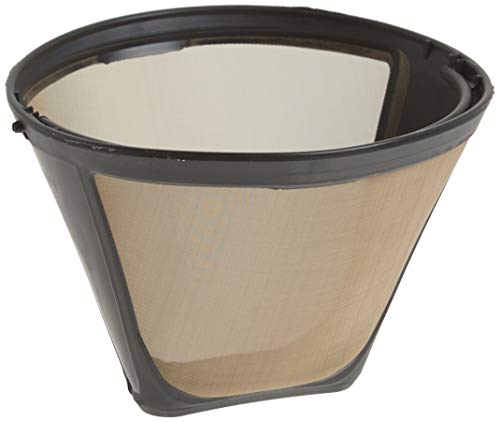
Have a replacement charcoal water filter ready if yours is due; compatible packs list the Cuisinart models they fit, so match that list to your model code. A replacement gold-tone filter is useful if your permanent filter is torn or bent. The product table above shows a charcoal filter pack and a genuine Cuisinart GTF gold-tone filter as examples.
Unplug the machine and let it cool before removing the basket, wiping the warming plate or handling the water filter holder. Powered clean or descale cycles run with the machine plugged in, as the manual describes. Never immerse the base in water.
How To Clean Cuisinart Coffee Maker: Step-by-Step Procedure
Prepare the Correct Components
Empty the machine first. Discard grounds and any paper filter, and pour out leftover coffee. Remove the carafe, lid, filter basket and permanent filter, and on single-serve models remove the drip tray and any reusable filter cup.
Wash these parts in warm soapy water with a soft sponge, paying attention to the carafe spout, the basket's drip-stop area and the mesh of a gold-tone filter. Rinse well. Use the dishwasher only for parts your manual lists as dishwasher safe, and place them on the top rack if instructed.
If your model uses a charcoal water filter, remove the holder from the reservoir. Replace the filter if it is due, following the manual's soaking or rinsing steps for a new filter; if the manual says to remove it before descaling, set it aside now. Do not use a generic cleaning recipe in place of Cuisinart's instructions.
Single-serve parts need their own attention. Empty the pod holder, rinse any HomeBarista reusable filter cup and wipe the area around the pod needle only in the way the manual describes, with the machine unplugged. Avoid poking the needle with sharp tools unless your manual gives that step.
Start the Approved Task or Program
Washing parts is a manual job; brew path cleaning or descaling is a powered cycle. For the powered cycle, fill the reservoir with the solution your manual approves, to the level it states, and place the empty carafe and basket as instructed.
Start the cycle the way your manual describes. Some Cuisinart models have a clean button or clean light that triggers a dedicated program; others use a normal brew cycle for cleaning. Use only the controls documented for your exact model, because button names and sequences differ between drip brewers, coffee centers and single-serve machines.
On coffee centers with both a carafe side and a single-serve side, the manual explains whether each side needs its own cleaning cycle. Single-serve models like the SS-10 have a rinse feature for the brew chamber, which is separate from descaling.
Complete the Cleaning or Descaling Stage
Let the cycle run to completion without interrupting it unless the manual tells you to pause. Discard the solution from the carafe or mug. If the manual permits a second pass for heavy scale, follow it exactly; do not repeat cycles beyond what it allows.
Use only the approved products in the documented quantities, and never mix vinegar, cleaning tablets and descaler in one cycle. If your manual approves more than one option, pick one per cycle.
On grind-and-brew models, clean the grinder chamber and chute only in the way the manual describes, with the machine unplugged, using the brush or tool it mentions. Never put fingers or utensils near grinder blades or burrs while the machine is plugged in.
Finish the Required Rinse and Reassembly
Fill the reservoir with fresh water and run the number of plain water rinse cycles your manual specifies, emptying the carafe each time. This clears cleaning solution from the water path and prevents off flavors in your next pot.
Wash the carafe and basket again, wipe the warming plate and exterior with a damp cloth once cool, and dry everything. Reinstall the charcoal water filter holder, the basket and the permanent filter, making sure the basket seats fully so the drip-stop valve works.
If your model has a clean light, check whether it turned off at the end of the cycle or needs resetting as the manual describes. Then brew a normal pot.
A good weekly habit for any Cuisinart is a quick wipe of the warming plate, the shower head area under the lid and the drip tray, once the machine is cool. These spots collect splashes and oils that daily washing of the carafe and basket can miss.
Check the Result Before Normal Use
Confirm Completion
The job is done when the clean or descale cycle and all rinse cycles have run, any clean indicator is off, and all parts are back in place. Brewing should be steady and quiet, with no leftover smell of cleaning solution, and the carafe should fill without grounds.
If a Prompt or Symptom Remains
If the clean light stays on or brewing is still slow, check the manual's troubleshooting section for the next permitted step, such as a reset or an additional cycle. Do not keep running chemical cycles blindly. For other symptoms, see our coffee maker troubleshooting guide or contact Cuisinart support with your model number.
Common Mistakes to Avoid
- Using the wrong task: washing the carafe will not remove scale, and descaling will not remove coffee oils from removable parts.
- Treating vinegar, cleaning tablets and descaler as interchangeable: use only what your Cuisinart manual approves for your model.
- Dishwashing or soaking without approval: not every part is dishwasher safe, and the base must never be immersed.
- Forgetting the charcoal filter: an old filter stops helping with taste; replace it on schedule and remove it before descaling if the manual says to.
- Copying controls from another model: a DCC drip brewer, an SS coffee center and a DGB grind-and-brew each have different buttons and steps.
Water quality also changes how often you need the internal clean. Filtered or softer water slows scale buildup, while hard tap water speeds it up. Keeping the charcoal filter fresh helps with taste, but it does not replace the descaling or clean cycle your manual calls for.
If you own more than one Cuisinart, keep each machine's manual and filter pack together, since filters, carafes and cleaning steps are often not interchangeable even within the brand.
Frequently Asked Questions
Which cleaner is approved for this model?
Your Cuisinart manual names it in the care and cleaning section, along with the amount and the program to use. Approved options vary by model family, so check the manual for your exact code. For removable parts, mild dish soap and warm water are standard.
How often should I perform this task?
Wash removable parts after each use. Run the clean or descale cycle when the clean indicator appears or at the interval in your manual, which comes sooner with hard water. Replace the charcoal water filter on the schedule Cuisinart gives for your model.
What if the cleaning or descaling alert remains?
Make sure you completed the full program and every rinse cycle, then look for the manual's reset step. If the alert persists, contact Cuisinart support with your model number, purchase date and a description of what happens.
Can I use a generic method from another coffee maker?
Washing parts is similar across brands, but solutions, quantities and buttons are not. A method from another brand or another Cuisinart family can skip a required step or use an unapproved product, so follow your own manual.
Keep the Routine Simple
To recap how to clean Cuisinart coffee maker models: identify your exact model code, wash removable parts after use, replace the charcoal filter on schedule, and run the approved clean or descale cycle with full rinses when the machine asks. For more on Cuisinart machines, see our guide to the best Cuisinart coffee maker, and for a full schedule, our coffee maker maintenance guide.