
How To Descale A Coffee Maker: A Model-Specific Guide
Disclosure: We may earn a commission when you buy through links on this page, at no extra cost to you. As an Amazon Associate I earn from qualifying purchases. Learn more

How to descale a coffee maker by the manual: approved descaler, the right cycle for drip, pod or espresso machines, rinsing and resets.
Knowing how to descale a coffee maker keeps brew times, temperatures and taste where the manufacturer intended, because mineral scale from tap water slowly coats the heater and water lines. The right method depends on your machine: a basic drip brewer, a programmable model with a clean button, a pod brewer or an espresso machine with a water filter each follow their own manual. This guide explains the task that applies to all of them and where your model's instructions take over.
Descaling removes mineral buildup only. It does not remove coffee oils from carafes and baskets or milk residue from frothers, which are separate cleaning jobs.
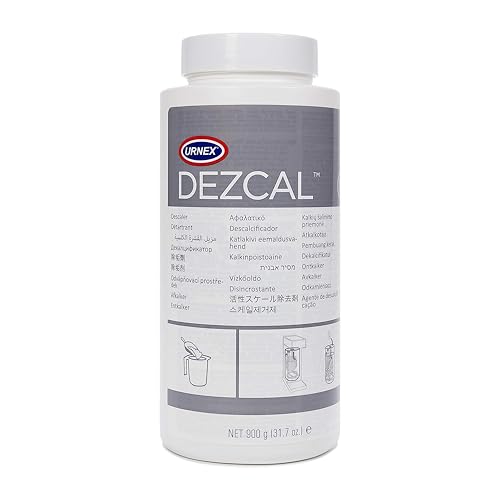


Quick Answer and Task Boundary
To descale a coffee maker, check the manual for the approved descaler, remove any water filter the manual says to remove, add the descaler to the reservoir at the amount on its label and in the manual, run the descaling cycle or brews the manual describes, wait if instructed, then run fresh-water rinse cycles until no taste or smell remains. Refit the filter and brew normally. Use vinegar only if your manual approves it, and never improvise ratios from another machine.
If your problem is stains, oily film or a stale smell in the carafe or reservoir, cleaning those parts is the right job instead, and our coffee maker maintenance guide shows how both tasks fit into one schedule.
Identify the Model and the Right Maintenance Task
Find the Exact Model and Manual
Find the model number on the label under or behind your coffee maker, and get the manual from the box or the manufacturer's US support site. Record the full model code, because brands often sell several versions of one machine with different controls. In the care section, look for the descaling procedure, the approved descaler, whether there is a clean or descale button, and how the machine signals that descaling is due.
Check Whether This Is Cleaning or Descaling
Descaling addresses mineral scale: brewing that takes longer than it used to, a clean or descale light, louder gurgling, smaller brews on pod machines, or white chalky deposits around water paths. Coffee oils, stained carafes and grounds in the basket are cleaning problems. Milk residue is a frother cleaning problem. Match your symptom to the task first, because descaler will not fix oil buildup and soap will not dissolve scale.
Water hardness sets the pace. Tap water carries dissolved minerals, and the harder your water, the faster scale builds. A machine used several times a day on hard water may need descaling well before the minimum interval in the manual, while one used lightly on soft or filtered water may go longer.
What You Need Before Starting
Check the manual for the approved descaler and any parts to remove first. Some manufacturers specify their own descaling product; others allow commercial coffee maker descalers. Universal descalers state broad compatibility on their labels, but your manual and warranty terms take priority.
- The descaler your manual approves, or one whose label covers your machine type when the manual allows commercial descalers.
- Fresh water for rinse cycles.
- The carafe, or a large heat-safe container that fits under the spout for pod and espresso machines.
- A place to pour away hot solution and rinse water.
- A replacement water filter, if your machine uses one and it is due.
Keep the machine on a stable surface near the sink. Descaling runs with the machine powered, so follow the manual's steps, never open the housing, and keep hands away from hot water outlets during the cycle.
How To Descale A Coffee Maker: Step-by-Step Procedure
Prepare the Correct Components
Switch the machine off and let it cool if it was just used. Empty the reservoir and the carafe, remove the brew basket filter and grounds, and empty the drip tray on pod or espresso machines. Remove the water filter or filter holder if the manual says to, because many descaling procedures ask you to take it out so the descaler does not pass through the cartridge.
Confirm the problem is mineral scale rather than coffee residue. If the main issue is a stained carafe or oily basket, wash those parts first; a clean starting point makes it easier to judge whether descaling worked.
Take the descaler amount and any water to add from the descaler label and the manual together. Reservoir sizes differ a great deal, from one-cup pod reservoirs to large carafe machines, so there is no universal ratio that fits every machine. Never mix different descaling products.
Start the Approved Task or Program
Fill the reservoir with the descaling solution as directed and place the empty carafe or a large container in position. Then start the cycle exactly as the manual describes. Many programmable drip machines have a clean or self-clean button that runs a slower descaling cycle; basic machines may simply ask you to run a normal brew cycle with the solution.
Pod brewers often run descaling as several large-size brews without a pod or through a dedicated descale mode, and espresso and super-automatic machines usually have a guided descaling program on the display. Use only the button presses and menu steps listed for your exact model, because a sequence from another brand or generation can start the wrong program.
Some programs pause midway or ask you to empty the container and refill; follow each prompt as it appears.
Complete the Cleaning or Descaling Stage
Let the cycle run to the manual's stopping point. Some procedures include a soak period, where the machine sits with solution inside so it can dissolve scale in the heater, followed by the rest of the cycle. Follow the stated timing rather than shortening or lengthening it.
Do not interrupt or repeat the program unless the manual permits it. Stopping partway can leave solution in the lines, and running back-to-back cycles without reason wastes descaler and may stress seals and valves.
Watch the machine while it works. If it leaks, smells of burning, trips a breaker, or water appears near electrical parts, switch it off, unplug it once safe and contact the manufacturer rather than continuing. Pour away the used solution; it is not safe to drink.
Finish the Required Rinse and Reassembly
Empty the reservoir and rinse it with clean water, then fill it to the level the manual states and run the number of rinse cycles specified, emptying the carafe or container each time. Many manuals call for at least two rinse cycles; programmable machines and espresso machines may guide you through the rinse on the display.
Keep rinsing until the water has no taste or smell of descaler. Wash the carafe and brew basket afterward, since solution can leave a residue in them.
Refit the water filter with a fresh or still-valid cartridge as the instructions describe, and reset any filter or descale counter if your manual includes that step. Brew a normal cycle and check that it runs at the usual speed.
Make a note of the date. Comparing how long it takes for brewing to slow down again tells you whether the interval in the manual suits your water, or whether you should descale sooner. If you use filtered water or a built-in filter, that note also shows how much difference the filter makes in your home.
Check the Result Before Normal Use
Confirm Completion
Descaling is complete when the manual's final step is done, any clean or descale light has cleared, rinse water tastes and smells neutral, and brewing returns to its normal speed and volume. Check that the filter, reservoir and carafe are correctly fitted and that nothing drips around the base.
If a Prompt or Symptom Remains
If a light stays on, check whether the manual requires a reset or a completed rinse stage to clear it. If brewing is still slow, the issue may be a blocked showerhead, clogged filter basket or a fault the manual's troubleshooting section covers. Contact manufacturer support instead of running repeated chemical cycles, and see our coffee maker troubleshooting guide for other likely causes.
Common Mistakes to Avoid
- Using the wrong task: descaler dissolves mineral scale; it does not remove coffee oils or milk residue, which need cleaning products made for those jobs.
- Waiting too long: heavy scale is harder to remove than light scale, and a machine that has slowed badly may need the manufacturer's guidance rather than extra cycles at home.
- Treating products as interchangeable: vinegar, cleaning tablets and descaler are different. Some manufacturers allow vinegar, while others advise against it for their machines, so follow your manual.
- Guessing the ratio: descaler amounts come from the product label and your manual, not from a general recipe or another brand's instructions.
- Soaking or dishwashing parts without approval: treat removable parts according to the care section, and never immerse the machine body.
- Copying controls from a different generation: clean buttons and descale menus vary even within one brand.
- Skipping the rinse: leftover descaler affects taste and can leave residue in the carafe.
Frequently Asked Questions
Which cleaner is approved for this model?
The approved cleaner is whatever your manual names for descaling. Some brands require their own descaler, especially on espresso and super-automatic machines, while many drip brewers allow commercial coffee maker descalers. Check the label for compatibility too, but if the manual and the label disagree, follow the manual.
How often should I perform this task?
Descale on the interval your manual gives, or when your machine's indicator asks for it. Intervals vary by manufacturer and by how much you brew, and hard water calls for more frequent descaling than the minimum. Machines with a water filter that the manufacturer says reduces scale may go longer, as their manual describes.
What if the cleaning or descaling alert remains?
A remaining alert usually means the procedure was not completed, a reset step was missed, or the machine needs a second stage such as rinsing. Recheck the manual's steps and complete only what was missed. If the alert persists, contact the manufacturer with your model number.
Can I use a generic method from another coffee maker?
Only the general idea carries over: descaler, a cycle, an optional soak and rinse. The approved product, amounts, button sequences and number of rinses are model specific, and using another machine's method can void a warranty or leave solution behind. Follow your own manual.
Keep the Routine Simple
The routine for how to descale a coffee maker is the same shape on every machine: check the manual, remove the filter if instructed, add the approved descaler as directed, run the cycle, wait if instructed, rinse thoroughly and refit the filter. Everything specific comes from your manual.
Set a reminder that matches your water hardness so you know how to descale a coffee maker on schedule instead of waiting for brews to slow down. Pair it with daily carafe rinsing and weekly part washing, and your machine will keep brewing at its normal speed for longer.


