
How To Descale A Drip Coffee Maker: A Model-Specific Guide
Disclosure: We may earn a commission when you buy through links on this page, at no extra cost to you. As an Amazon Associate I earn from qualifying purchases. Learn more

How to descale a drip coffee maker: spot mineral scale, use an approved descaler, run the right cycle and rinse until clean.
Learning how to descale a drip coffee maker is worth the few minutes it takes, because mineral scale from tap water slowly narrows the water path, slows brewing and can keep water from reaching its intended temperature. Descaling dissolves that scale. It is a separate job from washing the carafe or cleaning away coffee oils.
This guide covers automatic drip coffee makers with a carafe, including programmable models with a "clean" or "decalcify" light. It explains how to find your model's descaling instructions, what to prepare, and how to run, rinse and confirm the process without guessing at chemical amounts.


Quick Answer and Task Boundary
Descaling targets mineral buildup, not coffee oils or milk residue. To descale a drip coffee maker, empty and rinse the machine, add the descaler your manual approves at the amount printed on its label, run the machine's descale or clean cycle (or the brew cycle the manual specifies), then run plain water cycles until no taste or smell remains.
If your coffee tastes bitter or stale but brews at normal speed, you may need cleaning rather than descaling; our guide to how to descale a coffee maker covers other machine types, and the maintenance schedule linked at the end of this page explains how the two jobs fit together.
Identify the Model and the Right Maintenance Task
Find the Exact Model and Manual
Find the model number on the label under or behind the brewer, such as a Cuisinart DCC code or a Ninja CE code. Note any suffix letters for color or version. Download the manual from the maker's support site and open the section called "Cleaning", "Decalcifying" or "Descaling".
Some manufacturers publish separate quick guides for descaling, which are worth saving. Match the exact model code, because older and newer versions of the same family can use different steps.
Check Whether This Is Cleaning or Descaling
Descaling addresses mineral scale. Signs include brewing that has become slower, louder gurgling or steaming, a smaller amount of coffee than usual, white crust around the shower head, or a "clean" or "decalcify" light. Some programmable brewers, including several Cuisinart models, have an indicator that signals when it is time to decalcify. Coffee oil problems, such as a brown film in the carafe or an oily basket, need washing instead.
What You Need Before Starting
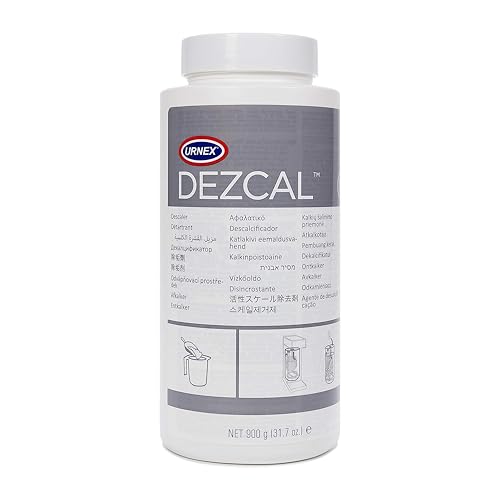
Use the descaler your manual names. Some brands sell their own descaling solution, others accept a general coffee maker descaler, and some manuals allow white vinegar. Follow the dilution and quantity on the product label and in the manual exactly, rather than a ratio from another source. Liquid descalers, powders and single-dose bottles all exist; choose one your manual permits.
You will also need fresh water, the empty carafe to catch liquid, a sink to discard it, and a cloth for wiping. If your machine has a charcoal water filter, check whether the manual says to remove it before descaling, since descaler can affect the filter.
Make sure the machine is cool before you remove any parts. The descaling cycle itself runs with the machine plugged in, following the manual's steps. Allow time: descaling plus rinsing usually takes longer than a normal brew.
Water hardness shapes how often you will repeat this. If your tap water leaves white marks on kettles and faucets, scale builds faster, and descaling will be a regular job. Some manuals let you set a water hardness level so the reminder light comes on at the right interval; if yours does, set it during this session.
How To Descale A Drip Coffee Maker: Step-by-Step Procedure
Prepare the Correct Components
Empty the carafe and filter basket and discard any used grounds and paper filter. Remove the charcoal water filter or its holder if the manual says to; set it aside or replace it afterward as instructed. Leave the filter basket in place but empty, unless the manual says to fit a paper filter to catch flakes of scale.
Check how your model handles filters during descaling. Some manuals ask you to remove the water filter so descaler does not pass through it; others have no filter at all. Do not assume every filtered machine follows the same routine.
Prepare the descaling solution exactly as the product label and your manual describe, and pour it into the reservoir. Do not improvise stronger mixes to "speed things up"; too strong a solution can harm seals or leave residue that is hard to rinse out.
Start the Approved Task or Program
Place the empty carafe on the warming plate. Then start the cycle your manual names. Some brewers have a dedicated "clean" or "self-clean" function that runs a timed descaling cycle, sometimes with pauses built in. Others ask you to run a normal brew cycle with the descaling solution, sometimes stopping halfway to let it work.
Use only the buttons and timing listed in your exact model's manual. Button combinations differ between brands and even between generations of the same family, so instructions from another machine may start the wrong program or none at all.
Stay nearby while the cycle runs, so you can check that the carafe is catching the liquid and nothing is overflowing.
Keep the kitchen ventilated if you use a product with a noticeable smell, and keep children and pets away from the machine during the cycle. The solution and the water coming out are hot, so let the carafe cool before you carry it to the sink.
Complete the Cleaning or Descaling Stage
Let the program run to the end. Do not interrupt it unless the manual says to pause, and do not start it again immediately unless the manual tells you to repeat it for heavy scale. When it finishes, discard the solution in the carafe; it may contain loosened mineral flakes.
If the manual allows a second descaling pass for very hard water, follow its guidance on timing and quantity. Otherwise, one complete cycle is the correct step, and the next stage is rinsing.
While the machine rests, wipe any drips from the warming plate once it is cool, and rinse the carafe to remove descaler residue before rinse cycles begin.
Finish the Required Rinse and Reassembly
Fill the reservoir with fresh water and run plain water cycles as many times as the manual specifies, discarding the water each time. Rinsing removes the descaler taste and smell; if you still notice either, run another plain water cycle. Some manuals specify two or three rinse cycles.
Reinstall the charcoal water filter or fit a new one, as the manual directs. Many brands recommend replacing the filter on a regular schedule, and descaling day is a convenient time to do it. Make sure the filter basket and carafe are seated correctly.
Wipe the outside of the reservoir opening and the shower head area with a damp cloth to remove any descaler drips. Dry the warming plate before the next brew so no residue bakes on.
If your model has a decalcify or clean light, check whether it resets on its own after the cycle or needs a button press. The manual describes the final prompt and any first-use check, such as brewing a carafe of water before coffee.
Check the Result Before Normal Use
Confirm Completion
Brew one more carafe of plain water and check that it flows steadily, sounds normal, and has no descaler smell or taste. Confirm the decalcify or clean light is off as described in the manual. Compare brewing speed with how the machine behaved before descaling; it should be the same or faster.
If a Prompt or Symptom Remains
If the light stays on, recheck the manual's reset step. If brewing is still slow after a full descale and rinse, the manual may allow another cycle for heavy scale; follow that guidance rather than repeating cycles blindly. If the machine leaks, will not heat or shows other faults, stop and use our coffee maker troubleshooting guide or contact the manufacturer.
Common Mistakes to Avoid
Using descaling for the wrong problem is the most common mistake. Descaler removes mineral scale; coffee oils need washing and cleaning, and milk residue is not part of a drip brewer's job at all. Match the task to the symptom.
Treating vinegar, cleaning tablets and descaler as interchangeable is another. Some manuals allow vinegar, others advise against it, and tablets made for espresso machines may not suit a drip brewer. Use what your manual approves and follow the label amounts.
Leaving the charcoal filter in when the manual says to remove it, or skipping the rinse cycles, can leave off flavors in the next pots. Rinse until the water tastes clean.
Finally, copying instructions from another model or generation can start the wrong program. If a step is not in your exact manual, do not use it.
Waiting too long is the quiet mistake. Heavy scale takes longer to dissolve and can keep the machine from brewing properly in the meantime, so descaling when the light first appears, or when you first notice slower brewing, is easier than tackling months of buildup at once.
Frequently Asked Questions
Which cleaner is approved for this model?
The approved descaler is the one named in your model's manual. Some brands sell their own solution, others accept a general coffee maker descaler, and some allow white vinegar. If the manual is unclear, contact the manufacturer before using a product, because the wrong one can affect seals or void warranty terms.
How often should I perform this task?
Descale as often as your manual or the machine's decalcify light indicates. Hard water and frequent brewing mean more frequent descaling, while filtered or soft water stretches the interval. Many owners descale when brewing slows or the light comes on, rather than on a fixed calendar.
What if the cleaning or descaling alert remains?
Check the manual's reset instructions first, since some alerts need a button press or only clear after the full program and rinse. If the alert still remains after a complete, correct cycle, contact the manufacturer's support rather than repeating descaling cycles, which may not solve an electronic or sensor issue.
Can I use a generic method from another coffee maker?
No, a generic method may use the wrong product, the wrong amount or the wrong program. Drip brewers vary in filter handling, cycle buttons and rinse counts. Download your exact model's manual using the number on its label and follow that procedure.
Keep the Routine Simple
Now you know how to descale a drip coffee maker the safe way: identify scale as the problem, use the descaler your manual approves at the label amount, run the specified cycle, rinse thoroughly and confirm the light clears. Wash removable parts as a separate daily job, and use filtered water if your manual recommends it to slow future buildup. For a full schedule, see our coffee maker maintenance guide.


