
How To Clean Nespresso Machine: A Model-Specific Guide
Disclosure: We may earn a commission when you buy through links on this page, at no extra cost to you. As an Amazon Associate I earn from qualifying purchases. Learn more

How to clean Nespresso machine models: capsule container, drip tray, tank and capsule area, plus when to descale with the approved solution.
Knowing how to clean Nespresso machine parts correctly keeps your coffee tasting fresh and your machine running smoothly, and it is less work than most people expect. Nespresso machines come in two systems, Vertuo and Original, and dozens of models, but the care routine follows the same pattern: daily emptying and rinsing, a periodic cleaning step for the brewing area, and descaling when the machine asks for it.
This guide explains how to identify your model, how cleaning differs from descaling, what to gather and how each stage works, with the exact button steps left to your machine's manual.


Quick Answer and Task Boundary
Cleaning a Nespresso machine means emptying and washing the used capsule container and drip tray, rinsing the water tank, wiping the capsule area and, on some models, running a cleaning cycle with water. Descaling is a separate task that removes mineral scale from inside the machine using a descaling solution and the model's descaling mode. Milk frothers such as the Aeroccino are washed separately according to their own instructions.
Identify the Model and the Right Maintenance Task
Find the Exact Model and Manual
Look for the model name on the machine, the base label or the box: Vertuo models include the Vertuo, Vertuo Next, Vertuo Pop+, Vertuo Up and Vertuo Lattissima, while Original models include the Essenza Mini, Pixie, CitiZ, Inissia and Lattissima lines. Many are built by Breville or De'Longhi under the Nespresso name, so note both brands. Download the user manual for your exact model from Nespresso's US site.
Knowing the system matters for supplies, too. Cleaning capsules and some descaling kits are sold separately for Vertuo and Original machines, so check the label before buying. A product made for one system will not fit the capsule holder of the other.
Check Whether This Is Cleaning or Descaling
If the issue is a dirty drip tray, a full capsule container, old coffee smell or residue around the capsule holder, you need cleaning. If your machine shows a descaling alert, often a specific light pattern or color, or coffee flows more slowly than before, you need descaling. Milk residue in a built-in milk system, as on Lattissima models, is a third task with its own cleaning steps.
Think of the routine in three layers. Daily care keeps the machine hygienic, periodic cleaning keeps coffee oils from building up in the brewing area, and descaling protects the water system from minerals. Most problems owners notice come from skipping the first layer, not the third.
What You Need Before Starting
For routine cleaning, you need only warm water, a mild dish soap, a soft cloth and a non-abrasive sponge. Check the manual before putting any part in the dishwasher, since dishwasher-safe parts differ by model.
For descaling, use the descaling solution your manual names. Nespresso sells its own descaling kit, and compatible kits are available for Vertuo and Original machines; follow the quantities on the kit and in your manual and do not mix products. You will also need a container that holds at least the amount your manual specifies to catch the solution and rinse water.
Make sure the machine is cool before you clean the capsule area by hand, and unplug it before wiping around electrical parts.
Plan descaling for a quiet moment, since the full cycle and rinse take a while and the machine cannot make coffee in the meantime. Routine cleaning, on the other hand, takes only a few minutes and fits easily into the morning.
How To Clean Nespresso Machine Parts: Step-by-Step Procedure
Prepare the Correct Components
Start by emptying the used capsule container and the drip tray. Wash both with warm soapy water, rinse and dry, or place them in the dishwasher only if your manual lists them as dishwasher safe. Empty the water tank, wash it with warm water and a little soap, rinse well and refill with fresh water.
Wipe the capsule holder area and coffee outlet with a damp cloth to remove coffee residue. On Vertuo machines, the capsule holder sits under a lid that opens; on Original machines, it sits under a lever. Do not insert sharp tools into the capsule area or the needles, and do not use abrasive pads on visible surfaces.
If your machine uses a water filter or has a milk system, check the manual for whether to remove or clean those parts at this stage.
Pay attention to the area under the drip tray as well. Coffee drips and water can collect on the base underneath, and a quick wipe there each time you empty the tray prevents sticky residue and odors.
Start the Approved Task or Program
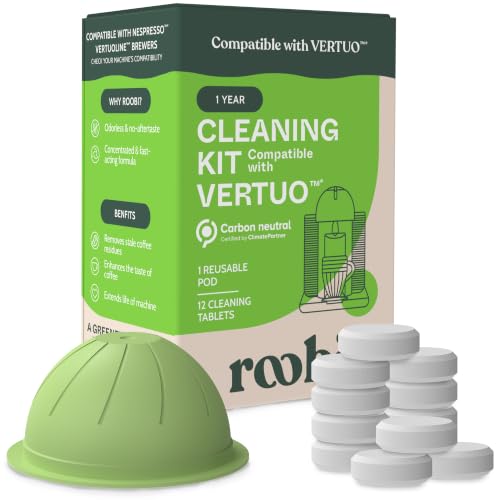
Some Nespresso models, particularly Vertuo machines, include a cleaning or rinsing function that runs water through the brewing system without a capsule, and some owners use compatible cleaning capsules for a deeper clean of coffee oils. Others simply run a water-only cycle, usually the lungo or largest size, with no capsule. Your manual tells you which approach your model supports and how to start it.
Descaling, by contrast, requires the machine's descaling mode. On most models you enter it by pressing a particular button combination while the machine is on, but the combination and timing vary between Vertuo, Original and individual models, so use your manual's exact steps. Do not copy a sequence from another Nespresso model.
Place your container under the coffee outlet before starting either cycle, and stay nearby.
If you are not sure your model has a cleaning function, running one or two water-only cycles with no capsule is a gentle option many manuals allow. It flushes loose coffee residue from the outlet without any products.
Complete the Cleaning or Descaling Stage
For a cleaning cycle, let the water run through completely, then empty the container and drip tray. If you used a cleaning capsule, follow its instructions and run plain water afterwards to rinse.
For descaling, mix the descaling solution with water in the tank as directed, start descaling mode and let the machine run the solution through. Many models pause partway, then continue, and may ask you to refill the tank with the used solution or fresh water at certain points. Follow each step in the manual and do not stop the cycle early or run it repeatedly unless the manual tells you to.
Handle the hot solution with care and pour it down the sink with running water.
A full descaling usually uses most of the tank's capacity in solution and then a full tank of fresh water for rinsing. Keep enough fresh water ready so you can complete the rinse right away when the machine asks for it.
Finish the Required Rinse and Reassembly
After descaling, rinse the water tank thoroughly, fill it with fresh water and run the rinse cycle your manual describes. This flushes any remaining solution from the system. Exit descaling mode as the manual instructs, since some models stay in that mode until you leave it.
Finally, refit the clean drip tray and capsule container, wipe the exterior with a damp cloth and dry it. Your machine is ready for the next capsule.
If you have an Aeroccino or another milk frother, clean it after every use according to its own instructions. Milk residue dries quickly and is harder to remove later, and a clean frother makes noticeably better foam.
Check the Result Before Normal Use
Confirm Completion
A successful clean leaves the drip tray, capsule container and tank fresh and dry, with no coffee residue in the capsule area. After descaling, the descaling alert should turn off and the machine should return to its normal ready state. Brew a capsule and check that the flow and cup size look normal.
If the first coffee after descaling tastes slightly unusual, brew one water-only cycle and discard it. Any trace of the solution should be gone after that.
If a Prompt or Symptom Remains
If the descaling light is still on, check your manual for how the machine confirms it has left descaling mode, since an alert can remain if the mode was not exited properly. If flow is still slow or the alert persists after a complete cycle, contact Nespresso customer service rather than running more cycles. Our coffee maker troubleshooting guide covers safe checks in the meantime.
Common Mistakes to Avoid
A common mistake is descaling when the real problem is cleanliness. A sour smell, stale taste or residue usually comes from a full capsule container, a dirty drip tray or coffee buildup in the capsule area, which cleaning solves. Descaling only removes mineral scale.
Another mistake is treating products as interchangeable. Vinegar, cleaning capsules and descaling solution are different, and Nespresso machines are designed around a descaling solution; vinegar is not part of Nespresso's standard instructions, so use it only if your manual approves it.
Also avoid dishwashing parts that the manual does not list as dishwasher safe, soaking the machine body or letting water reach electrical parts. Do not copy descaling button sequences from a different model or system. For broader principles across brands, see our coffee maker maintenance guide.
Frequently Asked Questions
Which cleaner is approved for this model?
For everyday cleaning, warm water and mild dish soap on removable parts are what most Nespresso manuals describe. For descaling, use the Nespresso descaling kit or a compatible solution your manual accepts, in the stated quantities. Cleaning capsules for coffee oils are optional extras for models that support them.
How often should I perform this task?
Empty and rinse the capsule container and drip tray every day or two, and wash the water tank every few days. Descale when your machine's alert appears or on the schedule in your manual, which depends on your water hardness and how many capsules you brew.
What if the cleaning or descaling alert remains?
If the alert remains, first confirm the machine left descaling mode as the manual describes. If it stays on after a full, correctly completed cycle, contact Nespresso customer service with your model name rather than repeating descaling, since a remaining alert may signal another issue.
Can I use a generic method from another coffee maker?
Generic drip coffee maker methods do not fit Nespresso machines well. Nespresso models use a dedicated descaling mode and specific solution, and the steps differ between Vertuo and Original machines. Use your own manual, and see our guide on how to descale a coffee maker only for general background.
Keep the Routine Simple
The routine for how to clean Nespresso machine models comes down to three habits: empty and wash the capsule container and drip tray often, rinse the tank and wipe the capsule area, and descale with the approved solution when the machine asks. Keep the manual for your model handy so button steps are always right. If you are choosing a new machine, our guide to the best Nespresso machine compares current models.


