How to Use a Moka Pot: Step by Step Guide
Disclosure: We may earn a commission when you buy through links on this page, at no extra cost to you. As an Amazon Associate I earn from qualifying purchases. Learn more

How to use a moka pot for strong stovetop coffee, with grind tips, heat control and cleaning advice.
Learning how to use a moka pot takes one or two tries: fill the bottom chamber with hot water up to the safety valve, fill the basket with fine ground coffee without tamping, screw the pot together, heat it on medium, and take it off the stove as soon as it starts to gurgle. In about five minutes you get strong, rich, espresso style coffee for drinking straight or mixing into lattes.
This guide explains how a moka pot works, what you need, a detailed step by step method, the right grind and coffee amount, how to avoid bitter or burnt coffee, drink ideas, and how to clean and maintain your pot.


How a Moka Pot Works
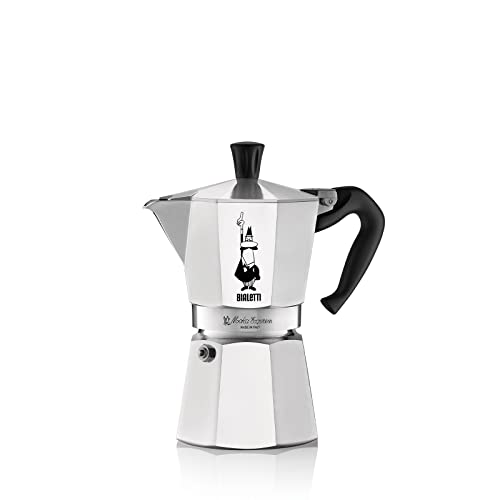
A moka pot has three main parts. The bottom chamber, or boiler, holds water and has a safety valve. The funnel shaped basket sits on top of the boiler and holds the ground coffee. The top chamber collects the finished coffee, and a rubber gasket with a metal filter plate seals the top to the bottom.
As the water heats, steam builds pressure in the boiler and pushes hot water up through the coffee bed and into the top chamber. The pressure is far lower than an espresso machine, about 1 to 2 bars compared with 9, so moka coffee is strong and concentrated but without the thick crema of espresso. The process is quick, and the flavor depends on grind, heat and timing.
What You Need
- A moka pot: aluminum or stainless steel. Our guide to the best moka pot compares popular models.
- Coffee: medium to dark roast, ground fine, slightly coarser than espresso.
- Hot water: from a kettle, to shorten the time on the heat.
- A stove: gas, electric or ceramic. Induction needs a stainless steel pot or an adapter plate.
- A towel: to hold the hot base while assembling.
- A spoon: to level the coffee and stir the finished brew.
How to Use a Moka Pot: Step by Step
- Heat water. Bring water almost to a boil in a kettle. Starting hot means the coffee spends less time on the stove, which reduces bitterness.
- Fill the boiler. Pour hot water into the bottom chamber up to just below the safety valve. Never cover the valve.
- Fill the basket. Add fine ground coffee to the funnel until it is full, slightly mounded. Level it with a finger or a knife; do not tamp or press it down.
- Clean the rim. Brush away loose grounds from the rim of the basket and boiler so the pot seals tightly.
- Assemble. Holding the hot base with a towel, screw the top chamber firmly onto the bottom. Do not overtighten.
- Heat on medium. Place the pot on medium heat with the lid open so you can watch. On a gas stove, keep the flame within the base of the pot.
- Watch the flow. After a few minutes, coffee begins to rise. It should flow in a smooth, steady stream, dark brown at first.
- Lower the heat. Once coffee starts to flow, reduce the heat to keep the stream gentle.
- Remove at the gurgle. When the stream turns pale or honey colored and you hear gurgling or sputtering, remove the pot from the heat immediately.
- Cool the base. Run the bottom under cold water or wrap it in a cold towel to stop extraction.
- Stir and serve. Stir the coffee in the top chamber to blend the strong first part with the lighter end, then pour.
Moka Pot Sizes and How Much Coffee They Make
Moka pots are sized in espresso cups of about 1.5 to 2 ounces, not mugs. That is why a 6 cup pot makes only around 9 ounces of coffee. Use this rough guide when choosing a pot or planning drinks:
| Pot size | Approximate yield | Good for |
|---|---|---|
| 1 cup | About 2 oz | A single espresso style shot |
| 3 cup | About 4 to 5 oz | One strong mug or one latte |
| 6 cup | About 8 to 10 oz | Two or three small cups or two lattes |
| 9 to 12 cup | About 14 to 20 oz | Families and guests |
Yields vary by brand. Because the basket must be full for good results, pick a size that matches your usual batch.
Electric, Gas and Induction Stoves
On a gas stove, keep the flame small enough that it does not reach up the sides of the pot, which can scorch the handle and overheat the coffee. On electric coil or ceramic stoves, use a burner close to the size of the pot base and start on medium. Electric burners hold heat, so slide the pot off as soon as it gurgles rather than just turning the burner off.
Induction cooktops need a stainless steel or induction rated moka pot, or an adapter plate under an aluminum pot. Induction heats very quickly, so use a lower setting than you would on gas.
Grind Size and Coffee Amount
Use a fine grind similar to table salt, a little coarser than espresso. If the grind is too fine, it can clog the filter, slow the flow and make the coffee bitter. Too coarse, and the coffee will be weak and sour. Pre-ground espresso coffee works well in most moka pots.
Always fill the basket completely, since the basket size sets the dose. A 3 cup pot typically holds about 15 to 17 grams of coffee and a 6 cup pot about 25 to 30 grams, though it varies by brand. If you want less coffee, use a smaller pot or a reducer insert if your pot includes one, rather than underfilling the basket.
Choosing Coffee for a Moka Pot
Medium and dark roasts are the classic choice, producing chocolatey, caramel flavors with good body. Italian espresso blends are designed for this style of brewing. Light roasts can work but often taste sharp in a moka pot; if you use them, start with hot water and moderate heat to avoid sourness.
Freshness matters. Use beans roasted within the past few weeks and grind them just before brewing if you can. Store coffee in an airtight container away from light and heat.
How to Avoid Bitter or Burnt Coffee
- Use hot water in the boiler so the coffee heats for less time.
- Keep the heat medium or lower. High heat forces water through too quickly and scorches the coffee.
- Remove the pot at the first gurgle. The last part of the brew is mostly steam and tastes bitter.
- Cool the base right away to stop extraction.
- Do not tamp the coffee, which restricts flow and builds excess pressure.
- Keep the pot clean so old oils do not add off flavors.
Moka Pot Drink Ideas
Straight Moka Coffee
Serve it in small cups like espresso, or add a splash of hot water for a longer drink similar to an Americano.
Moka Latte or Cappuccino
Combine moka coffee with steamed or frothed milk. A handheld or electric frother works well: use about 2 ounces of moka coffee with 6 to 8 ounces of milk for a latte, or equal parts coffee, milk and foam for a cappuccino.
Iced Moka Coffee
Pour fresh moka coffee over a glass full of ice, then add cold milk or water and a little simple syrup if you like it sweet.
Cuban Style Coffee
Whip the first few spoonfuls of brewed coffee with sugar into a thick paste, then stir in the rest of the coffee for a sweet, foamy café cubano.
Seasoning a New Moka Pot
A brand new aluminum moka pot can give the first few batches a slightly metallic taste. Many owners season a new pot by brewing two or three batches with inexpensive coffee and pouring them away. Over time, a thin coffee layer forms inside, which is one reason manufacturers recommend rinsing with water instead of scrubbing with soap. Stainless steel pots usually need less seasoning, but a first rinse brew is still a good idea.
Safety Tips
Never fill water above the safety valve, and never block or tamper with it. Always use a towel or oven mitt to handle the hot base. Do not open the pot while it is hot and under pressure. Keep handles away from the flame, especially on gas stoves. Inspect the gasket and filter regularly, and stop using a pot with a damaged valve until it is repaired.
Cleaning and Maintenance
Let the pot cool, then take it apart and rinse each piece with warm water. Most manufacturers recommend no soap and no dishwasher, especially for aluminum, because detergent can affect the finish and flavor. Dry every part thoroughly and store the pot unassembled.
Check the rubber gasket and filter plate every few months. Replace the gasket if it cracks, hardens or the pot leaks around the middle. Clean the filter plate holes with a soft brush if they clog. For routines that cover all your brewers, see our guide on how to clean a coffee maker.
Troubleshooting
- Coffee does not come up: the grind may be too fine or packed; use a coarser grind and do not tamp. Check the heat is on.
- Leaking from the middle: tighten the pot, clean the rim, or replace the gasket.
- Weak coffee: fill the basket fully and grind finer.
- Coffee spurts and sputters: lower the heat.
- Metallic taste: new aluminum pots often need a few brews to season.
Learn more brewing methods in our coffee guides, including our comparison of moka pot vs espresso machine.
FAQs
Should I use hot or cold water in a moka pot?
Hot water is better. It shortens the time on the heat and helps prevent a bitter, cooked taste.
Do you tamp coffee in a moka pot?
No. Level the grounds without pressing. Tamping restricts water flow and can create excess pressure.
How long does a moka pot take?
About four to six minutes on medium heat, depending on the pot size and starting water temperature.
Can I make a half batch in a moka pot?
Moka pots work best full. Use a smaller pot or a reducer insert for less coffee.
Can I use a moka pot on a camping stove?
Yes. Moka pots work well on camping stoves. Use a low, steady flame, keep the handle away from the burner and remove the pot at the first gurgle.
Why does my moka pot coffee taste burnt?
Heat that is too high or leaving the pot on after it gurgles can burn the coffee. Lower the heat and remove the pot sooner.
Final Thoughts
Once you know how to use a moka pot, it becomes one of the fastest ways to make strong coffee at home. Start with hot water, fill the basket with fine coffee without tamping, heat on medium, and remove the pot at the first gurgle. Cool the base, stir, and enjoy rich stovetop coffee straight or as the base for lattes and iced drinks.