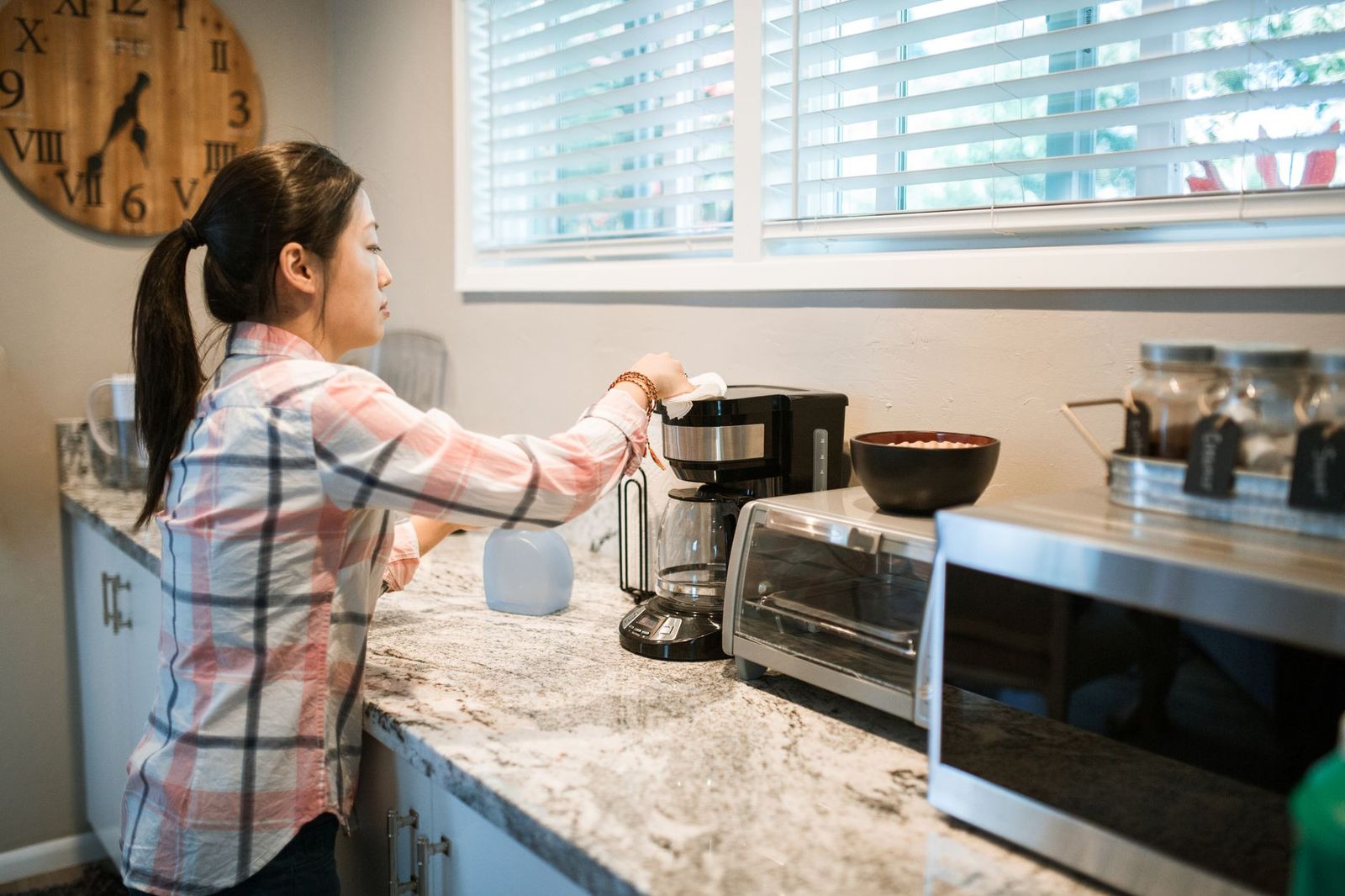
How To Clean A Coffee Maker: A Model-Specific Guide
Disclosure: We may earn a commission when you buy through links on this page, at no extra cost to you. As an Amazon Associate I earn from qualifying purchases. Learn more

How to clean a coffee maker without guesswork: separate washing, brew path cleaning and descaling, then follow your model's manual.
Knowing how to clean a coffee maker properly keeps your coffee tasting fresh and helps the machine run as designed. The catch is that "cleaning" covers several different jobs: washing removable parts, clearing coffee oils from the brew path, caring for milk parts, and descaling mineral buildup. Each needs a different product and method.
This guide covers drip, single serve and espresso style machines in general terms and shows you how to find the exact steps for your model, since your manual always takes priority over any generic routine.


Quick Answer and Task Boundary
Wash the carafe, filter basket and other removable parts after use with warm soapy water, or in the dishwasher only if the manual allows it. Clean the brew path of coffee oils with a cleaner approved for your machine when flavor turns stale or bitter.
Descale on the schedule or prompt your manufacturer gives, using the descaler it recommends. Milk systems need their own daily cleaning. Do not swap these tasks for one another.
Identify the Model and the Right Maintenance Task
Find the Exact Model and Manual
Look for the model number on a label underneath the machine, on the back panel or inside the reservoir area. Write it down along with any generation or series name. Then download the manual from the manufacturer's US support site and find the care or maintenance section, which usually lists approved cleaners, dishwasher safe parts and the descaling procedure.
If you own a machine from a brand with many similar models, such as Keurig, Ninja or Cuisinart, button sequences can differ between generations. Use the manual that matches your exact model, not a close cousin.
Keep a digital copy of the manual on your phone or a printed copy in a kitchen drawer. You will refer to it for every descale, and it also lists replacement part numbers for carafes, filters and baskets.
Check Whether This Is Cleaning or Descaling
Cleaning removes coffee oils, grounds and stains. Signs you need it: a stale or rancid taste, visible brown film in the carafe or basket, or a cleaning prompt on the display.
Descaling removes mineral scale from hard water inside the heating system. Signs: slower brewing, coffee that is not as hot, louder brewing noises, or a descale light. If you are unsure which applies, start with ordinary washing and check the manual's troubleshooting section before running any chemical cycle.
What You Need Before Starting
Gather only supplies your manual approves. For most machines that means mild dish soap, a soft sponge or bottle brush, a clean cloth, and fresh water. For brew path cleaning, use a coffee maker cleaner that lists your machine type, such as a powder or liquid made for drip and espresso machines. For descaling, use the descaler your manufacturer recommends, or a compatible one that names your machine type.
You will also need a container big enough to catch a full reservoir of water, usually the carafe itself. Unplug the machine and let it cool before handling the warming plate or removing internal parts by hand. Powered cleaning or descaling programs, by contrast, run with the machine on, exactly as the manual describes.
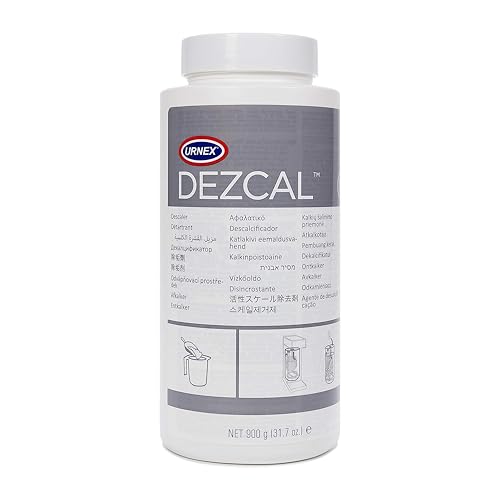
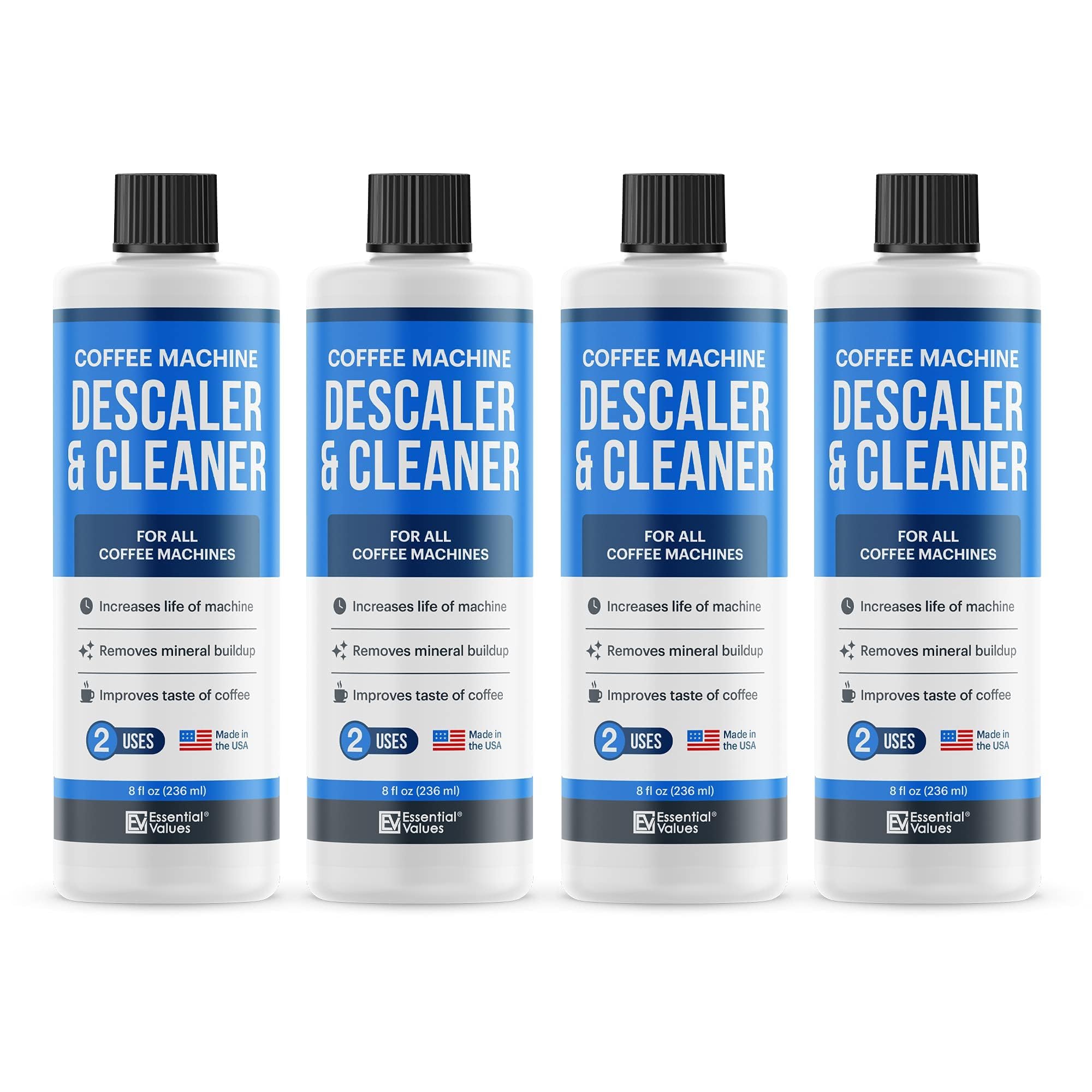
The care products in the table above show the main types you will see: a powder cleaner such as Urnex Cleancaf for coffee oils, a descaler such as Urnex Dezcal or a liquid descaling solution for mineral scale, and Bar Keepers Friend Coffee Maker Cleaner for stained carafes and brewers. Check that your manual allows the product type before buying.
How to Clean a Coffee Maker: Step-by-Step Procedure
Prepare the Correct Components
Empty the filter basket and discard used grounds or the pod. Remove the carafe, filter basket, permanent filter, drip tray and any other part the manual lists as removable. Pour out any water left in the reservoir unless the procedure says to keep it.
Wash removable parts in warm, soapy water and rinse them well, paying attention to the underside of the lid and the spout where coffee residue collects. Use a bottle brush for the carafe neck and a soft brush for the filter basket mesh. Put parts in the dishwasher only if the manual marks them as dishwasher safe, since heat can warp some plastics and damage thermal carafe seals.
Do not invent a chemical recipe. If your manual specifies a cleaner and quantity, measure exactly that. If it does not mention a cleaner, contact the manufacturer before using one, because some products are not suitable for every machine.
Wipe the outside of the machine and the area around the shower head with a damp cloth while parts are drying. On drip machines, the shower head above the basket often collects coffee residue; a soft brush or cloth removes it without taking anything apart. Do not push objects into openings or the water inlet.
Start the Approved Task or Program
Manual washing is done at this point for many drip machines. If the brew path also needs cleaning, the method depends on the machine. Basic drip brewers often use a brew cycle with cleaner dissolved in the reservoir, then rinse cycles with fresh water.
Machines with a clean or descale button run a dedicated program that pauses, pumps and rinses on its own timing. Single serve brewers may use cleaning pods or a descaling mode that you start with a specific button combination. Espresso and super automatic machines usually prompt for a cleaning tablet in a set place. Use the exact buttons listed in your manual only, since a sequence from a different model can start the wrong program.
Complete the Cleaning or Descaling Stage
Add the approved product in the documented amount and place the container under the outlet. Start the cycle and let it run to the end without interruption, unless the manual tells you to pause partway, as some drip machine routines do to let the solution sit.
Avoid repeating a program back to back unless the manual permits it. Running extra chemical cycles does not clean better, and it can leave more residue to rinse out. If the machine stops with an error during the cycle, follow the manual's guidance for that message rather than restarting blindly.
Keep children and pets away while hot liquid is flowing, and never open covers or the brew head during a powered program.
Finish the Required Rinse and Reassembly
Rinse cycles matter as much as the cleaning cycle. Fill the reservoir with fresh water and run the number of rinse cycles the manual specifies, usually at least one or two full reservoirs, until no smell or taste of cleaner remains.
Wash the carafe and basket again after rinsing, then dry and reassemble everything. Check that the filter basket clicks into place, the carafe sits correctly on the plate, and any water filter is reinstalled or replaced as instructed. Some machines show a final prompt or light when the program ends; note what yours displays.
Check the Result Before Normal Use
Confirm Completion
Look for the end of cycle indication described in the manual, such as a light turning off or a "clean complete" message. Inspect parts for leftover film or residue, and confirm everything is fitted correctly. Then brew a cycle of plain water and smell it. If there is no cleaner odor, the machine is ready for coffee.
Your first pot afterward is a good check too. Coffee should taste clean and brew at its usual speed. If brewing was slow before and is now normal, the descale worked; if it is still slow, scale or another fault may remain.
If a Prompt or Symptom Remains
If a clean or descale light stays on, check whether the machine needs a reset step after the program, which some models require. If symptoms continue, such as slow brewing or a bitter taste, consult the troubleshooting section or contact manufacturer support. Our coffee maker troubleshooting guide can help you narrow down the cause before you call.
Common Mistakes to Avoid
Using the wrong task for the problem is the most common error. Mineral scale needs a descaler, coffee oils need a coffee cleaner, and milk residue needs a milk system cleaner. Using one in place of another leaves the real problem untouched.
Treating vinegar, cleaning tablets and descaler as interchangeable is the second mistake. Some manufacturers allow white vinegar for descaling certain drip models; others advise against it because it can affect seals or leave odors. Only use vinegar if your manual approves it, and follow the dilution it gives. Our guide on how to descale a coffee maker covers that task in more depth.
Third, avoid putting parts in the dishwasher or soaking them without component specific approval, especially thermal carafes, electronic lids and anything with a seal. Finally, do not copy button sequences from a different generation of your machine, even within the same brand.
One more habit to drop: leaving water sitting in the reservoir for days. Stale water can develop odors and film, so empty and refill it with fresh water if the machine has been idle, and leave the lid open to dry when you are away.
Frequently Asked Questions
Which cleaner is approved for this model?
Your manual names the approved cleaner, so start there. Many manufacturers recommend their own branded cleaner or descaler, and some list compatible alternatives. If the manual is silent, contact the manufacturer's support team. Products that name your machine type on the label are a safer choice than general household cleaners.
How often should I perform this task?
Wash removable parts after each use or at least daily. Clean the brew path when taste turns stale or the machine prompts you. Descaling frequency depends on water hardness and the manufacturer's schedule. Our guide on coffee maker maintenance gives a simple weekly and monthly routine to follow.
What if the cleaning or descaling alert remains?
First check whether your model needs a reset step after the cycle, which is common on single serve machines. Confirm the program ran to the end and that the reservoir and parts are fitted correctly. If the alert still shows, contact manufacturer support rather than running repeated chemical cycles.
Can I use a generic method from another coffee maker?
Not safely. Generic methods ignore differences in materials, programs and approved products. A routine that suits a basic drip brewer can be wrong for a single serve or espresso machine. Use the manual for your exact model, and treat generic advice only as background for understanding the tasks.
Keep the Routine Simple
The simplest way to remember how to clean a coffee maker is to match the task to the problem: wash parts daily, clean the brew path when flavor fades, and descale when the manual or machine says so. Keep your manual handy, use only approved products, and confirm each cycle has finished before brewing again. If problems persist after cleaning, use our troubleshooting guide or contact the manufacturer instead of repeating cycles.