How to Use a French Press: A Simple Step by Step Guide
Disclosure: We may earn a commission when you buy through links on this page, at no extra cost to you. As an Amazon Associate I earn from qualifying purchases. Learn more

How to use a French press for rich coffee: ratio, grind, a four minute steep and easy cleaning tips.
Learning how to use a French press takes about five minutes: add coarse ground coffee, pour hot water, steep for four minutes, press the plunger down slowly and pour. The result is a full bodied cup with more natural oils than paper filtered coffee, and you need no electricity beyond a kettle.
This guide walks through the equipment, the right coffee to water ratio, a step by step method, common mistakes, easy variations such as cold brew, and how to clean the press so every batch tastes fresh.


What You Need
A French press setup is simple, and most of it is already in a typical kitchen:
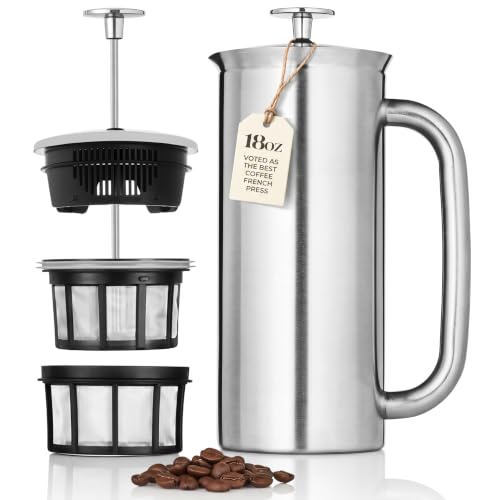
- A French press: glass or insulated stainless steel. A 34 ounce press brews three to four mugs; a 12 to 18 ounce press suits one person. Our guide to the best French press compares popular models.
- Fresh coffee beans: medium and dark roasts are easy starting points; light roasts work with slightly finer grinds or longer steeps.
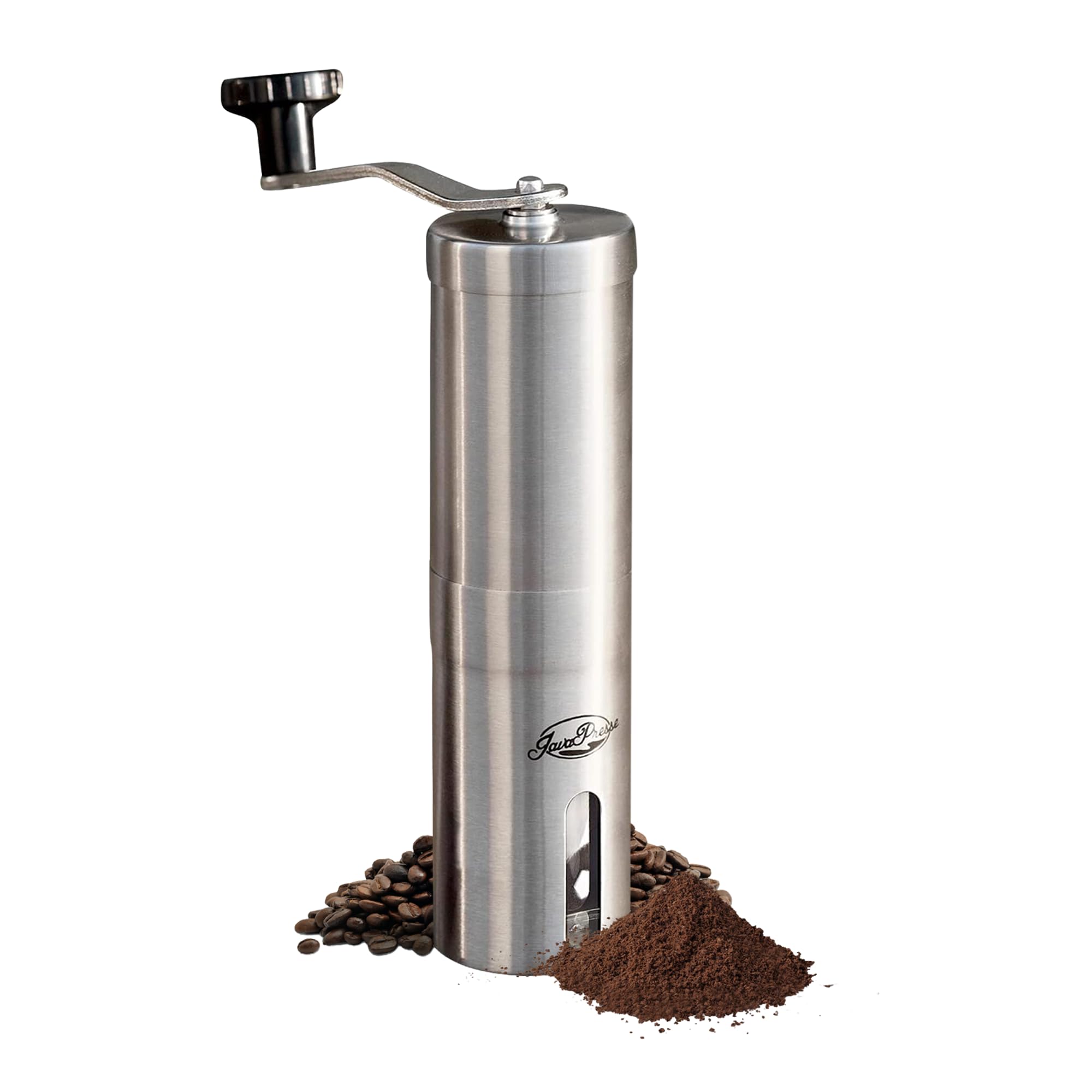
- A burr grinder: a coarse, even grind is the key to a clean cup.
- A kettle: any kettle works; a thermometer or temperature control helps.
- A kitchen scale (optional but useful): weighing coffee and water makes results repeatable.
- A spoon or paddle and a timer: a wooden or plastic spoon is safer for glass carafes.
The Right Coffee to Water Ratio
A good starting point is 1 gram of coffee for every 15 grams of water (1:15). For a full 34 ounce press, that is about 60 grams of coffee and 900 grams (about 30 ounces) of water, leaving room for the plunger and bloom. For a lighter cup, try 1:17; for a stronger cup, try 1:12.
If you do not have a scale, use about 2 rounded tablespoons of coarse ground coffee for every 6 ounces of water. Our detailed French press coffee ratio guide includes a chart for common press sizes.
How to Use a French Press: Step by Step
- Heat the water. Bring water to a boil, then let it rest for about 30 seconds so it falls to roughly 195 to 205°F.
- Preheat the press. Rinse the carafe with a little hot water and pour it out. This keeps the brew temperature steady, especially in glass presses.
- Grind the coffee coarse. Aim for a texture similar to coarse sea salt. Grind just before brewing.
- Add coffee to the press. Level the grounds in the bottom of the carafe.
- Bloom. Pour about twice as much water as coffee by weight (for example, 120 grams for 60 grams of coffee) and gently stir so all the grounds are wet. Wait 30 seconds while gases escape.
- Add the rest of the water. Pour the remaining water evenly, filling to your target amount.
- Place the lid and steep. Set the lid on with the plunger pulled all the way up to trap heat. Start a timer for four minutes total from the first pour.
- Break the crust (optional). At about three and a half minutes, some people stir the floating crust gently and skim off foam for a cleaner cup.
- Press slowly. Push the plunger down with steady, gentle pressure over 15 to 20 seconds. If it resists strongly, the grind is too fine; lift slightly and continue slowly.
- Pour immediately. Serve all the coffee right away or move it to a thermal carafe, so it stops extracting on the grounds.
Batch Sizes for Common French Presses
French presses come in several sizes, and brewing close to full capacity gives the most consistent results. Use this table as a starting point at a 1:15 ratio, leaving a little headroom below the spout.
| Press size | Water | Coffee | Serves |
|---|---|---|---|
| 12 oz (3 cup) | about 300 g (10 oz) | about 20 g | 1 mug |
| 17 to 18 oz (4 cup) | about 450 g (15 oz) | about 30 g | 1 to 2 mugs |
| 34 oz (8 cup) | about 900 g (30 oz) | about 60 g | 3 to 4 mugs |
| 51 oz (12 cup) | about 1,350 g (45 oz) | about 90 g | 5 to 6 mugs |
Remember that many brands count a cup as about 4 ounces, so an 8 cup press is not eight full mugs.
Choosing Coffee for a French Press
Because a French press keeps the coffee's oils in the cup, it highlights body and sweetness. Medium and medium dark roasts from Brazil, Colombia or Sumatra taste chocolatey and rich, which many people love in a press. Light roasted African coffees can taste bright and fruity, though they may need a slightly finer grind or a five minute steep to avoid tasting sour.
Buy whole beans and grind just before brewing. Pre-ground coffee from the store is usually ground for drip machines, which is too fine for a press and can make the cup muddy. If you must use pre-ground, look for bags labeled coarse or French press grind.
Dialing In the Taste
French press coffee is forgiving, but small changes make a noticeable difference. Taste the first cup and adjust one variable at a time:
- Bitter or harsh: grind coarser, shorten the steep to three and a half minutes, or use slightly cooler water.
- Sour or thin: grind a little finer, extend the steep to five minutes, or use hotter water.
- Weak: use more coffee (for example, move from 1:15 to 1:13).
- Too strong: add water after brewing or use a lighter ratio such as 1:17.
- Muddy or gritty: grind coarser and more evenly, press slower, and leave the last half inch of coffee in the press.
Write down the ratio, grind setting and time that work for each coffee. Different beans and roast levels may need small adjustments.
Common Mistakes to Avoid
The most common problem is grinding too fine. Fine grounds pass through the mesh filter, make pressing difficult and leave sludge in the cup. Blade grinders produce a mix of dust and chunks, so a burr grinder makes a big difference.
Other mistakes include using boiling water straight off the stove, letting coffee sit in the press after plunging, and skipping the bloom with fresh beans. Pressing too fast can also force grounds around the filter and splash hot coffee. Finally, using old, stale beans makes even a perfect method taste flat; buy coffee roasted within the last few weeks when possible.
Variations to Try
French Press Cold Brew
Add coarse grounds at about a 1:8 ratio to cold or room temperature water, stir, cover and refrigerate for 12 to 18 hours. Press slowly and pour the concentrate into a jar. Dilute with water or milk to taste, often about one part concentrate to one part water.
Iced French Press Coffee
Brew a stronger batch, around 1:10, then pour it over a glass full of ice. The melting ice dilutes it to drinking strength without tasting watery.
Frothing Milk
A French press can froth warm milk. Fill the clean press no more than one third full with warm milk, then pump the plunger quickly for 20 to 30 seconds until the volume roughly doubles. Pour over strong coffee for a homemade latte.
Tea
Loose leaf tea brews well in a French press. Use the temperature and steep time recommended for your tea, then press and pour. Clean the press well afterward, since tea and coffee flavors can linger.
Safety Tips for Glass Presses
Glass carafes are durable borosilicate, but they still deserve care. Preheat with warm water instead of pouring boiling water into a cold carafe on a cold day, and use a wooden or plastic spoon to stir so you do not scratch or chip the glass. Never press with force if the plunger sticks; lift it slightly and press again slowly. Inspect the carafe for chips or cracks and replace it if you find any, since damaged glass can break under heat.
Keep hands away from the spout while pressing, and hold the handle firmly so the press does not tip. With a little care, a glass press lasts for years.
How to Clean a French Press
Empty the spent grounds into compost or the trash rather than the sink, since grounds can clog drains. A soft spatula helps scrape them out. Rinse the carafe and plunger with warm water.
Every few uses, unscrew the plunger assembly and separate the mesh screen, spiral plate and cross plate. Wash each piece with warm soapy water and a soft brush to remove trapped oils, which turn rancid and bitter over time. Many presses are dishwasher safe; check your manual. Replace screens that are bent or torn, because gaps let grounds into the cup.
For a deeper clean of mineral spots, soak the parts in warm water with a little baking soda, then rinse well. For a full routine covering all your brewers, see our guide on how to clean a coffee maker.
French Press vs Other Methods
Compared with drip coffee, a French press produces a heavier body and more texture because metal filters let oils and very fine particles through. Compared with pour over, it is more forgiving and needs less technique, though pour over gives a cleaner, brighter cup. Compared with an AeroPress, a French press makes larger batches but takes a little longer.
If you enjoy experimenting with brewing methods, browse our coffee guides for more how-tos and comparisons.
FAQs
Should I stir French press coffee?
A gentle stir after the bloom makes sure every ground is wet. Avoid stirring vigorously during the steep, which can increase bitterness and sediment.
How long should I let a French press steep?
Four minutes is the standard starting point. Adjust between three and five minutes depending on grind size and taste.
What grind size is best for a French press?
Coarse, similar to sea salt. Too fine a grind makes the coffee muddy and the plunger hard to push.
How much coffee do I use for a French press?
Use about 1 gram of coffee per 15 grams of water, or roughly 2 tablespoons of coarse grounds per 6 ounces of water.
Why is my French press coffee bitter?
Bitterness usually comes from grinding too fine, steeping too long, using water that is too hot, or leaving coffee on the grounds after pressing.
Can I reuse French press coffee grounds?
Reusing grounds produces weak, flat coffee. Use fresh grounds for each batch and compost the spent ones.
Final Thoughts
Once you know how to use a French press, it becomes one of the simplest ways to make rich coffee at home. Use fresh, coarse grounds at about a 1:15 ratio, water just off the boil, a four minute steep and a slow press, then pour right away. Adjust grind and time to taste, keep the filter clean, and the French press will reward you with a full bodied cup every morning.