
JURA Coffee Machine Not Frothing Milk: Causes and Next Steps
Disclosure: We may earn a commission when you buy through links on this page, at no extra cost to you. As an Amazon Associate I earn from qualifying purchases. Learn more
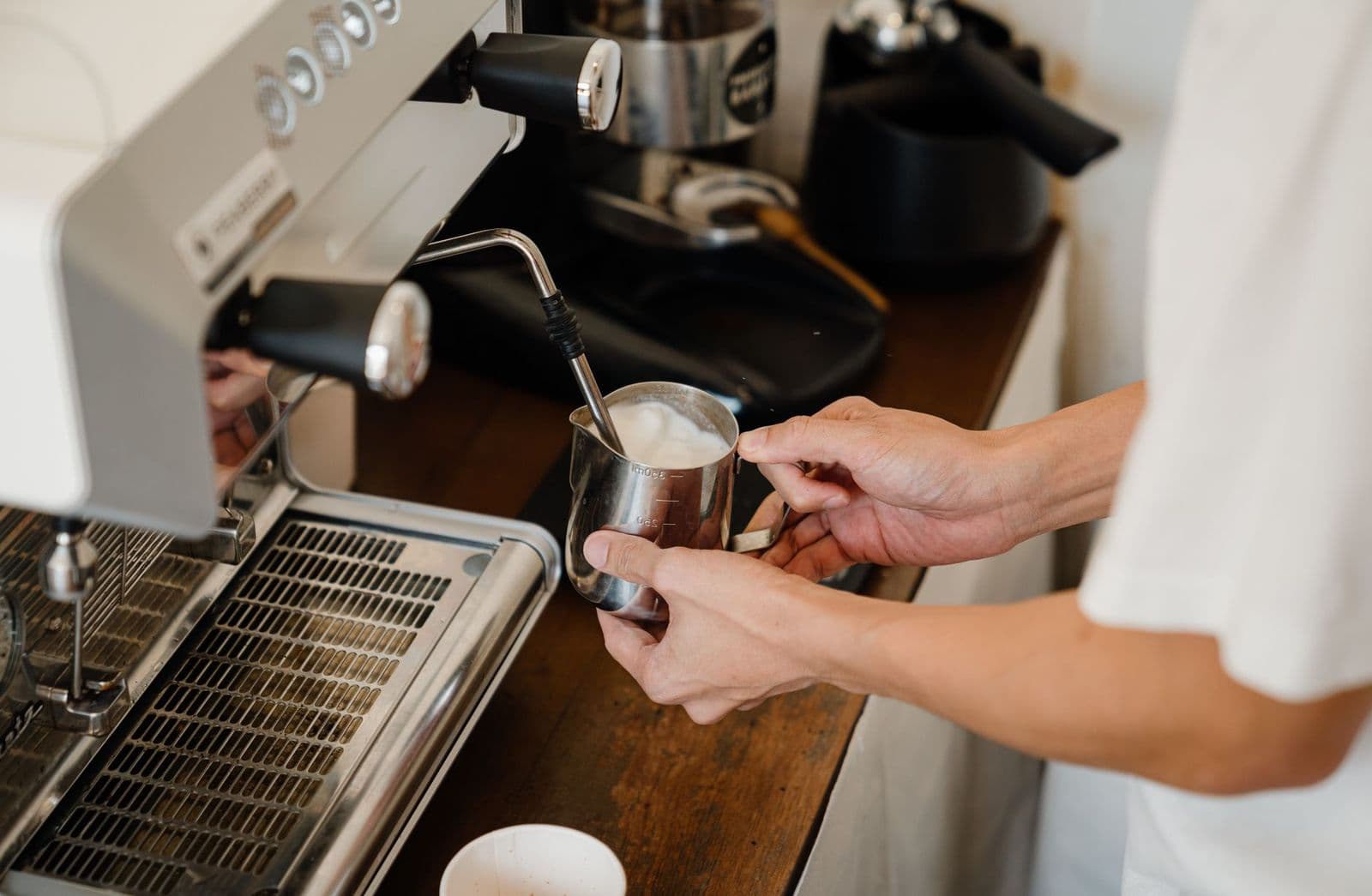
JURA coffee machine not frothing milk: safe checks for the milk tube, settings and milk system cleaning, and when to call support.
A JURA coffee machine not frothing milk is usually telling you something simple: the milk is not reaching the system, the wrong drink or mode is selected, or the milk path needs the cleaning your manual asks for. This guide covers JURA automatic machines with built-in milk systems, such as the E, S, J and Z ranges, and walks through safe, manual-approved checks in the order that solves most cases.
Have your model name and code ready (it is on the type plate and in the manual), because milk parts, prompts and cleaning programs differ between generations. Start with the safe checks below, then work down the list.
Start Here: Safe Checks and the Main Next Step
First, confirm the basics. Is the milk line connected firmly to the milk spout and placed in the milk, with the end of the tube near the bottom of the container? Is there enough cold milk? Did you select a milk specialty, such as a cappuccino or latte macchiato, rather than a coffee-only drink?
Many "no froth" cases end with those three questions. They take less than a minute and need no tools, so always start here before any cleaning program.
Next, look at the display. If the machine is asking for milk system cleaning, rinsing or another maintenance task, do that first using the program described in your manual.
Stop using the machine and contact JURA support if you see visible cord damage, smoke, a burning smell, repeated electrical faults or water reaching electrical parts. Do not open the housing or attempt internal checks. The main next step for everything else is the milk system cleaning process in your manual.
Milk Supply and User-Cleanable Milk Parts
When It Happens
Notice when the problem appears. If froth is missing from the first milk drink of the day, the milk line may not be connected, or the milk container may be empty or placed so the tube draws air. If froth fades during the day, dried milk residue in the spout or line is a likely suspect. If it started right after you changed a part, the connection may not be seated.
Write down which drinks are affected, since a pattern makes a JURA coffee machine not frothing milk much easier to diagnose. If coffee still dispenses normally but milk does not, the issue is in the milk path or settings rather than the brewing side.
What You Can Observe
Watch the milk spout during a milk drink. Is milk drawn up the tube at all? Does it spit, run thin or produce only hot water or steam? Thin, bubbly milk often points to air entering the line or to residue in the spout, while no movement at all points to a connection or setting issue.
Then use the manual's milk cleaning process. JURA machines with automatic milk systems have a milk system cleaning program, and some models, such as the E8 and Z10, list it as a one-touch function. Run it with the cleaner your manual names.
What It Does Not Prove
One weak cappuccino does not prove a pump, valve or steam system failure. Cold milk, a loose tube, a partly blocked spout or a missed cleaning cycle can all produce the same result, and none of them need internal repair.
Work through the user checks below before drawing conclusions. If the symptom continues after the manual's cleaning steps, that is the point to involve JURA support, not to guess at internal parts.
External Checks Before Any Cleaning Cycle
Power and Correct Assembly
Switch the machine on with its normal controls and let it finish heating and rinsing. Confirm the milk spout or milk system parts are fitted exactly as the manual shows. On machines with a height-adjustable spout, make sure it is clicked into place.
Check the milk tube for kinks, cracks or a loose fit at either end. If your machine uses a connector piece, check that it is the one supplied for your model and fully pushed on. A tube that slips off under suction is a common cause of no froth.
Coffee, Water, and Mode
Make sure the water tank is filled and seated, since milk drinks also need water for heating. Confirm you selected a milk specialty rather than espresso or coffee. On machines that let you program the amount of milk or milk foam, such as the JURA E6, check that the milk or foam amount for that drink has not been set to zero or very low.
Read every alert on the display. A pending rinse or cleaning prompt can affect milk drinks until it is completed.
User-Accessible Components
Inspect and clean only parts your manual identifies as user-serviceable, such as the milk spout, the milk tube, connectors and the milk container. Take them apart only as far as the manual shows, rinse with warm water and reassemble carefully.
If a part looks worn, cracked or permanently stained, JURA and third-party sellers offer replacement milk tubes and spouts; buy only the part the manual lists for your model. Never insert tools into openings inside the machine.
Keep spare parts simple. A clean, correctly fitted tube and spout solve far more frothing complaints than any accessory, so resist buying extras until the basic checks are done.
JURA Coffee Machine Not Frothing Milk: Possible Causes and Manual-Approved Checks
Input or Setting Mismatch
The simplest cause is that the machine is not being asked to make froth, or cannot draw milk. The tube may sit above the milk level, the milk container may be empty, or the selected drink may not include milk. On programmable machines, someone in the household may have changed the milk or foam amount for a favorite drink.
What supports this possibility: coffee dispenses normally, the milk spout stays dry or only drips, and the problem started after a refill, a new milk carton or a settings change. The check is to reconnect the tube, place it in a full container of cold milk, select a standard milk specialty and see if froth returns. If it does, review your saved drink settings against the manual.
Milk type matters too. Very warm milk, or some plant-based milks, may foam less than cold dairy milk. JURA listings do not give milk-type guidance, so check your manual and try cold milk to rule this out.
Accessible Residue or Incorrect Seating
Milk residue builds up quickly in small passages, and even a thin film can stop air and milk mixing properly. A spout that was not fully reassembled after cleaning can also let air in or block flow.
What supports this possibility: froth was fine a few days ago and has slowly become thinner, the spout looks cloudy or has dried milk inside, or the problem started right after washing the parts. The model-approved check is to run the milk system cleaning program with the cleaner your manual specifies, then take apart and rinse the spout as shown in the manual. Reassemble each piece in the order shown and make sure every part clicks into place.
Avoid improvising with vinegar or other household products unless your manual approves them, since some cleaners can damage seals or leave residues.
Maintenance State
Automatic machines track their own maintenance. If milk system cleaning, a brew system cleaning or descaling is overdue, performance can drop. On machines with a water filter, a filter that has reached the end of its life can also matter, since JURA describes its Claris Smart cartridge as helping to prevent scale.
Do not assume an internal failure from this symptom alone. Instead, check the display and the maintenance menu for any pending task, then run only the program the machine requests. Use JURA's milk system cleaner for milk cleaning, JURA cleaning tablets for brew system cleaning and JURA descaling tablets for descaling, each as the manual directs. Our JURA water filter guide explains how filters fit into this routine.
When the Cause May Need Service
External checks have limits. If milk still does not froth after you have confirmed the connection and milk, completed every requested maintenance task, run the milk system cleaning program and cleaned the spout by hand, the cause may be inside the machine, beyond what a user should handle.
Stop repeating the same cycle. Running cleaning programs again and again rarely helps once they have been completed correctly, and repeated attempts can waste supplies. Note what you observed, what you cleaned and any messages shown, then contact JURA support. Do not open the housing or try internal repairs.
Model-Specific Alerts and Next Steps
JURA's exact message wording depends on the model, generation and software, so confirm each message in your manual before acting. Do not borrow button sequences or reset steps from another model. The table groups the common types of prompt that relate to milk drinks and the user step that typically applies.
| Type of message | Documented meaning (check your manual) | Permitted user step | Stop and contact support if |
|---|---|---|---|
| Milk system cleaning prompt | Milk path cleaning is due | Run the milk system cleaning program with JURA milk system cleaner | Froth does not return after a completed cycle |
| Rinse prompt | Milk or coffee system rinse requested | Place a container under the spout and start the rinse | Rinse will not start or repeats endlessly |
| Water tank prompt | Tank empty or not detected | Refill and reseat the tank | Prompt remains with a full, seated tank |
| Descaling or filter prompt | Scale or filter change due | Run descaling or change the filter per manual | Prompt returns right after completion |
| Any unfamiliar or error message | Varies by model | Look it up in the manual for your model code | Message persists or relates to a fault |
When to Contact Support or Consider Replacement
Contact JURA support when milk will not froth after all manual-approved checks and cleaning, when an error message persists, or when you notice leaks, unusual noises or electrical concerns. Prepare your model name and number, the purchase date, the exact message shown and a short note of what you have already tried.
Check your warranty and the service options JURA offers in the US before thinking about replacement. A milk frothing problem is often solved by cleaning or a replacement milk part, so it rarely justifies buying a new machine on its own.
If your machine is out of warranty and support advises a costly repair, compare that quote with the value of the machine. Our best JURA coffee machine guide covers current models if replacement does become the sensible option.
Preventing the Same Issue
Rinse the milk system after each milk drink, run the milk system cleaning program as often as your manual specifies, and wash the milk container daily. Use fresh, cold milk and keep the tube in clean milk only while you are making drinks.
Follow a regular care routine for the whole machine, including filter changes and descaling; our guide to JURA coffee machine maintenance sets out a schedule. Good habits reduce problems, but no routine prevents every fault.
Frequently Asked Questions
Should I keep restarting the machine?
No, one normal restart is enough. If milk still will not froth, work through the connection, settings and cleaning checks instead. Repeated restarts do not clear milk residue or fix a loose tube, and restarting during a fault message can hide information support may need.
Will descaling fix every symptom?
No. Descaling removes mineral scale when the machine asks for it, but it does not clean milk residue from the milk system. For frothing problems, the milk system cleaning program and cleaning the spout by hand are the relevant steps, along with any prompt your machine shows.
What information should I give manufacturer support?
Give your model name and number, purchase date, the exact message on the display and when the problem started. Describe what happens at the spout, which drinks are affected and which cleaning steps you completed. This helps support move straight to the right next step.
Your Next Step
If you are dealing with a JURA coffee machine not frothing milk, start by checking the milk tube connection, the milk level and the selected drink, then run the milk system cleaning program from your manual. If froth does not return after every manual-approved step, stop and contact JURA support. For broader problems, see our guide to a JURA coffee machine not working, and keep the routine going with our JURA coffee machine maintenance page.


