What Is JURA: Practical Guide
Disclosure: We may earn a commission when you buy through links on this page, at no extra cost to you. As an Amazon Associate I earn from qualifying purchases. Learn more
What is JURA? A plain guide to the brand's bean-to-cup machines, how they brew, what upkeep they need and who they suit.
What is JURA? JURA is a brand of fully automatic coffee machines: appliances that grind whole beans, brew espresso-based coffee and, on many models, prepare milk drinks at the touch of a button. If you have seen the name on a pricey machine and wondered what sets it apart, this guide explains what the brand makes, how its machines work day to day and what they still ask of you.
It also clears up common misunderstandings, such as the idea that "automatic" means "maintenance free," so you can decide whether a JURA fits your routine or whether another format suits you better.
What Is JURA: The Direct Answer
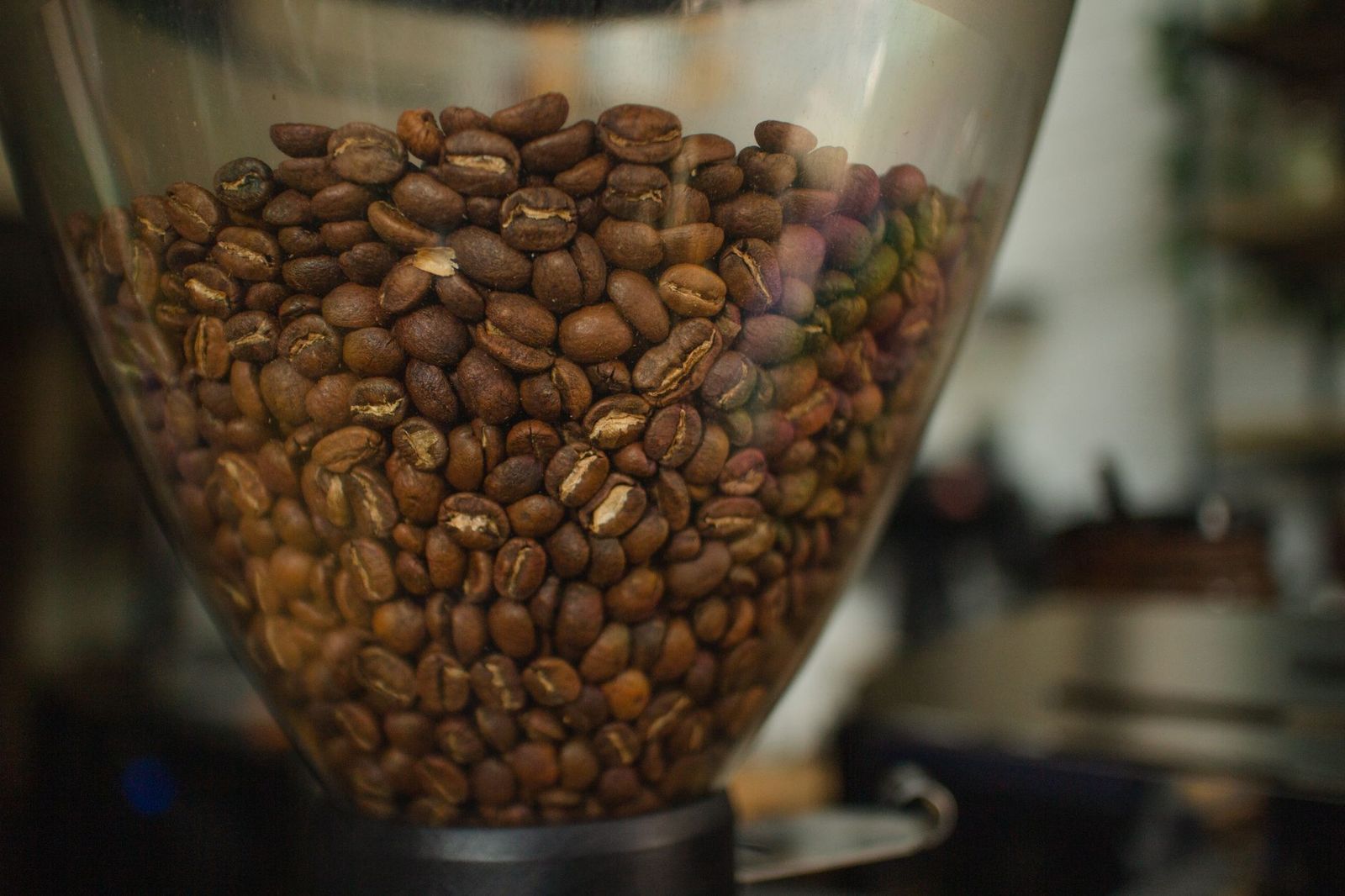
JURA makes bean-to-cup coffee machines for homes and offices. You fill a bean container and a water tank, choose a drink on the machine, and it grinds the beans, brews the coffee and dispenses it into your cup. Many JURA models also froth milk for cappuccinos and lattes, while some, such as the E4, ENA 4 and C3, focus on espresso and black coffee without a milk system.
JURA machines do not use pods or capsules; they work with whole beans, and some models also accept pre-ground coffee through a bypass. They are not drip coffee makers with a carafe, and they are not manual espresso machines with a portafilter. The range on Amazon US runs from compact models like the C3 and ENA 4 to large machines like the J8 twin, Z10 and GIGA 10, so features vary widely by model.
In short, a JURA sits in the same category as other fully automatic espresso machines from brands like De'Longhi and Philips. What you are buying is the convenience of fresh-ground espresso drinks without learning barista skills, along with the ongoing care that any bean-to-cup machine needs.
Key Terms and Scope
What the Term Includes
When people ask what JURA is, they usually mean the brand's automatic coffee machines and the care products that go with them. That includes the machine lines sold in the US, such as the C, E, ENA, S, J, W and Z series, plus JURA-branded consumables like CLARIS Smart filter cartridges, 3-Phase cleaning tablets and descaling tablets. JURA's own technology names, like the Pulse Extraction Process and the Professional Aroma Grinder, also come up often on listings.
Model codes matter within the brand. The same family name can cover several generations or regional versions, so a US listing usually shows a product number, such as 15648 for one E8 version or 15739 for the C9 in Piano Black. That code is the most reliable way to match a listing with the right manual and accessories.
What It Does Not Mean
JURA is not a type of coffee or a brewing method; it is a manufacturer. "Coffee machine" and "coffee maker" are often used as if they were different categories, but they describe overlapping appliances, and our guide to coffee machine vs coffee maker explains the labels. Likewise, "automatic" does not mean "self-cleaning": JURA machines run cleaning programs, but you still empty containers, add tablets and change filters.
How It Works in Practice
Coffee or Water Input
Every JURA starts with whole beans in a bean container and fresh water in a removable tank. Some models also take pre-ground coffee for an occasional decaf, such as the ENA 4, which lists optional pre-ground use. Water quality matters: JURA's CLARIS Smart filter cartridges fit many models and, according to JURA, help prevent scale and filter out substances that affect flavor. Check which filter your model uses, since the CLARIS Smart listing names specific compatible machines like the E8, E6 and Z8.
Milk models add a milk container or a milk pipe that draws from a carton or JURA's glass milk container. Black-coffee models skip this entirely.
Bean capacity also varies. The J8 twin, for example, has two 6.3 ounce bean containers, each with its own grinder, which lets you keep two different coffees ready. Most models have a single container, so switching beans means running through what is already in the grinder.
Brewing or Preparation Process
When you select a drink, the grinder measures and grinds fresh beans, the brewing unit compacts the grounds, and hot water is pushed through them. Many JURA listings name the Pulse Extraction Process as the brewing method, and higher models add features like the J8 twin's two grinders with Aroma Control, which monitors grind consistency. Used grounds drop into an internal container.
What remains for you is small: keep beans and water topped up, place a cup, empty the grounds container and drip tray when prompted, and add milk if you make milk drinks. There is no tamping, dosing or timing involved.
Grind adjustment is usually a dial or selector you change occasionally rather than every day. The E8 listing, for instance, describes a P.A.G.2 grinder with a setting adjusted by a selector switch, and a rest mode between preparations. Once set for your beans, it stays put until you change coffees.
Output and Controls
Drink menus vary by model. The E8, for example, lists up to 17 coffee options selected on a 3.5 inch color display, the J8 twin lists 31 options on a 6.7 inch touchscreen, and the C3 focuses on black coffee with a dual-cup function and an optional app connection. Common settings include strength, volume and, on milk models, the amount of milk or foam.
More options do not automatically mean better coffee. Choose a model whose drinks match what you actually make, and treat the menu count as a convenience measure rather than a quality score.
Cleanup and Ownership
JURA machines automate parts of cleaning but not all of it. Integrated rinsing and cleaning programs run when the machine asks, using JURA cleaning tablets; descaling uses JURA descaling tablets unless a compatible filter is in use and the manual says descaling can be skipped. Milk models need their milk system cleaned, and the E8, for instance, lists one-touch milk system cleaning.
Ongoing supplies typically include cleaning tablets, filters or descaling tablets, milk system cleaner on milk models, and beans. Following the manual's prompts and using the products it specifies keeps the machine running as designed.
Practical Examples
A Simple Household Scenario
A couple who each drink two cappuccinos a day choose a JURA with a milk system. Each morning, they check the bean container and water tank, place a cup, select a cappuccino and pour milk into the container or connect the milk pipe. After the last milk drink, the machine prompts a quick milk rinse, and every few days they empty the grounds container and drip tray.
Every so often the machine asks for a cleaning tablet, and filter changes follow the manual's schedule. Daily effort is a few minutes, far less than a manual espresso routine, but it is not zero.
If guests visit, the couple can make several drinks in a row without extra steps beyond refilling milk and water. What they cannot do is brew a large carafe, so for a crowd they make drinks one after another.
A Different Routine or Format
A household that mostly drinks large mugs of drip coffee, several at once, may not benefit from a JURA. These machines make drinks one or two at a time, so a family pouring six mugs before school may find a carafe brewer faster and cheaper. Likewise, someone who enjoys dialing in shots by hand may prefer a semi-automatic machine with a portafilter.
For black-coffee drinkers who never use milk, a compact model without a milk system, such as the ENA 4 or C3, avoids milk cleaning altogether. The right JURA, if any, depends on the drinks you make most.
Limits and Common Misunderstandings
The biggest misunderstanding is that a premium automatic machine needs no care. JURA machines automate brewing and parts of cleaning, but they still rely on you to empty containers, add tablets, change filters and keep milk parts clean. Skipping those steps affects any machine, whatever the brand.
A second misunderstanding is that a higher price or a longer drink list guarantees better coffee. Price often reflects build, display, milk features and convenience, not a measured taste advantage. Bean freshness, grind setting and water quality influence your cup at every price.
A third misunderstanding is that a JURA works like a pod machine. It does not use capsules at all, which means you choose any whole beans you like, but it also means you handle beans, grounds and cleaning that a capsule machine would hide inside a pod.
Finally, features are model-dependent. Milk systems, cold drinks, app connectivity and filter compatibility differ across JURA lines, so read the exact US model listing and code rather than assuming every JURA shares one specification sheet.
What This Means for Your Next Decision
Keep, Maintain, or Choose a Format
If you already own a JURA, the best way to keep it working well is to follow its prompts and use the cleaning tablets, filters and descaling products its manual specifies. If you are shopping, decide first whether you want milk drinks, how many drinks you make per day and how much counter space you have, then pick the JURA line, or another format, that matches.
If budget is tight, remember that other brands make fully automatic machines at lower prices, while JURA's lowest-priced models already sit above many entry-level options. Comparing a few models across brands with the same drinks and milk features is the fairest way to judge value.
Where to Learn More
To compare current models, see our guide to the best JURA coffee machine, which matches machines to different routines. If you are still deciding between bean-to-cup machines and other brewers, our roundup of the best coffee makers covers drip, pod and espresso options without pushing you toward one format.
Frequently Asked Questions
Does this apply to every model?
The basics do: every JURA in the current US range grinds whole beans and brews automatically. Milk systems, drink counts, displays, app features and filter compatibility differ by model, so check the exact model listing.
Which related term is commonly confused with it?
"Super-automatic" and "bean-to-cup" describe the same kind of machine JURA makes. They are categories, while JURA is one brand within them, alongside others such as De'Longhi and Philips.
What changes with my coffee or water setup?
Hard water means more frequent descaling unless a compatible filter is fitted, and oily or very dark beans can affect any grinder. Use fresh beans and follow the manual's water and filter guidance.
When do I need model-specific instructions?
For descaling, filter changes, milk cleaning and any error message, always use your model's manual. Settings and cleaning steps differ across JURA lines and generations.
Key Takeaway
What is JURA, in one line? A maker of fully automatic bean-to-cup coffee machines that grind, brew and often froth milk at a touch. The main exception to the "automatic" promise is care: you still handle containers, tablets, filters and milk parts. As a next step, list the drinks you make each day and compare models in our JURA buying guide before choosing.