What Is A Bean To Cup Coffee Machine: Practical Guide
Disclosure: We may earn a commission when you buy through links on this page, at no extra cost to you. As an Amazon Associate I earn from qualifying purchases. Learn more
What is a bean to cup coffee machine? A plain guide to how these grind-and-brew machines work, what they make and the upkeep they need.
What is a bean to cup coffee machine? It is an appliance that takes whole coffee beans, grinds them and brews the coffee in one machine, so you go from beans to a finished cup without a separate grinder or pods. The term most often describes fully automatic espresso machines that also froth milk, but some sellers use it for drip coffee makers with a built-in grinder too.
This guide explains what the label covers, how these machines work, what you still have to do yourself and when a different format makes more sense for your kitchen.
What Is A Bean To Cup Coffee Machine: The Direct Answer
A bean to cup coffee machine stores whole beans in a hopper, grinds a fresh dose for each drink, brews it and dispenses it into your cup. On fully automatic espresso models, it also handles milk for cappuccinos and lattes at the touch of a button. Examples sold in the US include machines from JURA, Philips, De'Longhi and Ninja's AutoBarista line.
The key exception is format. Some "grind and brew" drip coffee makers, such as the Cuisinart DGB-950BCC or Gevi grind-and-brew models, also start with beans and finish with coffee in a carafe, so they fit the literal meaning. They make drip coffee, not espresso, and they do not froth milk. When you see "bean to cup" on a listing, check which of the two you are looking at.
The appeal is freshness and convenience together. Coffee starts losing aroma soon after grinding, so grinding just before brewing is the main benefit, and doing it inside the machine removes a separate grinder from the counter and a step from your morning.
Key Terms and Scope
What the Term Includes
The term includes any machine with a built-in grinder that brews the freshly ground coffee without you moving it to another device. In practice, that means fully automatic espresso machines (also called super-automatic) and drip grind-and-brew machines. A machine like the De'Longhi Magnifica Duo even combines both ideas, listing espresso, drip coffee and cold brew technologies alongside a conical burr grinder.
Price ranges are wide. Drip grind-and-brew machines start well below most espresso models, while fully automatic espresso machines run from a few hundred dollars into several thousand. The category describes how the machine works, not its price or quality.
What It Does Not Mean
It does not mean pod or capsule machines, which use pre-packed coffee rather than beans. It also does not automatically include espresso machines with a grinder and a portafilter, like many semi-automatic models, because you still move and tamp the coffee yourself. "Coffee machine" and "coffee maker" are not separate categories either; our guide to coffee machine vs coffee maker explains those labels. And "automatic" does not mean self-cleaning.
How It Works in Practice
Coffee or Water Input
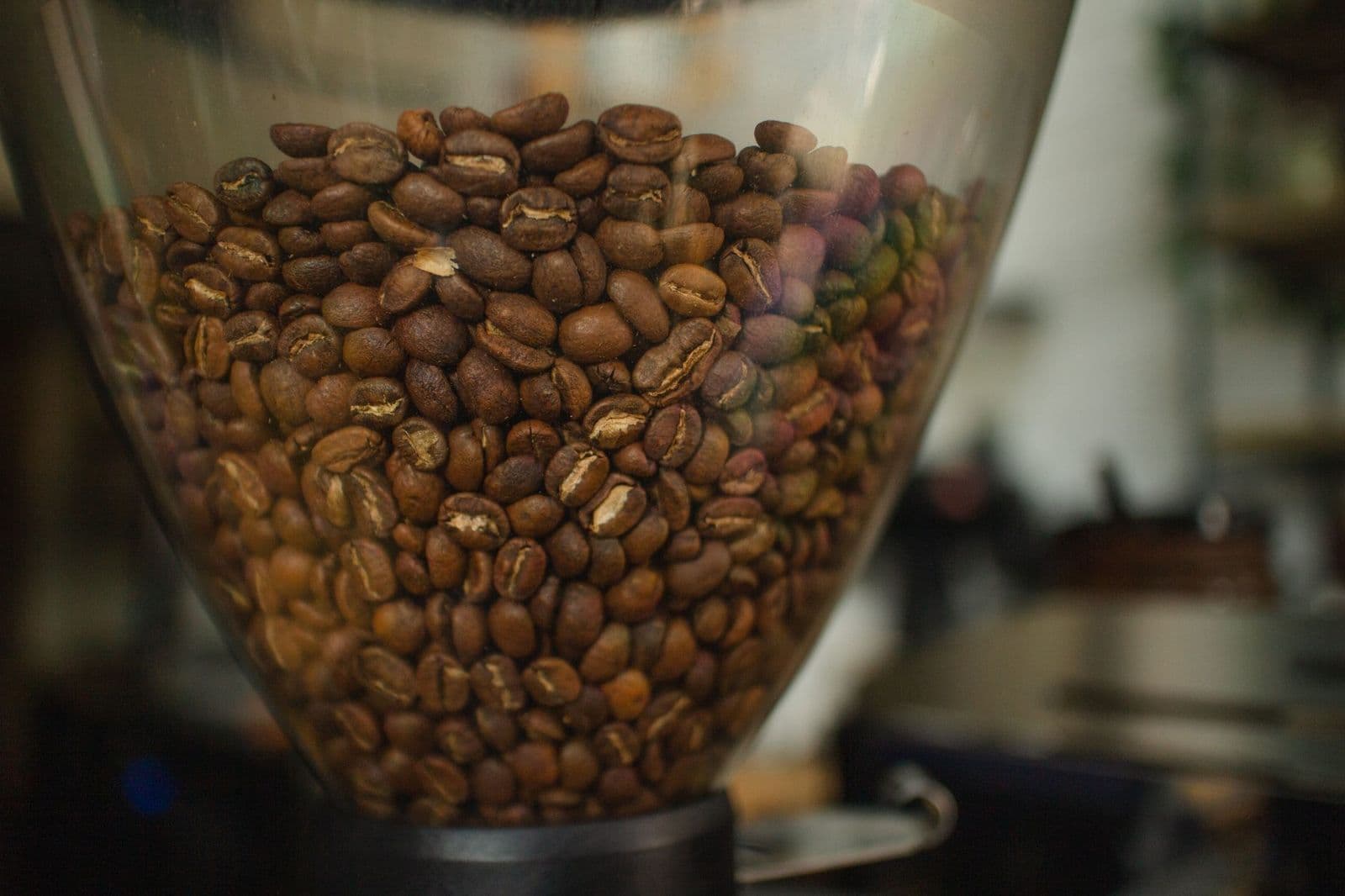
You fill a bean hopper and a water tank. Most bean to cup machines take whole beans only, and many also offer a pre-ground option or bypass for an occasional decaf; check your model. Water tanks are usually removable, and many espresso models accept a water filter, such as Philips AquaClean, which Philips says can delay descaling for up to 5,000 cups when changed as prompted.
Milk models add a milk container, a milk carafe or a steam wand. Drip grind-and-brew models skip milk entirely and use a filter basket with paper or a permanent filter.
Bean hoppers usually have a lid or seal to keep beans fresher, but they are not airtight storage for weeks of coffee. Filling the hopper with what you will use in a few days, and keeping the rest of the bag sealed, keeps flavor more consistent.
Brewing or Preparation Process
On a fully automatic espresso model, the grinder doses fresh grounds into an internal brewing unit, which compacts them, and a pump pushes hot water through for espresso or longer coffees. Milk drinks add frothed milk from the machine's milk system. On a drip grind-and-brew model, the grinder drops grounds into a filter basket and hot water drips through into a carafe, often on a timer.
In both cases, your job is to keep beans and water topped up, choose a drink or batch size, and empty the used grounds or filter. You do not dose, tamp or time anything.
Grind size is usually set once and adjusted occasionally. Many espresso models offer a dial or menu setting for grind, and some, like Ninja's AutoBarista, select the grind automatically from 50 settings. Drip models offer fewer steps, since drip coffee needs a narrower grind range than espresso.
Output and Controls
Espresso-based bean to cup machines make espresso, coffee-style longer drinks and, on milk models, cappuccinos and lattes. Common controls include strength, volume and grind setting; the Philips 1200, for example, adjusts strength and quantity across three settings, while larger machines list many more recipes. Drip grind-and-brew models offer cup amount and strength, and some, like the Gevi grind-and-brew machines, add grind settings.
A longer menu is a convenience, not proof of better coffee. Choose by the drinks you make, then by the controls that matter to you.
Serving size is another practical control. Espresso-based machines make one or two drinks at a time, often with adjustable volume, while drip grind-and-brew machines make anything from a few cups to a full carafe, which suits larger households.
Cleanup and Ownership
Bean to cup machines automate brewing, not all maintenance. Espresso models need the grounds container and drip tray emptied, the milk system cleaned after use, and periodic cleaning and descaling with products the manual approves; many have a removable brew group to rinse. Drip grind-and-brew models need the filter basket and grinder chute brushed out regularly.
Plan for ongoing supplies: beans, water filters where used, descaler, cleaning tablets on many espresso models and, for milk models, milk system cleaner.
Practical Examples
A Simple Household Scenario
A household of two drinks lattes in the morning and an espresso after lunch. A fully automatic bean to cup machine with a milk system fits: each person chooses a drink, the machine grinds and brews, and the milk system froths milk directly into the cup. Every day or two they empty the grounds container, and after milk drinks they run a rinse or wash the milk parts.
Once a week they check the brew group or run a cleaning cycle as the manual directs, and they descale when prompted. Total daily effort is a few minutes, and nobody needs barista skills.
When they buy a new bag of beans, they may adjust the grind setting once and leave it. Over a month, the main purchases are beans, milk and occasional cleaning supplies, with water filter changes on the schedule the machine shows.
A Different Routine or Format
A family that drinks a full pot of drip coffee every morning has different needs. A fully automatic espresso machine makes one or two drinks at a time, which is slow for six mugs. A drip grind-and-brew machine, which grinds beans and brews a carafe on a timer, fits that routine better and costs less.
Someone who drinks one capsule coffee a day and dislikes cleanup may prefer a pod machine instead. Bean to cup makes the most sense when you want fresh-ground coffee and are happy to handle beans and basic care.
Limits and Common Misunderstandings
The most common misunderstanding is that bean to cup means espresso. It often does, but grind-and-brew drip machines also qualify, and they make a very different drink. Check whether a listing mentions espresso, a pump and a milk system, or a carafe and a filter basket.
People also assume a built-in grinder means the machine does everything. Semi-automatic espresso machines with grinders, such as many Breville models, still ask you to tamp and lock in a portafilter, so they are not bean to cup in the hands-free sense, even though they start with beans.
Another misunderstanding is that more automation, higher pump pressure numbers or longer drink lists mean better coffee. Those figures describe convenience and design, not measured taste. Fresh beans, the right grind and clean water matter at every price.
Finally, features depend on the model. Milk systems, cold drinks, pre-ground bypasses and filter compatibility vary, so read the exact US listing and manual rather than assuming every bean to cup machine works the same way.
What This Means for Your Next Decision
Keep, Maintain, or Choose a Format
If you own a bean to cup machine, follow its cleaning prompts, use the approved descaler and keep the grinder free of oily residue by using fresh beans. If you are choosing one, decide first between espresso-based drinks and drip coffee by the carafe, then between automatic milk and no milk, and only then compare brands and menus.
Count your daily drinks and the people who will use the machine. A single espresso drinker can choose a compact model with a short menu, while a household with several milk drinkers benefits from a machine with an easy-to-clean milk system and a larger water tank.
Where to Learn More
Our roundup of the best coffee makers compares drip, pod, grind-and-brew and espresso machines by routine, so you can see where a bean to cup machine fits among the options without being pushed toward one format.
If you are still unsure, think about the last coffee you bought outside the home. If it was a latte or cappuccino, an espresso-based bean to cup machine is the closer match. If it was a large drip coffee, a grind-and-brew drip machine will feel more familiar and cost less to run.
Frequently Asked Questions
Does this apply to every model?
The core idea does: beans go in, coffee comes out, with grinding built in. Drink types, milk features, grind settings and cleaning steps differ by model, so check the exact listing and manual.
Which related term is commonly confused with it?
"Super-automatic" or "fully automatic" espresso machine is the closest term. Every super-automatic is bean to cup, but not every bean to cup machine is a super-automatic, since grind-and-brew drip machines also qualify.
What changes with my coffee or water setup?
Very oily or flavored beans can clog some grinders, and hard water means more frequent descaling unless a compatible filter is used. Fresh, plain beans and filtered or soft water make maintenance easier.
When do I need model-specific instructions?
Always for descaling, brew group cleaning, milk system care, grinder adjustment and error messages. These steps differ between brands and models.
Key Takeaway
So, what is a bean to cup coffee machine? Any machine that grinds whole beans and brews them in one appliance, most often a fully automatic espresso machine with milk, sometimes a grind-and-brew drip maker. The main exception is format, espresso or carafe, so check that first. Next step: list your daily drinks, then compare machines in that format.