What Is A Super Automatic Espresso Machine: Practical Guide
Disclosure: We may earn a commission when you buy through links on this page, at no extra cost to you. As an Amazon Associate I earn from qualifying purchases. Learn more
What is a super automatic espresso machine? How these one-touch machines grind, brew and froth, what they still need from you and who they suit.
What is a super automatic espresso machine? It is an espresso machine that grinds the beans, doses and tamps the coffee, brews the shot and, on most models, froths the milk, all inside the machine at the touch of a button. You never handle a portafilter. This guide explains how that differs from semi-automatic and manual machines, what a super-automatic still asks of you and when it is the right fit.
It also corrects a few common assumptions, such as the idea that a higher price, a higher pressure number or a longer drink menu guarantees a better cup.
What Is A Super Automatic Espresso Machine: The Direct Answer
A super automatic espresso machine handles every brewing step internally: grinding, dosing, tamping, extraction and, on milk models, frothing. You choose a drink on a panel or screen, and the machine delivers espresso, a longer coffee or a milk drink into your cup. Examples sold in the US include the Philips 4400 Series with its LatteGo milk system, the De'Longhi Rivelia, the Ninja AutoBarista and JURA's E and J lines.
The main exceptions are milk and format. Some super-automatics, like the Philips 1200 with a classic steam frother, still ask you to froth milk by hand, and some JURA models make black coffee only. None of them use pods, and none brew a full carafe of drip coffee the way a drip maker does.
Put simply, a super-automatic trades control for convenience. It suits people who want consistent espresso drinks with no learning curve, and it asks for regular care in return. Prices on Amazon US run from a few hundred dollars for entry models to several thousand for large premium machines.
Key Terms and Scope
What the Term Includes
"Super-automatic" and "fully automatic" mean the same thing: an espresso machine with a built-in grinder and an internal brew unit that runs the whole shot by itself. These machines are a type of bean to cup machine. The term covers compact entry models and large premium models alike; what they share is the workflow, not the price or menu size.
Within the category, the biggest practical difference is the milk system. Automatic milk carafes or two-part systems like LatteGo make milk drinks at a touch, while classic steam frothers on entry models ask you to froth by hand. Black-coffee models skip milk altogether, which keeps cleaning simplest.
What It Does Not Mean
It does not mean a semi-automatic machine with a built-in grinder, like many Breville models, where you still lock in and tamp a portafilter. It does not mean a capsule machine either. "Automatic" also does not mean self-cleaning: super-automatics run rinse and cleaning programs, but you still empty, refill and clean parts. And "coffee machine" versus "coffee maker" is not a real technical split; our guide to coffee machine vs coffee maker explains those labels.
How It Works in Practice
Coffee or Water Input
You load whole beans into a hopper and fill a removable water tank. Many super-automatics also accept pre-ground coffee through a bypass for decaf, but check the model. Water filters are common: Philips machines use AquaClean filters, which Philips says can delay descaling for up to 5,000 cups when replaced on prompt, and JURA uses CLARIS Smart cartridges on compatible models.
For milk drinks, you fill a milk carafe or container, attach a milk system such as Philips LatteGo, or use a steam wand on models that have one. The De'Longhi Rivelia lists two LatteCrema systems, one for hot milk and one for cold foam.
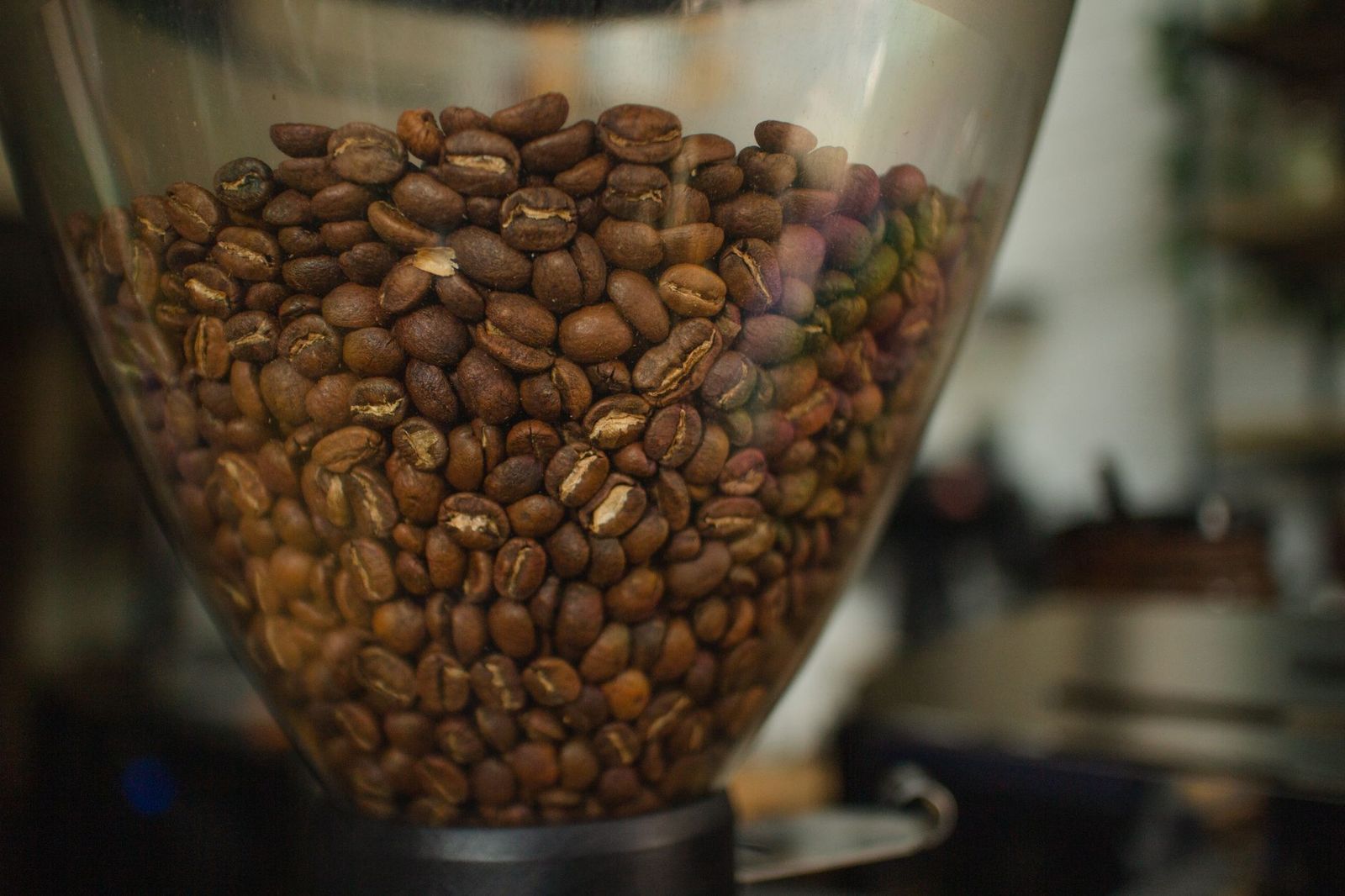
Bean hoppers have lids to protect the coffee, but they are not long-term storage. Adding only a few days' worth of beans at a time, and keeping the rest sealed, helps keep flavor consistent from one week to the next.
Brewing or Preparation Process
When you press a button, the grinder doses fresh grounds into the brew unit, which compacts them. A pump then pushes hot water through the puck, and the used grounds drop into an internal container. Some machines adjust grind automatically: the Ninja AutoBarista's Grind iQ selects from 50 grind settings, while others, like the Rivelia with 13 grind settings, let you choose.
Your remaining steps are small: keep beans, water and milk stocked, place a cup, and empty the grounds container and drip tray when prompted. No dosing, tamping or shot timing is involved.
Strength is usually controlled by the dose of beans the machine grinds and the volume of water it pushes through, both set from the panel. Some models also let you adjust brewing temperature. Once you find settings you like, the machine repeats them every time, which is the main appeal for busy households.
Output and Controls
Super-automatics make espresso, longer coffees and, on milk models, cappuccinos, lattes and similar drinks. Menus range from 2 coffee varieties on the Philips 1200 to 12 hot and iced coffees on the Philips 4400 and 50+ recipes on the Rivelia. Common controls include strength, volume, temperature and milk amount, and some models save user profiles.
Iced drinks and cold brew vary by model. The Philips 4400 lists iced coffees, while the De'Longhi Magnifica Duo and Rivelia list cold brew made with Cold Extraction Technology. Treat menu size as convenience, not as a measure of quality.
Cup height and capacity matter in daily use. Most super-automatics have an adjustable spout for different cups, but tall travel mugs may not fit under every model, so check the listing or manual if you fill a large tumbler each morning.
Cleanup and Ownership
Automation covers brewing, not all care. You empty the grounds container and drip tray, clean the milk system after use (Philips says its two-part LatteGo rinses in under 10 seconds), run cleaning cycles, and descale or change filters as the machine prompts. Many models have a removable brew group to rinse; others, such as JURA, rely on cleaning tablets.
Typical supplies are beans, milk, water filters, descaler or descaling tablets, and cleaning tablets or milk system cleaner, depending on the brand.
Expect a short routine after milk drinks and a longer one every week or two. Neither is difficult, and the machine's prompts tell you when each task is due, but building them into your habits keeps the coffee tasting fresh and the machine running as designed.
Practical Examples
A Simple Household Scenario
Two adults each want a latte before work and an espresso in the afternoon. A super-automatic with an automatic milk system suits them: each selects a latte, the machine grinds, brews and adds frothed milk, and they rinse the milk system afterward. The grounds container gets emptied every day or two, and a cleaning cycle runs when prompted.
Their total daily effort is a few minutes, and neither needs to learn tamping or milk steaming. The trade is ongoing care and supplies, and less control over each shot than a manual machine would give.
On weekends, when guests visit, the same machine makes a run of drinks one after another. They refill milk and water between rounds, and the machine handles the rest, though a large group still waits a little for each cup.
A Different Routine or Format
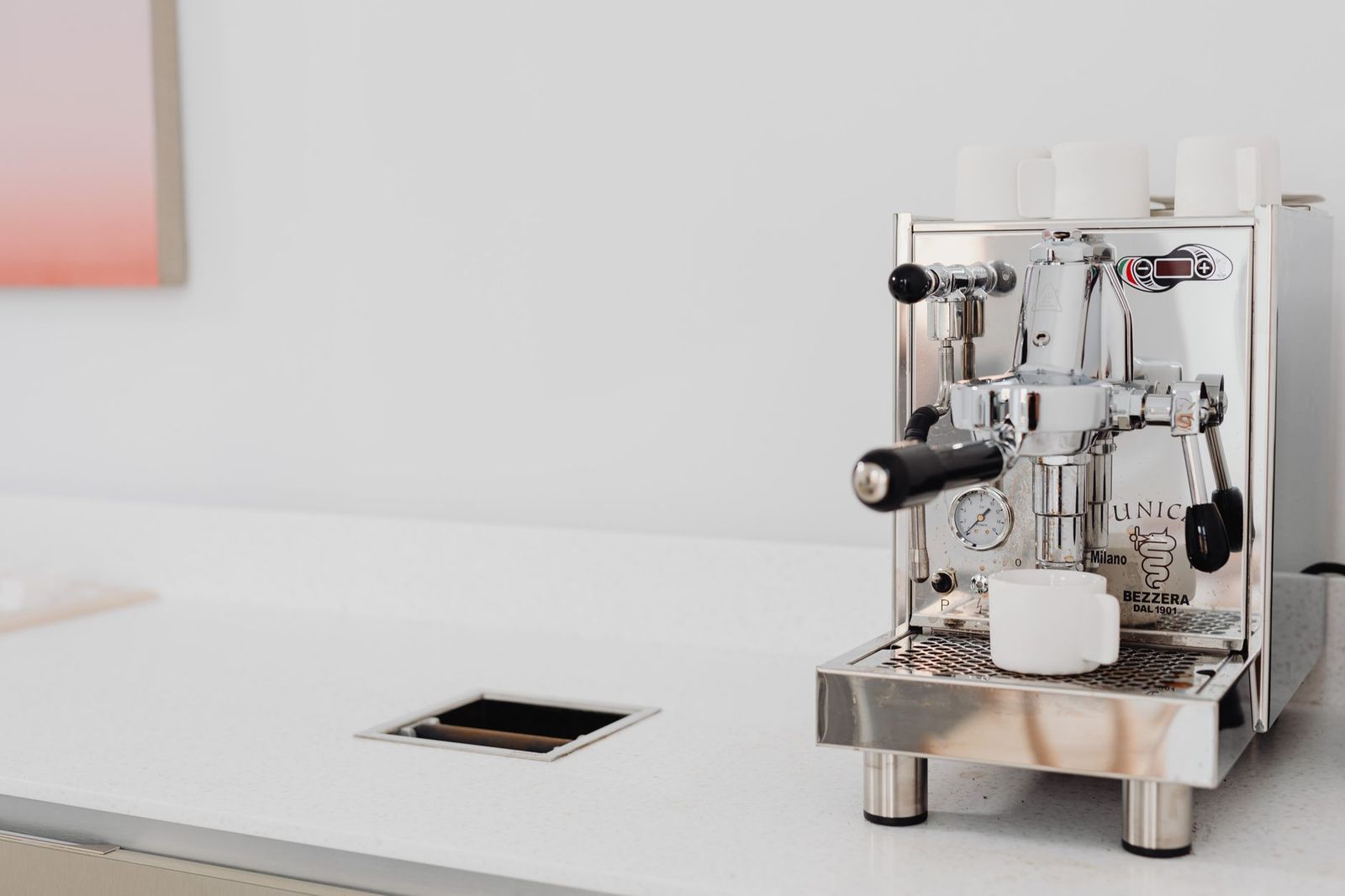
Someone who wants to learn espresso as a craft, adjust each shot and pour latte art may find a super-automatic limiting. A semi-automatic machine with a portafilter, or a manual lever espresso maker, gives that control in exchange for more effort.
A family that drinks a pot of drip coffee each morning is also a poor fit, because super-automatics make one or two drinks at a time. A drip coffee maker, or a drip grind-and-brew machine for fresh beans, serves that routine faster and for less money.
Limits and Common Misunderstandings
The biggest misunderstanding is that a super-automatic is maintenance free. It automates brewing, but you still handle grounds, milk parts, cleaning cycles, filters and descaling. Skipping those steps affects any machine, whatever its price.
Another is that higher pump pressure, more recipes or a higher price mean better espresso. Pressure ratings and menu counts describe the machine, not the taste in your cup, and price often reflects displays, milk systems and build rather than a measured flavor advantage. Bean freshness, grind and water quality matter at every level.
Finally, features are model-dependent. Automatic milk, cold drinks, app control and filter compatibility vary widely, so check the exact US model listing and code before assuming a feature.
One more misunderstanding is that every super-automatic makes the same style of coffee. Some focus on espresso and black coffee, some add drip-style coffee or cold brew, and some focus on milk drinks. Read the drink list with your own habits in mind.
What This Means for Your Next Decision
Keep, Maintain, or Choose a Format
If you own a super-automatic, follow its prompts, clean the milk system after every milk drink and use the descaler and filters the manual specifies. If you are choosing, start with your drinks: black coffee only, occasional milk, or daily milk drinks. That decides whether you need an automatic milk system, a manual steam wand or no milk at all, before you compare brands.
Also consider who will use it. A machine shared by several people benefits from saved profiles or a simple menu, while a single user may value finer controls. Counter depth, height under cabinets and access to the water tank all affect how easy the machine is to live with.
Where to Learn More
To compare machines across drip, pod, grind-and-brew and espresso formats, see our roundup of the best coffee makers. It sorts options by routine, so you can confirm whether a super-automatic is the right format before looking at specific models.
Frequently Asked Questions
Does this apply to every model?
The core workflow does: grinding, dosing, tamping and brewing happen inside the machine. Milk systems, drink menus, cold drink options and cleaning methods differ by brand and model, so check the exact listing.
Which related term is commonly confused with it?
"Semi-automatic" is the most common mix-up. A semi-automatic uses a portafilter that you fill and tamp, even if it has a built-in grinder, while a super-automatic does all of that internally.
What changes with my coffee or water setup?
Very oily beans can affect some grinders, and hard water increases descaling unless you use a compatible filter. Fresh, plain beans and filtered water make ownership easier.
When do I need model-specific instructions?
For brew group cleaning, milk system care, descaling, filter changes and error messages, always follow your model's manual, since steps differ between brands.
Key Takeaway
What is a super automatic espresso machine? One that grinds, doses, tamps, brews and usually froths milk internally at a button press. The main exception is that some models still need manual milk frothing, and every model needs regular care. Next step: decide how you take your coffee, then compare models with the milk system that fits.