
Best Automatic Coffee Machine For Home: Buying Guide
Disclosure: We may earn a commission when you buy through links on this page, at no extra cost to you. As an Amazon Associate I earn from qualifying purchases. Learn more

The best automatic coffee machine for home grinds and brews for you: bean to cup espresso picks plus a timed grind and brew drip option.
The best automatic coffee machine for home takes the most work out of the coffee you actually drink every day. For some households that means whole beans ground and brewed into a cappuccino at one touch; for others it means a pot of drip coffee that grinds and starts itself before the alarm goes off. This guide covers both kinds of automation, with five machines sold new on Amazon US and clear notes on what each one still leaves for you to do.
If you already know whether you want espresso drinks or a full carafe, jump to the quick picks. If you are unsure, the buying section explains what "automatic" really covers, so you can match the machine to your mornings instead of to a long feature list.



Quick Picks for Automatic Coffee Machine For Home
Each pick answers a different version of the same question: which jobs should the machine handle so you don't have to? Read them as roles rather than a strict ranking.
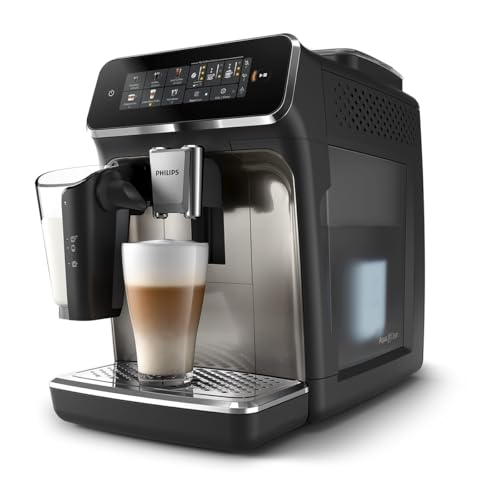
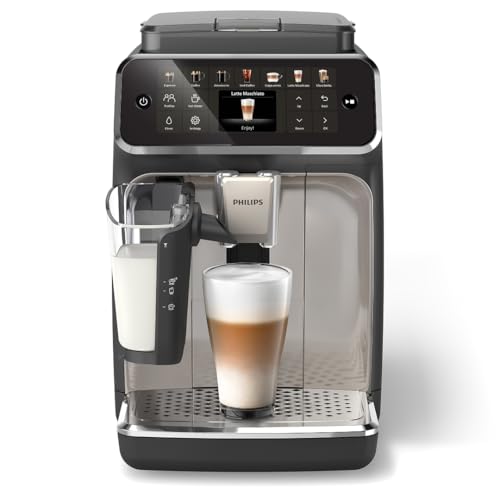
- Philips 3300 Series LatteGo (EP3347/90): the best fit for most homes that want espresso, coffee, iced coffee and milk drinks from fresh beans with a two part milk system that rinses clean quickly.
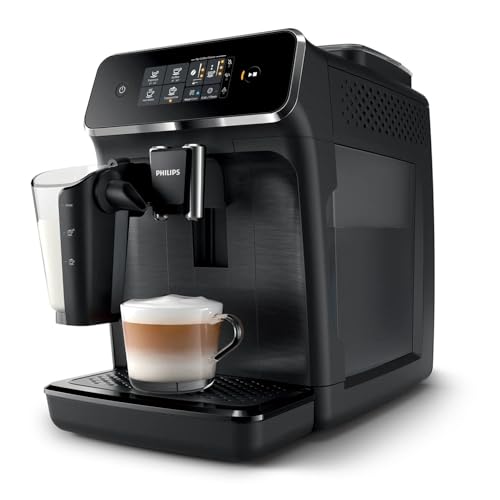
- Philips 2200 Series LatteGo (EP2230/14): the value route into bean to cup automation, with espresso, coffee and cappuccino presets and the same easy milk carafe idea.
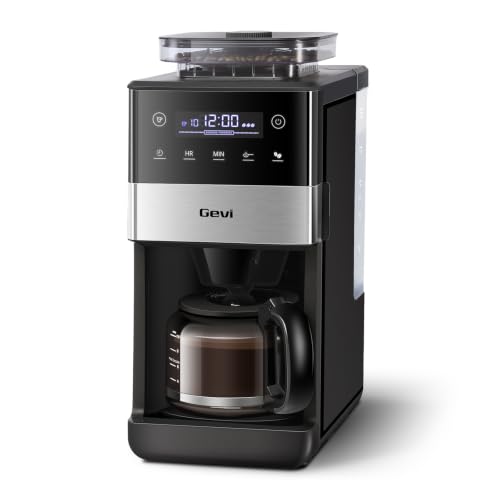
- Gevi 10-Cup Grind and Brew: the simplest workflow if you drink drip coffee by the pot and want beans ground and brewed on a timer.
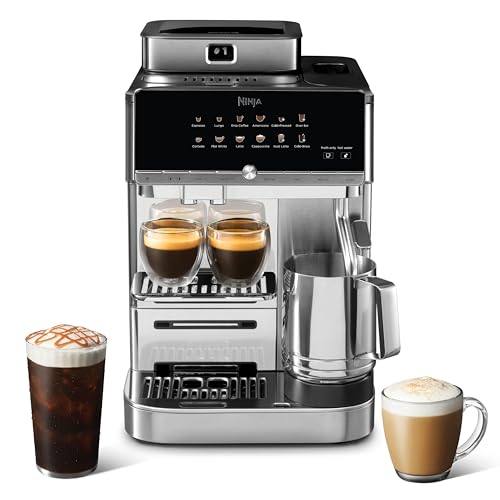
- Ninja AutoBarista Pro (AE1051): the alternative routine pick for homes that switch between hot drinks, iced drinks and cold brew style coffee.
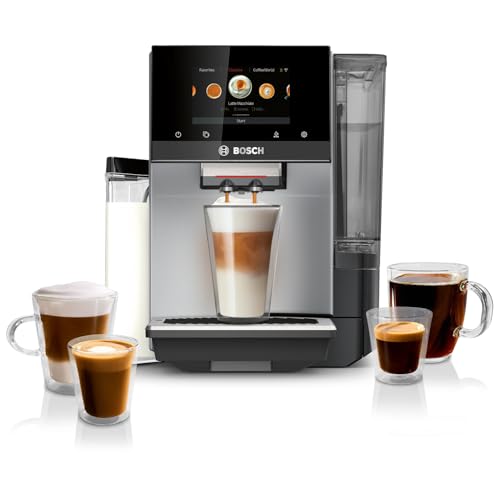
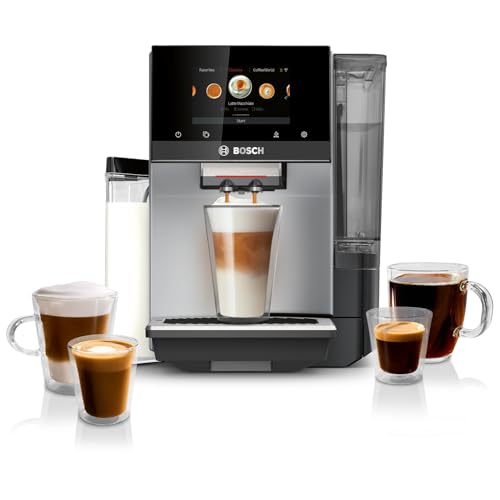
- Bosch 800 Series (TQU60307): the choice for added control, with deep drink personalization, app brewing and a combined clean and descale program.
The main trade-off is price against menu size. More drinks and more automation cost more, and they also add parts to rinse, so pick the smallest menu that covers your household.
Compare the Qualifying Options
Prices are rounded and change often; the live price sits in the product table at the top of this page. "Cups" on drip machines are manufacturer cups, which are smaller than a typical mug.
| Model | Role | Coffee format | What is automated | Defining feature | Main limitation | Price |
|---|---|---|---|---|---|---|
| Philips 3300 LatteGo EP3347/90 | Main pick | Whole beans | Grind, tamp, brew, froth milk | Six drinks incl. iced coffee | No large carafe batches | Around $550 |
| Philips 2200 LatteGo EP2230/14 | Value | Whole beans | Grind, tamp, brew, froth milk | Three simple presets | No iced or latte macchiato preset | Around $400 |
| Gevi 10-Cup Grind and Brew | Simple workflow | Beans or ground coffee | Grind and brew on a 24 hour timer | 2 to 10 cup grind amount | Glass carafe on a warming plate | Around $190 |
| Ninja AutoBarista Pro AE1051 | Alternate routine | Whole beans | Grind, brew, hot or iced froth | 13 drinks, 50 grind settings | Costs about double the main pick | Around $1,000 |
| Bosch 800 Series TQU60307 | Added control | Whole beans | Grind, brew, milk, clean cycles | App with 35+ drinks | Highest price here | Around $1,500 |
None of the espresso machines here need a separate grinder or tamper. The Gevi needs paper or permanent filter handling like any drip brewer, and every bean to cup machine benefits from the water filter its maker sells as an optional or included part.
How We Selected the Shortlist
To narrow down the best automatic coffee machine for home buyers, we started by deciding what counts as automatic. A machine qualified only if it handles the grinding and brewing itself, either as a bean to cup espresso machine or as a drip brewer with a built-in grinder and a timer. Pod machines and manual espresso machines with a portafilter were left out, since they still depend on you for a key step.
Next, we checked current Amazon US listings for exact model codes, package contents and the features each listing documents, and set aside renewed units and foreign versions. Buyer feedback was read in aggregate to spot recurring praise and complaints about cleaning, reliability and noise. We weighed three things for every model: what is automated, how well it fits a household routine, and which coffee format and serving size it handles. This is a research based shortlist built from specifications, listings and owner feedback; no brewing trials of our own were done, so there are no invented taste scores or timings below.
Recommended Options
Philips 3300 Series LatteGo: Best fit for the main use case
The Philips 3300 Series (EP3347/90) earns the main spot because it automates nearly every step of a café style drink. You fill the bean hopper and water tank, choose a drink on the touch display, and the machine grinds with its ceramic grinder, brews, and froths milk through the LatteGo carafe. The menu covers espresso, coffee, iced coffee, cappuccino, latte macchiato and hot water.
Two features matter in daily use. LatteGo is a two part milk system with no tubes, so cleanup after a cappuccino is a quick rinse rather than a tube flush. The My Coffee Choice setting adjusts strength, length and froth level, which helps when two people like their drinks differently. SilentBrew is also a plus in open plan kitchens early in the morning.
The limitation is volume: it makes drinks one at a time, so it suits smaller households better than a crowd that wants a carafe at once. The AquaClean filter means you can go up to 5,000 cups without descaling when you swap it on the machine's prompt, but those filters are a recurring cost. Skip it if you mostly drink large mugs of plain drip coffee.

Philips 2200 Series LatteGo: Best value within the stated scope
The Philips 2200 Series LatteGo (EP2230/14) gives you the same core idea for less money. It grinds whole beans, brews espresso or coffee, and makes cappuccino at the touch of a button, using a LatteGo milk carafe instead of a manual steam wand. For many homes, that trio covers almost every drink people order at a café.
The My Coffee Choice menu lets you adjust strength and quantity with three settings each, and the listing describes the Aroma Extract system as holding brewing water between 90 and 98°C (about 194 to 208°F). Like the 3300, it accepts the AquaClean filter, which reduces descaling when you change the filter on prompt.
The trade-off is the shorter menu. There is no iced coffee preset, no latte macchiato button and no hot water option listed, so anyone who wants variety will hit the ceiling quickly. Skip it if more than one person in the house drinks iced or layered milk drinks every day; the 3300 is the better long term buy in that case. For a couple who drink espresso, coffee and cappuccino, it is the most sensible starting point.

Gevi 10-Cup Grind and Brew: Best for a simpler workflow
Not every automatic home machine needs to make espresso. The Gevi 10-Cup Grind and Brew automates the drip routine instead: load beans the night before, set the 24 hour timer, and the machine grinds and brews on schedule so a pot is waiting in the morning. That is automation in the most literal sense for households that drink plain coffee.
The touch panel sets the grind amount for 2, 4, 6, 8 or 10 cups, three strength levels and the keep warm time (0, 30, 60 or 90 minutes). If you run out of beans, you can switch off the grinder and use pre-ground coffee. The listing gives the size as about 10.7 inches deep, 7.9 inches wide and 17.8 inches tall, with a 1.5 liter water tank and a permanent filter.
The limitation is the glass carafe on a warming plate, which keeps coffee hot but not as fresh as a thermal carafe over a long morning. You also still empty grounds and rinse the filter after each pot. Skip it if you want lattes or espresso, or if your cabinets leave less than about 18 inches of clearance. Remember that ten manufacturer cups fill roughly five or six regular mugs.

Ninja AutoBarista Pro: Best for an alternative serving routine
The Ninja AutoBarista Pro (AE1051) is for homes where the drink changes with the season or the person. The listing lists 13 drink options covering espresso, coffee, cold brew style drinks and frothed milk drinks, and the frothing system handles hot or iced milk, dairy or plant-based. If one person wants a hot cappuccino and another wants an iced latte, it covers both from the same bean hopper.
Its Grind iQ system picks from 50 grind settings automatically, which removes the dialing in that usually comes with espresso. Cleanup leans on auto-rinse, removable parts and an interior drying fan, which helps if you tend to leave a machine sitting overnight between uses.
The concrete limitation is cost: at around $1,000 it is nearly double the Philips 3300, and a 13 drink menu adds more settings to learn than many people use. Skip it if your household drinks only hot coffee and the occasional cappuccino. For iced drink fans, though, an automatic machine that treats cold drinks as a main feature rather than an afterthought is worth the premium.

Bosch 800 Series: Best for added control or convenience
The Bosch 800 Series fully automatic machine (VeroCafe TQU60307) suits people who want automation and fine control at the same time. The large touchscreen lets you adjust strength, size, milk ratio and aroma for each drink, and the Home Connect app adds remote brewing plus access to more than 35 beverages. You can start a drink from the couch or set up profiles that match each person's order.
Maintenance is where it saves time. Bosch combines cleaning and descaling into one program, Calc'n Clean, with step-by-step guidance on the display. The box includes an integrated milk container and milk adapter, a Mavea water filter with an insertion aid, a microfiber cloth and a water hardness strip, so you can set the machine up correctly from day one.
The limitation is obvious: at around $1,500 it is the most expensive machine here, and the app features only pay off if you are happy to connect it to your home Wi-Fi. Skip it if you want a machine that just works from the front panel with no account or setup. For a household that drinks several milk drinks a day and likes to tweak them, the extra control is the reason to choose it.
What to Look for Before Buying
What Is Automated?
"Automatic" covers three different machines in US stores. A programmable drip brewer starts on a timer but needs ground coffee and a filter. A grind and brew drip machine adds a grinder, so whole beans go in the night before.
A pod machine automates the measuring but locks you into capsules. A bean to cup espresso machine, often sold as a fully automatic or super automatic machine, grinds, doses, tamps and brews, and many models froth milk too.
Decide on the coffee format first, because these categories don't compete on equal terms. A bean to cup machine makes concentrated espresso and stretches it into larger drinks, while a drip brewer makes a full pot of filter coffee. Comparing their output as if they were the same drink leads to disappointment either way.
Then count the tasks that remain. Bean to cup machines still need beans topped up, a water tank refilled, a drip tray and grounds container emptied, and milk parts rinsed after use. Drip machines need filters, grounds disposal and carafe washing. The best automatic machine is the one whose leftover chores you will actually do.
Fit for Your Household Routine
Start with people and timing. If everyone leaves at the same time and drinks plain coffee, a timed grind and brew pot serves them all at once. If people wake at different hours and order different drinks, a bean to cup machine making one drink at a time fits better, since nothing sits on a warming plate.
Measure your space before you shop. Espresso machines with bean hoppers need clearance above for refilling beans and room in front to slide out the water tank or drip tray. Tall drip brewers need cabinet clearance for filling the reservoir. Plan for a nearby outlet and an easy path to the sink, because you will be refilling water daily.
Finally, choose the drinks you actually make, not the largest menu. A machine with three well chosen presets that match your routine will feel faster than one with dozens of buttons you scroll past each morning. Extra recipes are nice, but they do not change how good your everyday cup is.
Coffee Format and Serving Needs
List what your household uses now: pods, pre-ground coffee, whole beans, or a manual setup like a pour over. If you already buy whole beans, a bean to cup or grind and brew machine keeps that habit. If you only buy pre-ground coffee, a grind and brew model with a grinder off switch gives you the option to try beans later.
Match cup size and volume next. Manufacturer cups on drip machines are usually about 5 fl oz, so a 10 cup pot fills roughly five or six standard mugs. Bean to cup machines usually make one or two drinks per cycle, with adjustable length, so a household that refills travel mugs many times a day may prefer a carafe brewer.
Keep the flavor expectations separate. Espresso from a fully automatic machine is a short, concentrated shot that becomes a cappuccino, latte or long coffee. Drip coffee is lighter in body and made in volume. Neither is better; they answer different needs, and some homes end up with one of each.
Which Option Fits Your Routine?
Your Must-Have Function
If milk drinks are non-negotiable, choose a bean to cup machine with an automatic milk system, such as either Philips. If a full pot at wake-up matters most, the Gevi grind and brew is the right kind of automation. Iced drink fans should look first at the Ninja.
Your Preparation and Cleanup Tolerance
Pay only for convenience you will use. A two part milk carafe saves real time daily, while an app matters less if you are always at the machine. If you dislike rinsing milk parts, stick to black coffee presets or a drip brewer.
Your Complete Budget
Add recurring costs to the sticker price: water filters, descaler or cleaning tablets, milk cleaning products for espresso machines, and paper filters for drip models. Whole beans cost about the same either way, but filters and care supplies add up over a year.
Frequently Asked Questions
Which features matter most for this use case?
The features that matter most are the ones that remove a step you do every day. For espresso drinkers that means a built-in grinder and an automatic milk system that is easy to rinse. For drip drinkers it means a built-in grinder plus a reliable timer, so the pot is ready without any morning prep.
How do I choose the correct serving capacity?
Choose capacity by counting mugs, not manufacturer cups. A 10 cup drip pot gives roughly five or six regular mugs at once, while a bean to cup machine makes one or two drinks per cycle. Larger water tanks and bean hoppers mean fewer refills, which matters more in busy homes than the brewing speed.
What extra equipment will I need?
Most automatic machines need little extra beyond beans and water. Bean to cup models benefit from the maker's water filter and cleaning or descaling products, and you will want a small milk jug for the fridge. Grind and brew drip machines need filters if no permanent filter is included, and a thermal mug helps if the carafe sits on a plate.
How much daily cleaning should I expect?
Expect a few minutes a day. Empty the grounds container and drip tray, rinse milk parts after each milk drink and wipe the steam or milk outlet. Drip brewers need the filter basket and carafe washed. Follow your manual for deeper cleaning and descaling intervals, which depend on your water and how often you brew.
Final Verdict
For most households, the best automatic coffee machine for home is the Philips 3300 Series LatteGo, because it automates espresso, coffee and milk drinks while keeping cleanup simple. If you mainly drink plain coffee by the pot, the Gevi 10-Cup Grind and Brew delivers real automation for far less. Decide which drinks you make every day, then pick the machine that handles them with the fewest leftover chores. For broader options, compare our guide to the best coffee makers or our picks for the best coffee maker for home before you buy.


