
Best Breville Espresso Machine Under $500: Buying Guide
Disclosure: We may earn a commission when you buy through links on this page, at no extra cost to you. As an Amazon Associate I earn from qualifying purchases. Learn more

The best Breville espresso machine under $500 for your routine: Barista Express, Bambino, Bambino Plus or a Nespresso machine built by Breville.
The best Breville espresso machine under $500 depends on how much of the work you want to do yourself. Below the $500 line, Breville sells a portafilter machine with a built-in grinder, two compact Bambino machines that need ground coffee or a separate grinder, and several Nespresso capsule machines that Breville builds for one-touch shots.
This guide sorts them by routine: grinding and tamping at home, pressing a single button, or something in between. Every price is checked against the $500 ceiling, and the extra cost of a grinder is counted where a machine needs one.

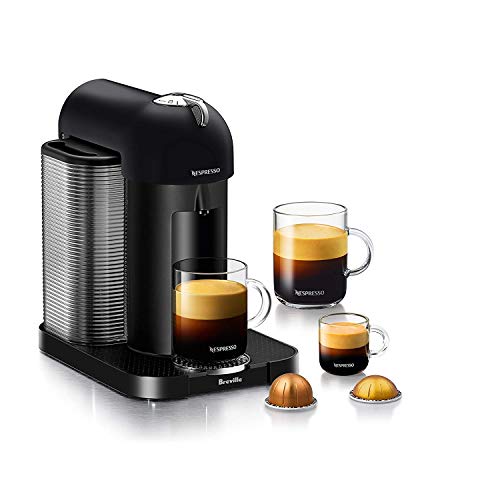
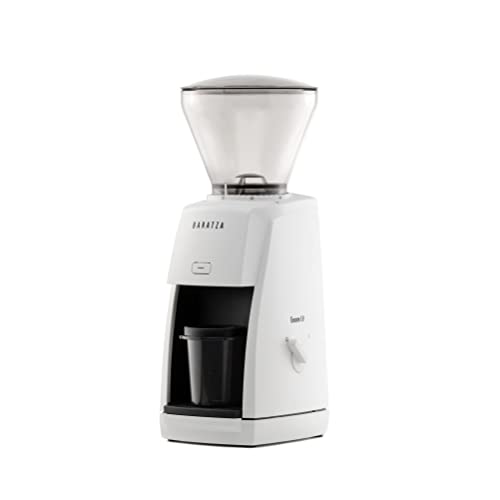
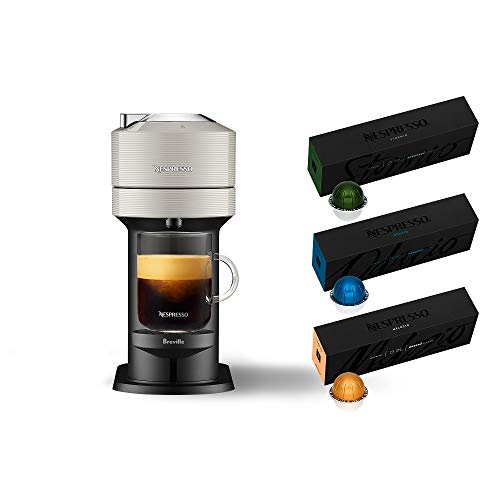


Quick Picks for Breville Espresso Machine Under $500
These five picks fill different roles, so the right one depends on your milk drinks, your patience for dialing in and your counter space.
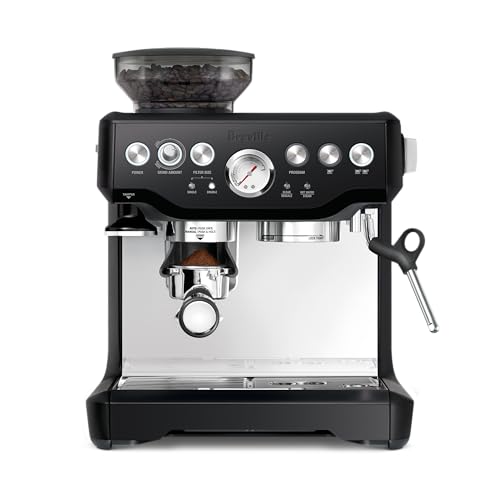
- Breville Barista Express BES870: the overall pick if you want fresh-ground espresso and a manual steam wand in one machine, right at the ceiling.
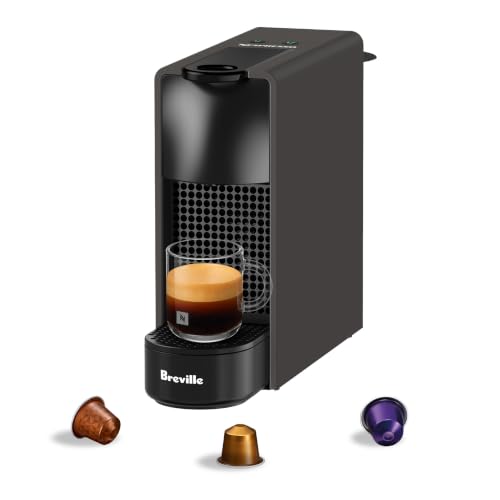
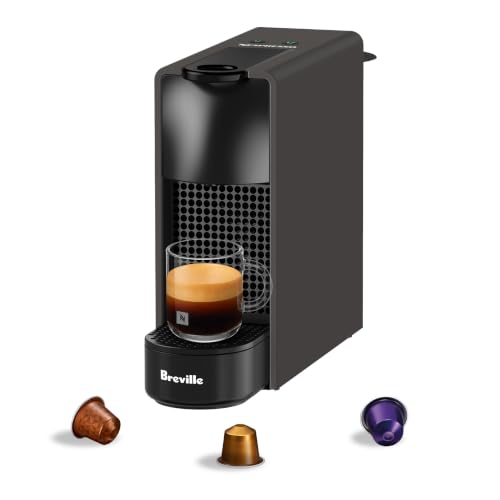
- Nespresso Essenza Mini by Breville: the low-cost pick for small espresso and lungo cups from Original capsules, with no grinding or tamping.
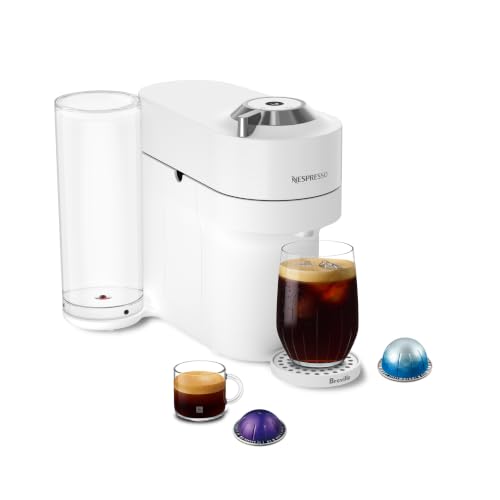
- Nespresso Vertuo Pop+ Deluxe by Breville: the simple pick, with one button, capsule recognition and five cup sizes from a single espresso to a 14 oz Alto.
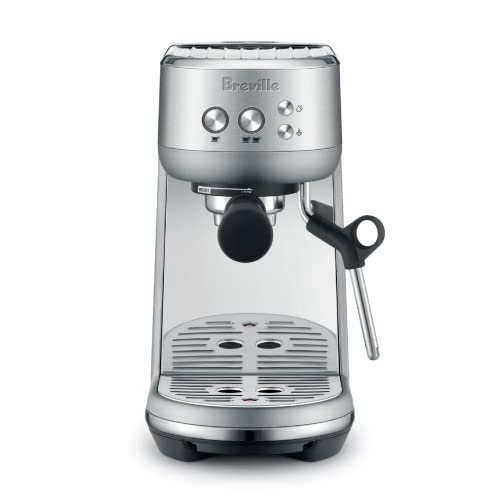
- Breville Bambino BES450: the pick for a different routine, a compact portafilter machine for people who already own a good grinder or buy fresh ground espresso coffee.
- Breville Bambino Plus BES500: the feature upgrade below the ceiling, with an automatic steam wand you can set for milk temperature and texture.
The central trade-off is control versus convenience. Portafilter machines give you control over the shot but ask for a grinder and practice, while capsule machines are quick and tidy at a higher cost per cup.
Compare the Qualifying Options
Prices are rounded and move often, especially near the $500 line, so confirm the live price in the product table above before buying.
| Model | Role | Format | Defining feature | Main limitation | Extra equipment | Price |
|---|---|---|---|---|---|---|
| Barista Express BES870 | Overall | Whole beans, 54mm portafilter | Built-in conical burr grinder, PID, manual steam wand | Takes practice to dial in | None for grinding; check the listing for included tools | Around $500 |
| Nespresso Essenza Mini | Low cost | Original capsules | 25 second heat-up, two cup sizes | No milk frothing | Optional milk frother | Around $180 |
| Nespresso Vertuo Pop+ Deluxe | Simple | Vertuo capsules | Five cup sizes up to 14 oz, capsule recognition | Capsule-only, ongoing pod cost | Optional milk frother | Around $160 |
| Bambino BES450 | Different routine | Ground coffee, 54mm portafilter | ThermoJet heat-up in 3 seconds, PID | No grinder built in | Burr grinder for espresso | Around $250 |
| Bambino Plus BES500 | Upgrade | Ground coffee, 54mm portafilter | Automatic steam wand with adjustable milk settings | No grinder built in | Burr grinder for espresso | Around $400 |
If you pair a Bambino with a grinder such as the Breville Smart Grinder Pro or the Baratza Encore ESP, the combined total can exceed $500, so plan the full purchase before deciding.
How We Selected the Shortlist
To count as the best Breville espresso machine under $500, a model had to be a current Breville-made espresso machine sold new on Amazon US at around $500 or less. Certified remanufactured listings were left out even when the price fit, because they come with different warranty terms and are not the same purchase as a new machine. Models above the ceiling, such as the Barista Express Impress, Barista Pro and Infuser, were excluded.
We then compared official feature lists, current listing details and package contents, and read buyer feedback in aggregate for recurring praise and complaints. Each pick was judged on extraction control, milk workflow and coffee format, plus the total cost including any grinder a machine needs.
This shortlist is based on research, not on pulling shots ourselves. We did not add any figures for pressure, temperature or shot time beyond what Breville and Nespresso publish.
Recommended Options
Breville Barista Express BES870: Best overall below $500
The Barista Express is the only Breville machine in this price range that grinds beans directly into the portafilter. Its integrated conical burr grinder doses on demand, and a grind size dial lets you adjust for different roasts. That removes the need to buy a separate espresso grinder, which is the hidden cost of most portafilter machines.
Two other features matter for daily shots. Digital temperature control (PID) keeps brewing water steady, and low pressure pre-infusion ramps up gently at the start of each shot, according to Breville. The manual steam wand lets you texture milk for lattes and cappuccinos at your own pace.
The limitation is the learning curve: you will grind, dose, tamp and adjust before your shots are consistent. At around $500 it also sits right on the ceiling, so a small price change can push it over. Skip it if you want espresso without any dialing in, or if a separate higher-end grinder is already on your counter.

Nespresso Essenza Mini by Breville: Best low-cost qualifying option
The Essenza Mini is the most affordable way into a Breville-built espresso machine. It uses Nespresso Original capsules, heats up in about 25 seconds and brews two single-serve cup sizes at the touch of a button. There is no grinding, dosing or tamping, and the compact body moves easily around a small kitchen.
For people who mainly drink straight espresso or a short lungo, that routine is hard to beat on speed. The automatic shut-off saves energy if you forget to turn it off, and each machine ships with a starter set of capsules so you can try a few flavors before committing.
The limitation is milk: the Essenza Mini has no steam wand or frother of its own, so lattes need a separate milk frother. Skip it if you want large mug drinks or full control over grind and dose, and budget for capsules, which cost more per cup than beans.
Nespresso Vertuo Pop+ Deluxe by Breville: Best simple qualifying option
For the simplest daily routine, the Vertuo Pop+ Deluxe reads a code on each Vertuo capsule and sets the brew for you. One button covers five cup sizes: espresso at 1.35 oz, double espresso at 2.7 oz, Gran Lungo at 5.07 oz, a 7.77 oz mug and a 14 oz Alto. That range makes it useful for households that want both espresso and regular coffee.
It also connects over Bluetooth and Wi-Fi for automatic software updates, and the listing notes the body uses 35 percent recycled plastic. Nespresso's centrifugal brewing creates the crema layer that Vertuo drinks are known for, without any tamping or cleanup beyond emptying used capsules.
The limitation is lock-in: it only takes Vertuo capsules, which you buy from Nespresso or authorized sellers. Skip it if you want to choose your own beans or roaster, or if cost per cup matters more than speed.

Breville Bambino BES450: Best for a different supported routine
The Bambino suits a different routine: real portafilter espresso in a small footprint, for people who already own a capable grinder or buy coffee ground for espresso. Breville's ThermoJet heating system reaches extraction temperature in about 3 seconds, so there is almost no warm-up wait before the first shot.
It shares several core features with its bigger siblings: PID temperature control, low pressure pre-infusion and a 54mm portafilter that takes 19 grams of coffee. The listing describes an automatic steam wand for milk texturing, using wording that largely overlaps with the Bambino Plus listing, so compare the two carefully if milk control matters to you.
The limitation is the missing grinder. Without a burr grinder that can grind fine enough for espresso, shots will run fast and thin. Skip it if you do not want to buy or own a grinder, and remember that grinder plus machine can approach or exceed $500 together.
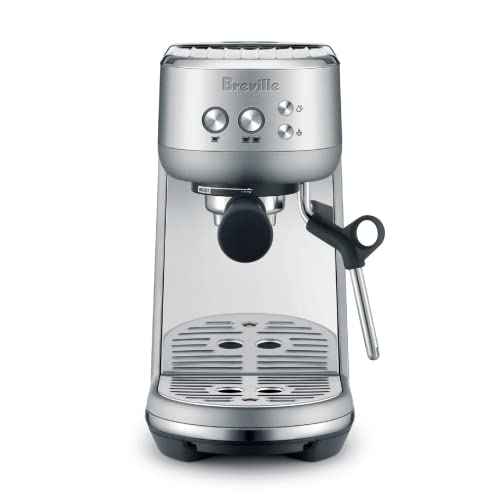
Breville Bambino Plus BES500: Best feature upgrade still below the ceiling
The Bambino Plus is the upgrade for milk drinkers who still want a compact machine. Its automatic steam wand lets you adjust milk temperature and texture, which helps if you make lattes and cappuccinos daily and do not want to steam by hand. At 7.7 inches wide, it fits beside a grinder on most counters.
The espresso side mirrors the Bambino: ThermoJet heating to extraction temperature in about 3 seconds, PID temperature control, low pressure pre-infusion and a 54mm portafilter with 19 grams. It comes in several finishes, including the Damson Blue listing linked here.
The limitation, again, is the grinder you need to buy separately, and at around $400 the machine alone leaves little room in a $500 budget. Skip it if you mostly drink straight espresso, since the milk features are where most of the extra money goes.

What to Look for Before Buying
A Strict $500 Purchase Ceiling
Treat $500 as the full purchase, not just the machine. A Barista Express at around $500 includes its grinder, while a Bambino at around $250 plus a $160 grinder lands near $410, and a Bambino Plus with the same grinder goes past $500. Capsule machines start lower but add ongoing pod costs every week.
Breville prices also shift by finish and by seller. The same model can cost a little more in one color than another, and sale prices come and go. If a model sits right at the limit, check the live price on the day you buy, and avoid paying more for a color unless it matters to you.
Finally, compare what is in the box. Some machines ship with a milk jug, tamper and filter baskets, while capsule machines include a starter capsule set. Count anything you would need to buy separately, such as a milk frother for an Essenza Mini or a scale for dialing in shots, before you call a machine "under $500".
Espresso Extraction and Milk Workflow
Portafilter machines like the Barista Express and Bambino give you control over grind, dose and tamp, which is what lets you adjust a shot that tastes sour or bitter. Breville adds PID temperature control and low pressure pre-infusion to make that easier, but the results still depend on fresh beans and a fine, consistent grind.
Capsule machines handle extraction for you. Each Nespresso capsule is designed for its machine's brewing program, so the cup is consistent from day one but you cannot adjust it much beyond choosing a different capsule.
Milk is the second decision. A manual steam wand, as on the Barista Express, takes practice but gives you full control. An automatic wand with temperature and texture settings, as on the Bambino Plus, is easier for beginners. Capsule machines need a separate frother, which some bundles include.
Coffee Format and Serving Needs
Think about what you actually drink. Straight espresso and small milk drinks suit any machine here, but if you also want a mug of regular coffee, a Vertuo machine covers both with sizes up to 14 oz. Original capsule machines like the Essenza Mini focus on espresso and lungo.
Whole beans give you the widest choice of roasts and the lowest cost per cup, but only the Barista Express can grind them on its own. Pre-ground coffee goes stale quickly once opened, which matters more for espresso than for drip.
If you are still deciding whether to stay with Breville at all, our guide to the best espresso machine compares other brands, and the best super automatic espresso machine guide covers bean-to-cup machines that grind, brew and froth on their own.
Which Option Fits Your Routine?
Your Must-Have Function
If fresh grinding is nonnegotiable, the Barista Express is the only Breville option under $500. If one-touch capsules are the priority, choose between the Essenza Mini and the Vertuo Pop+.
Your Preparation and Cleanup Tolerance
Portafilter machines mean knocking out pucks, wiping the steam wand and cleaning baskets. Capsule machines need little more than emptying the used capsule container and descaling as the manual directs.
Your Complete Budget
Add a grinder for either Bambino, a frother for capsule machines, and recurring beans or capsules. The cheapest machine is not always the cheapest year of coffee.
Frequently Asked Questions
What is included in this price limit?
The limit covers the machine plus anything it needs to make your drinks. For the Bambino and Bambino Plus that means a burr grinder for espresso, and for the Essenza Mini or Vertuo Pop+ it means a frother if you want milk drinks. Beans, capsules and cleaning supplies are ongoing costs on top.
What if no suitable model meets the budget?
If the Barista Express is above $500 on the day you shop, wait for the price to return or choose a Bambino and add a grinder later. A capsule machine is another route if convenience matters more than control. Avoid stretching to refurbished listings unless you accept their different warranty terms.
Should I budget for accessories separately?
Yes, for most setups. Portafilter users benefit from a milk jug, a scale and a knock box, though some ship in the box, and capsule users may want a milk frother. Check the listing's package contents so you only buy what is missing.
Is a sale-priced model a reliable long-term recommendation?
Only if the model fits your routine at its regular price. Sales come and go, and a machine that is a bargain this week can return to a higher price next month. Choose by features and total cost, then treat any discount as a bonus rather than the reason to buy.
Final Verdict
For most buyers, the Breville Barista Express BES870 is the best Breville espresso machine under $500 because it is the only one in range that grinds fresh beans and steams milk in a single box. If you want the simplest daily routine instead, the Nespresso Vertuo Pop+ by Breville covers espresso and mug coffee with one button. The deciding trade-off is control versus convenience. For the full Breville lineup above this price, see our guide to the best Breville espresso machine, and confirm the live price of your pick in the table above.
