
Best Coffee Maker For Espresso: Buying Guide
Disclosure: We may earn a commission when you buy through links on this page, at no extra cost to you. As an Amazon Associate I earn from qualifying purchases. Learn more

The best coffee maker for espresso depends on how much guidance, milk frothing and cleanup you want each morning.
The best coffee maker for espresso depends on how involved you want to be: some machines grind, dose and froth for you, others give you a portafilter and a steam wand and let you learn the craft. This guide covers semi-automatic machines with built-in grinders, a compact budget espresso maker, a capsule machine, an espresso and drip combo, and a classic Italian single boiler, all sold new on Amazon US.
If you already know your budget and how much hands-in-the-process work you enjoy, the quick picks will narrow the field fast. If you are moving up from a drip brewer, the buying section explains extraction, milk workflow and cleanup before you spend.





Quick Picks for Coffee Maker For Espresso
Each machine here makes real espresso under pump pressure. Drip coffee makers with a "concentrate" or "specialty" setting are left out, because their coffee is brewed by gravity and is not espresso.
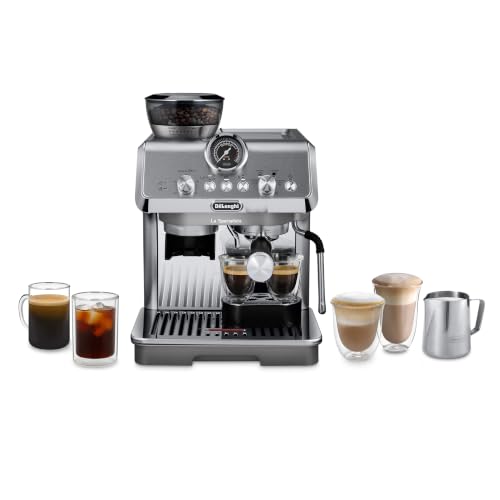
- De'Longhi La Specialista Arte Evo: the best fit for most home espresso drinkers, with a built-in conical burr grinder, three temperature settings and a commercial-style steam wand.
- CASABREWS CM5418: the value pick, a compact 20 bar machine with a steam wand and pressure gauge for around $140.
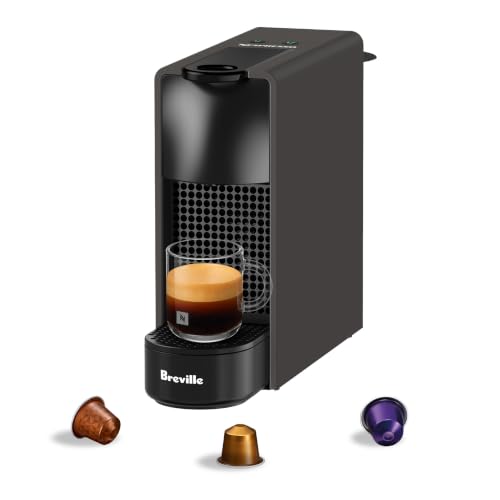
- Breville Nespresso Essenza Mini: the simplest workflow, capsule espresso at one touch with a 25 second heat up.
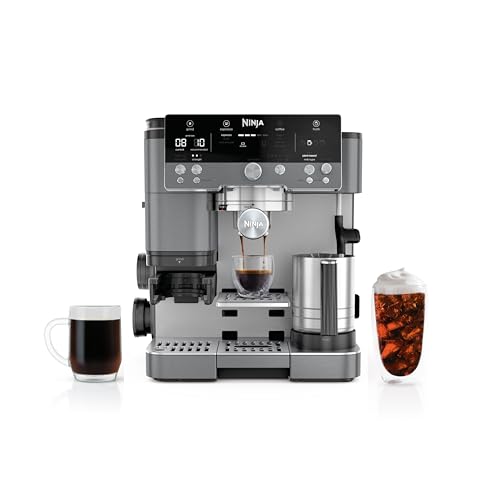
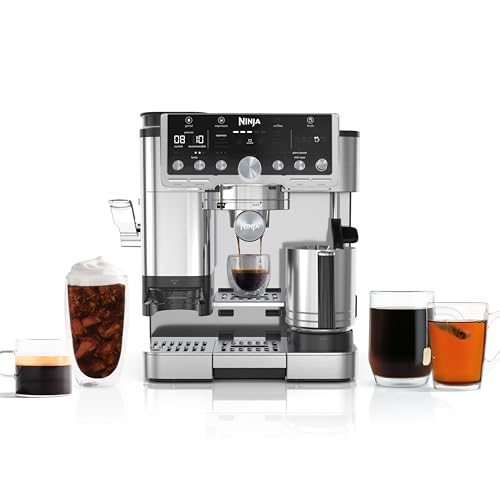
- Ninja Luxe Café Premier: the pick for households that want espresso, drip coffee and cold brew from one machine.
- Gaggia Classic Evo Pro: the choice for added control, with a 58mm commercial portafilter and commercial steam wand.
The main trade-off is convenience against control and cost. Guided machines with grinders cost more but shorten the learning curve, while manual machines reward practice and a separate grinder.
Compare the Qualifying Options
Prices are rounded; check the product table above for the live figure. Shot sizes are small, so capacity is shown as what each machine makes rather than as "cups".
| Model | Role | Coffee format | Makes | Defining feature | Main limitation | Price |
|---|---|---|---|---|---|---|
| De'Longhi La Specialista Arte Evo | Main pick | Whole beans (built-in grinder) | Single or double espresso, cold brew | 15 grind settings, 3 temperature settings, steam wand | Manual milk steaming takes practice | Around $500 |
| CASABREWS CM5418 | Value | Ground espresso | Single or double shot | 20 bar pump, pressure gauge, steam wand | Needs cool-down after steaming; separate grinder advised | Around $140 |
| Nespresso Essenza Mini | Simple workflow | Nespresso Original capsules | 2 cup sizes | One touch, 25 second heat up, compact | No milk frother; capsule cost | Around $180 |
| Ninja Luxe Café Premier | Alternate routine | Whole beans (built-in grinder) | Espresso, drip coffee, cold brew | Weight-based dosing, Dual Froth system | Many functions to learn, bulky | Around $600 |
| Gaggia Classic Evo Pro | Added control | Ground espresso | Single or double shot | 58mm commercial portafilter, three-way solenoid valve | Grinder required, learning curve | Around $530 |
The La Specialista Arte Evo and the Ninja have built-in grinders; the CASABREWS and Gaggia work best with a separate burr grinder that can grind fine enough for espresso. The Essenza Mini needs only capsules and water.
How We Selected the Shortlist
We started with one firm rule: every pick must make pressure-brewed espresso, not drip concentrate. Within that group, we looked for machines that cover different routines, from capsule simplicity to manual control, so readers can choose by how they want to make coffee rather than by a single ranking.
For each candidate, we checked the current Amazon US listing, the exact model and the included accessories, then compared manufacturer specifications such as pump pressure, portafilter size, grinder settings and milk system. Buyer feedback was read in aggregate for repeated comments about learning curve, reliability and cleaning. No brewing trials were run for this guide, so judgments rest on published specifications and owner feedback. Each role answers three questions: how the machine handles espresso extraction and milk, which coffee format and serving needs it suits, and how much daily work and cleanup it adds.
Recommended Options
De'Longhi La Specialista Arte Evo: Best fit for the main use case
The De'Longhi La Specialista Arte Evo suits most people who want espresso drinks from fresh beans in one machine, without buying a separate grinder. Its built-in conical burr grinder has 15 grind settings and doses for a single or double espresso, so you can adjust the grind as you change beans.
Two features matter for daily shots and milk drinks. Active temperature control offers three temperature settings, and the 15 bar Italian pump is designed to deliver about 9 bar during extraction, according to De'Longhi, which is the pressure espresso is usually brewed at. The commercial-style steam wand heats quickly and has the steam pressure for smooth microfoam, so lattes and cappuccinos are within reach once you learn the technique.
The limitation is that milk is fully manual: there is no automatic frothing, so expect a few weeks of practice before your foam is consistent. Skip it if you want one-touch milk drinks; the Ninja Luxe Café Premier below automates frothing. A bonus is Cold Extraction Technology, which makes cold brew in under 5 minutes, according to the listing, for iced drinks in summer.
CASABREWS CM5418: Best value within the stated scope
The CASABREWS CM5418 is the budget way into real espresso and milk drinks. It uses a 20 bar pump and a 1350 W boiler, and a built-in pressure gauge shows the pressure during each shot, according to the listing.
Two features give it more capability than its price suggests. The steam wand textures milk for lattes and cappuccinos, so you are not limited to straight shots. The 34 oz water tank detaches for refilling, and the compact body fits small kitchens. It makes single or double shots with the included filters.
The limitation is workflow. CASABREWS notes that you should not brew right after frothing: the machine must cool down first, or it goes into overheating protection, which slows back-to-back drinks. Skip it if you make several milk drinks at once for a family. For best results you will want a grinder suited to espresso, since pre-ground coffee is often too coarse for a pump machine.
Breville Nespresso Essenza Mini: Best for a simpler workflow
The Breville Nespresso Essenza Mini is for people who want espresso with almost no learning or cleanup. It heats up in about 25 seconds and brews two single-serve cup sizes at the touch of a button from Nespresso Original capsules.
Two practical benefits stand out. The compact design is easy to place and move, so it suits small counters, offices and second homes. There is no grinding, tamping or portafilter to clean, and energy-saving automatic shut off means you can walk away. A complimentary starter set of capsules comes in the box.
The limitation is control and running cost: you cannot adjust grind or dose, and capsules cost more per shot than beans. There is no milk frother included, so lattes need a separate frother. Skip it if you want to explore different beans or make milk drinks every day. For quick, consistent espresso shots, though, it is the simplest machine here.
Ninja Luxe Café Premier: Best for an alternative serving routine
The Ninja Luxe Café Premier suits households where one person wants espresso, another wants a mug of drip coffee and someone else wants cold brew. It combines all three in one machine with a built-in conical burr grinder that has 25 settings.
Two features make it beginner friendly. Barista Assist technology guides grinding, doses by weight, helps with tamping and adjusts temperature and pressure for the selected drink, according to Ninja. The Dual Froth system pairs a magnetic whisk with an automatic steamer, so milk can froth while you walk away; a manual steam option is there if you want it. A cold-pressed espresso function brews at lower temperature for iced drinks.
The limitation is complexity and bulk: with three brewing styles and a long accessory list, there is more to learn and store. Skip it if you only drink espresso, because a dedicated machine is simpler. The box includes a portafilter, milk jug, baskets, an assisted tamper, cleaning tools, descaling powder and a hard water test strip kit.
Gaggia Classic Evo Pro: Best for added control or convenience
The Gaggia Classic Evo Pro is for espresso drinkers who want to learn the craft on a machine with commercial-style parts. It has a solid steel housing, is made in Italy, and is set for 9 bar extractions, according to Gaggia.
Two components explain its appeal. The stainless steel 58mm commercial portafilter matches the size used on many café machines, so baskets, tampers and accessories are widely available. The commercial three-way solenoid valve relieves pressure in the group after the shot, a feature usually associated with café machines, and the commercial steam wand gives you real control over milk texture.
The limitation is that nothing is guided. You need a capable espresso grinder, a good tamper and patience while you learn to dial in shots and steam milk. Skip it if you want one-touch drinks or a machine that tells you what to adjust. For people who enjoy the process, it offers more control than anything else on this list for around $530.
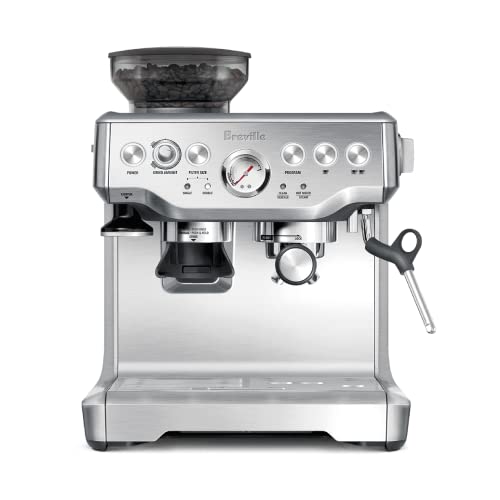
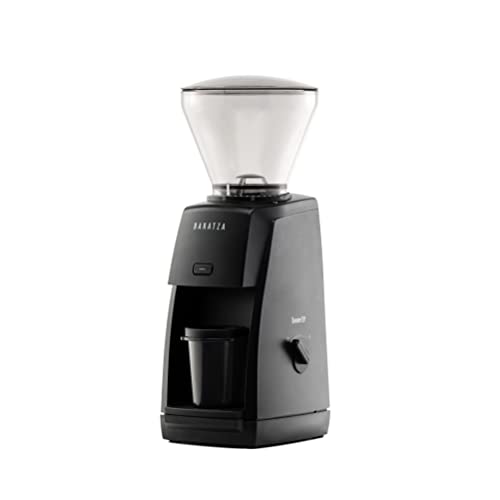
The product table adds more espresso machines worth a look, including the Breville Barista Touch, the Ninja Luxe Café Pro, the De'Longhi La Specialista Touch with guided Bean Adapt setup, the Breville Barista Express and Bambino Plus, the De'Longhi Stilosa and the Baratza Encore ESP grinder. For a full espresso roundup, see our guide to the best espresso machine.
What to Look for Before Buying
Espresso Extraction and Milk Workflow
Espresso is coffee brewed quickly under pressure through a fine, compact bed of grounds. The machine's job is to deliver hot water at a steady pressure and temperature; your job, on manual machines, is to grind, dose and tamp consistently. Machines with built-in grinders like the La Specialista Arte Evo, and guided machines like the Ninja, take on part of that work.
Pump pressure figures can mislead. Many budget machines advertise 15 or 20 bar, but espresso is typically extracted around 9 bar, which is what the Gaggia is set for. Higher pump ratings are not a sign of better shots; temperature stability, the portafilter and the grinder matter more.
Then look at milk: a manual steam wand gives full control but needs practice. An automatic wand or frothing system makes repeatable foam with less effort. Capsule machines like the Essenza Mini have no frother in the box. Single boiler machines usually need a pause between brewing and steaming, so back-to-back milk drinks take longer.
Coffee Format and Serving Needs
Decide on the coffee format first. Whole beans plus a grinder give the best flavor and the most control. Pre-ground coffee is convenient but is often too coarse for pump espresso. Capsules are the simplest and tidiest, with a higher cost per shot and fewer bean choices.
Think about volume. A single person making one or two drinks a day suits any machine here. A household making four milk drinks in a row should favor a machine that steams quickly and does not need long cool-down pauses. If you need a full pot for guests, a combo like the Ninja Luxe Café Premier covers drip coffee too.
Avoid comparing espresso with drip output as if they were equivalent. A double espresso is a small, concentrated drink; a mug of drip coffee is larger and milder. If you mostly drink large black coffees, a good drip brewer may suit you better than any espresso machine, and our best super automatic espresso machine guide covers one-touch machines that make both.
Daily Workflow and Cleanup
Count the daily steps. On a manual machine: grind, dose, tamp, brew, knock out the puck, rinse the portafilter, purge and wipe the steam wand. On a guided machine with a grinder, a few of those steps are assisted. On a capsule machine: insert a capsule, brew, empty the used capsule bin.
Weekly and monthly tasks add up too. Backflushing (on machines that support it), cleaning the drip tray, brushing out the grinder and descaling on the schedule in your manual all keep shots consistent. The Ninja includes descaling powder and cleaning tablets, which is a useful start.
The best coffee maker for espresso in your home is the one whose cleanup you will actually keep up with. If you dislike daily maintenance, a capsule machine or a guided machine with automatic milk is a better match than a fully manual setup.
Which Option Fits Your Routine?
Your Must-Have Function
Want a grinder built in with room to learn? Choose the La Specialista Arte Evo, or the Ninja Luxe Café Premier for espresso and drip in one. Want maximum control? The Gaggia Classic Evo Pro.
Your Preparation and Cleanup Tolerance
Little patience for cleanup points to the Essenza Mini. If you enjoy the ritual, a manual machine pays off. Guided machines sit in the middle.
Your Complete Budget
Add a grinder, tamper, milk pitcher, cleaning tablets and descaler to manual machines. Capsule machines add a steady capsule cost instead.
Frequently Asked Questions
Which features matter most for this use case?
Stable temperature, a consistent grind and a capable milk system matter most for espresso. A built-in conical burr grinder or a separate espresso grinder is essential for bean-based machines. After that, choose between guided features and manual control based on how much you want to learn.
How do I choose the correct serving capacity?
Count how many drinks you make in a row. One or two a day suits any machine here. Several milk drinks back to back favor a machine that steams without long pauses. Check the water tank size too, since a larger tank means fewer refills during a busy morning.
What extra equipment will I need?
Manual and budget pump machines need a burr grinder that can grind fine enough for espresso, a good tamper, a milk pitcher and a knock box. Guided machines with grinders need fewer extras. All machines need descaling solution and, where supported, cleaning tablets approved by the manufacturer.
How much daily cleaning should I expect?
Expect about five minutes a day on a portafilter machine: knock out the puck, rinse the basket and group, purge and wipe the steam wand, and empty the drip tray. Capsule machines take less. Descaling and deeper cleaning are periodic tasks set by your manual.
Final Verdict
For most people, the De'Longhi La Specialista Arte Evo is the best coffee maker for espresso because its built-in grinder, temperature settings and capable steam wand cover the essentials at a fair price without taking away control. If you want to learn the craft and already own a good grinder, the Gaggia Classic Evo Pro is the alternative with commercial-style parts. The deciding trade-off is guidance versus control, so decide which you value, check today's price in the table, and choose the exact model that fits your routine.


