
Best Super Automatic Espresso Machine For Beginners
Disclosure: We may earn a commission when you buy through links on this page, at no extra cost to you. As an Amazon Associate I earn from qualifying purchases. Learn more

The best super automatic espresso machine for beginners keeps controls simple and handles grinding, brewing and milk for you.
The best super automatic espresso machine for beginners grinds, doses, tamps and brews for you, then guides you through the few tasks that remain, so your first week with the machine is about drinking good coffee rather than reading the manual. This guide covers fully automatic bean-to-cup machines sold new on Amazon US, from a one-touch LatteGo Philips to a compact KitchenAid that adjusts its own grind.
If you already know whether you want milk drinks or black coffee, the quick picks will narrow your choice fast. If you are moving from pods or a drip brewer, the buying section explains how one-touch espresso works inside the machine and which mistakes a good beginner machine prevents.



Quick Picks for Super Automatic Espresso Machine For Beginners
Every pick here makes espresso from whole beans at the touch of a button, with no portafilter, tamping or manual dosing. Semi-automatic machines are left out, because they ask a beginner to learn grind, dose and extraction before the first good cup.
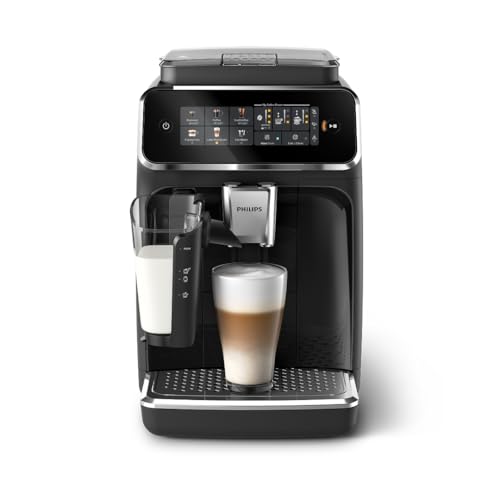
- Philips 3300 Series with LatteGo: the best fit for most beginners, with six one-touch drinks and a milk system that rinses in seconds.
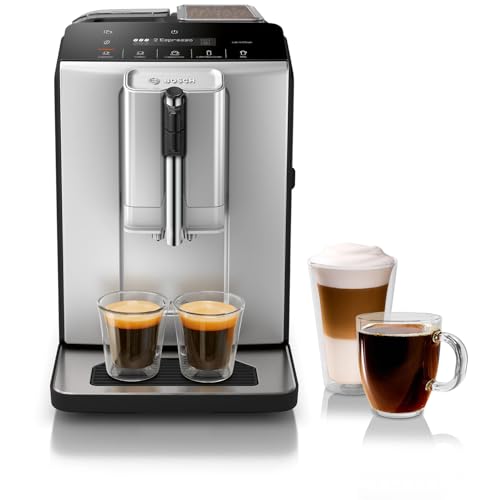
- Bosch 300 Series: the compact alternative, with one-touch cappuccino and latte macchiato and a removable brew unit for around $650.
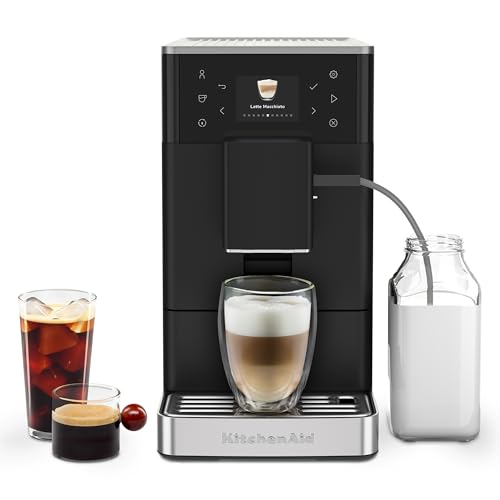
- KitchenAid KF3 (KES8453): the simplest workflow, with a grinder that adjusts itself to each bean and an automatic rinse at start-up.
- Jura E4: the alternative pick for black coffee drinkers, with five specialties and no milk system to clean.
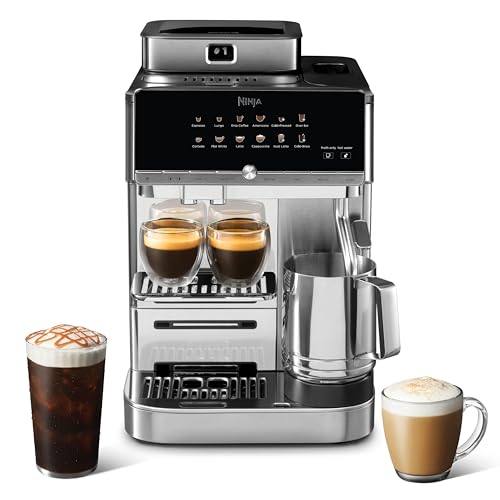
- Ninja AutoBarista Pro (AE1051): the choice for added convenience, with 13 drinks, hot or iced froth and automatic grind selection.
The main trade-off for beginners is menu size against simplicity. More drinks and settings are tempting, but a short menu with clear buttons is easier to learn and harder to get wrong.
Compare the Qualifying Options
Prices are rounded and change often; check the product table above for the live price.
| Model | Role | Coffee format | Milk system | Beginner-friendly feature | Main limitation | Price |
|---|---|---|---|---|---|---|
| Philips 3300 Series LatteGo | Main pick | Whole beans | LatteGo, 3 parts (included) | 6 presets, adjustable strength, volume and milk level | No app or profiles | Around $550 |
| Bosch 300 Series | Compact alternative | Whole beans | Adjustable in-cup frother | Front-removable brew unit, Calc'n Clean | Short drink menu | Around $650 |
| KitchenAid KF3 KES8453 | Simple workflow | Whole beans | AutoMilk, your own container | Intelligrind auto adjustment, self rinse, quiet grinding | Milk container sold separately | Around $1,000 |
| Jura E4 | Alternate routine | Whole beans | None | 5 one-touch specialties, 64 oz tank | No milk drinks | Around $1,350 |
| Ninja AutoBarista Pro AE1051 | Added convenience | Whole beans | Built-in frother, hot or iced | 13 drinks, Grind iQ, self-drying fan | Newer line, less long-term feedback | Around $1,000 |
None of these needs a separate grinder or tamper. Plan for water filters where supported, cleaning tablets and descaler, which are ongoing costs on every super automatic machine.
How We Selected the Shortlist
We started with a beginner's definition of "automatic": the machine must handle grinding, dosing, tamping and brewing on its own, with clear controls and built-in care programs. Machines that need a portafilter or manual tamping were set aside, along with listings sold only used or refurbished.
For each candidate, we confirmed the current US model and listing, checked what comes in the box and compared manufacturer specifications such as drink menu, milk system, grinder adjustment and cleaning features. Buyer feedback was read in aggregate for recurring comments about ease of setup, reliability and daily care. No brewing trials were run for this guide, so judgments rest on published specifications and owner feedback. Each role answers three questions: how the machine handles one-touch espresso internally, how well it prevents beginner mistakes, and which coffee format and serving needs it suits.
Recommended Options
Philips 3300 Series with LatteGo: Best fit for the main use case
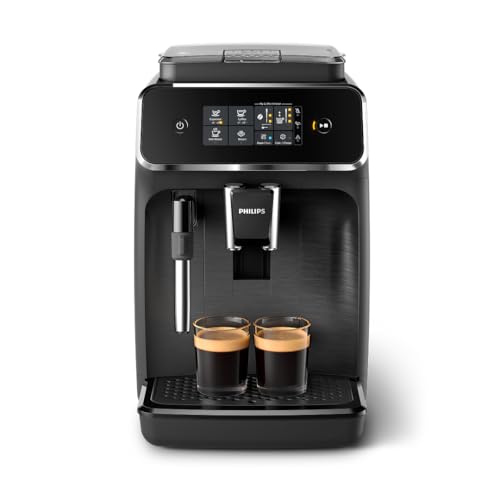
The Philips 3300 is the easiest recommendation for most beginners because it covers the drinks people usually want with very little to learn. It grinds, tamps and brews at the push of a button and offers six presets: espresso, coffee, iced coffee, cappuccino, latte macchiato and hot water.
Two features make the first weeks easier. The full color display lets you adjust strength, volume and milk level without menus, so you can fine tune drinks gradually. The LatteGo milk system has three parts, no internal tubes or hidden compartments, and can be rinsed in about 10 seconds or washed in the dishwasher, according to Philips. The AquaClean filter means no descaling for up to 5,000 cups when you change it on prompt.
The limitation is depth: there is no app and no saved user profiles in the listing, so two people with different tastes will adjust settings each time. Skip it if you want a big drink menu or remote brewing. For a first super automatic that makes good milk drinks with little effort, it is the safest starting point at around $550.

Bosch 300 Series: Best compact alternative within the stated scope
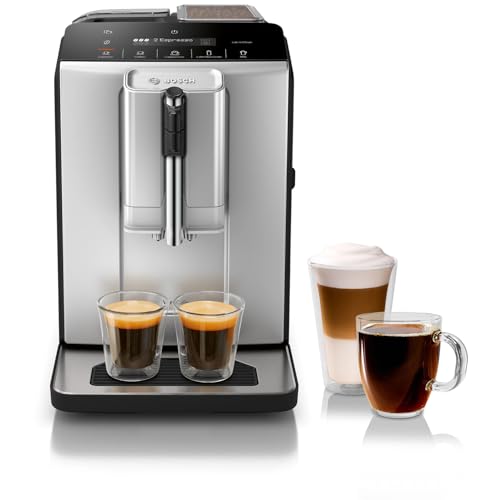
The Bosch 300 Series is a straightforward way to start. It grinds whole beans and brews espresso, cappuccino or latte macchiato with one touch, and its adjustable frother makes foam directly in your cup, according to Bosch.
Two features suit beginners. The ceramic grinder grinds evenly without overheating beans, and the brew unit comes out from the front for rinsing, so basic maintenance is visible and simple. Calc'n Clean combines the scheduled cleaning and descaling steps into one guided program, which removes the guesswork from care.
The limitation is a short menu: three named drinks is plenty for many people, but there are no iced presets or saved profiles. Bosch describes it as designed for individuals and couples, which matches its scale. Skip it if a larger household wants different drinks back to back. Buyer feedback is more mixed than for the Philips, so register the warranty when it arrives.
KitchenAid KF3: Best for a simpler workflow
The KitchenAid KF3 suits beginners who do not want to think about grind settings at all. Its built-in burr grinder adapts automatically to each bean type and roast, and the Intelligrind system detects and fine tunes the dose, according to KitchenAid, so a new bag of beans does not mean a new round of adjustments.
Two features cut daily effort further. The AutoMilk system adjusts milk texture and volume for each drink, drawing from your own container or an optional KitchenAid container. When it switches on, the machine gives itself a quick rinse to warm the internal pipes and brew unit. More than 15 hot and over-ice recipes are available, and the quiet grinding system keeps early mornings calm.
The limitation is cost: at around $1,000, it costs several hundred dollars more than the Philips or Bosch picks, and the dedicated milk container is sold separately. Buyer feedback is still limited for this compact line. Skip it if budget is the priority. KitchenAid says it is 25% smaller than its KF6, KF7 and KF8 models, which helps on a crowded counter.

Jura E4: Best for an alternative serving routine
The Jura E4 is for beginners who drink espresso or black coffee and do not want a milk system at all. It prepares five specialties at the touch of a button: espresso, coffee, ristretto, Café Barista and Lungo Barista.
Two features make it beginner friendly. Without milk parts, daily cleaning is limited to emptying grounds and the drip tray, which is the easiest routine of any machine here. The Professional Aroma Grinder is a conical burr design, and the Pulse Extraction Process is Jura's method for brewing espresso, according to the listing. A 64 oz water tank and 10 oz bean container mean fewer refills.
The limitation is obvious: no milk drinks, so cappuccino fans would need a separate frother. It also costs around $1,350, more than machines that do make milk drinks. Skip it if anyone in your home drinks lattes. For black coffee drinkers who value simplicity and a compact machine, it removes a whole category of daily chores.

Ninja AutoBarista Pro: Best for added control or convenience
The Ninja AutoBarista Pro suits beginners who want variety without complexity. It offers 13 drinks at the touch of a button, from espresso to cappuccino, iced drinks and cold brew, and grinds whole beans fresh for each one.
Two features keep things easy as the menu grows. Grind iQ automatically picks from 50 grind settings, so there is no dialing in when you change beans. The frother makes microfoam hot or iced, with dairy or plant-based milk. For cleanup, auto-rinse, removable parts and a self-drying interior fan handle much of the routine care.
The limitation is that this is a newer product line, so there is less long-term reliability feedback than for Philips or Jura, and at around $1,000 it is a big first purchase. Skip it if you only drink hot cappuccinos, where the Philips 3300 covers you for about half the price. If iced drinks and cold brew are part of your week, its wider menu earns the extra cost.

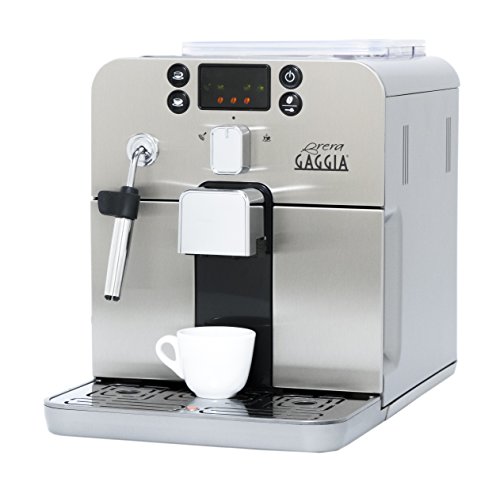
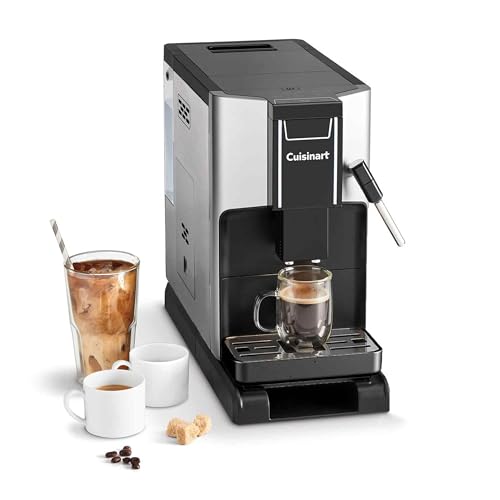
The product table adds more beginner-friendly machines, including the Philips 2200 Series with a classic milk frother, the Gaggia Brera, the Jura ENA 4, the KitchenAid KF6 and the Cuisinart Espresso Bar EM-550. For a broader comparison, see our guide to the best super automatic espresso machine.
What to Look for Before Buying
Internal One-Touch Espresso Preparation
A super automatic machine does inside what a barista does by hand. It grinds a measured dose of beans, compresses it in a brew unit, forces hot water through at pressure, then ejects the spent puck into a grounds container. Understanding that cycle helps you see which parts need your attention.
The grinder and the brew unit are the heart of the machine. Some grinders adjust automatically, like the KitchenAid's Intelligrind or Ninja's Grind iQ, while others have a manual setting you change occasionally. A removable brew unit, like the Bosch's, lets you rinse it yourself; non-removable units rely on cleaning tablets and programs.
Milk is a separate system. LatteGo-style jugs, in-cup frothers and tube systems all heat and foam milk automatically, but each needs rinsing after use. If you rarely drink milk, a machine without a milk system, like the Jura E4, removes that task entirely.
Learning Curve and Error Prevention
The best super automatic espresso machine for beginners prevents the mistakes new owners make. Clear prompts for emptying grounds, refilling water and running cleaning cycles matter more than a long drink list. Machines that remind you when to change the water filter or descale take care of the chores beginners forget.
Simple controls help too. A display with clear icons and a few adjustable settings, such as strength and volume, is easier than nested menus. Start with default drinks, then change one setting at a time until the coffee suits you.
Finally, read the manual's first-use section. Most machines need an initial rinse, a water hardness setting and a filter installation. Doing these steps properly on day one prevents many early complaints about weak coffee or frequent descaling prompts.
Coffee Format and Serving Needs
Every machine here uses whole beans. Choose a medium or dark roast labeled for espresso to start, since very oily beans can clog some grinders; check your manual for guidance. Some machines also accept pre-ground coffee through a bypass chute, which is handy for decaf.
Match the machine to how many drinks you make. One or two drinks a day suits any pick. If two people want milk drinks back to back, look at water tank size, milk system capacity and how quickly the machine is ready for the next drink.
Do not compare espresso with drip coffee as if they were the same. A super automatic's "coffee" setting is usually a longer espresso-style extraction, not drip coffee. If you mainly want big mugs of filter coffee, our guide to the best espresso machine and our drip brewer guides cover the difference.
Which Option Fits Your Routine?
Your Must-Have Function
For one-touch milk drinks at a fair price, pick the Philips 3300 or the Bosch 300. For iced drinks, the Ninja or KitchenAid. For black coffee only, the Jura E4.
Your Preparation and Cleanup Tolerance
Want the least daily care? Skip milk or choose LatteGo's few parts. Removable brew units add a weekly rinse but make maintenance easy to see.
Your Complete Budget
Add water filters, cleaning tablets, descaler and milk cleaner to the machine price, plus a year of whole beans.
Frequently Asked Questions
Which features matter most for this use case?
Clear controls, automatic care prompts and an easy-to-clean milk system matter most for beginners. These features prevent the common mistakes of skipped cleaning and forgotten descaling. After that, choose a drink menu that matches what you actually drink, rather than the longest list available.
How do I choose the correct serving capacity?
Count the drinks you make on a busy morning and check the water tank and bean hopper sizes against that number. One or two drinks a day suits every machine here. Households making several milk drinks in a row should favor larger tanks and milk systems that do not need refilling each drink.
What extra equipment will I need?
You need whole beans, the maker's water filters where supported, cleaning tablets, descaler and, for milk machines, a milk system cleaner. Some machines need a separate milk container. A small brush for the grounds area is useful but optional.
How much daily cleaning should I expect?
Expect two to five minutes a day: empty the grounds container and drip tray, rinse the milk parts and refill water and beans. Machines run rinse cycles automatically, but you still need to empty them. Follow the manual's prompts for deeper cleaning and descaling.
Final Verdict
For most first-time owners, the Philips 3300 with LatteGo is the best super automatic espresso machine for beginners: six one-touch drinks, simple adjustments and a milk system that rinses in seconds at a fair price. If you want the machine to adjust its own grind and handle iced drinks, the KitchenAid KF3 is the step up. Decide whether milk drinks matter, check today's price in the table, and choose the model that fits your routine.


