
Best Super Automatic Espresso Machine For Home: Buying Guide
Disclosure: We may earn a commission when you buy through links on this page, at no extra cost to you. As an Amazon Associate I earn from qualifying purchases. Learn more

The best super automatic espresso machine for home grinds, brews and froths at one touch: compare milk systems, drink menus and daily cleanup.
The best super automatic espresso machine for home grinds the beans, doses and tamps the coffee, brews the shot and, on most models, froths the milk, all from one button. That makes these machines a good fit for households that want lattes and espresso every day without learning barista skills, but they vary a lot in milk systems, drink menus, cleaning effort and price.
This guide compares five bean-to-cup machines sold new on Amazon US, from a budget model with a classic frother to an app-connected machine with 35 drinks. The quick picks give you a short answer, and the buying section explains what one-touch preparation really means at home.



Quick Picks for Super Automatic Espresso Machine For Home
Each pick fits a different household, so start with the drinks you make most often.
- De'Longhi Rivelia: the main pick for homes that want a wide drink menu, hot and cold milk foam and quick cold brew from one machine.
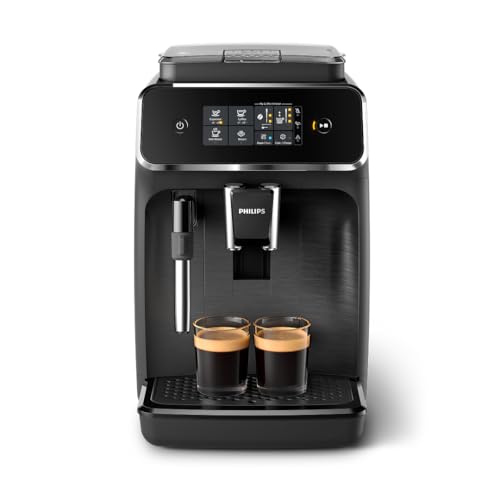
- Philips 2200 Series EP2220 with Classic Milk Frother: the value pick for espresso and coffee with a manual frother, at around $355.
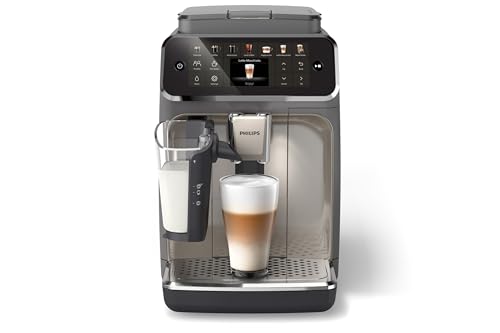
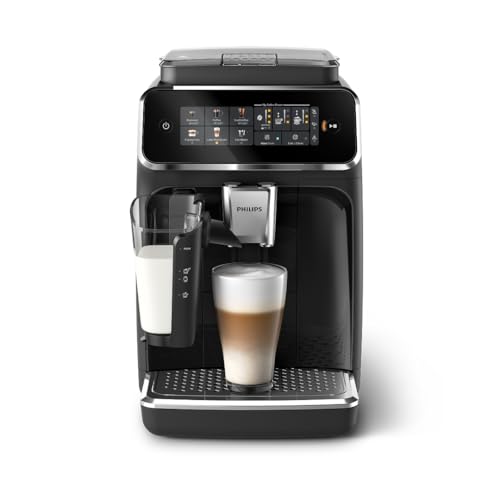
- Philips 4400 Series with LatteGo: the simpler workflow pick, with a three-part milk system that rinses clean quickly and 12 presets.
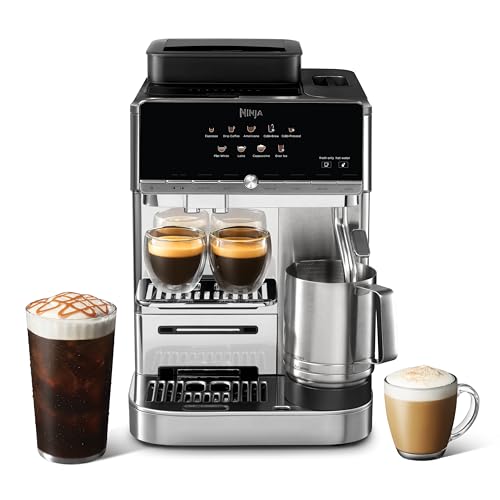
- Ninja AutoBarista AE1001: the alternative routine pick for households that switch between hot drinks, iced drinks and cold brew.
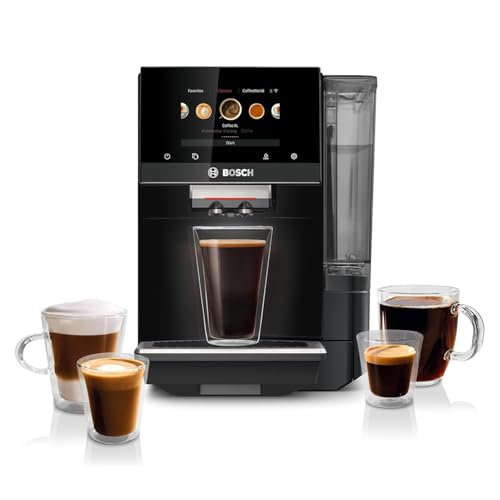
- Bosch 800 Series VeroCafe: the pick for added control and convenience, with a large touchscreen, app brewing and up to 35 drinks.
The main trade-off is automation versus cost and cleaning. Fully automatic milk systems are easiest to use but have more parts to rinse, while manual frothers are cheaper and simpler. Detailed notes on each pick follow below.
Compare the Qualifying Options
Prices are rounded and change often, especially on premium machines, so confirm the live price in the product table above.
| Model | Role | Milk system | Drink menu | Defining feature | Main limitation | Price |
|---|---|---|---|---|---|---|
| De'Longhi Rivelia | Main pick | Automatic, hot and cold foam | 50+ hot and cold recipes | 13 grind settings, cold brew in under 3 minutes | Two milk systems to clean | Around $1,000 |
| Philips 2200 EP2220 | Value | Classic manual frother | 3 presets | Ceramic grinder, AquaClean filter | No one-touch milk drinks | Around $355 |
| Philips 4400 LatteGo | Simpler workflow | LatteGo, 3 parts, no tubes | 12 presets incl. iced coffee | 2 user profiles, QuickStart | Fewer specialty drinks than the Rivelia | Around $705 |
| Ninja AutoBarista AE1001 | Alternative routine | Automatic, hot or iced froth | 10 drinks | Grind iQ with 50 grind settings | Newer machine, less feedback | Around $950 |
| Bosch 800 Series | Added control | Automatic, hose connection | Up to 35 drinks via app | Home Connect app, Calc'n Clean | Highest price here | Around $1,300 |
None of these machines needs a separate grinder. Most benefit from a water filter: the Philips 2200 is built around an AquaClean filter, and the Bosch box includes a Mavea filter.
How We Selected the Shortlist
To qualify as the best super automatic espresso machine for home use, a model had to grind whole beans, dose and brew espresso internally at the push of a button, and be sold new on Amazon US. Semi-automatic machines that need you to tamp or lock in a portafilter were excluded, as were capsule machines and renewed listings.
From there, we compared manufacturer specifications, current listings and package contents, then read buyer feedback in aggregate for recurring praise and complaints. Each machine was judged on how complete its one-touch preparation is, how well it fits a household routine, which drinks and serving sizes it supports, and how much daily cleaning it asks for.
This shortlist is research based. The judgments come from published specs and owner feedback, not from brewing sessions of our own, and we did not add any shot time, temperature or noise figures that the makers do not publish.
Recommended Options
De'Longhi Rivelia: Best fit for the main use case
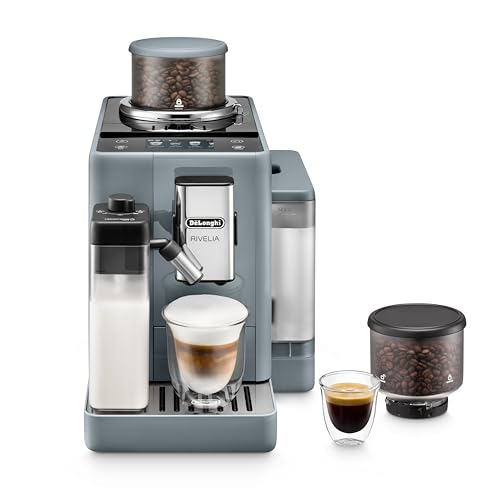
The De'Longhi Rivelia suits the typical home that wants a little of everything: espresso in the morning, a latte after lunch and an iced drink on warm days. It offers 50+ hot and cold one-touch recipes, from espresso and cappuccino to iced latte and cold brew, and a built-in grinder with 13 grind settings lets you adjust for different beans.
Milk is where it stands out. Two LatteCrema systems handle hot foam for classic drinks and cold foam for iced ones, and both work with milk alternatives, according to De'Longhi. Its Cold Extraction Technology makes cold brew in under 3 minutes, which removes the overnight wait.
The limitation is upkeep: two milk systems mean more parts to rinse after milk drinks, and the price sits around $1,000. Skip it if you mostly drink straight espresso or black coffee, since you would be paying for milk features you never use.
Philips 2200 Series EP2220 with Classic Milk Frother: Best value within the stated scope
The Philips 2200 EP2220 is the most affordable way into true bean-to-cup brewing on this list. It automatically grinds, tamps and brews espresso or coffee at the push of a button, and you can adjust strength and volume from the touch display. A 100 percent ceramic grinder handles the beans.
The classic milk frother is a steam wand you control yourself, which works with dairy and plant-based milk for lattes, cappuccinos or hot chocolate. Maintenance is lighter than you might expect: with the AquaClean filter changed when prompted, Philips says you will not need to descale for up to 5,000 cups.
The limitation is the menu: three presets (espresso, coffee and hot water) and manual frothing mean milk drinks are not one-touch. Skip it if you want a latte at the press of a button, in which case the Philips 4400 LatteGo is the better match.

Philips 4400 Series with LatteGo: Best for a simpler workflow
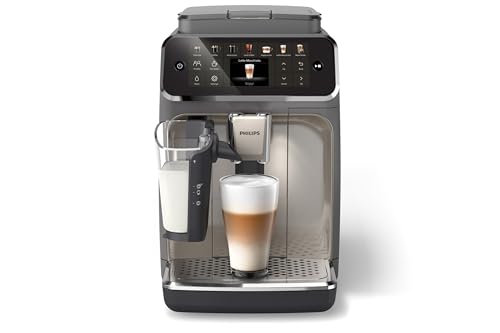
The Philips 4400 LatteGo keeps one-touch milk drinks simple to clean. Its LatteGo milk system has just three parts, no internal tubes and no hidden compartments, and Philips says it is dishwasher safe or can be rinsed in about 10 seconds. That matters more than any menu feature if you make milk drinks every day.
It offers 12 presets, including espresso, coffee, latte, cappuccino and iced coffee, and you can adjust strength, volume and milk level, then save two user profiles. QuickStart means it is ready to brew in 3 seconds, and SilentBrew sound shielding is Quiet Mark certified, according to the listing.
The limitation is range: 12 presets cover most homes but fall short of the Rivelia's menu, and there is no cold foam system. Skip it if cold brew and cold foam drinks are central to your routine.
Ninja AutoBarista AE1001: Best for an alternative serving routine
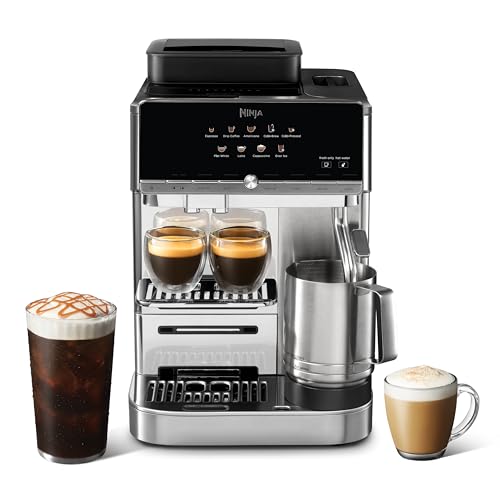
The Ninja AutoBarista AE1001 suits households that swing between hot and iced drinks through the year. It offers 10 drinks, from espresso to cold brew and cappuccino, and its frothing system makes microfoam hot or iced with dairy or plant-based milk.
Ninja's Grind iQ technology selects from 50 grind settings to calibrate the grind automatically, so you do not need to experiment as much when you change beans. Cleanup is helped by auto-rinse, removable parts and a self-drying interior fan, which keeps the machine fresher between uses.
The limitation is track record: it is a newer machine with fewer buyer reviews than the long-running Philips and De'Longhi lines. Skip it if you prefer a model with years of owner feedback, or if 10 drinks feels limited next to the Rivelia's menu.
Bosch 800 Series VeroCafe: Best for added control or convenience
The Bosch 800 Series is for people who like to fine-tune every drink. A large touchscreen lets you adjust strength, size, milk ratio and aroma, and the Home Connect app lets you start a drink from the couch and choose from up to 35 beverages.
Maintenance is designed to be guided: a combined cleaning and descaling program, Calc'n Clean, walks you through each step. The box includes a Mavea water filter, a connection hose for the milk frother, a microfiber cloth and a water hardness test strip, so you can set it up for your water from day one.
The limitation is cost: at around $1,300 it is the most expensive pick here, and the app features only matter if you use them. Skip it if a simple button panel suits you, since the Philips 4400 covers daily milk drinks for much less.

What to Look for Before Buying
Internal One-Touch Espresso Preparation
A super automatic machine handles grinding, dosing, tamping and brewing inside the machine, then discards the used grounds into a bin. That is different from semi-automatic machines, where you grind, tamp and lock in a portafilter yourself, and from capsule machines, which use pre-packed coffee.
The level of milk automation varies more than the espresso side. Manual frothers, like the Philips 2200's, steam milk while you hold the jug. Automatic systems, like LatteGo or LatteCrema, draw milk and froth it into the cup for you. The more automatic the milk system, the more parts there are to rinse after each milk drink.
Grind control is the other key difference. Machines with more grind settings, such as the Rivelia's 13 or the Ninja's 50 automatic settings, give you more room to adjust for dark or light roasts. Fewer settings are fine if you stick to one type of bean.
Fit for Your Household Routine
Think about who uses the machine and how often. In a two-person home where one drinks espresso and the other a latte, saved user profiles, like the Philips 4400's, save time. In a busy family, a fast heat-up and a large bean hopper reduce waiting and refills.
Count daily drinks honestly. Super automatics make one or two drinks at a time, so a household that wants six lattes before 8 a.m. will spend a while at the machine. Water tank size and grounds bin capacity matter more than the drink menu for these homes.
Noise and space also matter. Grinding is loud on most machines, which is why Philips highlights its Quiet Mark certification. Measure the space under your cabinets, leaving room to open the top for beans and water.
Coffee Format and Serving Needs
All of these machines use whole beans, which gives you the widest choice of roasts. Some also accept pre-ground coffee through a bypass, so check the manual if you want a decaf option without emptying the hopper. Very oily dark roasts can clog some grinders, so follow the maker's advice on bean type.
Match the drink menu to what you actually make. If you mainly drink espresso and americanos, a budget machine with a manual frother is enough. If iced lattes and cold brew are on the daily list, look for a machine with cold foam or a cold brew program, like the Rivelia or the Ninja.
For a broader comparison of espresso styles, see our guide to the best espresso machine, and for the full range of fully automatic models at all prices, our guide to the best super automatic espresso machine goes deeper.
Which Option Fits Your Routine?
Your Must-Have Function
If you want hot and cold milk drinks plus cold brew, choose the Rivelia. If you want one-touch lattes with the quickest milk cleanup, choose the Philips 4400.
Your Preparation and Cleanup Tolerance
Automatic milk systems need a rinse after every milk drink. If that sounds like a chore, the Philips 2200's manual wand is simpler to wipe clean.
Your Complete Budget
Add beans, water filters, descaling or cleaning tablets your manual approves, and milk. Water filters that reduce descaling can lower long-term upkeep.
Frequently Asked Questions
Which features matter most for this use case?
The milk system and the cleaning routine matter most for home use. Choose automatic milk frothing if you drink lattes daily, and look for a milk system with few parts. After that, consider grind settings, user profiles, water filter support and the size of the water tank and bean hopper.
How do I choose the correct serving capacity?
Count how many drinks your household makes per day and at what time. Most super automatics brew one or two drinks per cycle, so a busy morning needs a large water tank and grounds bin to avoid refills. Check the cup height range too, since tall mugs and travel cups may not fit.
What extra equipment will I need?
You will need whole beans, a milk jug for manual frothers, and water filters or cleaning supplies your manual approves. Some machines include a water filter and test strip in the box. No separate grinder is needed, since grinding is built in.
How much daily cleaning should I expect?
Expect a few minutes a day to empty the grounds bin and drip tray and to rinse the milk system after milk drinks. Most machines run automatic rinse cycles. Descaling and deeper cleaning follow the schedule your machine or manual sets, often reduced by using a water filter.
Final Verdict
For most households, the De'Longhi Rivelia is the best super automatic espresso machine for home because it covers hot and iced drinks, cold brew and adjustable grinding from one touchscreen. If you want simpler cleanup and a lower price, the Philips 4400 LatteGo makes one-touch lattes with a three-part milk system. The deciding trade-off is drink range versus cleaning effort, so match the milk system to your routine and confirm the live price of your pick in the table above.


