
Cold Brew vs Iced Coffee: Taste, Strength and How to Make Each
Disclosure: We may earn a commission when you buy through links on this page, at no extra cost to you. As an Amazon Associate I earn from qualifying purchases. Learn more

Cold brew vs iced coffee explained: how each is brewed, how they taste, strength, cost and which suits your routine.
The difference in cold brew vs iced coffee comes down to temperature during brewing. Cold brew steeps coarse grounds in cold water for 12 to 24 hours and tastes smooth, mellow and chocolatey. Iced coffee is brewed hot, quickly, then cooled or poured over ice, so it tastes brighter and more aromatic, closer to a regular cup of coffee.
Neither is better for everyone. Below we compare taste, strength, caffeine, time, cost and convenience, show how to make each at home, and help you decide which suits your routine.

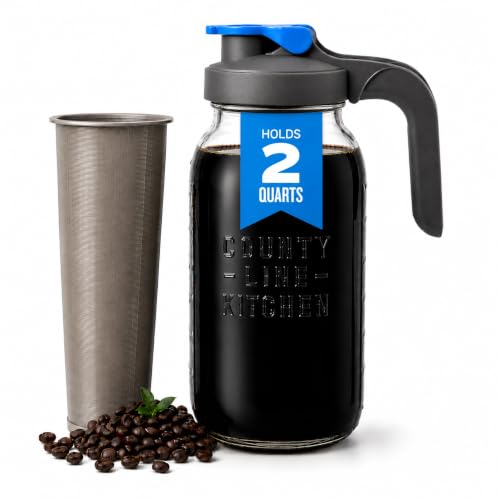
Cold Brew vs Iced Coffee: Quick Comparison
| Factor | Cold brew | Iced coffee |
|---|---|---|
| Brewing temperature | Cold or room temperature water | Hot water, then chilled |
| Brew time | 12 to 24 hours | A few minutes |
| Flavor | Smooth, mellow, chocolatey, low bitterness | Brighter, more aromatic, can be sharper |
| Typical form | Concentrate diluted before drinking | Ready to drink over ice |
| Coffee used | More coffee per glass | Less coffee per glass |
| Fridge life | Concentrate keeps about a week | Best the same day |
| Equipment | Jar, pitcher or cold brew maker | Any hot brewer plus ice |
How Each Is Made
Cold Brew
To make cold brew, you combine coarse ground coffee with cold water, usually at a strong ratio around 1:8, and let it steep in the refrigerator for 12 to 18 hours. You then strain out the grounds and store the concentrate. Before drinking, you dilute it with water or milk and pour it over ice. Because nothing is heated, the process is slow but almost effortless.
Iced Coffee
Iced coffee starts as hot coffee. You can brew it with a drip machine, pour over cone, AeroPress or French press. The simplest method is to brew a stronger than usual batch and pour it directly over a glass full of ice, a technique often called flash chilling or Japanese style iced coffee. You can also chill hot coffee in the refrigerator, though it can taste flat if it sits too long.
Taste Differences
Temperature changes which flavors end up in the cup. Hot water extracts quickly and pulls out bright acids and aromatic compounds, along with some bitter ones. Cold water extracts slowly and leaves more of the sharp acids and bitter compounds behind. That is why cold brew tastes rounder and sweeter, often with notes of chocolate, caramel and nuts.
Iced coffee keeps more of the coffee's original character. A fruity Ethiopian coffee tastes bright and lively as iced coffee, while the same beans as cold brew taste softer and more mellow. If you love the taste of your morning hot coffee and want it cold, iced coffee is closer. If you find hot coffee bitter or harsh, cold brew may suit you better.
Strength and Caffeine
Cold brew concentrate is strong, so ounce for ounce it contains more caffeine than regular coffee until it is diluted. After dilution, a glass of cold brew often lands in a similar range to a cup of drip coffee, though it depends heavily on your ratio and how much concentrate you pour. Coffee shop cold brew is sometimes served stronger than iced coffee, which is why it can feel more potent.
Iced coffee strength depends on how you brew it. Pouring regular strength hot coffee over ice dilutes it, so recipes call for brewing stronger or using less water. If you are watching caffeine, measure your concentrate and dilution carefully, and choose decaf beans for evening drinks.
Time and Convenience
Iced coffee wins on speed. You can have a glass in five minutes with equipment you already own. That makes it ideal for spontaneous cravings or when you run out of cold brew.
Cold brew wins on planning ahead. It takes a day to brew, but one batch provides a week of drinks with almost no daily effort. Pour concentrate, add water or milk, and go. Many people keep a jar of cold brew in the fridge all summer and make iced coffee only when they run out.
Cost Per Glass
Cold brew uses more coffee per glass because cold water extracts less efficiently. A typical concentrate uses about twice as much coffee as hot brewing for the same amount of finished drink. Iced coffee is more economical with beans. Both are far cheaper than buying a drink at a café every day.
Equipment You Need
For cold brew, any large jar and fine strainer work, but a dedicated cold brew maker with a mesh filter and airtight lid makes it easier. Our guide to the best cold brew coffee maker compares options. A French press also makes small batches.
For iced coffee, you can use your usual brewer. Some drip machines include an iced coffee setting that brews a stronger, smaller batch over ice; see our guide to the best coffee maker for iced coffee.
How to Make Iced Coffee That Is Not Watery
The most common complaint about iced coffee is that it tastes weak. Fix it by brewing strong. For a pour over or drip brewer, use your normal amount of coffee but replace about a third to a half of the water with ice in the carafe or glass, so the hot coffee melts the ice to the right strength. Alternatively, brew at around 1:10 instead of 1:16 and pour over a full glass of ice.
Freezing leftover coffee in ice cube trays is another trick. Coffee ice cubes chill the drink without diluting it. Our full guide on how to make iced coffee at home walks through several methods.
How to Make Cold Brew at Home
Grind about 100 grams of coffee coarse, combine with 800 grams of cold water, stir, and steep in the refrigerator for 14 to 18 hours. Strain through a mesh filter or paper filter, store the concentrate sealed, and dilute it one to one when serving. For details, read our guide on how to make cold brew coffee at home.
Which Beans Work Best?
For cold brew, medium and dark roasts with chocolate and nut notes shine. Brazilian, Colombian and Sumatran coffees are popular choices. For iced coffee, lighter and fruitier coffees can be refreshing, since the hot brew keeps their bright character. Flavored coffees work in both, though the flavor can taste stronger in cold brew.
Popular Variations of Each
Nitro Cold Brew
Nitro cold brew is cold brew infused with nitrogen gas and served from a tap, which gives it a creamy, velvety texture and a cascading head like a stout. It is mostly a café drink, though small home nitro kegs can recreate it for enthusiasts who drink a lot of cold brew. The smooth base of cold brew is what makes the nitrogen texture work so well.
Japanese Style Iced Coffee
Japanese style iced coffee is hot pour over brewed directly onto ice. Because the coffee cools instantly, it keeps aromatic compounds that are lost when hot coffee cools slowly. Use about the same amount of coffee you would for hot pour over, but replace roughly 40 percent of the brewing water with ice in the server.
Vietnamese Iced Coffee
Vietnamese iced coffee is strong coffee brewed through a small metal phin filter, often with dark roasted beans, then mixed with sweetened condensed milk and poured over ice. It is rich, sweet and very strong, and a fun weekend treat with either a phin or strong cold brew concentrate.
Common Mistakes With Both
With cold brew, the most common mistakes are grinding too fine, which makes it bitter and muddy, and steeping well past 24 hours. Forgetting to dilute concentrate also leads to a drink that is far stronger than intended. With iced coffee, the biggest mistake is pouring regular strength hot coffee over ice, which melts the ice and leaves a weak, watery glass.
Another mistake for both is using stale beans. Cold temperatures mute aroma, so fresh coffee makes an even bigger difference in cold drinks. Finally, store cold brew in a sealed container so it does not pick up fridge odors, and drink iced coffee soon after brewing.
Milk, Sweeteners and Add-Ins
Both drinks take milk and sweeteners well. Cold brew's smoothness pairs nicely with oat milk, vanilla syrup or cold foam. Iced coffee holds up to bold flavors like caramel, mocha or a splash of cinnamon. Because sugar dissolves poorly in cold drinks, use simple syrup or flavored syrups rather than granulated sugar.
Serving Both at a Party
If you host a summer brunch, offering both is easy. Make a jar of cold brew concentrate the day before, then brew a strong pot of hot coffee directly over ice when guests arrive. Set out milk, oat milk, simple syrup and a few flavored syrups, and label each pitcher. Guests can taste the difference side by side, and you will learn which one your friends prefer.
Which Should You Choose?
Choose cold brew if you want a smooth, low bitterness drink, like to prepare coffee ahead, and enjoy chocolatey flavors. It is also great for milky drinks and for people who find hot coffee harsh.
Choose iced coffee if you want a quick drink with bright, aromatic flavor, prefer to use fewer beans, or enjoy the taste of your regular hot coffee and simply want it cold. Many coffee lovers keep both in their routine. Explore more comparisons in our coffee guides.
Keeping Your Gear Clean
Cold brew filters and pitchers collect oils that can turn stale, and hot brewers build up mineral scale. Rinse filters right after use and wash containers regularly. Our guide on how to clean a coffee maker covers routines for drip machines and other brewers.
FAQs
Is cold brew stronger than iced coffee?
Cold brew concentrate is stronger, but once diluted, strength depends on your recipe. Some café cold brew is served stronger than iced coffee.
Is cold brew less acidic?
Cold brew usually tastes less acidic and less bitter because cold water extracts fewer sharp compounds, which is why many people find it smoother.
Can I use cold brew concentrate for iced coffee drinks?
Yes. Dilute it with water or milk over ice for an iced latte or classic glass.
How long does iced coffee last in the fridge?
Brewed hot coffee chilled in the refrigerator is best within a day; after that it tastes flat. Cold brew concentrate keeps about a week.
Which is cheaper to make at home?
Iced coffee uses fewer beans per glass, so it is cheaper. Cold brew costs more in coffee but saves time.
Bottom Line
In the cold brew vs iced coffee choice, cold brew gives a smooth, mellow concentrate you prepare once and enjoy all week, while iced coffee gives a fast, bright glass from any hot brewer. Try both with the same beans to taste the difference, then keep the one that fits your mornings, or enjoy cold brew vs iced coffee depending on the day.

