Coffee Grind Size Chart for Every Brewing Method
Disclosure: We may earn a commission when you buy through links on this page, at no extra cost to you. As an Amazon Associate I earn from qualifying purchases. Learn more

A simple coffee grind size chart for French press, drip, pour over, espresso and more, plus how to fix sour or bitter coffee.
A coffee grind size chart matches each brewing method to the right grind, from powder fine for Turkish coffee to chunky coarse for cold brew. The rule behind it is simple: the longer water stays in contact with the coffee, the coarser the grind should be. Short, pressurized methods like espresso need fine grounds, while long immersion methods like French press need coarse ones.
Below you will find a grind size chart with simple texture comparisons, a closer look at each method, how to tell if your grind is too fine or too coarse, and tips for getting a consistent grind at home.


Coffee Grind Size Chart
Use this chart as a starting point. Every grinder labels its settings differently, so compare the texture of your grounds with the descriptions rather than relying on a number on the dial.
| Grind size | Texture comparison | Best brewing methods | Typical contact time |
|---|---|---|---|
| Extra coarse | Peppercorns, cracked | Cold brew, cowboy coffee | 12 to 24 hours (cold brew) |
| Coarse | Coarse sea salt | French press, percolator, cupping | 4 to 8 minutes |
| Medium coarse | Rough sand | Chemex, Clever dripper, some large batch brewers | 4 to 5 minutes |
| Medium | Regular sand | Flat bottom drip machines, siphon | 4 to 6 minutes |
| Medium fine | Slightly finer than table salt | Cone pour over (V60), cone drip machines, AeroPress | 2 to 4 minutes |
| Fine | Table salt to fine sugar | Espresso, moka pot | 25 to 35 seconds (espresso) |
| Extra fine | Powdered sugar or flour | Turkish coffee | Brief simmer |
Why Grind Size Matters
Brewing coffee is a process of extraction: hot water dissolves flavor compounds from the grounds. Smaller particles have more surface area, so they release flavor quickly. Larger particles release it slowly. Matching grind size to contact time is how you extract the sweet, balanced middle of the coffee's flavor without pulling out harsh, bitter compounds.
If the grind is too fine for the method, water extracts too much and the coffee tastes bitter, dry or harsh, and it can clog filters. If the grind is too coarse, water extracts too little and the coffee tastes sour, salty or watery. A consistent grind, where most particles are a similar size, extracts evenly and tastes cleaner. That is why burr grinders produce better coffee than blade grinders, which create a mix of dust and chunks.
Grind Size by Brewing Method
Cold Brew: Extra Coarse
Cold brew steeps for 12 to 24 hours in cold water, so it needs the coarsest grind. Extra coarse grounds keep the concentrate smooth and make filtering easier. Fine grounds in cold brew lead to bitterness and a muddy, hard to strain batch.
French Press: Coarse
A French press steeps coffee for about four minutes and uses a metal mesh filter. A coarse grind similar to sea salt prevents over extraction and keeps fine particles from slipping through the mesh. If your press is hard to push down or your cup is gritty, grind coarser. See our guide on how to use a French press for the full method.
Percolator: Coarse
Percolators cycle hot water through the grounds repeatedly, which extracts aggressively. A coarse grind helps avoid bitterness and keeps grounds from passing through the basket.
Chemex: Medium Coarse
The Chemex uses thick paper filters that slow the flow of water. A medium coarse grind, a bit finer than French press, keeps the brew time around four to five minutes and avoids clogging.
Drip Coffee Makers: Medium
Most automatic drip machines with flat bottom baskets work best with a medium grind similar to regular sand. Cone shaped baskets often benefit from a slightly finer medium fine grind. Pre-ground supermarket coffee is usually ground for drip machines.
Pour Over Cones: Medium Fine
Cone drippers such as the Hario V60 brew in two to four minutes and depend on the grind to control flow. Medium fine grounds, slightly finer than table salt, are a good starting point. Adjust finer if water runs through too quickly and the cup tastes sour, or coarser if it drains slowly and tastes bitter.
AeroPress: Medium Fine to Fine
The AeroPress is flexible. Standard recipes with one to two minute steeps use a medium fine grind; shorter recipes or espresso style concentrates use a finer grind. Its paper filter keeps the cup clean even with finer grounds.
Moka Pot: Fine
A moka pot uses steam pressure to push water up through the coffee. It needs a fine grind, slightly coarser than espresso, so the water can pass through without clogging the basket. Do not tamp the grounds in a moka pot.
Espresso: Fine
Espresso forces hot water through compacted coffee at high pressure in about 25 to 35 seconds. It requires a fine, very consistent grind and small adjustments. Even a slight change can make a shot run too fast (sour) or too slow (bitter). A grinder built for espresso makes this much easier; see our guide to the best coffee grinder for espresso.
Turkish Coffee: Extra Fine
Turkish coffee is simmered with the grounds and served unfiltered, so the coffee is ground to a powder as fine as flour. Many standard grinders cannot reach this fineness; specialized Turkish hand grinders or certain burr grinders are needed.
How to Tell If Your Grind Is Wrong
Taste and brew time are your best guides. Use these signs to adjust:
- Too fine: bitter or harsh taste, slow drawdown in pour over, a French press that is hard to plunge, or an espresso shot that drips slowly. Grind coarser.
- Too coarse: sour, thin or watery taste, fast drawdown, or an espresso shot that gushes. Grind finer.
- Uneven: the coffee tastes both bitter and sour, or you see lots of dust alongside large chunks. Use a burr grinder and clean it.
Change grind size in small steps and keep other variables the same, such as dose, water temperature and brew time, so you can tell what made the difference.
How to Check Your Grind by Eye and Touch
You do not need lab equipment to judge grind size. Pinch a small amount of grounds between your fingers and rub. Coarse grounds feel chunky and individual particles are easy to see, like sea salt. Medium grounds feel gritty, like beach sand. Fine grounds feel smooth with a slight grit, like table salt or fine sugar, and extra fine grounds feel soft and powdery, like flour.
Another quick check is to spread a teaspoon of grounds on a sheet of white paper. Look for even particle sizes. If you see a lot of dust mixed with larger pieces, the grinder is producing an uneven grind, which often means it is a blade grinder or the burrs need cleaning or replacing.
Starting Settings for Popular Grinders
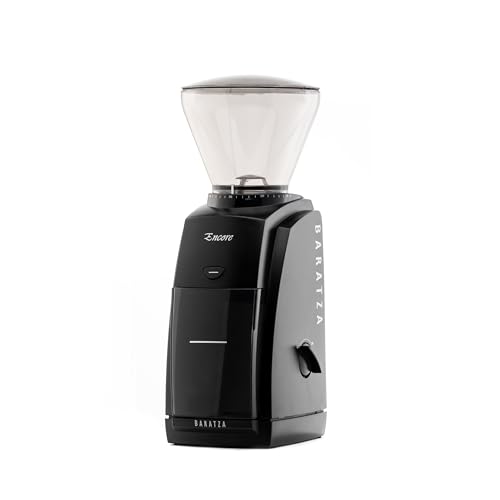
Grinder settings vary by brand, but rough starting points help. On a grinder with 40 settings, such as the Baratza Encore, many owners begin around the low teens for pour over, the high teens to low 20s for drip, and the high 20s to 30s for French press. On grinders with 60 settings, such as the Breville Smart Grinder Pro, espresso sits near the fine end and French press near the coarse end, with drip and pour over in the middle.
Treat any starting number as a guess. Brew, taste and move a few steps finer or coarser. Bean freshness, roast level and even humidity can shift the ideal setting, so it is normal to adjust when you open a new bag.
Grind Size and Brew Ratio Work Together
Grind size is only one part of the recipe. The ratio of coffee to water sets the strength, while the grind controls how efficiently flavor is extracted. A good starting point for most filter methods is about 1 gram of coffee per 15 to 17 grams of water, and about 1:2 for espresso (for example, 18 grams of coffee for 36 grams of espresso).
If coffee tastes weak but not sour, increase the dose before changing the grind. If it tastes strong but sour, grind finer. If it tastes strong and bitter, grind coarser or reduce the dose. For immersion brewing, our French press coffee ratio guide has a full chart.
Tips for a Consistent Grind at Home
Use a burr grinder whenever possible. Burrs mill beans to a uniform size, while blades chop unevenly. Grind right before brewing, since ground coffee loses aroma within minutes. Weigh your beans so you only grind what you need, and keep your grinder clean so old oils do not affect flavor.
When you switch beans, expect to adjust. Light roasts are denser and often need a finer grind than dark roasts for the same method. Fresh beans release more gas and may brew differently than beans a few weeks old. Keep a simple note of grinder settings for each coffee you buy.
If you are shopping for a grinder, our guide to the best coffee grinder compares burr, manual and budget options for every brew method.
Pre-Ground Coffee and Grind Size
Most pre-ground coffee in grocery stores is a medium grind meant for automatic drip machines. It works reasonably well in drip brewers and some pour over cones, but it is too fine for a French press and too coarse for espresso. Some brands sell coarse or espresso grinds; check the label.
If you buy whole beans at a coffee shop, many will grind them for you to match your brewer. Tell them the exact method you use, such as French press or cone pour over, for the best result.
Keeping Your Equipment in Good Shape
A clean grinder and brewer help any grind size taste its best. Old coffee oils in your grinder or coffee maker add bitterness, and mineral scale slows water flow in drip machines. Our guide on how to clean a coffee maker covers routines for drip brewers, and our coffee guides section has more brewing basics.
FAQs
What grind size is best for drip coffee?
Medium, similar to regular sand, for flat bottom baskets. Cone shaped baskets often work better with a medium fine grind.
Can I use espresso grind in a drip machine?
It is not recommended. Espresso grind is too fine for drip machines and can over extract, taste bitter and clog the filter.
What is the coarsest grind used for?
Extra coarse grinds are used for cold brew and cowboy coffee, where grounds steep for a long time.
Why does my pour over taste sour?
Usually the grind is too coarse, letting water pass through too quickly. Grind slightly finer and keep the other variables the same.
Do grinder settings numbers mean the same thing across brands?
No. Every grinder uses its own scale. Use the texture of the grounds and the taste of the coffee to find the right setting.
Bottom Line
A coffee grind size chart gives you a reliable starting point: extra coarse for cold brew, coarse for French press, medium for drip, medium fine for pour over and AeroPress, fine for moka pot and espresso, and extra fine for Turkish coffee. From there, taste your coffee and adjust in small steps. With a burr grinder and a little practice, you will match every brewer to the right grind.